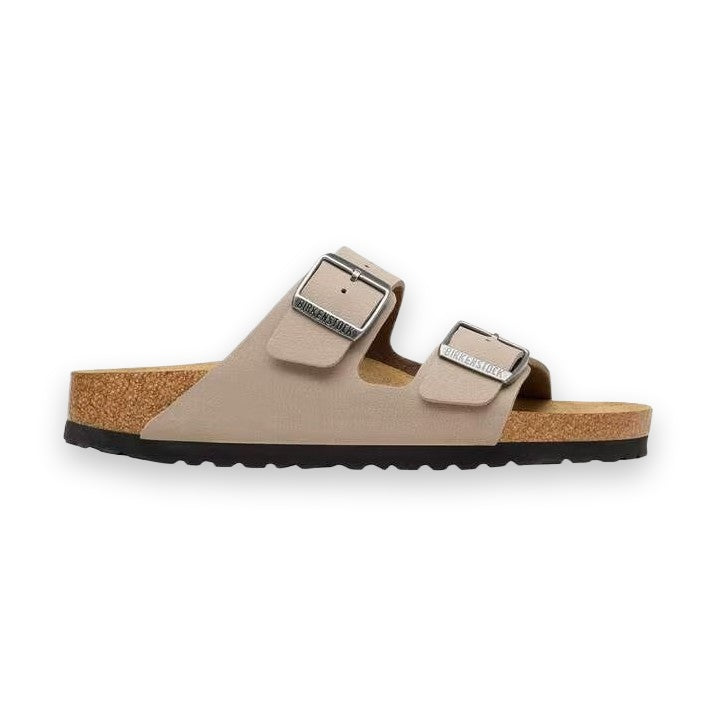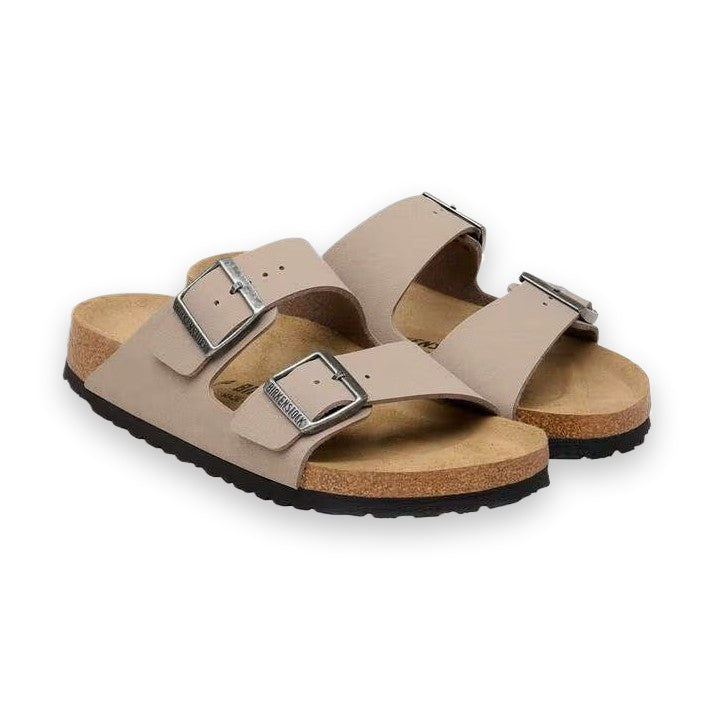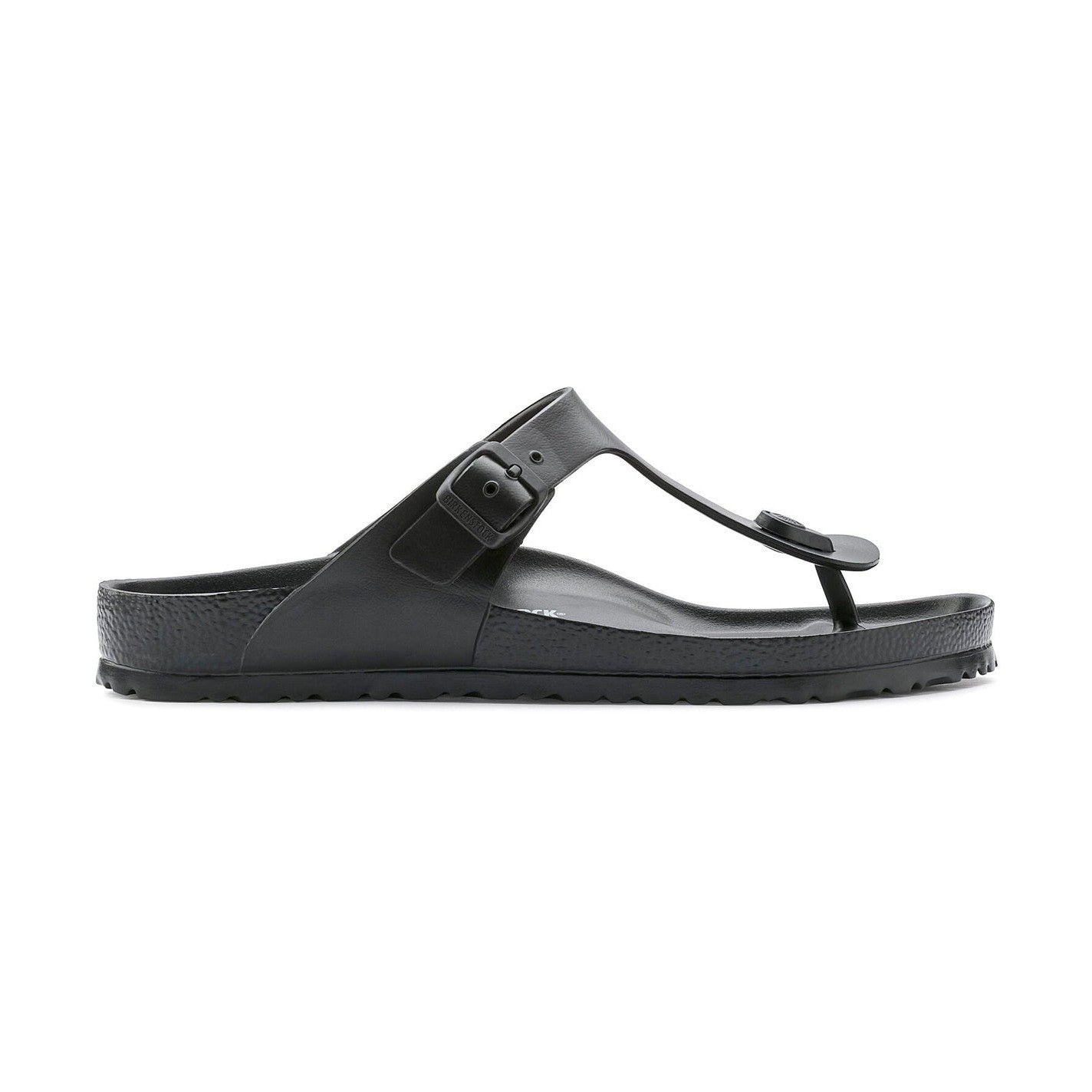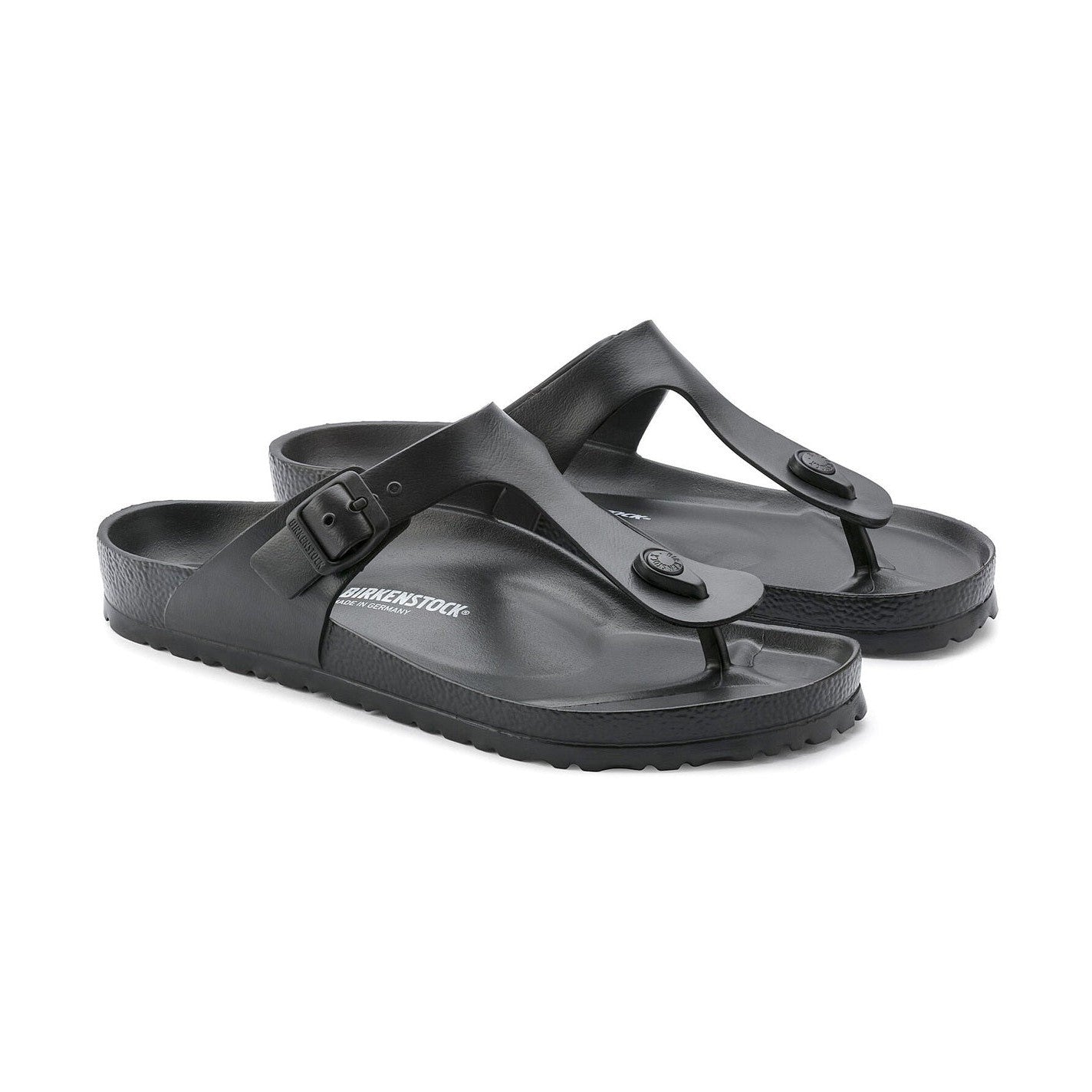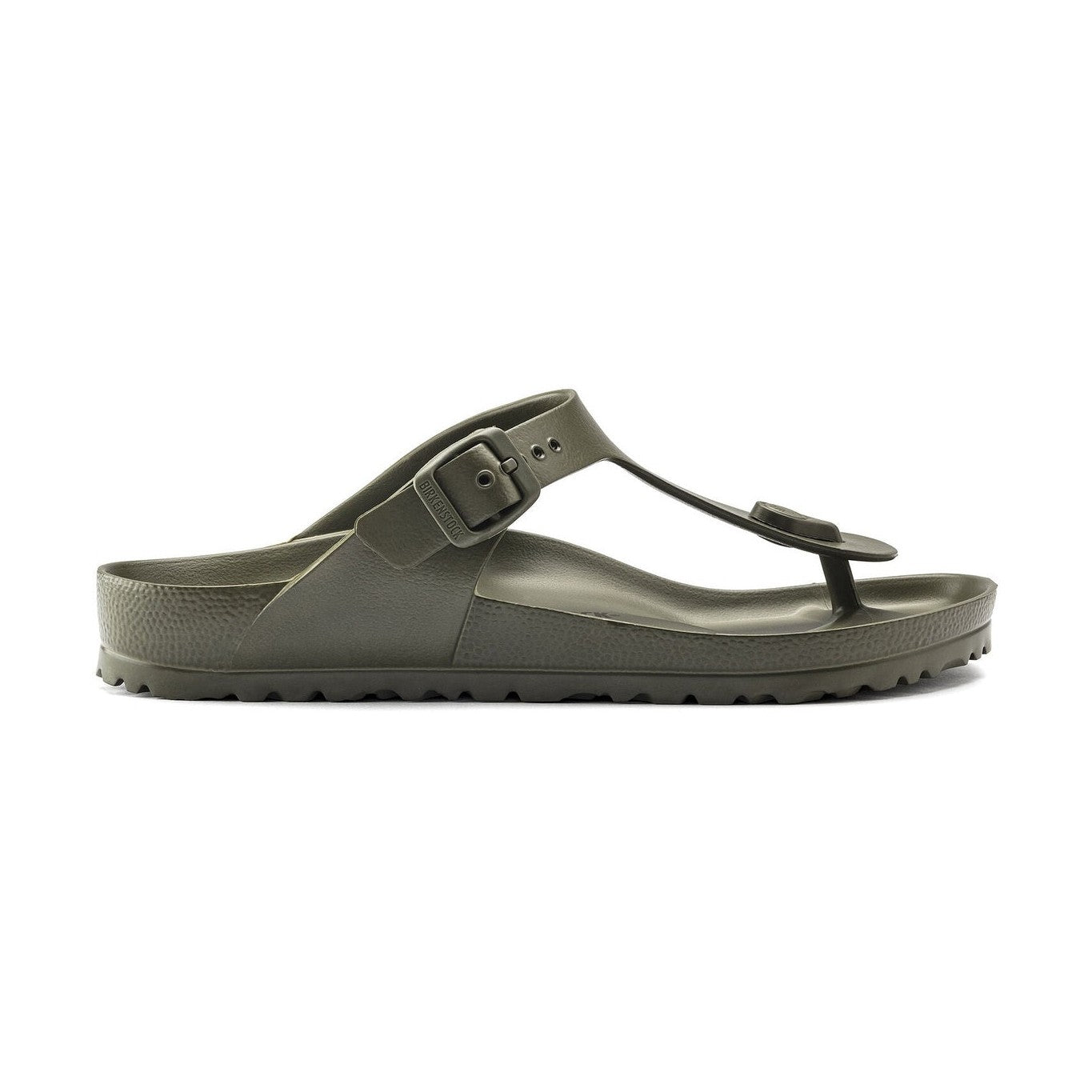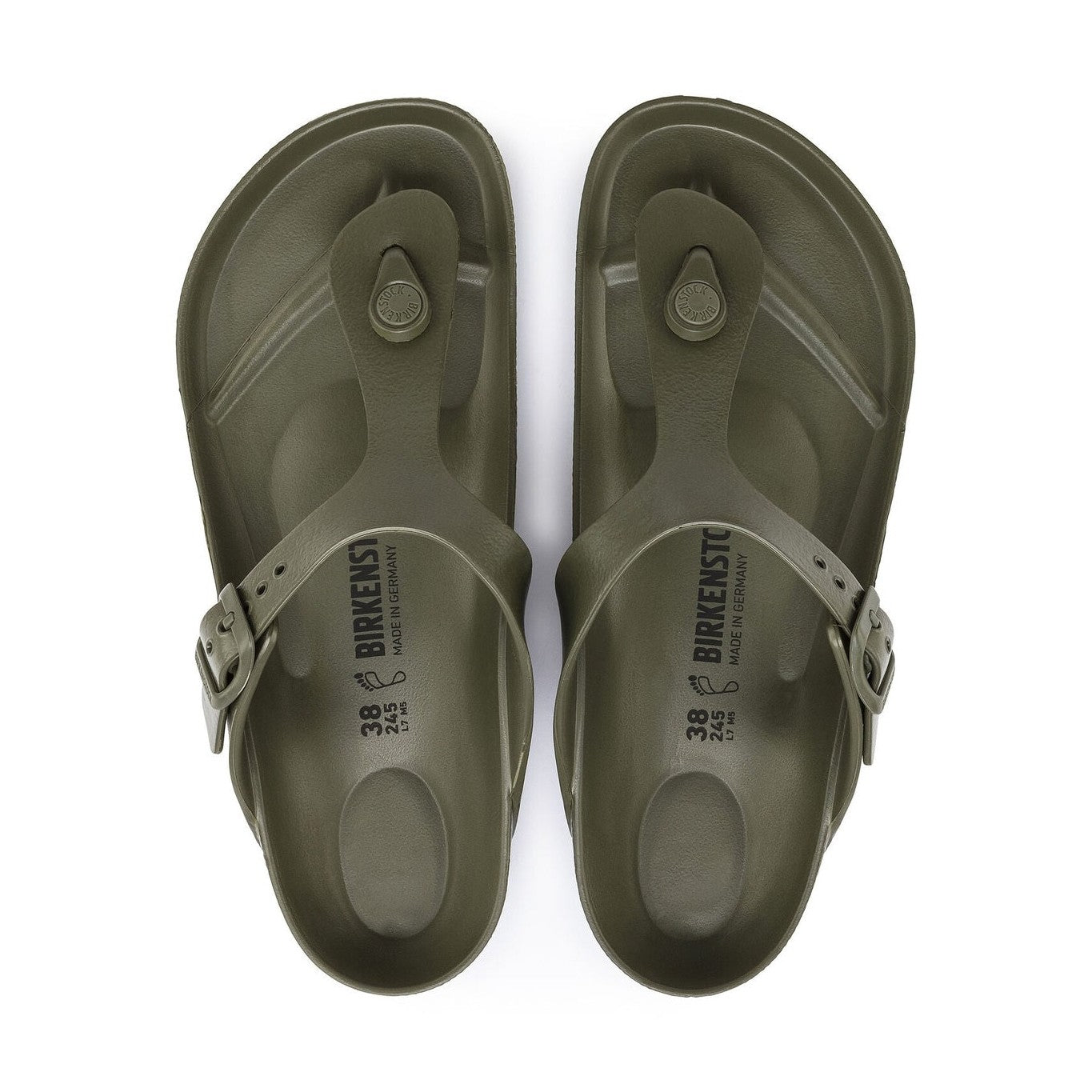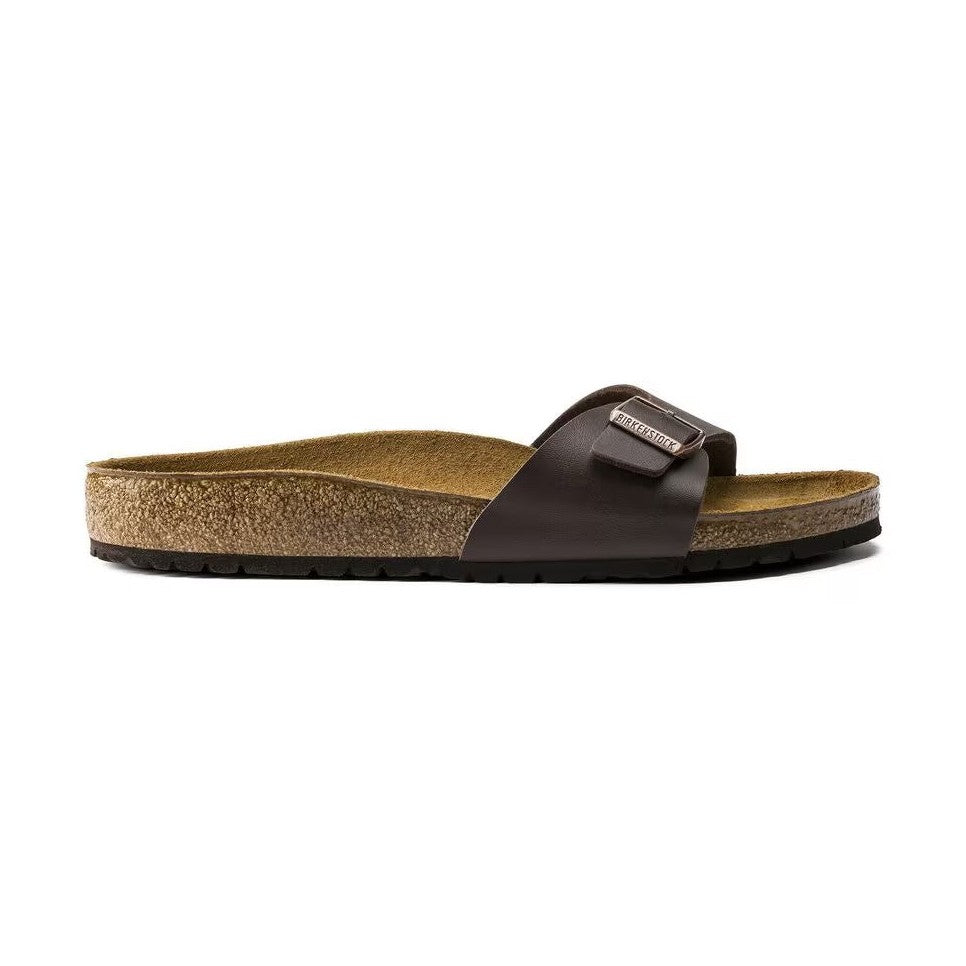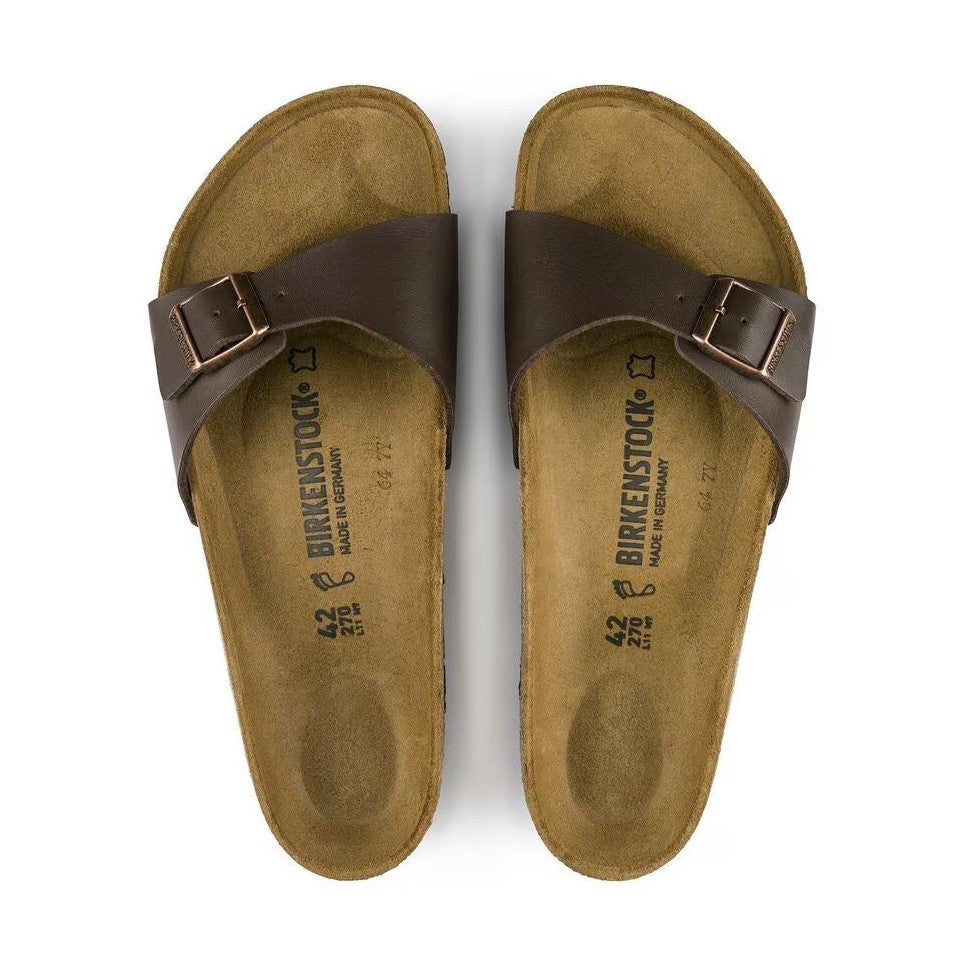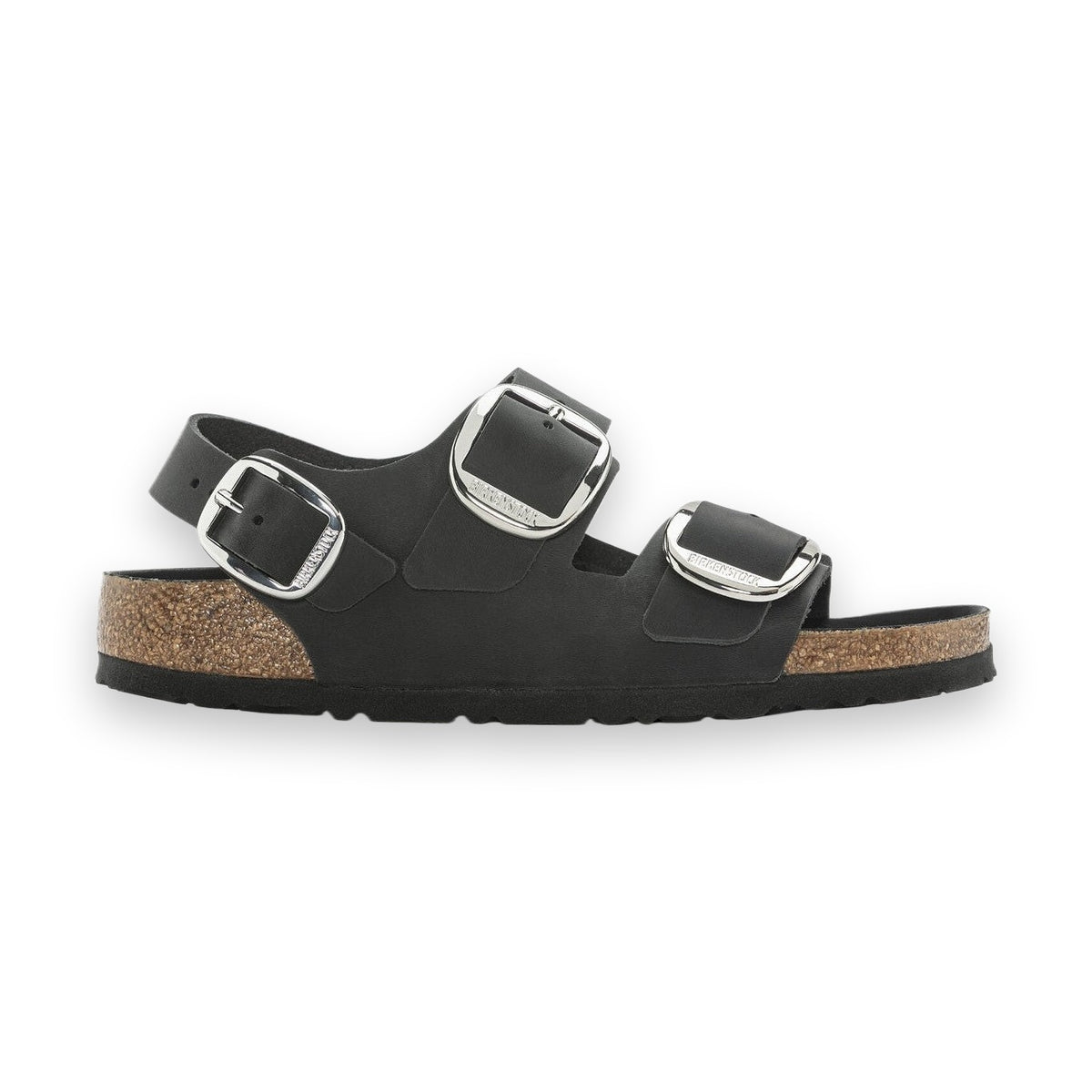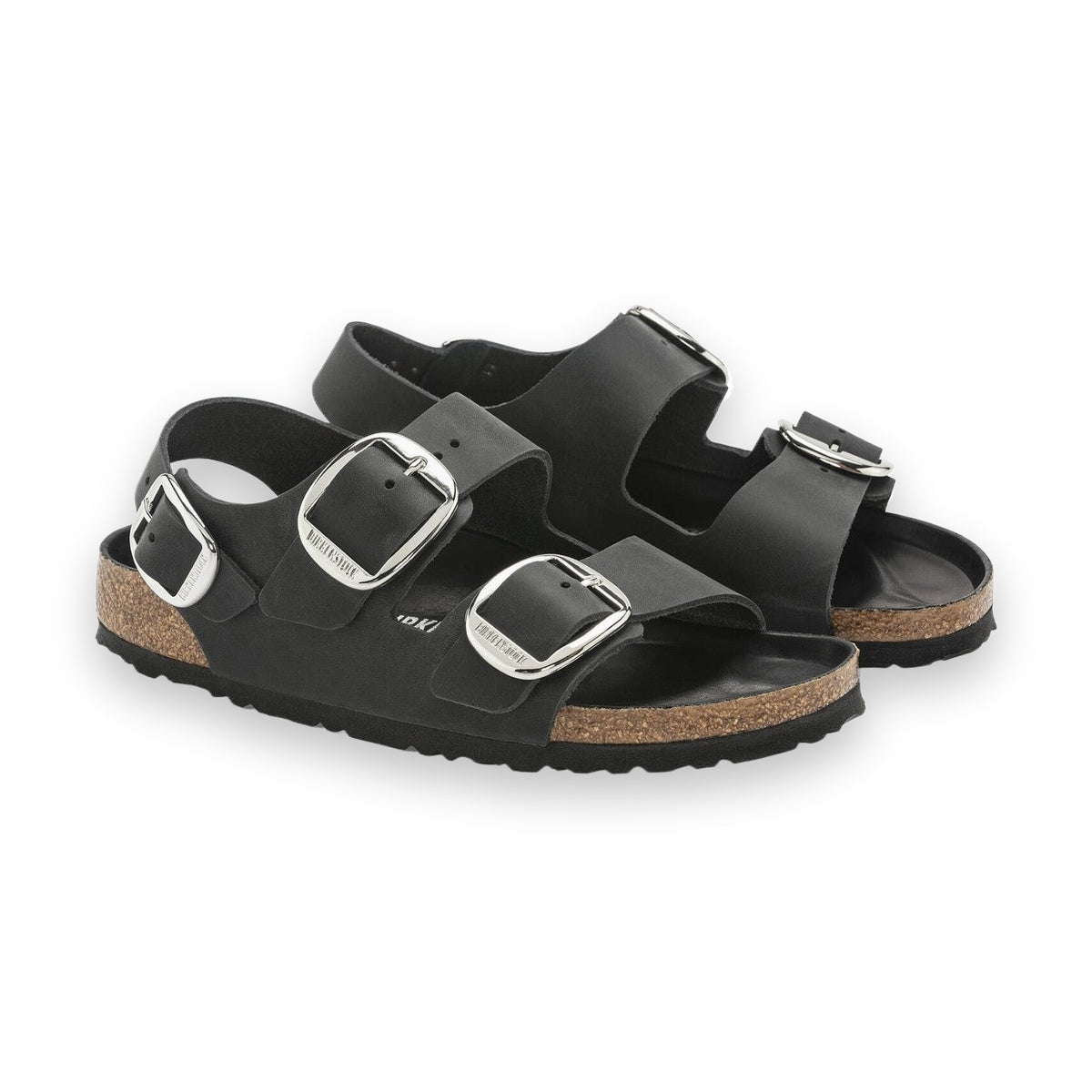

In 2025, sustainable fashion is no longer a trend, but a shared responsibility. Footwear also plays a key role in reducing the industry's environmental impact.
But what does it really mean to buy sustainable shoes, and how can you tell if a brand is truly “green”?
This guide from Natural Shoes will help you recognize reliable materials, certifications, and brands so you can make informed choices—without sacrificing style and quality.
🔹 What makes a shoe truly sustainable?
Many people think that “vegan” automatically means “eco-friendly,” but it’s not that simple.
A shoe can be vegan and at the same time highly polluting if produced with non-recycled plastic or with energy-intensive processes.
True sustainable shoes respect four pillars:
-
Materials – prefer recycled or natural, low-impact components.
-
Production – limit water consumption and CO₂, often in European factories.
-
Ethics – they guarantee fair working conditions throughout the entire supply chain.
-
Durability – a shoe that lasts 10 years is more sustainable than five disposable pairs.
🔹 The most innovative sustainable materials
The heart of the green revolution lies in materials. Here are the most important ones for 2025:
♻️ Recycled materials
-
Recycled polyester or PET : from plastic bottles transformed into lightweight and resistant uppers.
-
Recycled rubber : reduces the need for new production and improves the durability of soles.
-
Regenerated Nylon (ECONYL®) : obtained from fishing nets and ocean waste.
🌿 Natural and bio-based materials
-
Organic cotton : grown without pesticides and with less water consumption.
-
Hemp : an ultra-strong fiber that requires very few resources.
-
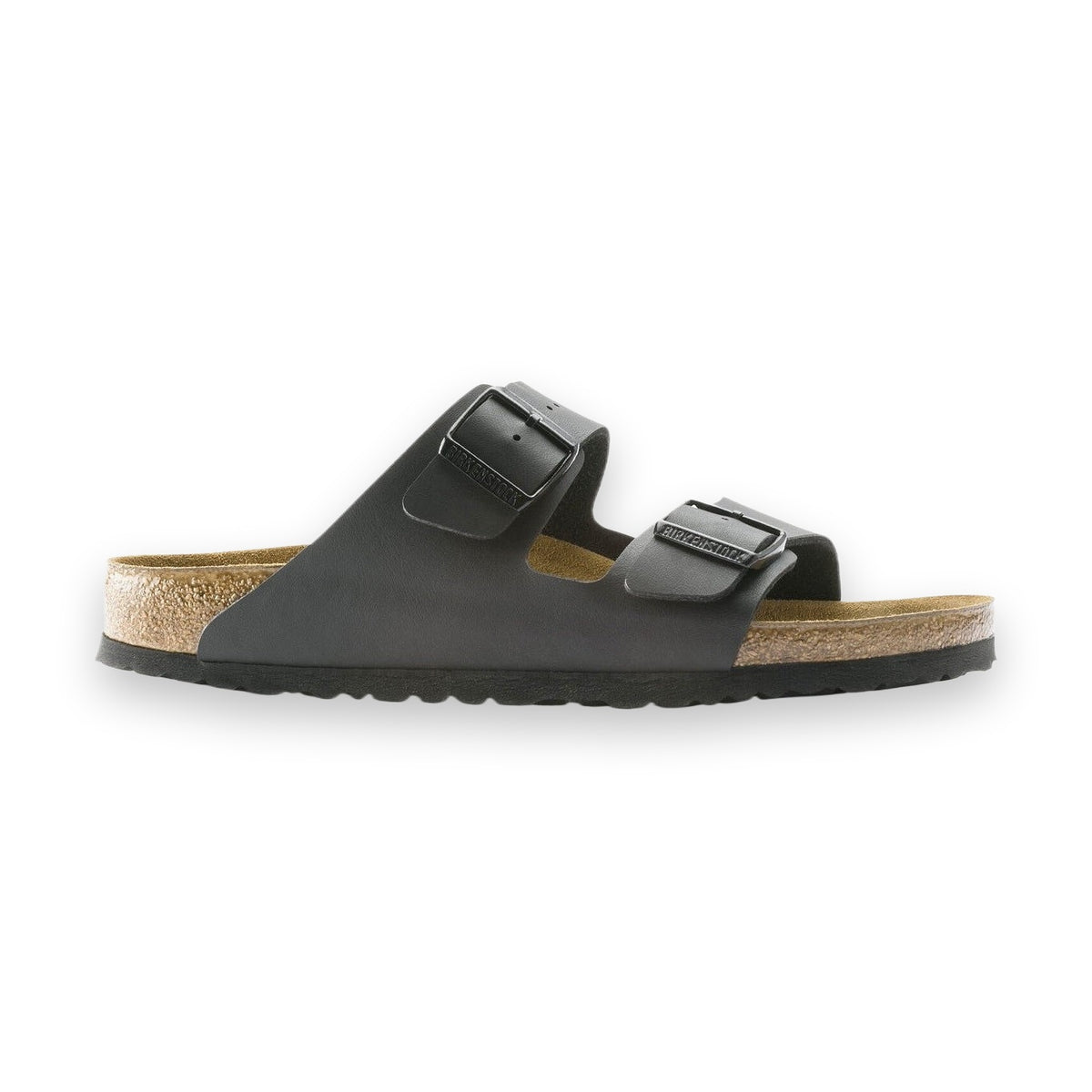
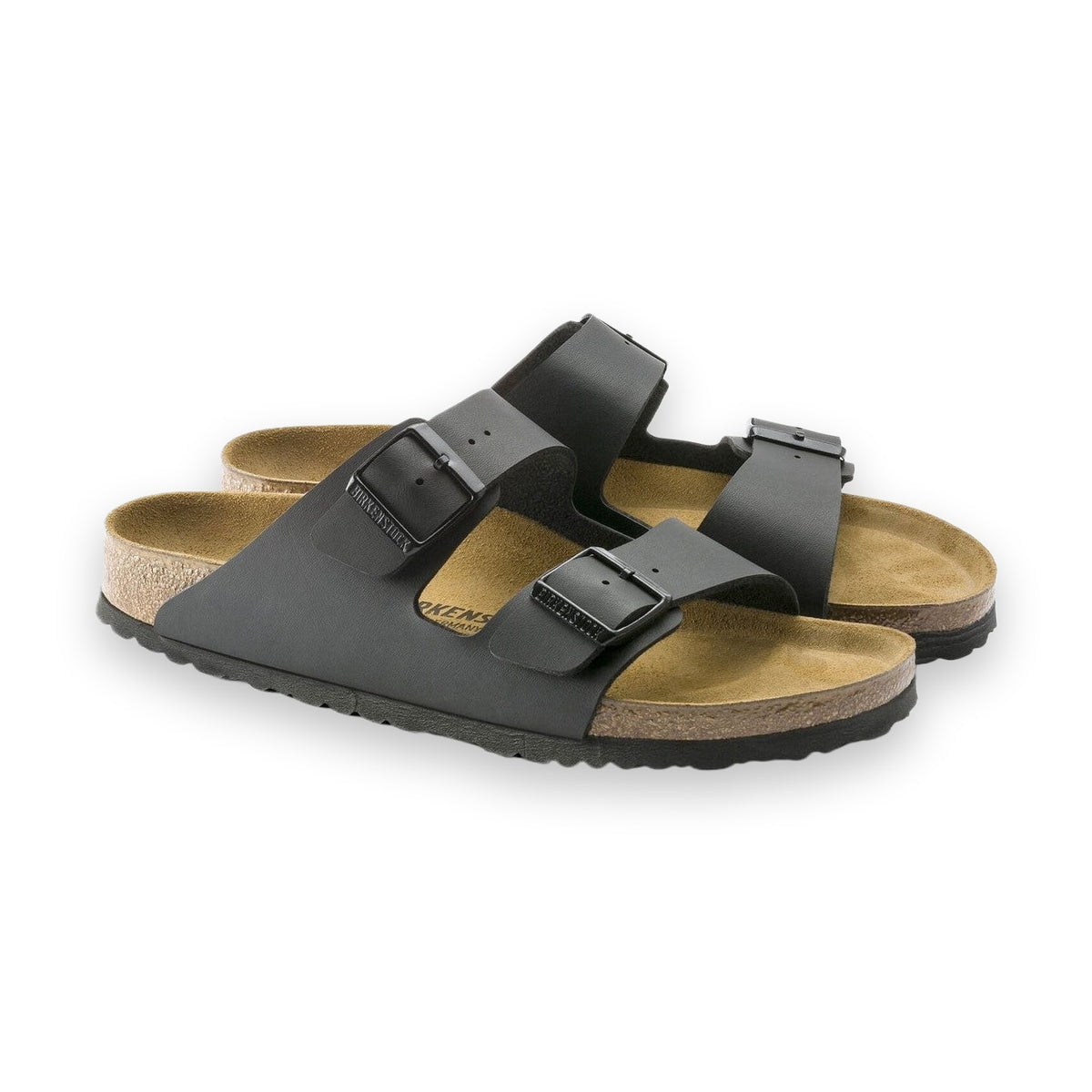
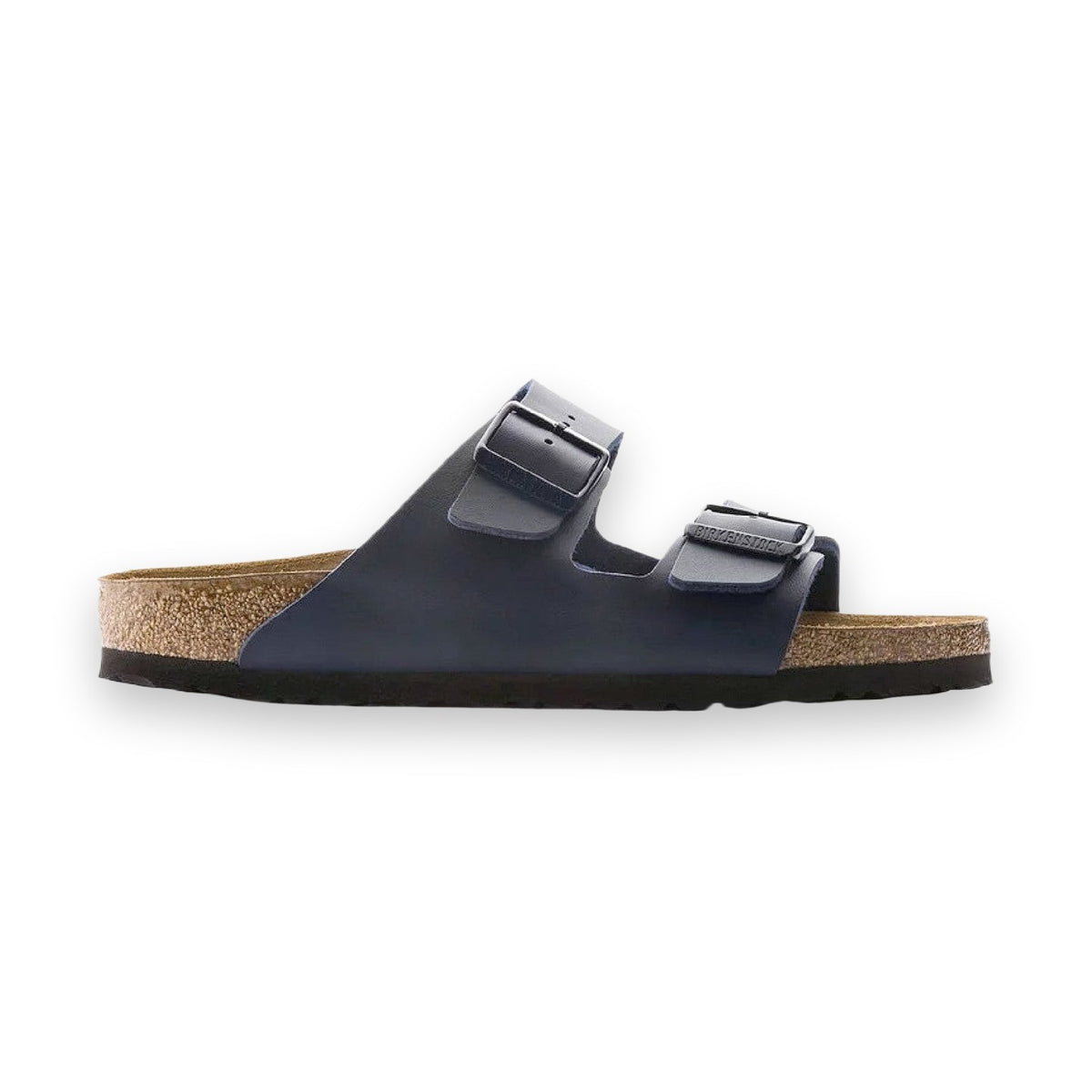
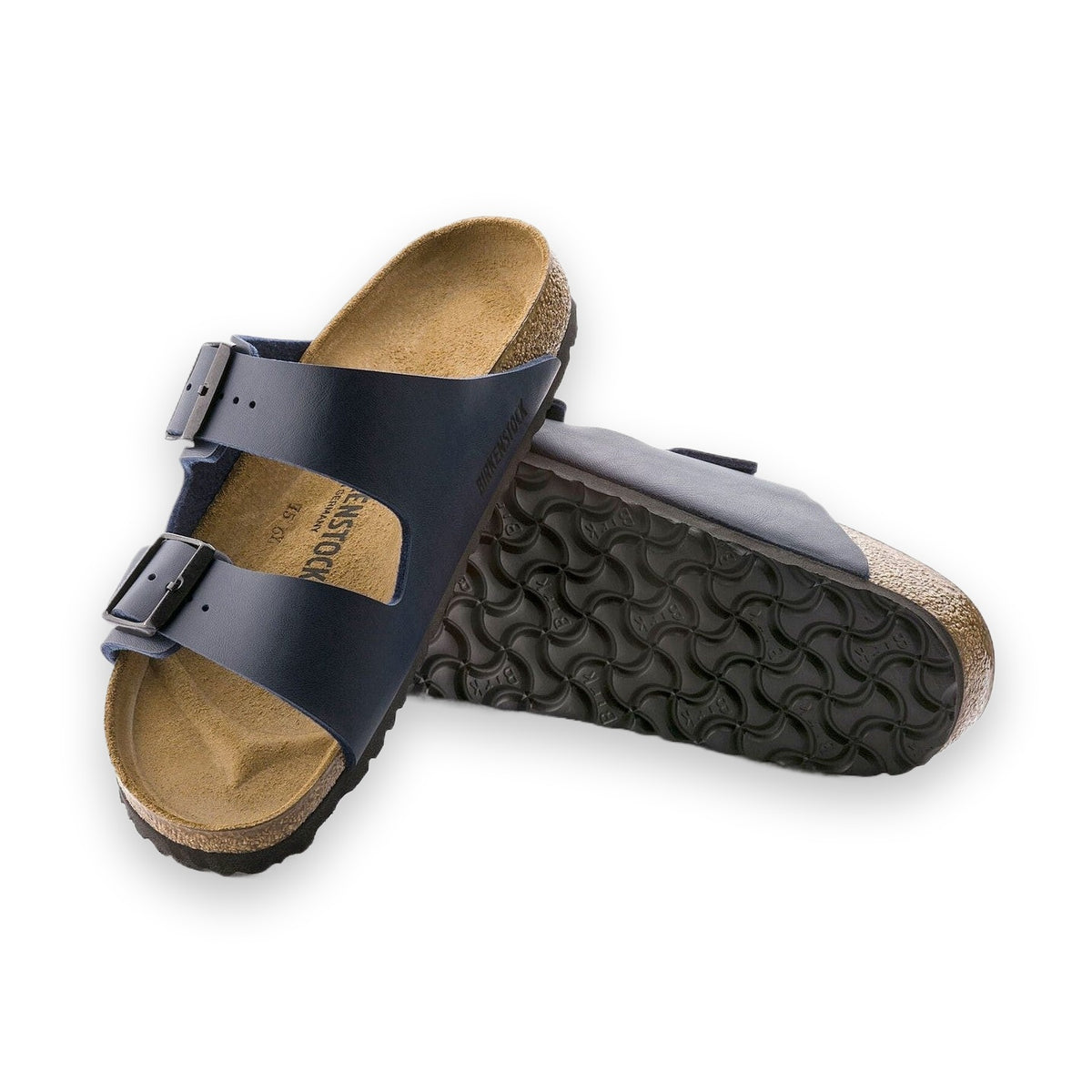
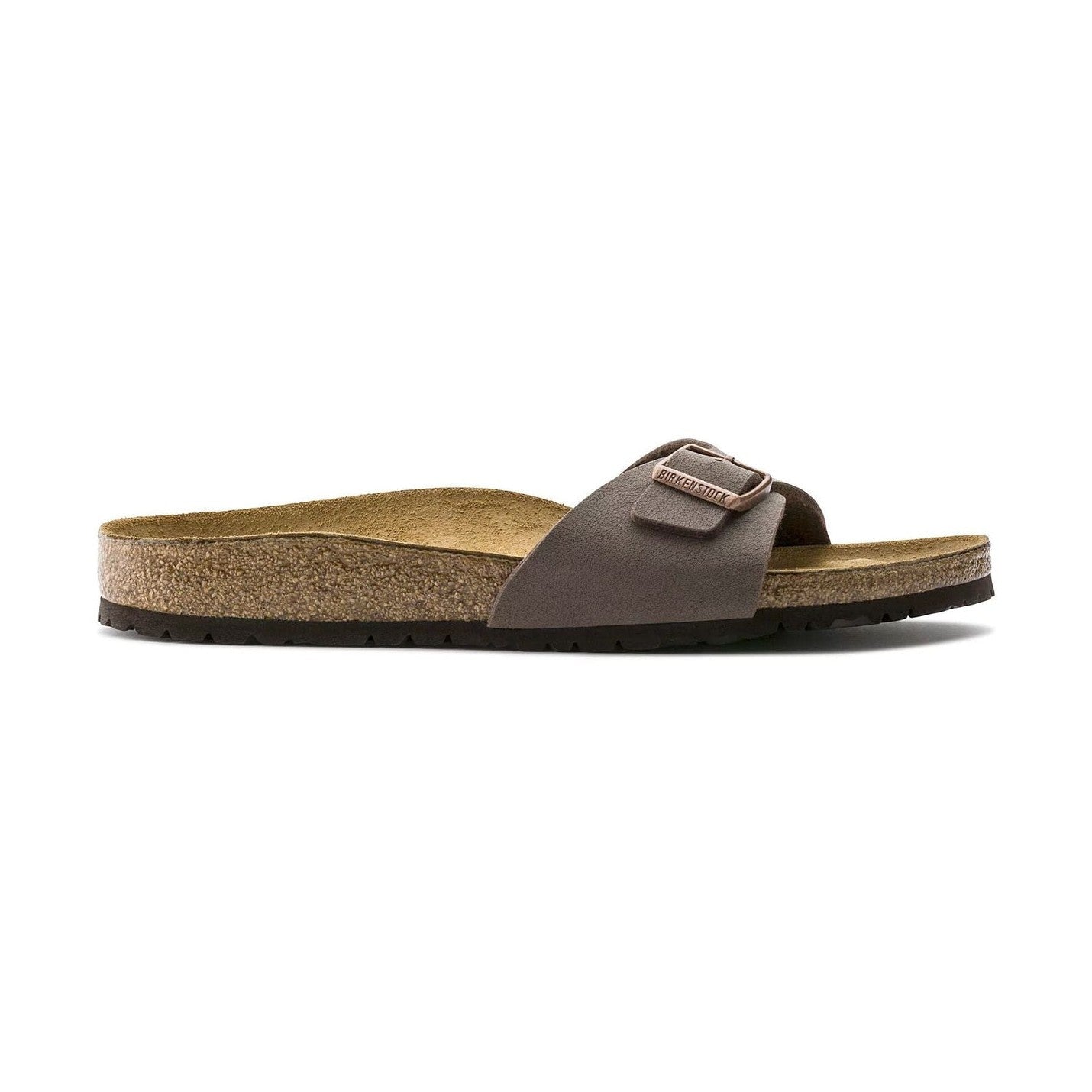
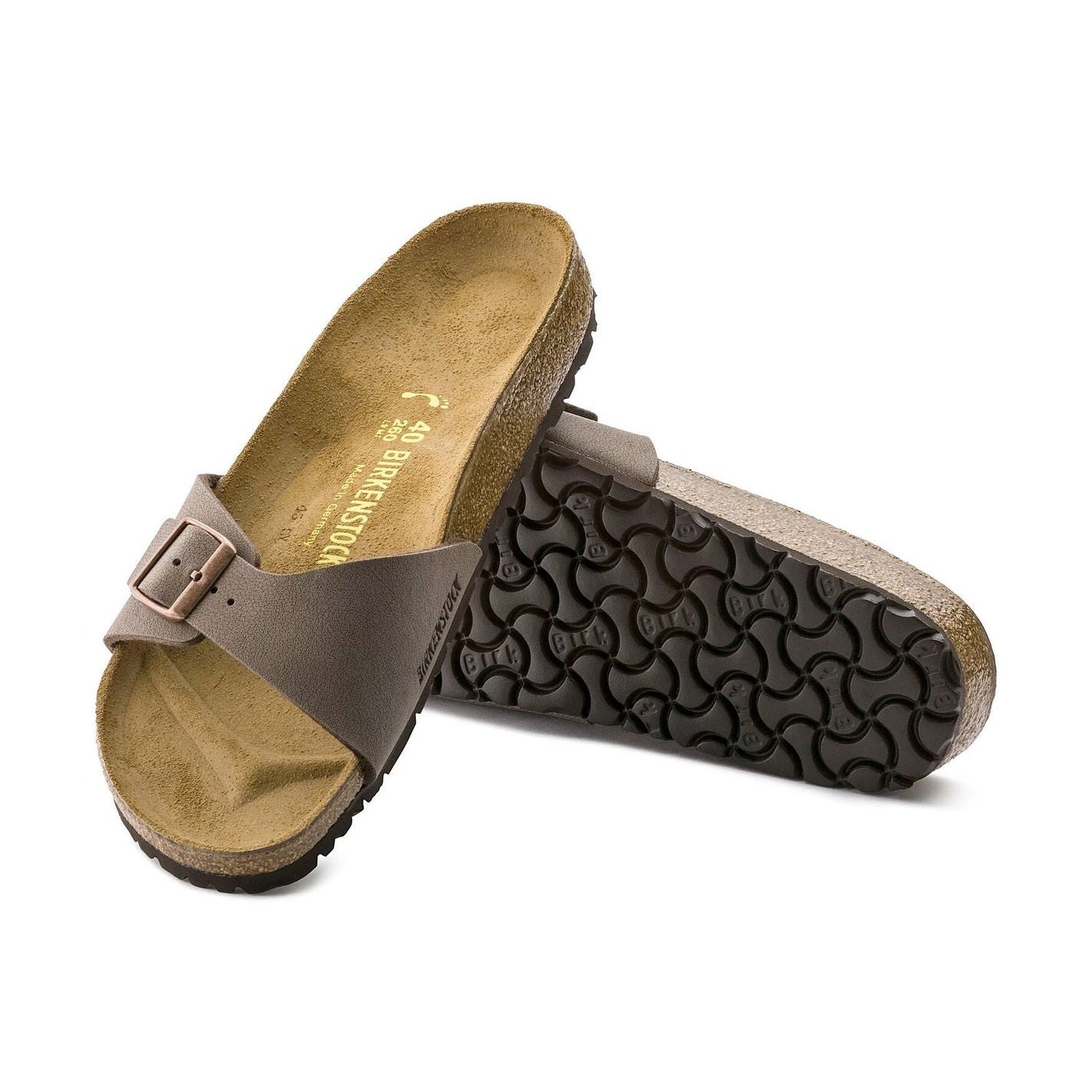
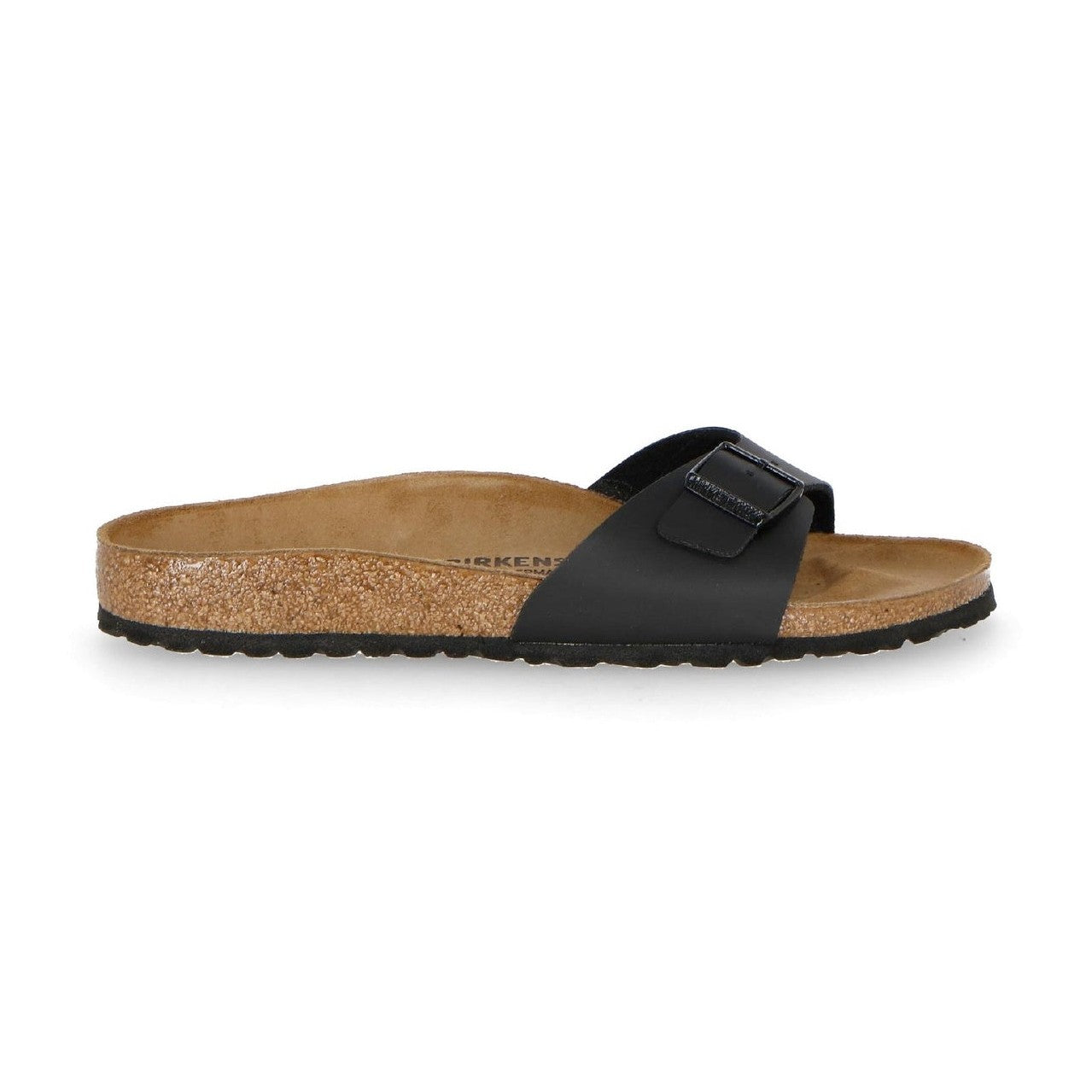
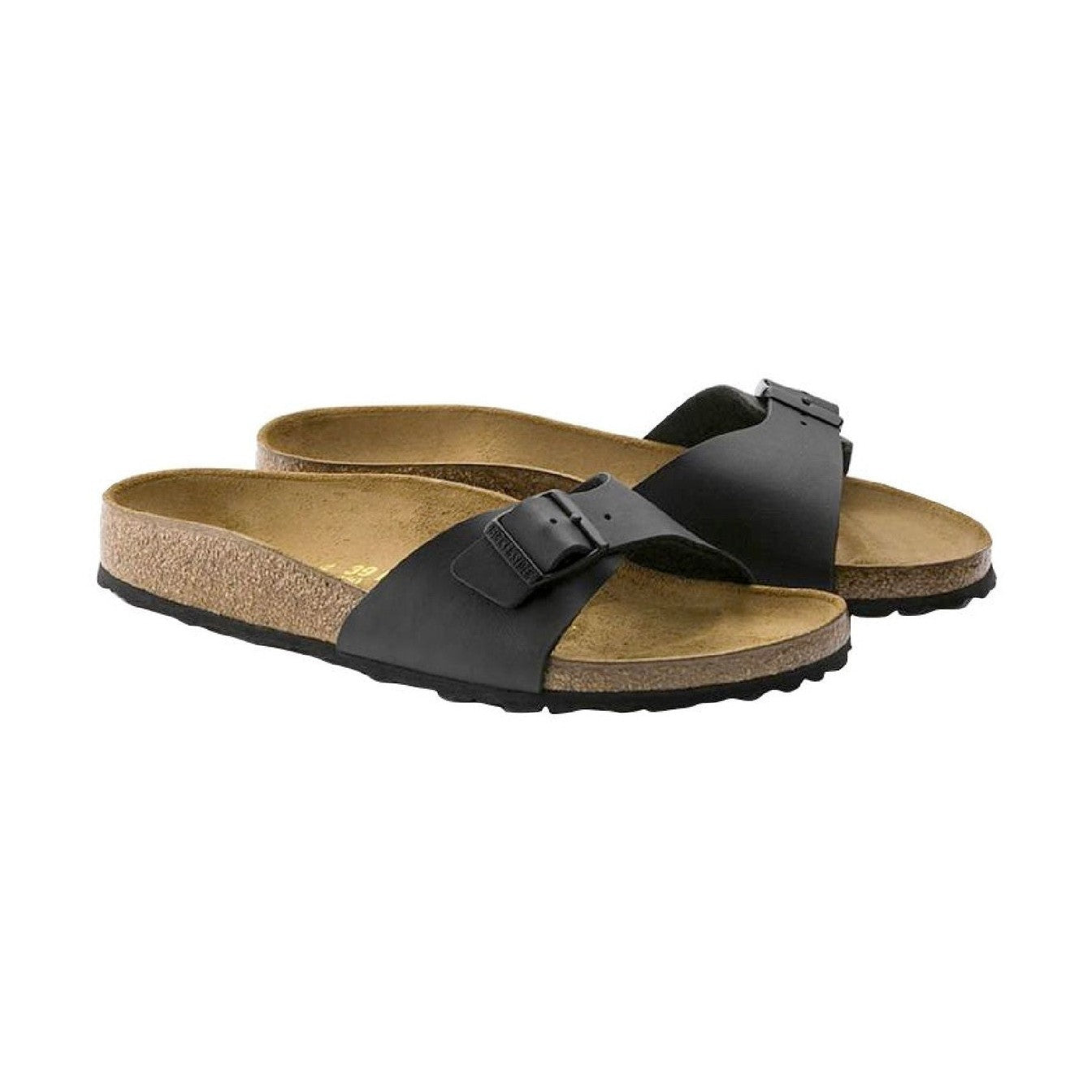
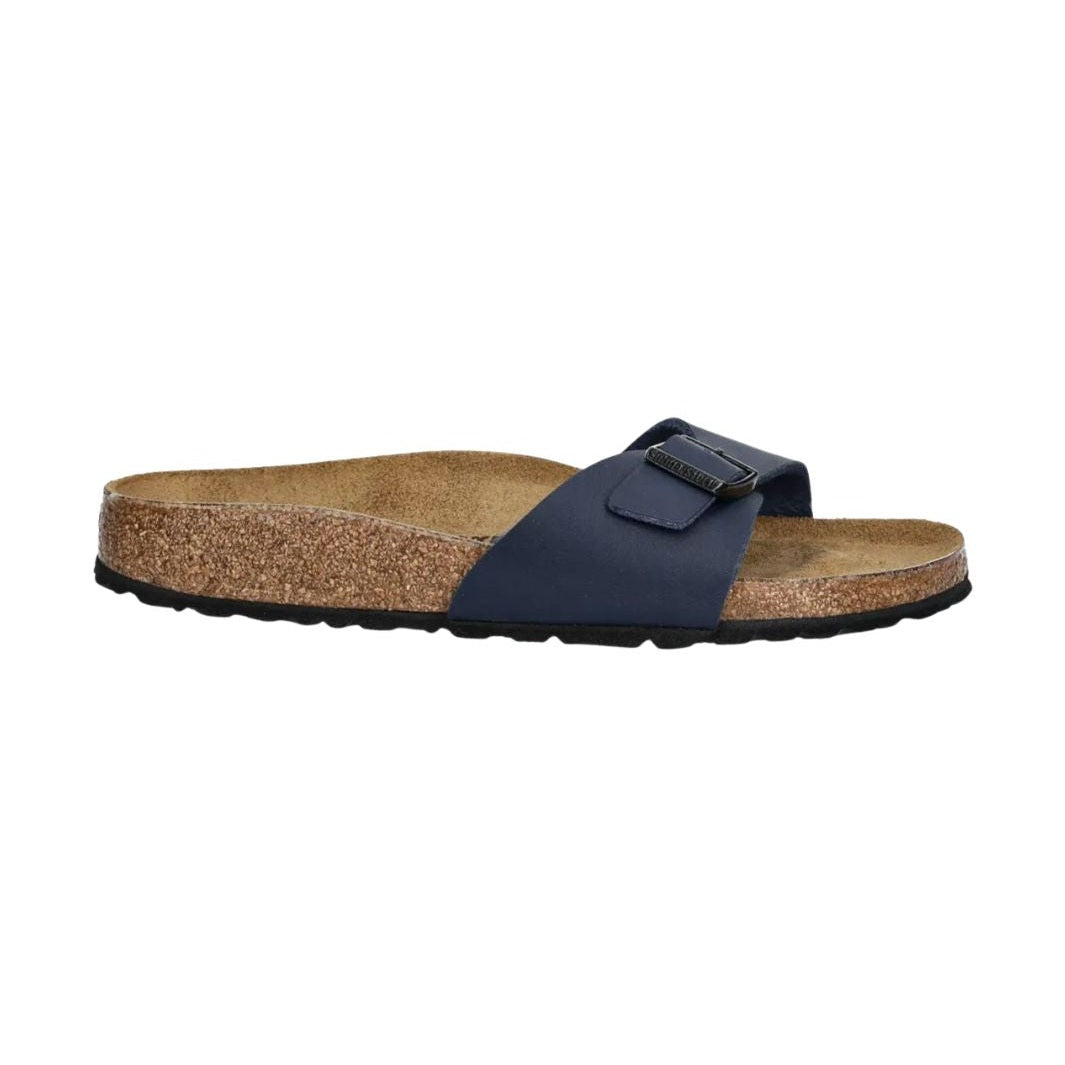
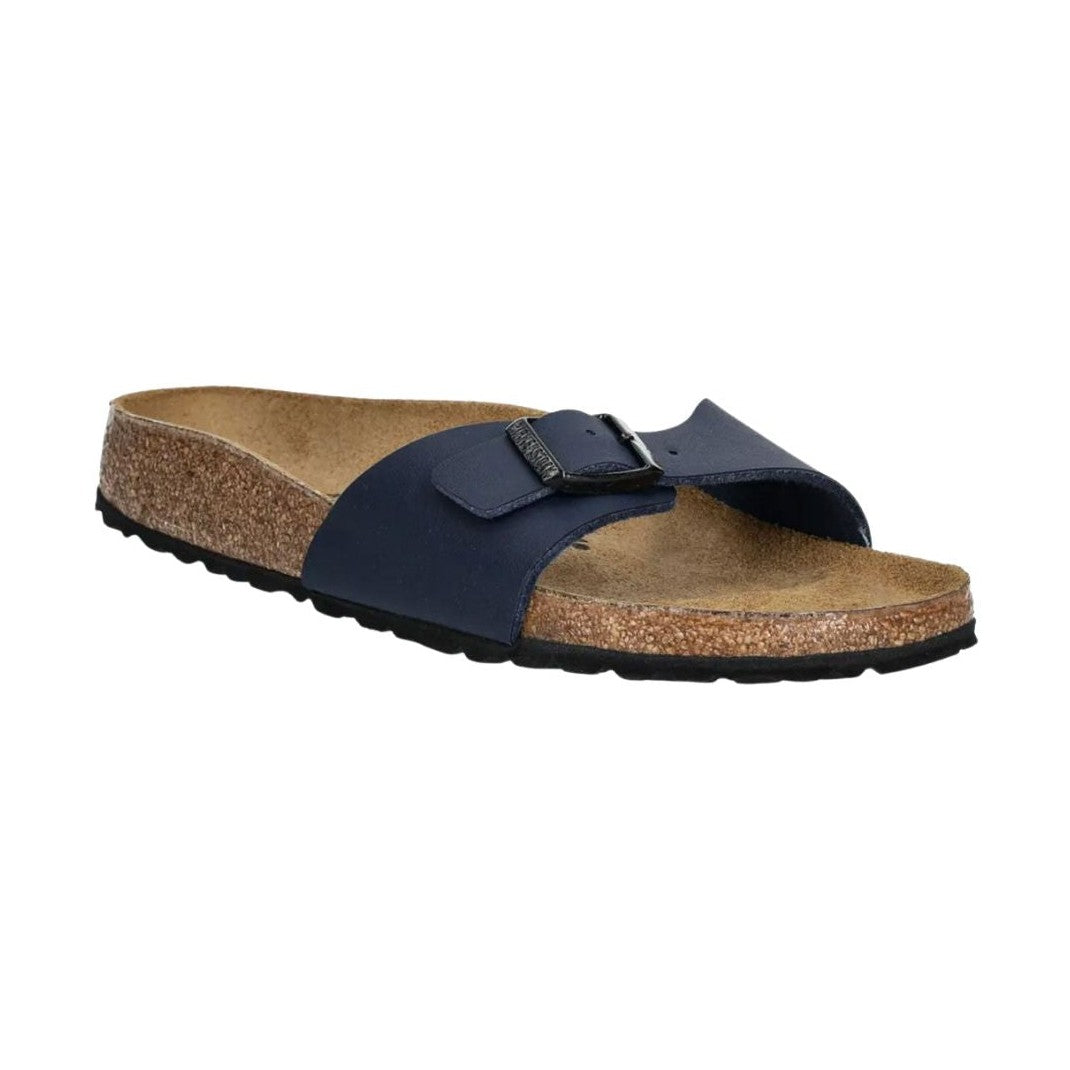
Cork : natural, breathable and waterproof, perfect for insoles and orthotics.
🍍 Alternatives to leather
For those looking for cruelty-free products, the options multiply:
-
Piñatex® : Made from pineapple leaves.
-
AppleSkin® and WineSkin® : derived from apple and grape waste.
-
Water-based PU : A leatherette that avoids toxic solvents.
🔹 How to recognize a truly green brand
It's not enough to declare yourself "eco." Serious brands offer transparency and real certifications :
-
GOTS (Global Organic Textile Standard) for organic fabrics.
-
GRS (Global Recycled Standard) for recycled materials.
-
PETA-Approved Vegan to ensure the absence of animal materials.
A sustainable brand explains where it produces, with which materials, and according to which ethical standards.
Be wary of sites that talk about “eco” without providing evidence.
🔹 Practical tips for informed purchasing in 2025
-
Choose shoes that are made to last , with sturdy stitching and repairable soles.
-
Choose models with certified materials and European production.
-
Consider the entire life cycle: a quality shoe reduces waste and long-term impact.
-
Beware of “greenwashing”: always check labels and brand transparency.
🌎 Conclusion: Every step can make a difference
Choosing sustainable shoes today means contributing to a cleaner and more responsible future.
You don't have to be perfect: just start with awareness.
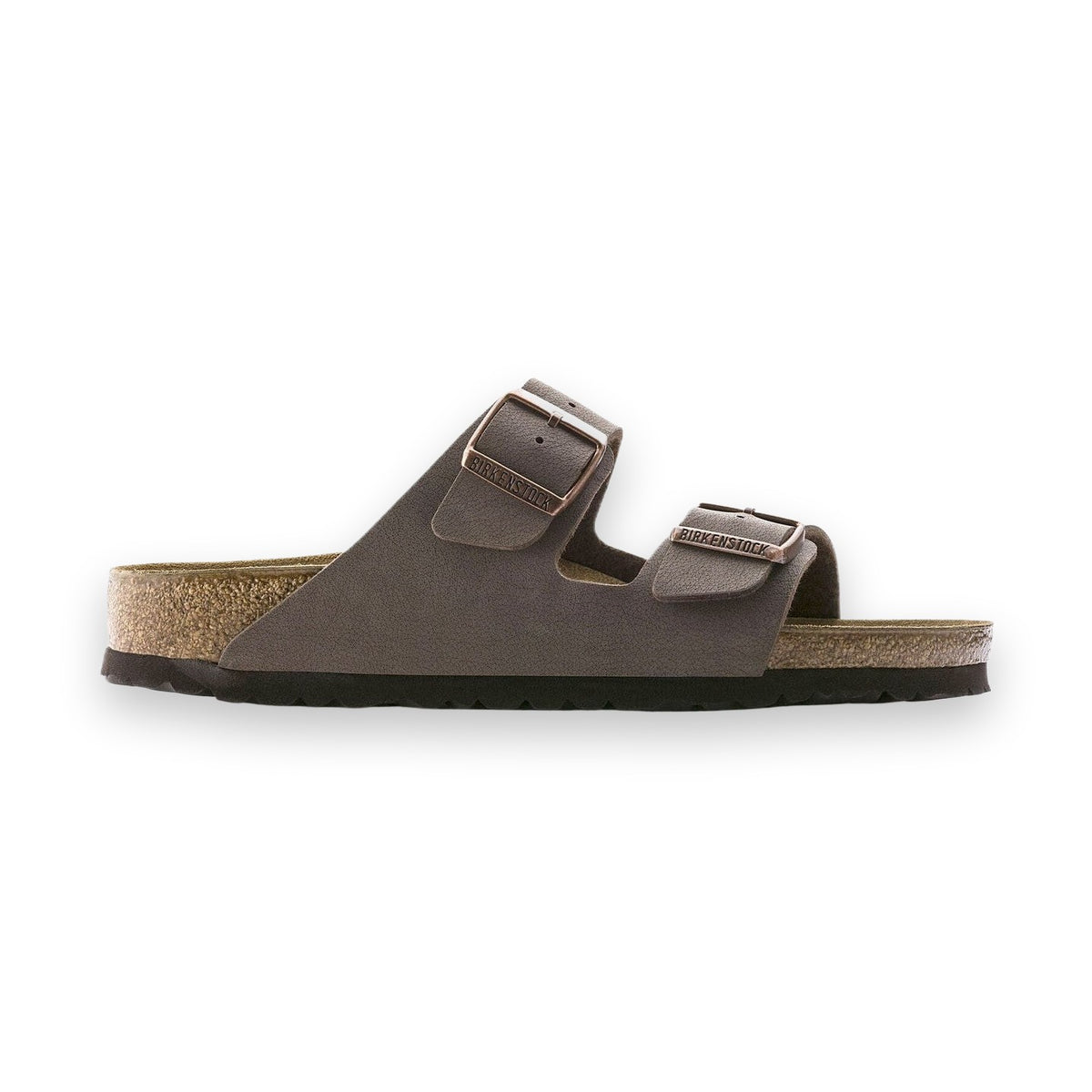
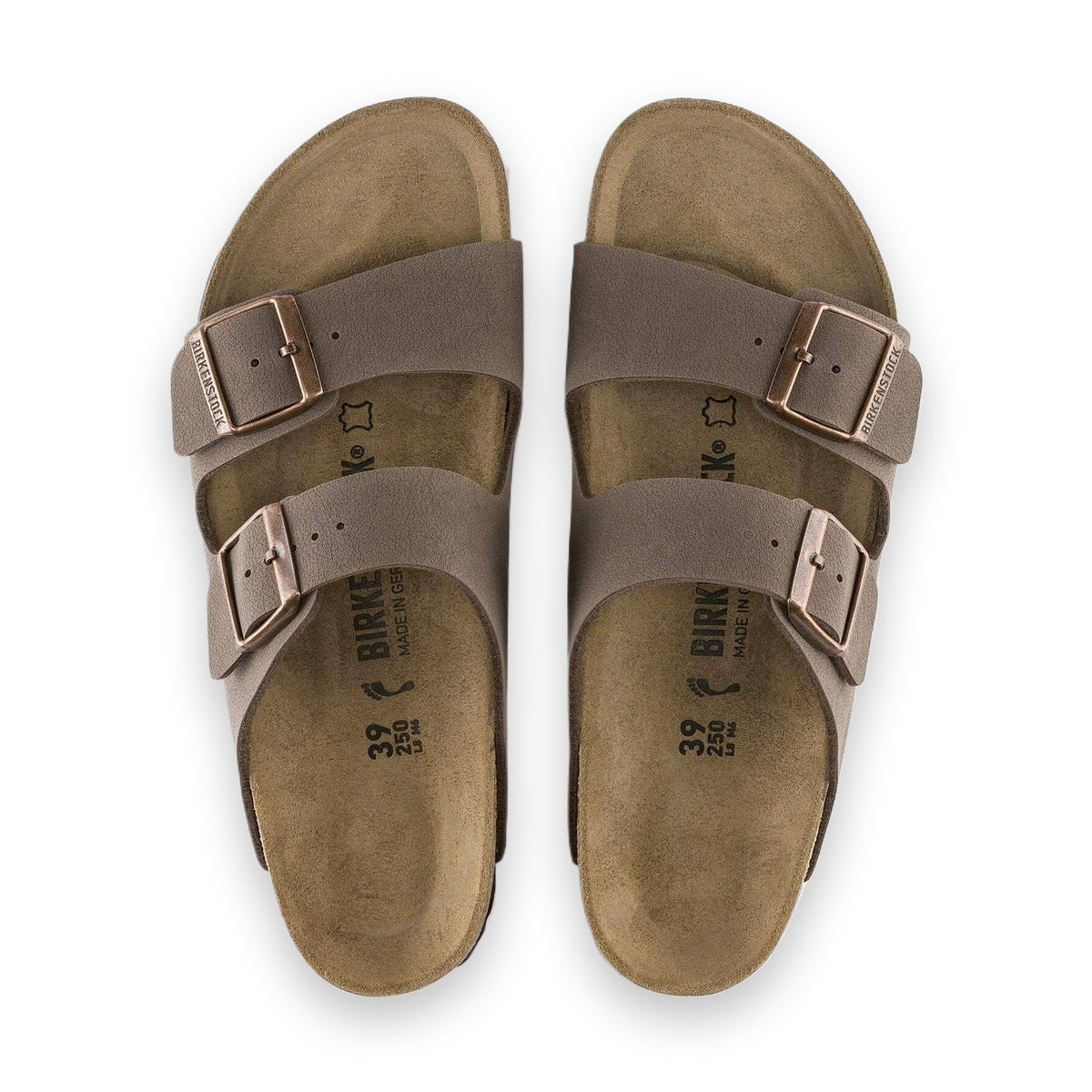
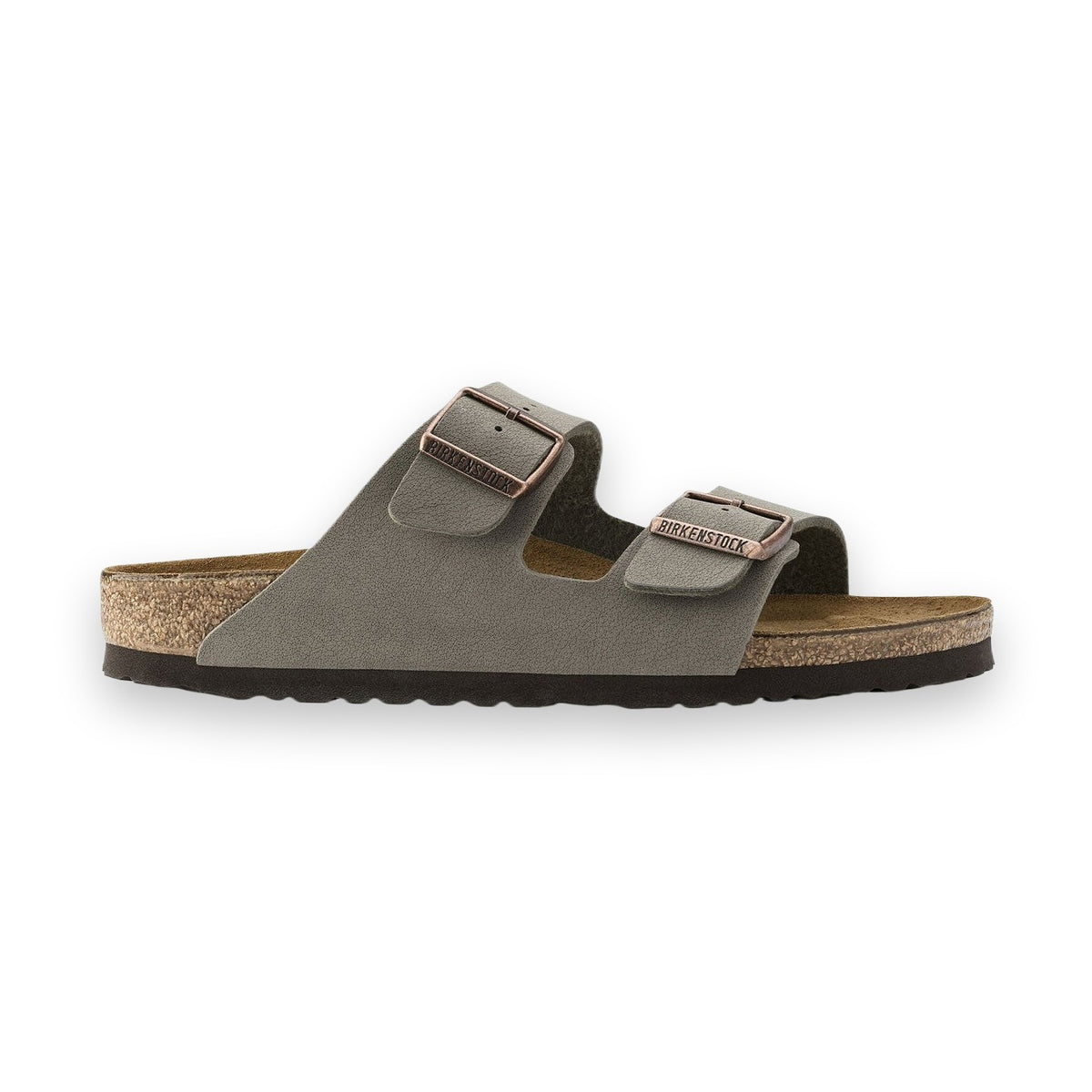
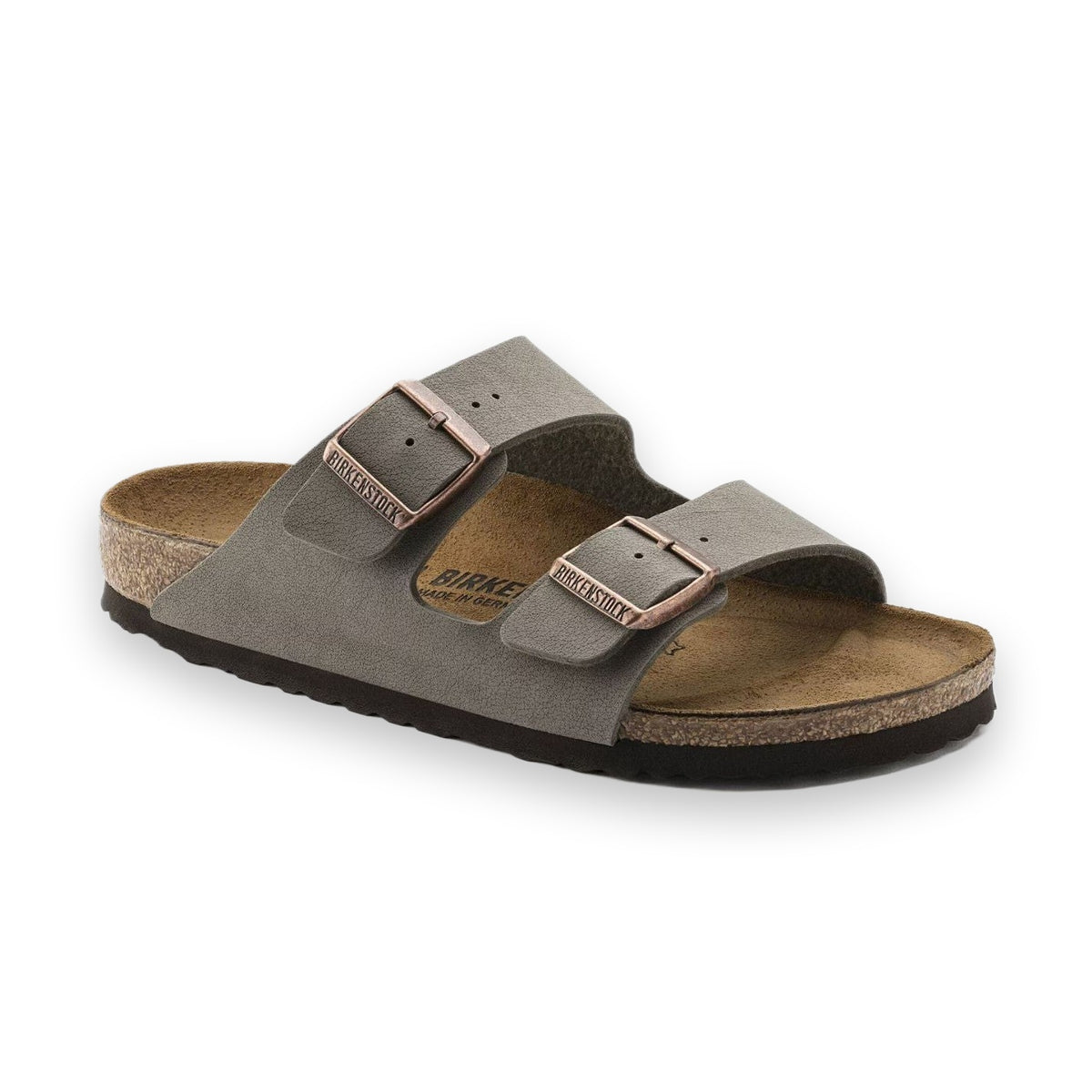
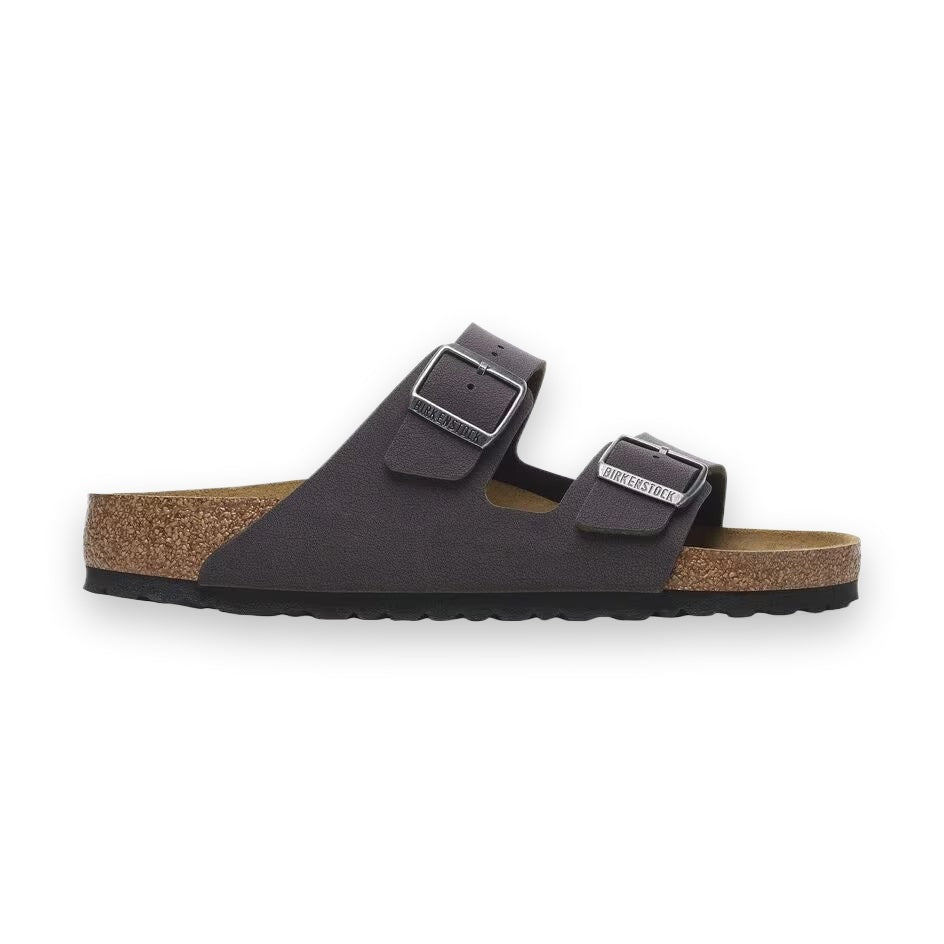
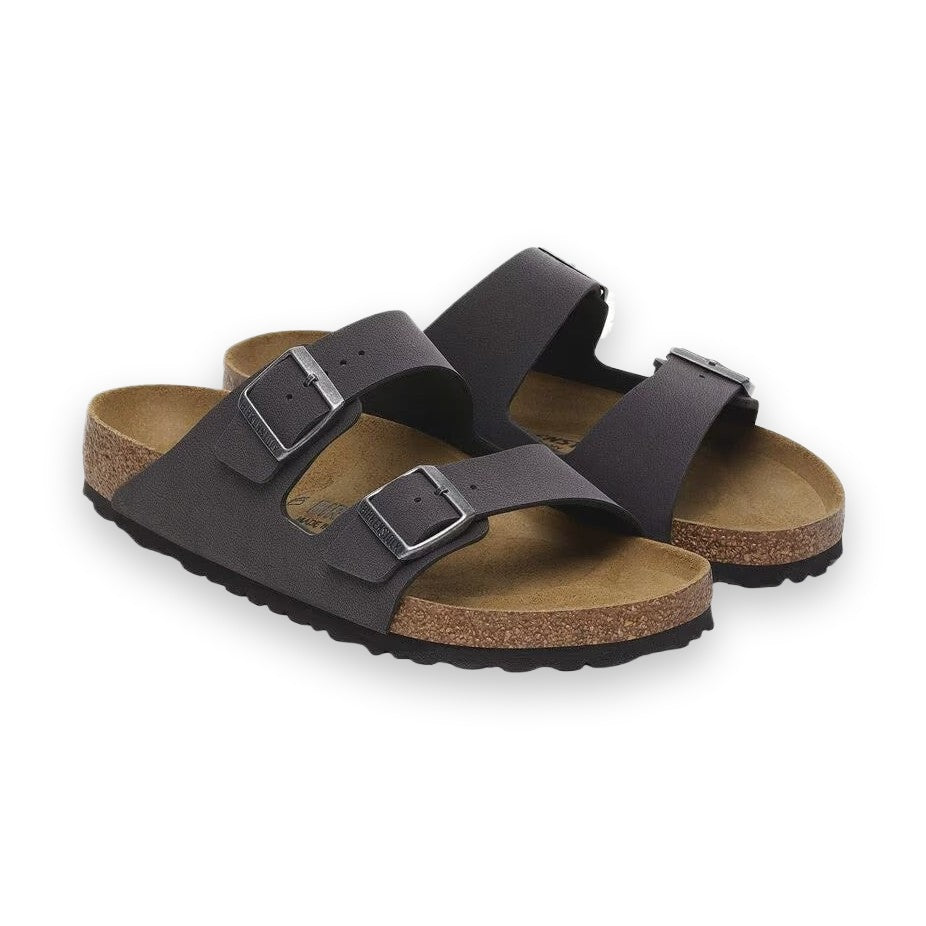
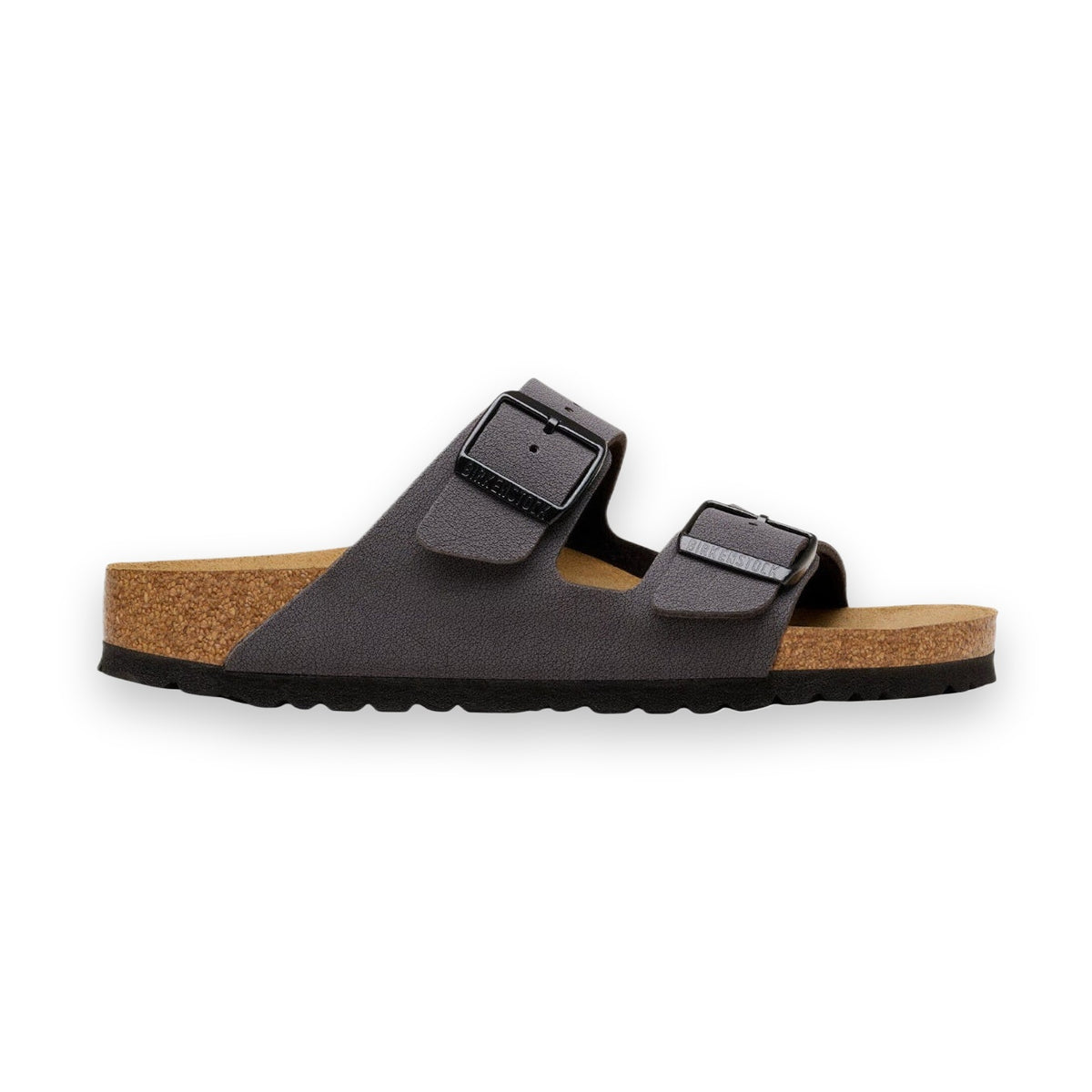
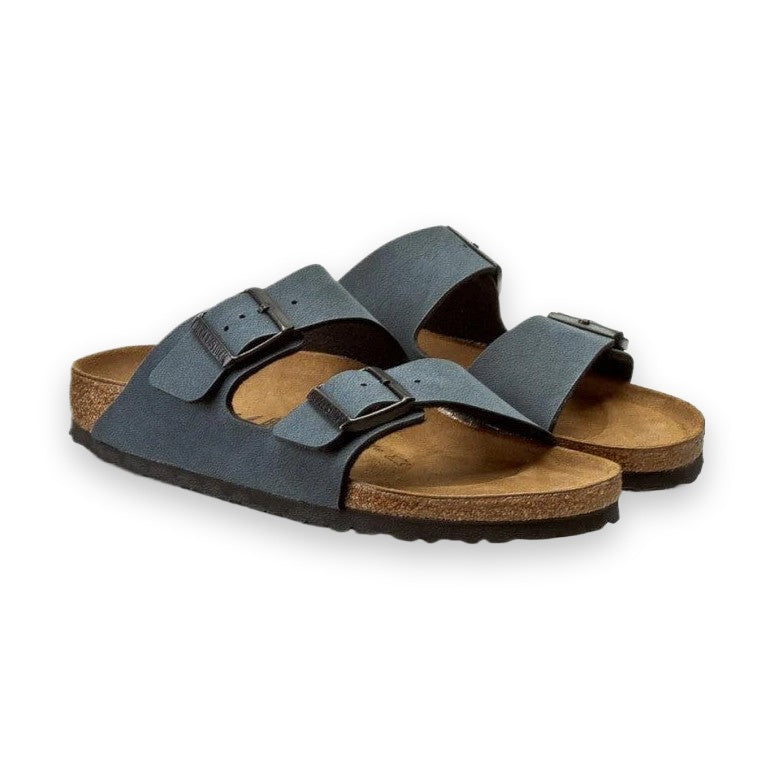
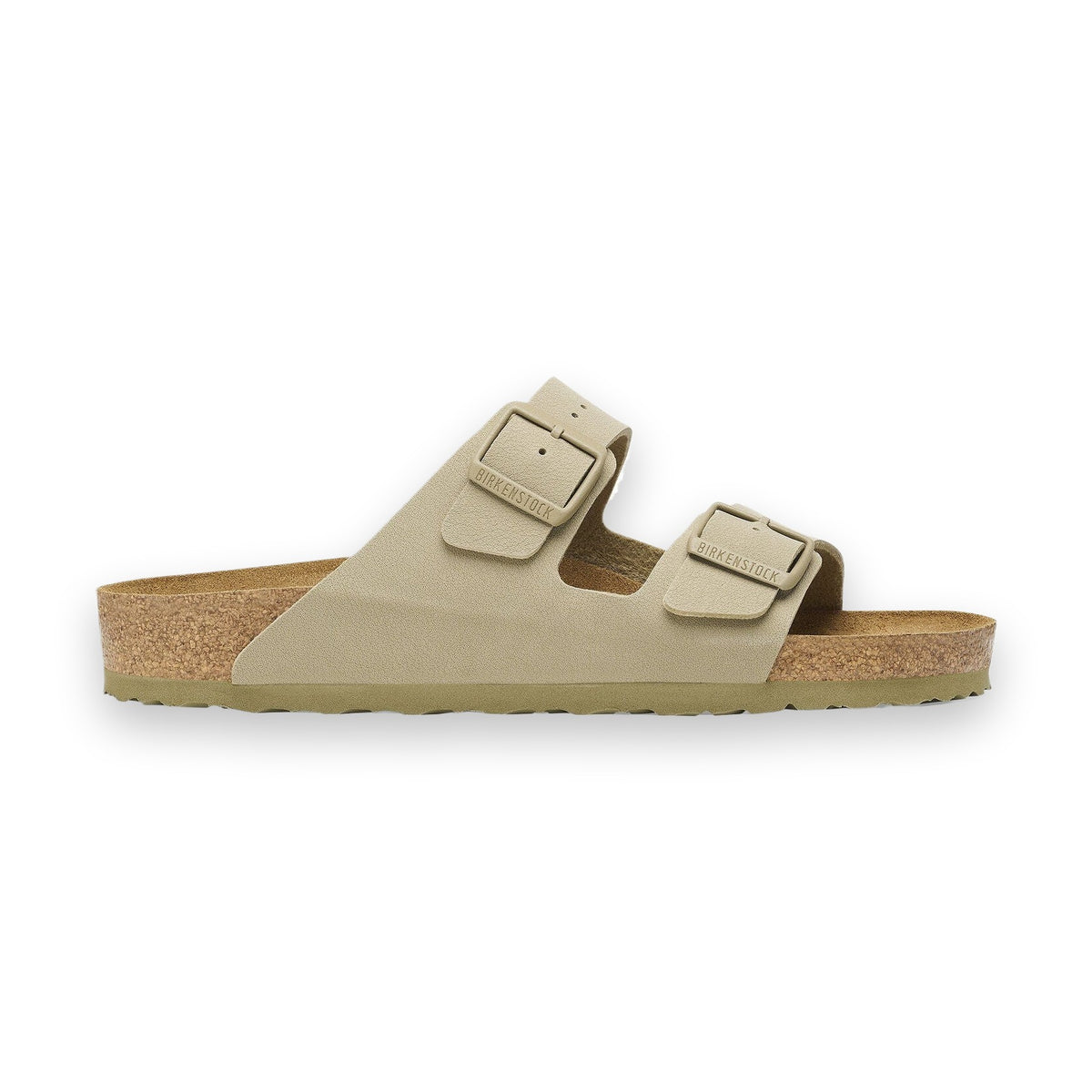
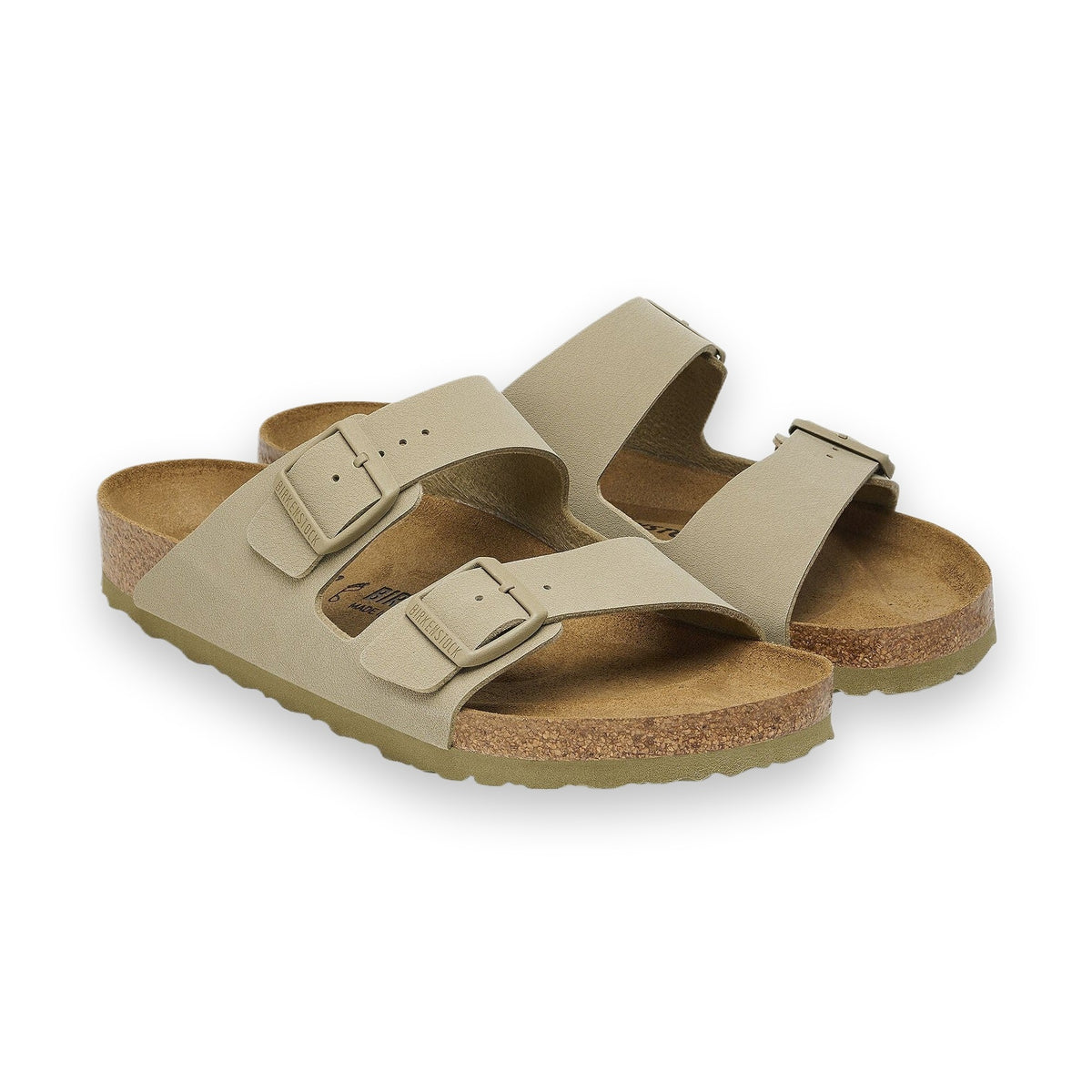
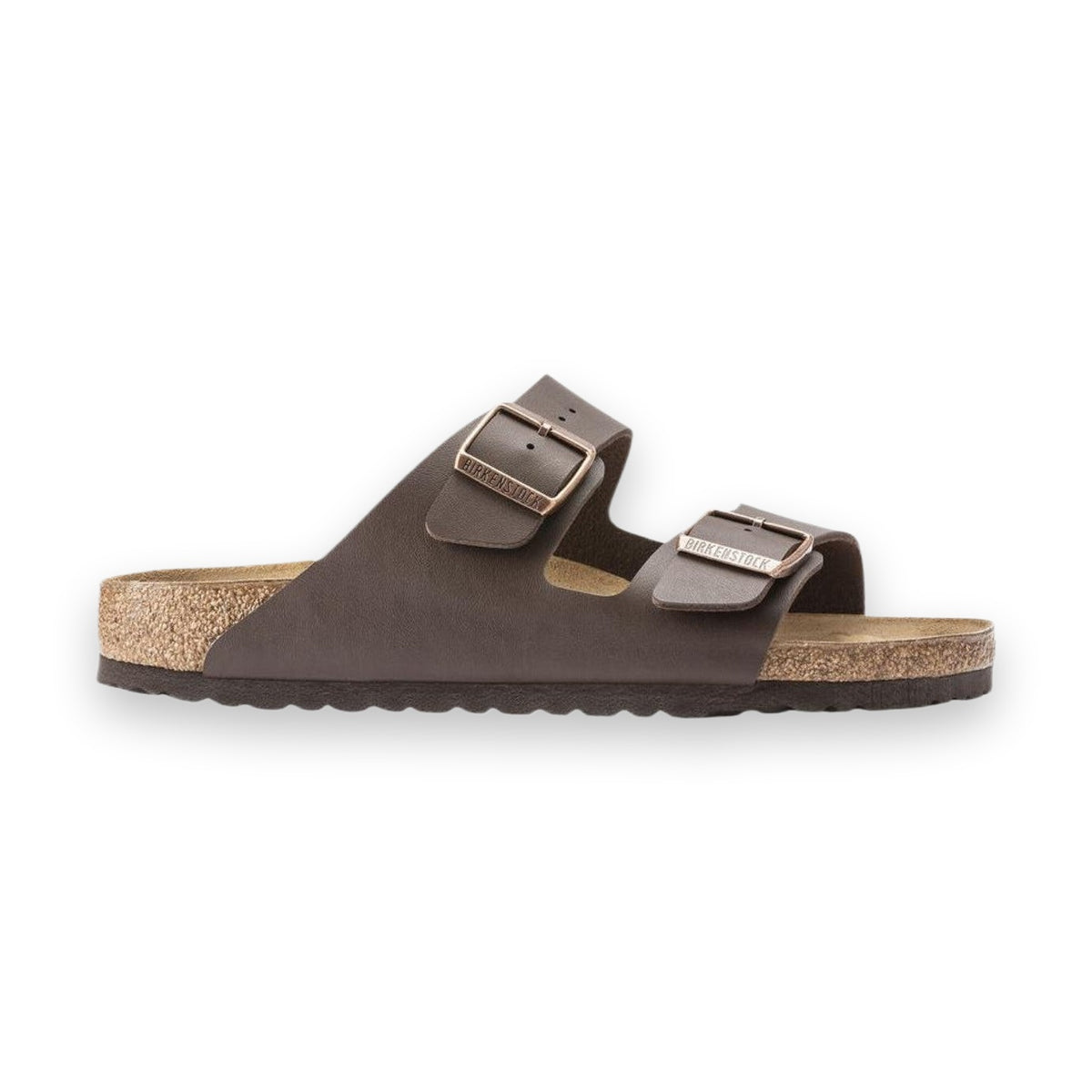
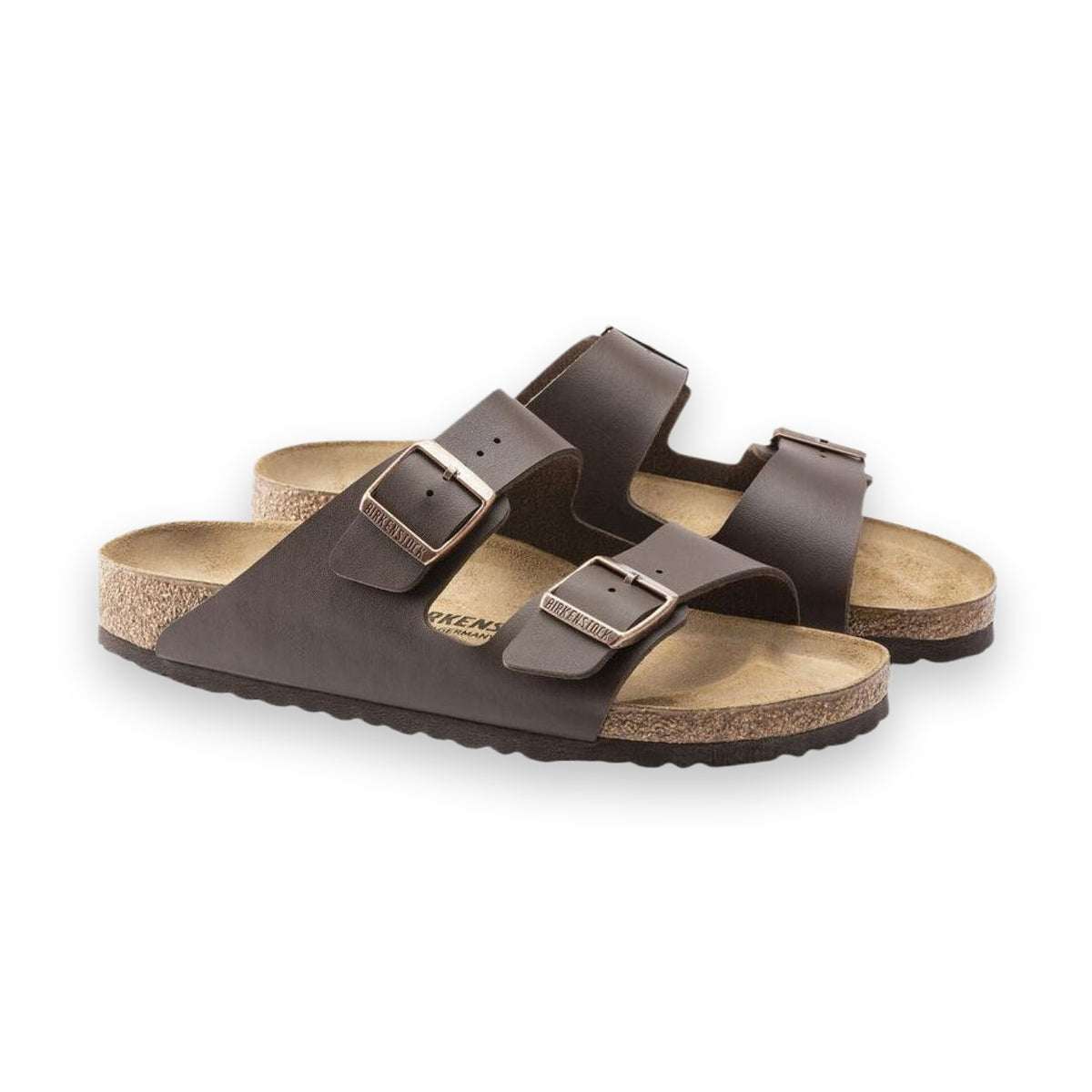
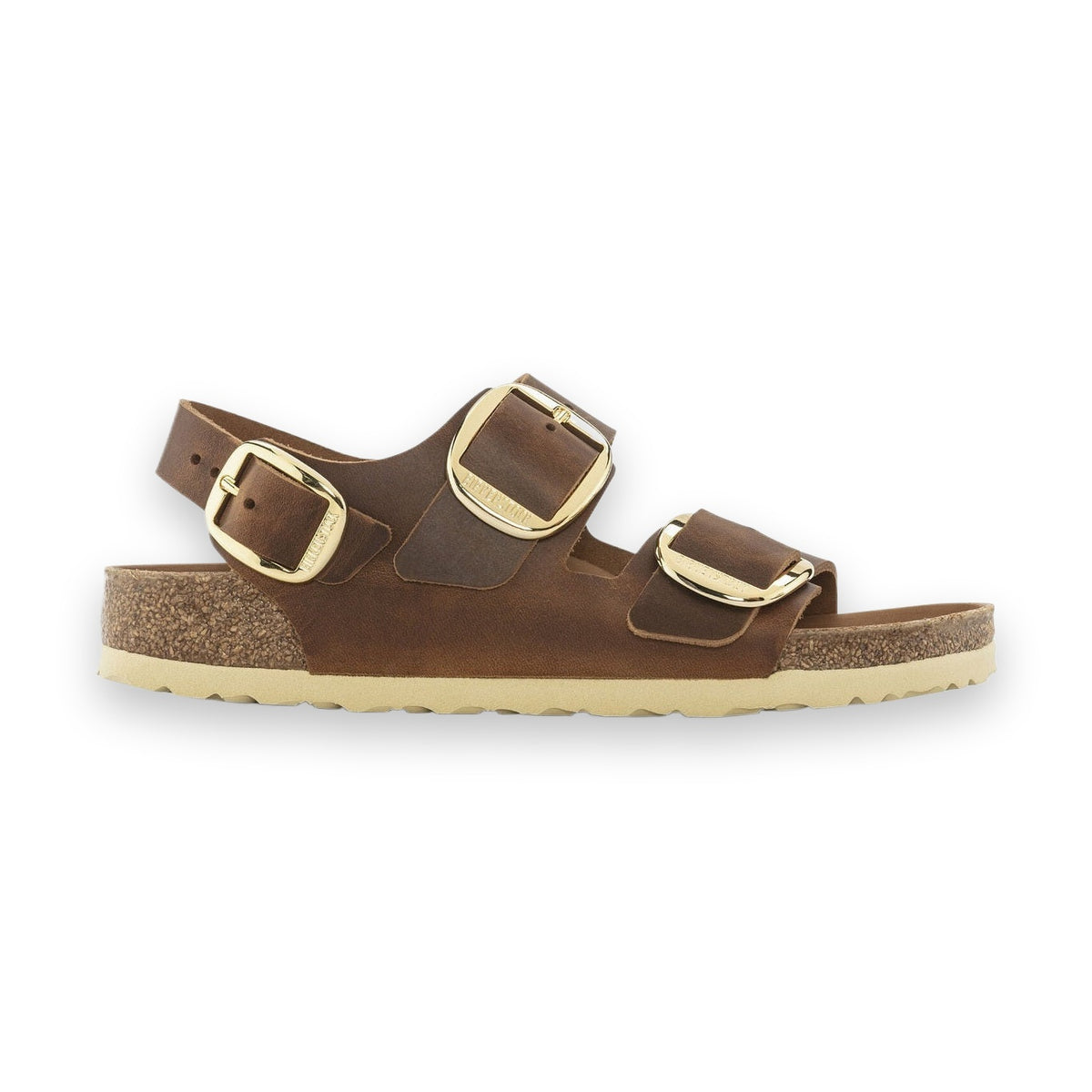
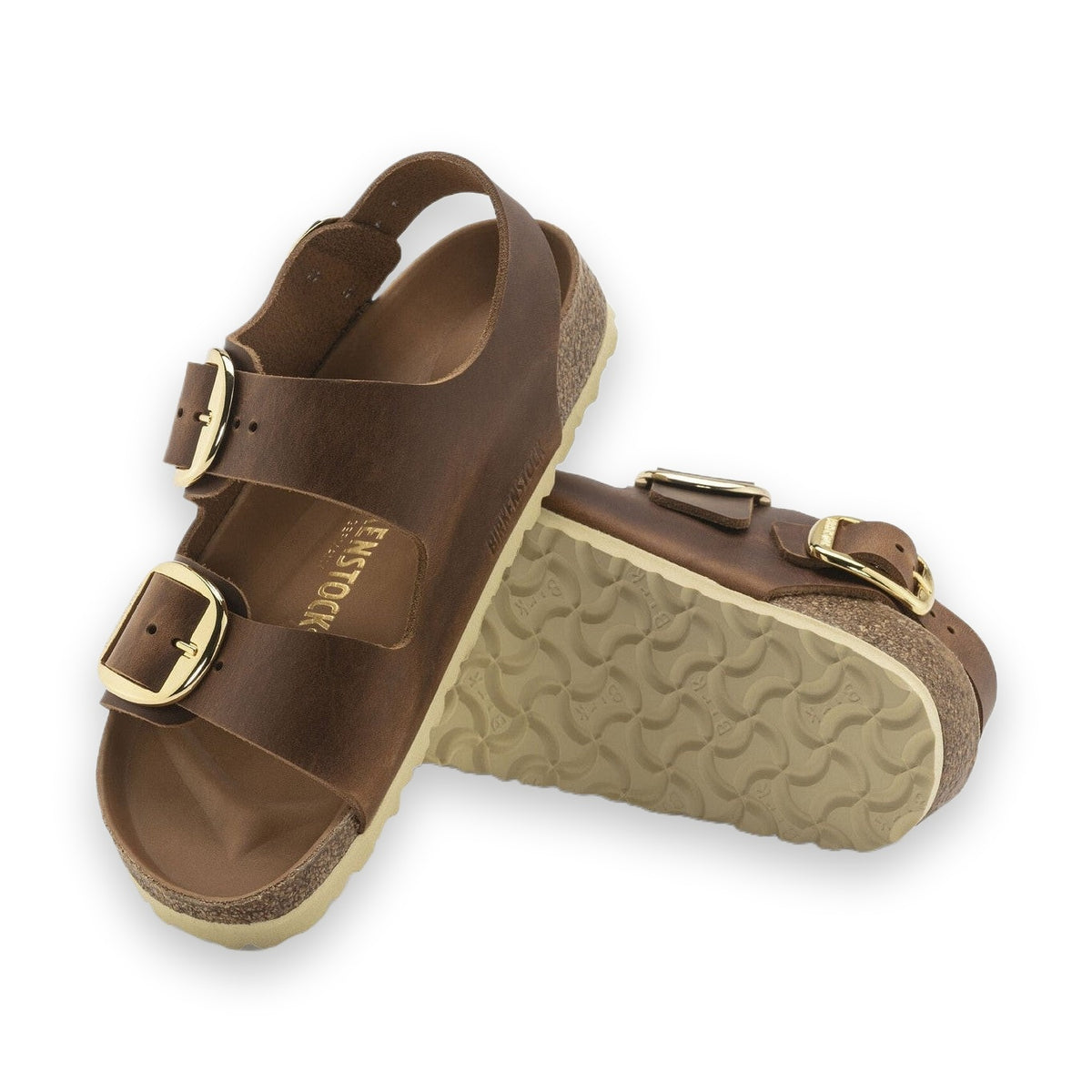
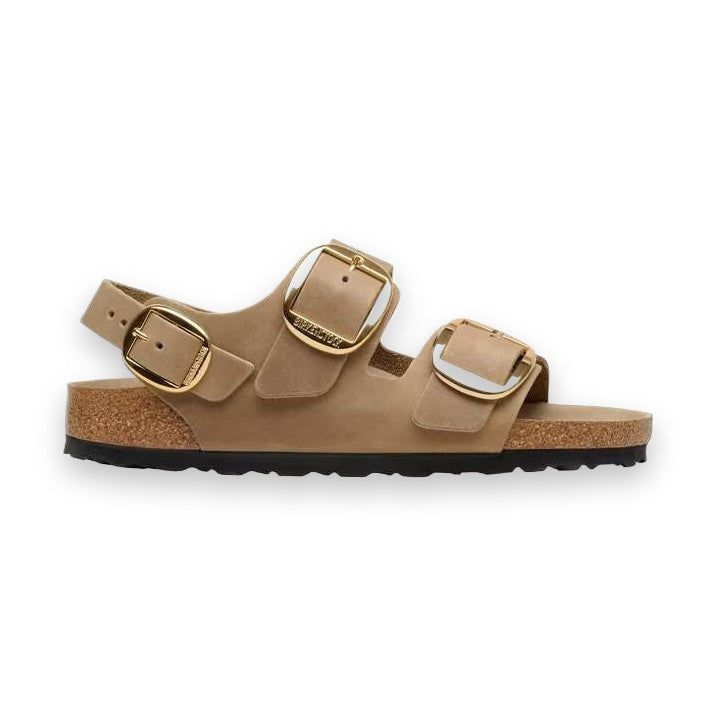
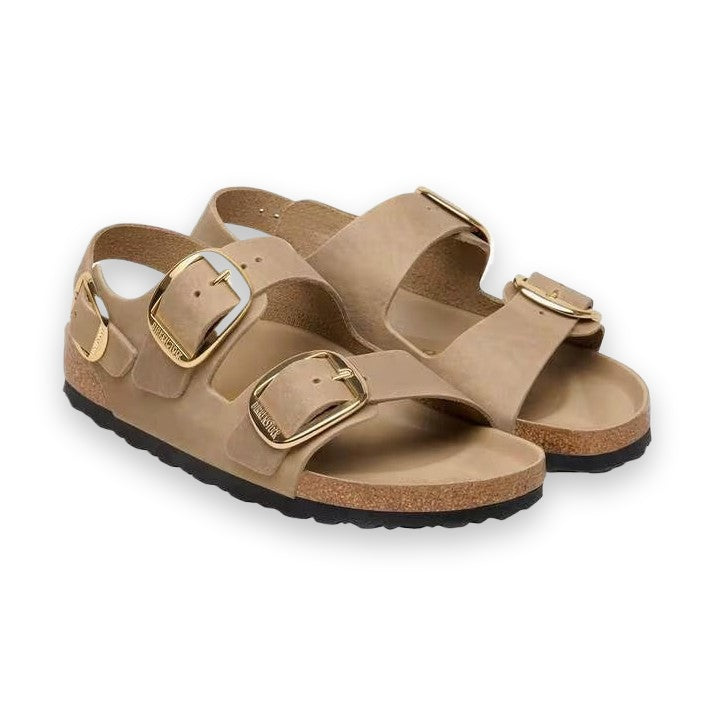
Discover Natural Shoes ' selection of eco-friendly sneakers, sandals, and boots , made with certified recycled and vegan materials.
👉 Explore the sustainable collection https://www.naturalshoes.it/collections/ecoalf-1