
Have you ever ended a day with sore feet, swearing never to wear those shoes again? It's a feeling you can avoid, and it often comes down to a rushed choice.
Choosing a comfortable shoe doesn't mean giving up on style. It means knowing what to look for: the right materials, the right sole, the support your foot deserves. In this guide we explain what to evaluate, component by component, to find the right shoe for your daily life.
What makes a shoe truly comfortable?
Comfort isn't a marketing promise: it's the result of precise choices in materials, construction and fit.
The sole
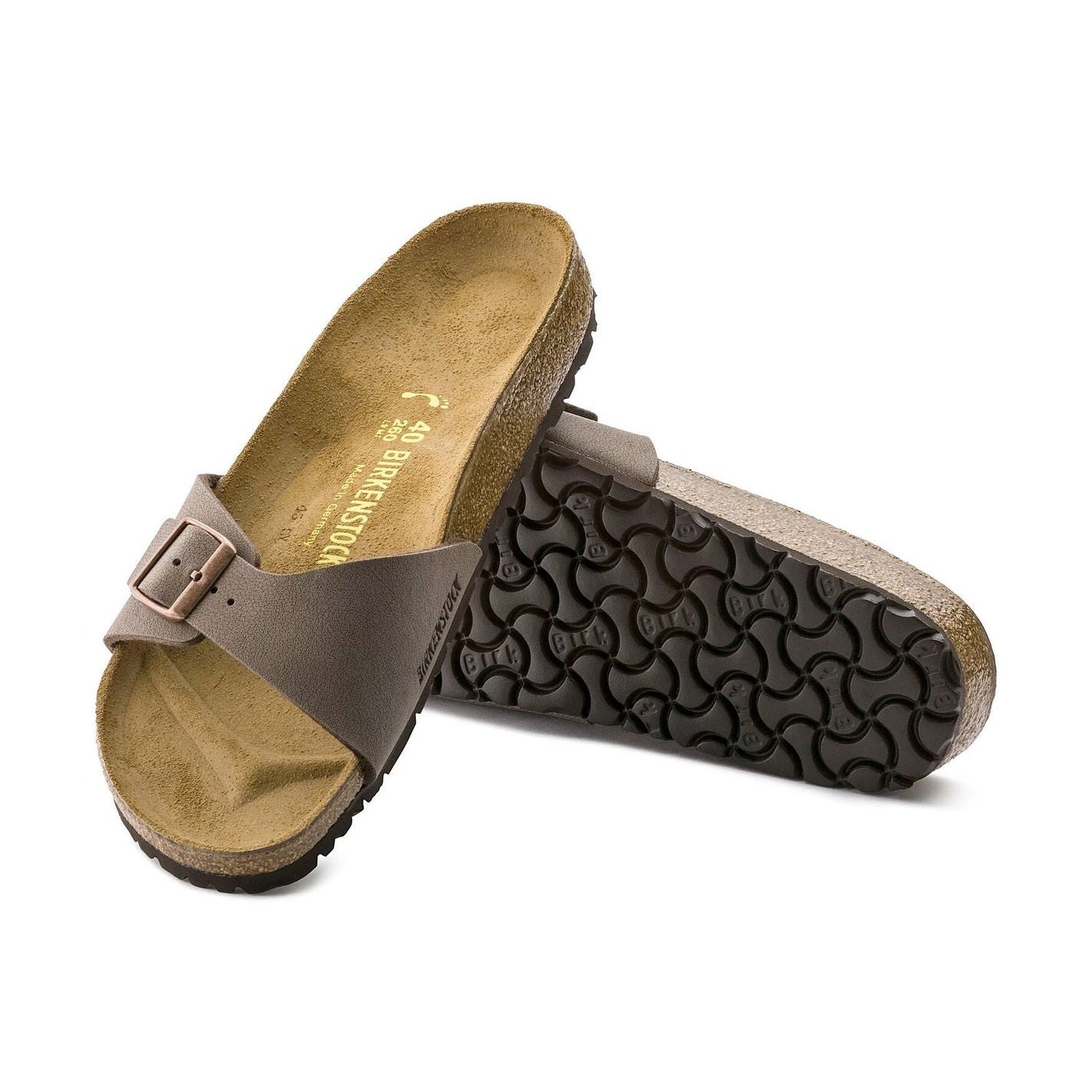
A good sole absorbs impact, ensures stability and doesn't tire the foot over time. Rubber soles or those made of flexible materials are generally the most suitable for prolonged use. Avoid soles that are too rigid or completely flat if you have to walk for a long time.
The insole
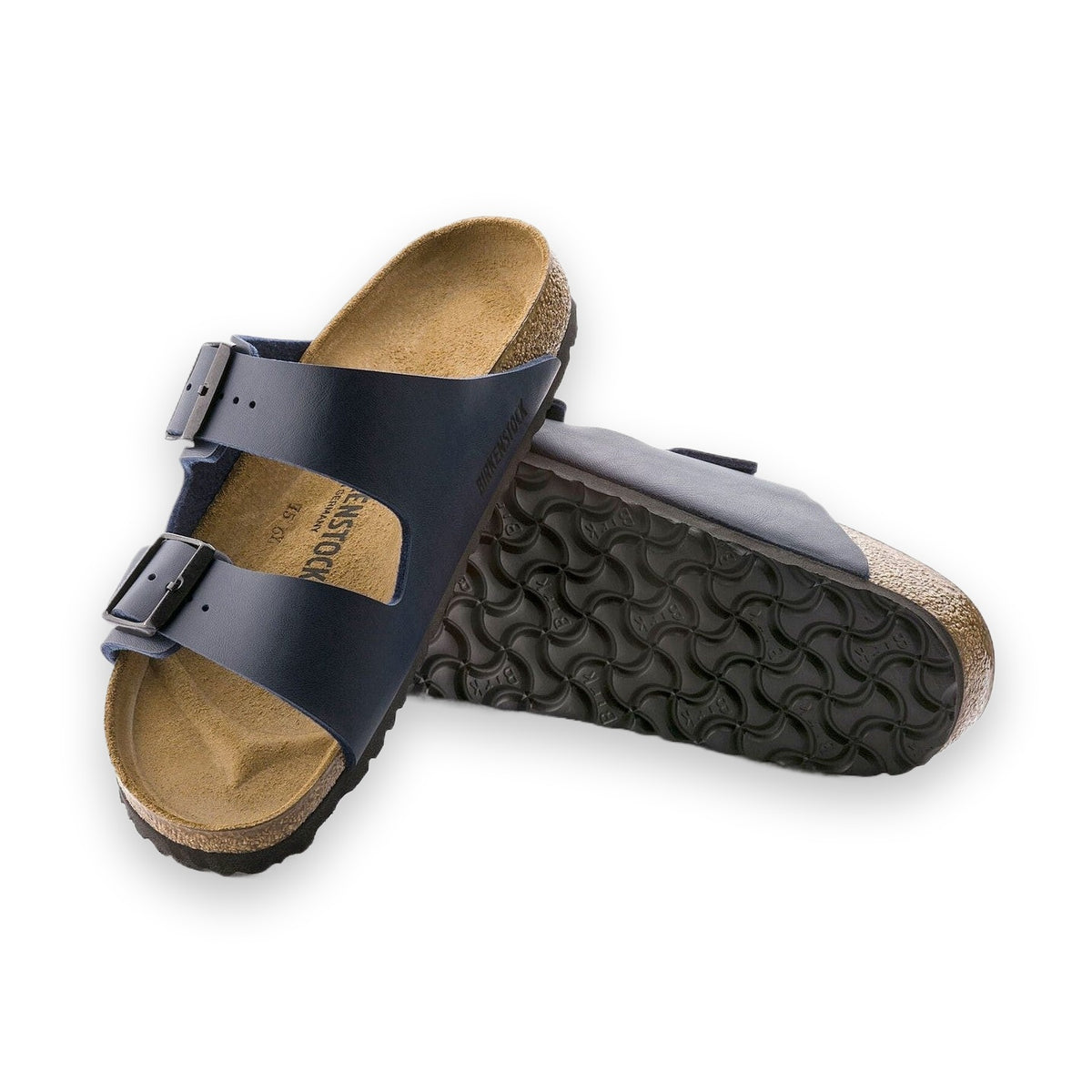
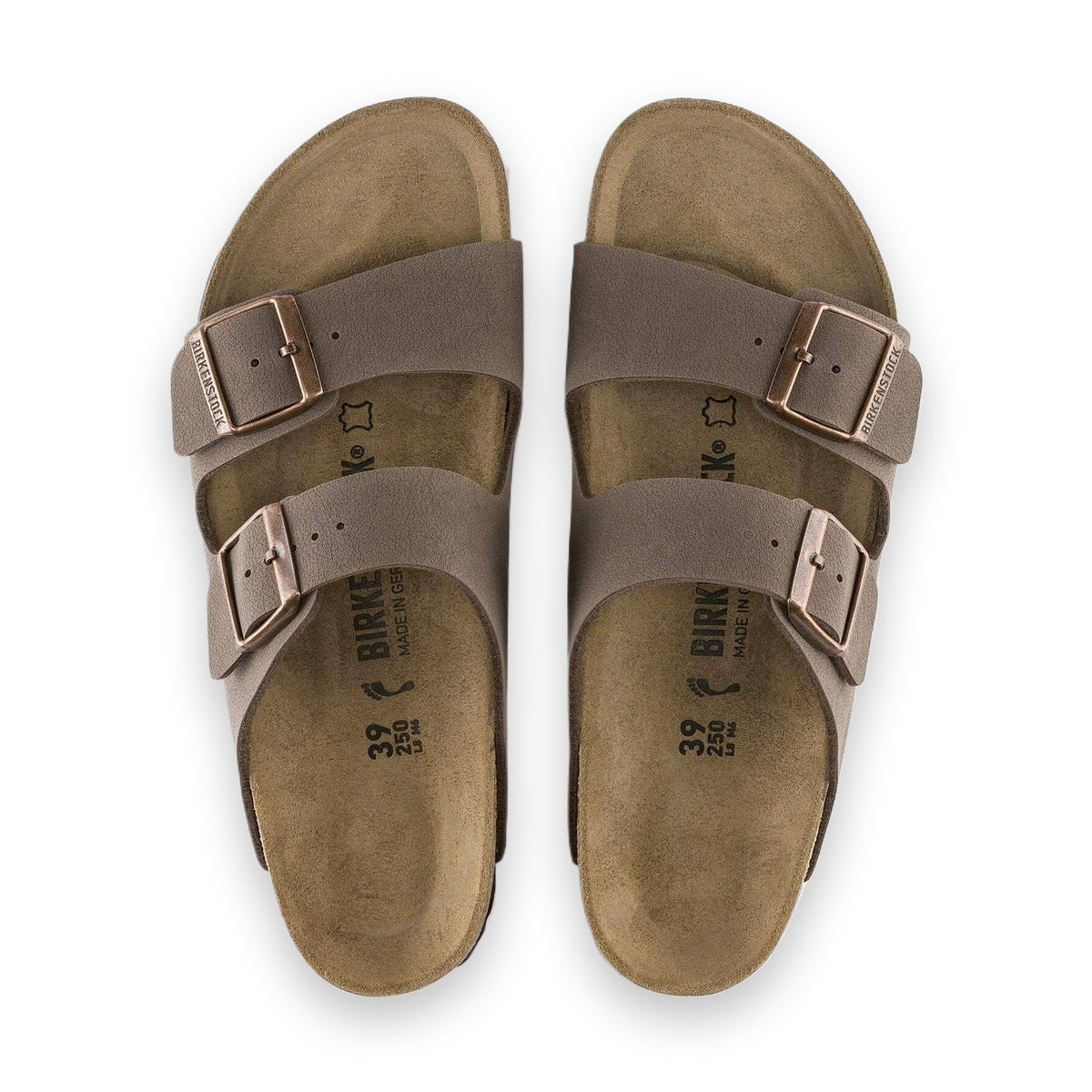
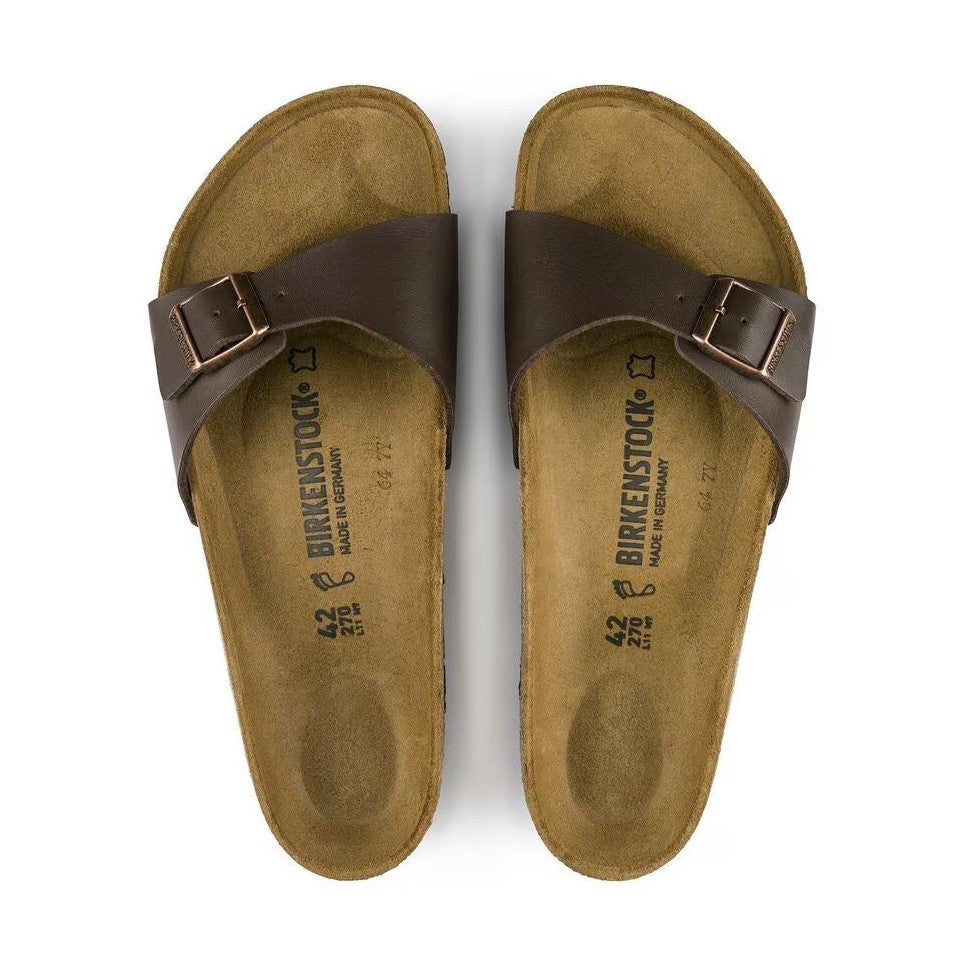
The internal insole supports the arch of the foot and distributes weight evenly. Anatomical insoles, shaped to follow the contour of the foot, offer better support than flat ones. Materials like memory foam or natural latex gradually mould to the shape of the foot over time.
The upper
An upper in leather, nubuck or breathable materials allows the foot to breathe during long days. Flexibility is equally important: it must follow the natural movement of the foot without squeezing.
The fit
A comfortable shoe must have enough room for the toes, but must not slip at the heel. An imprecise fit is the leading cause of blisters and pain, regardless of the quality of the shoe.
Sneakers, sandals or clogs: which type to choose?
The right type of shoe depends on how you use it. Here are the main differences in terms of functional comfort.
Sneakers
Sneakers are the most versatile choice for those who walk a lot around the city. They offer cushioning, lateral support and an upper that wraps the foot on all sides. They are suitable for long, varied days, with changing surfaces.
When choosing a sneaker for comfort, look for: a sole with good cushioning (not too flat), a removable insole, an upper in breathable materials, and a construction that isn't excessively rigid in the front area.
Sandals
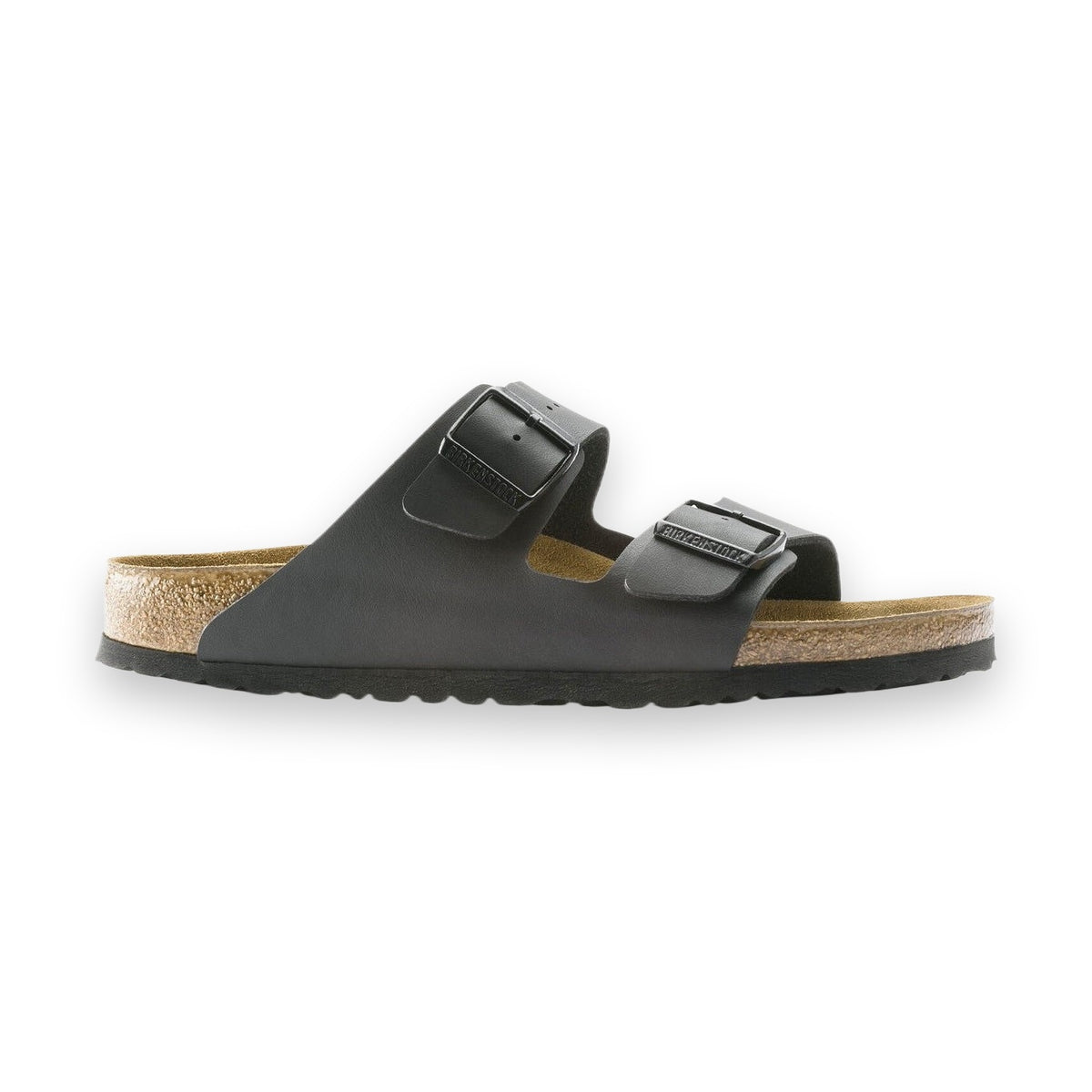
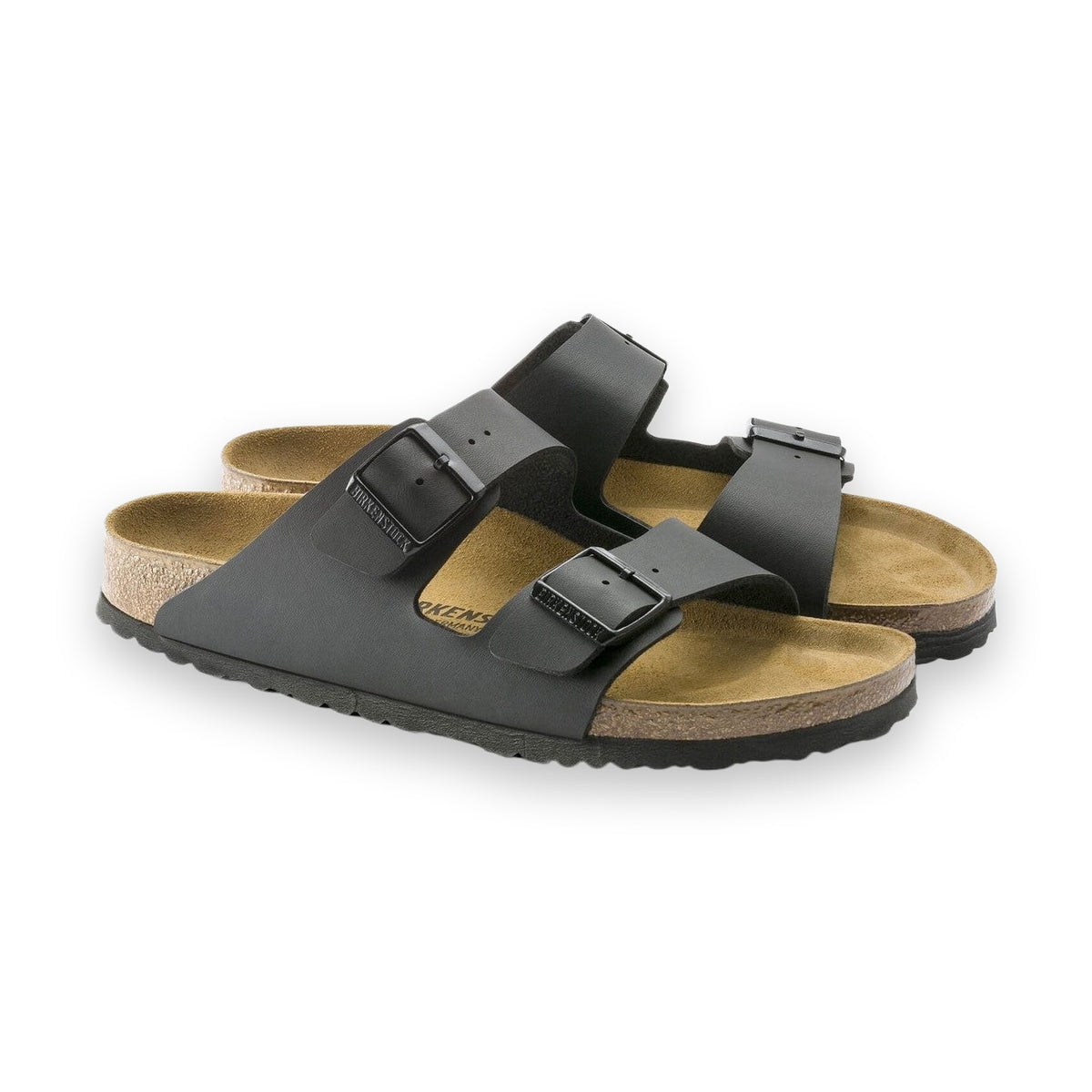
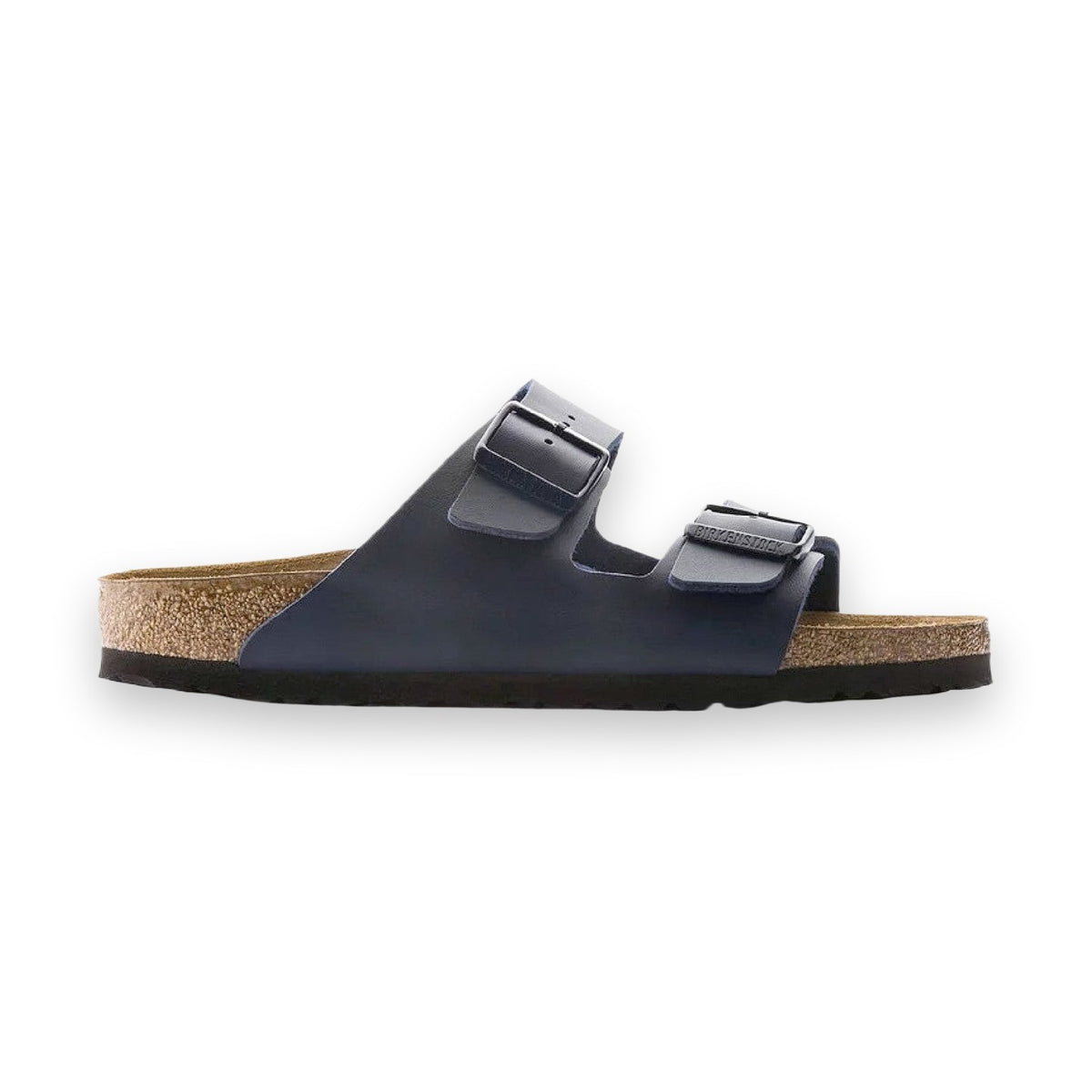
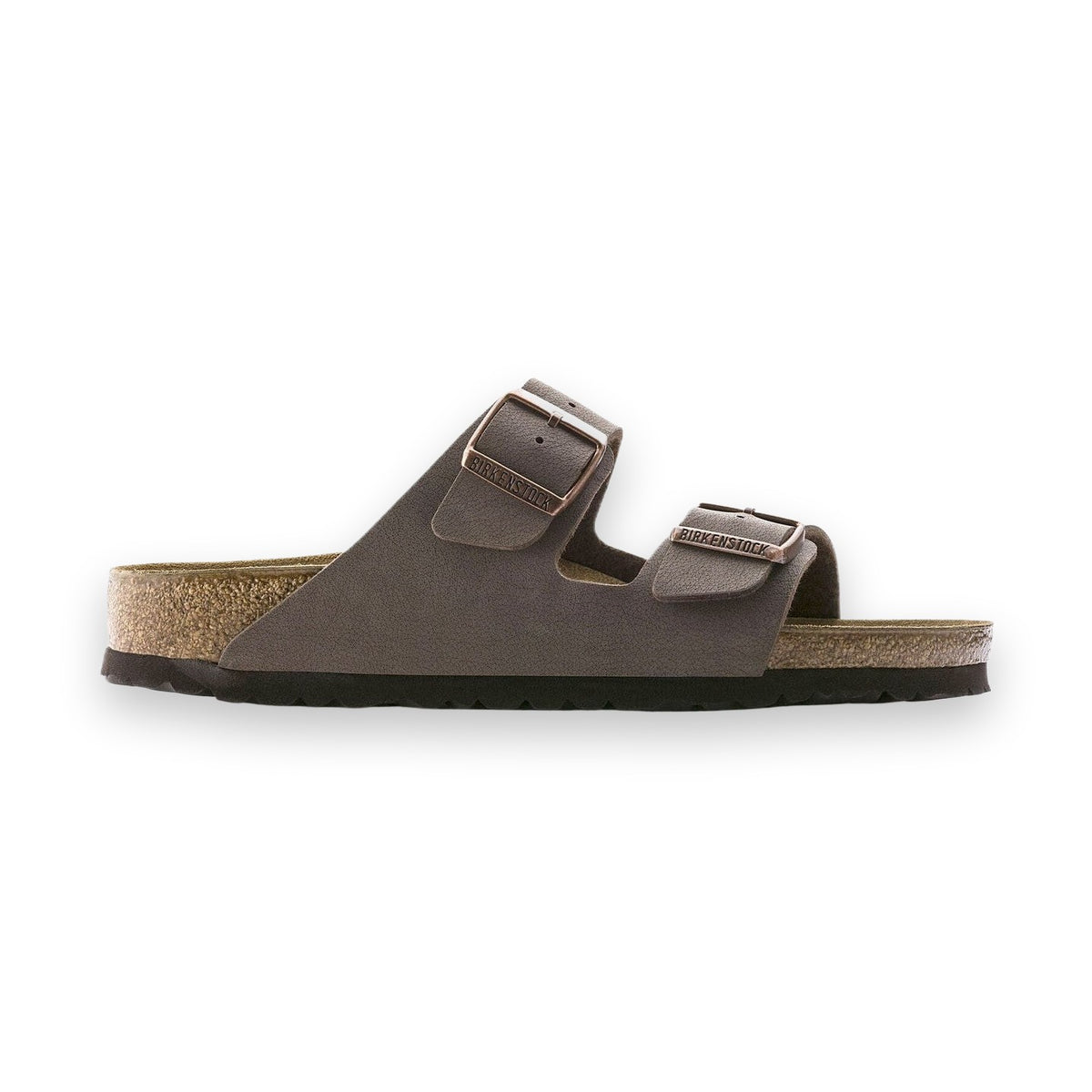
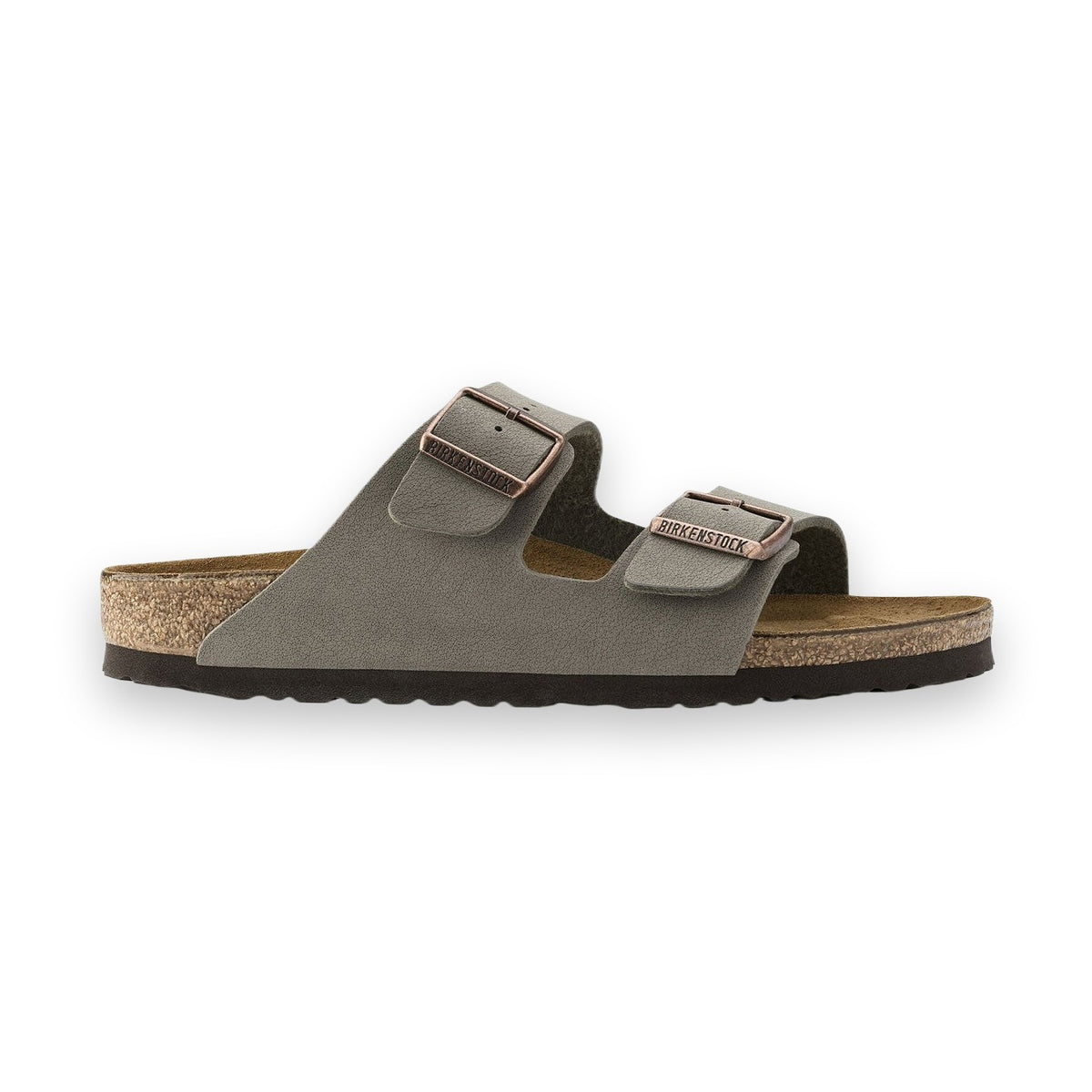
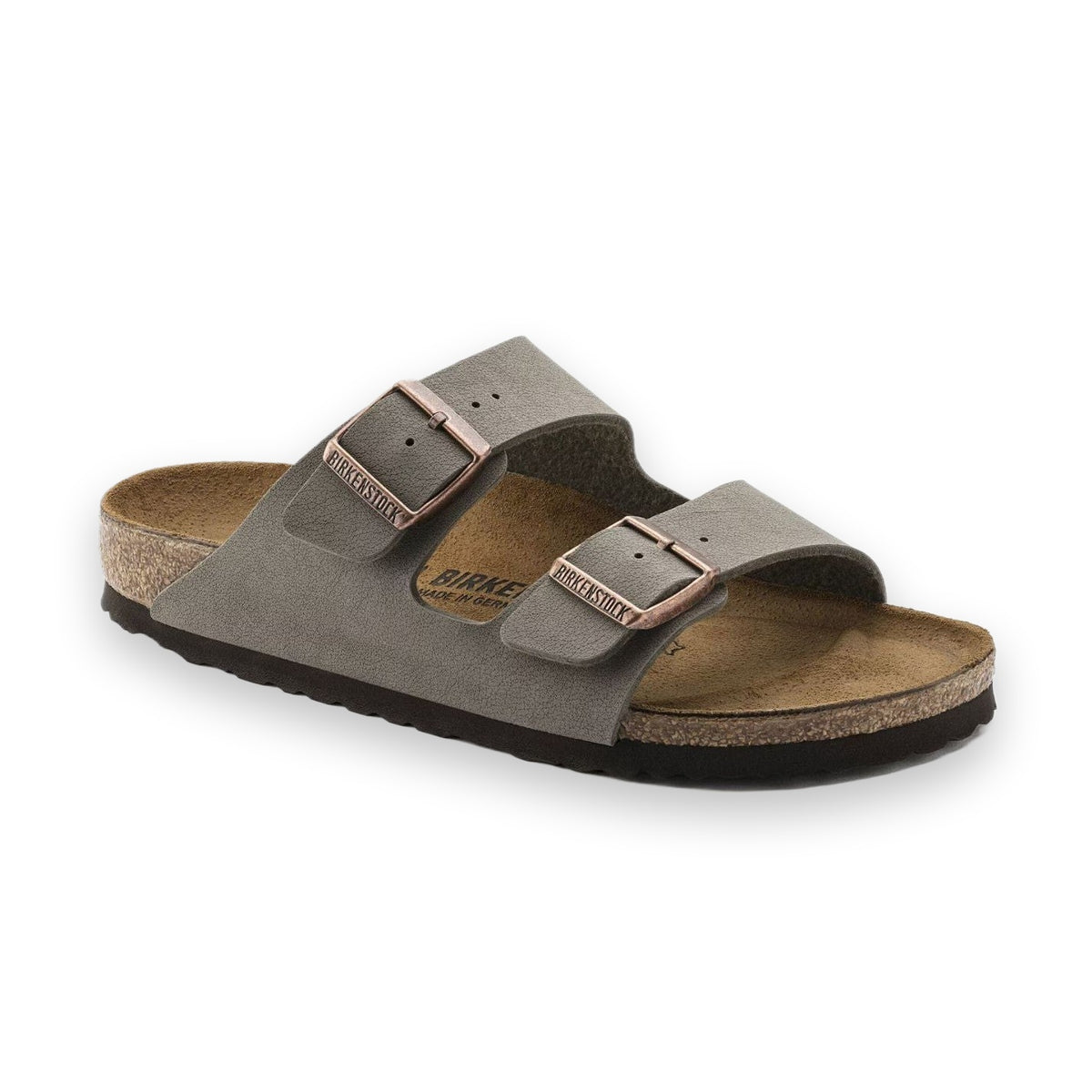
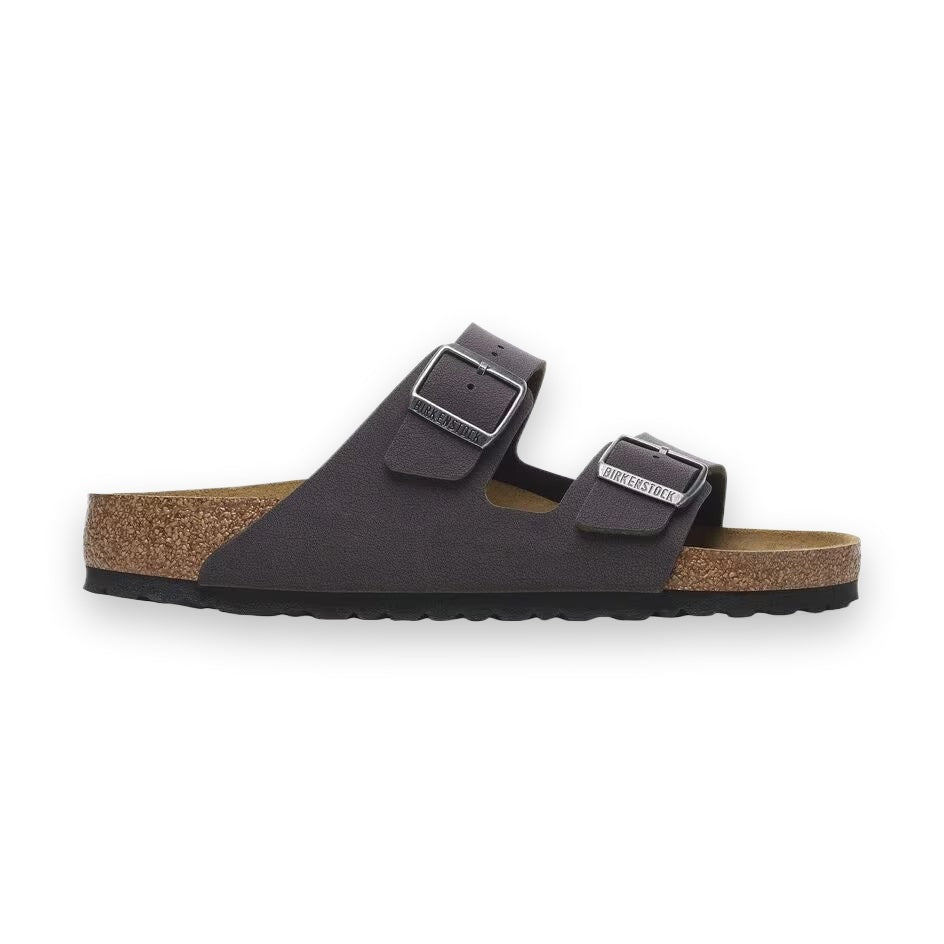
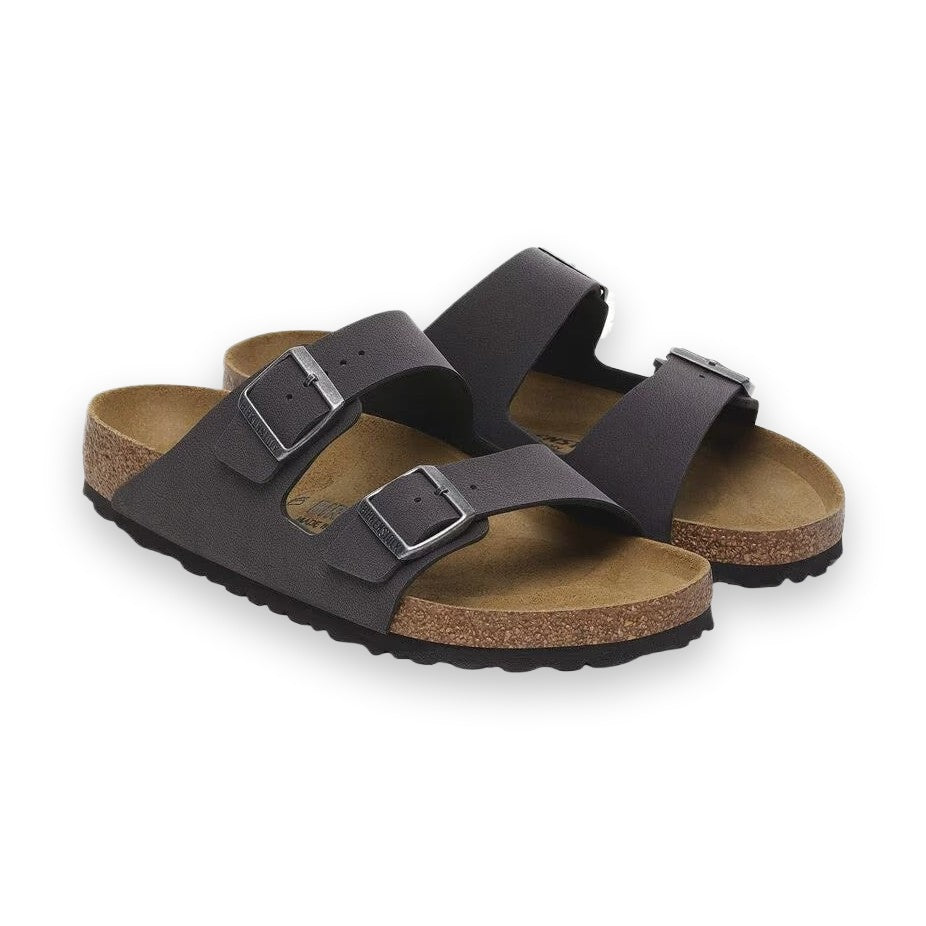
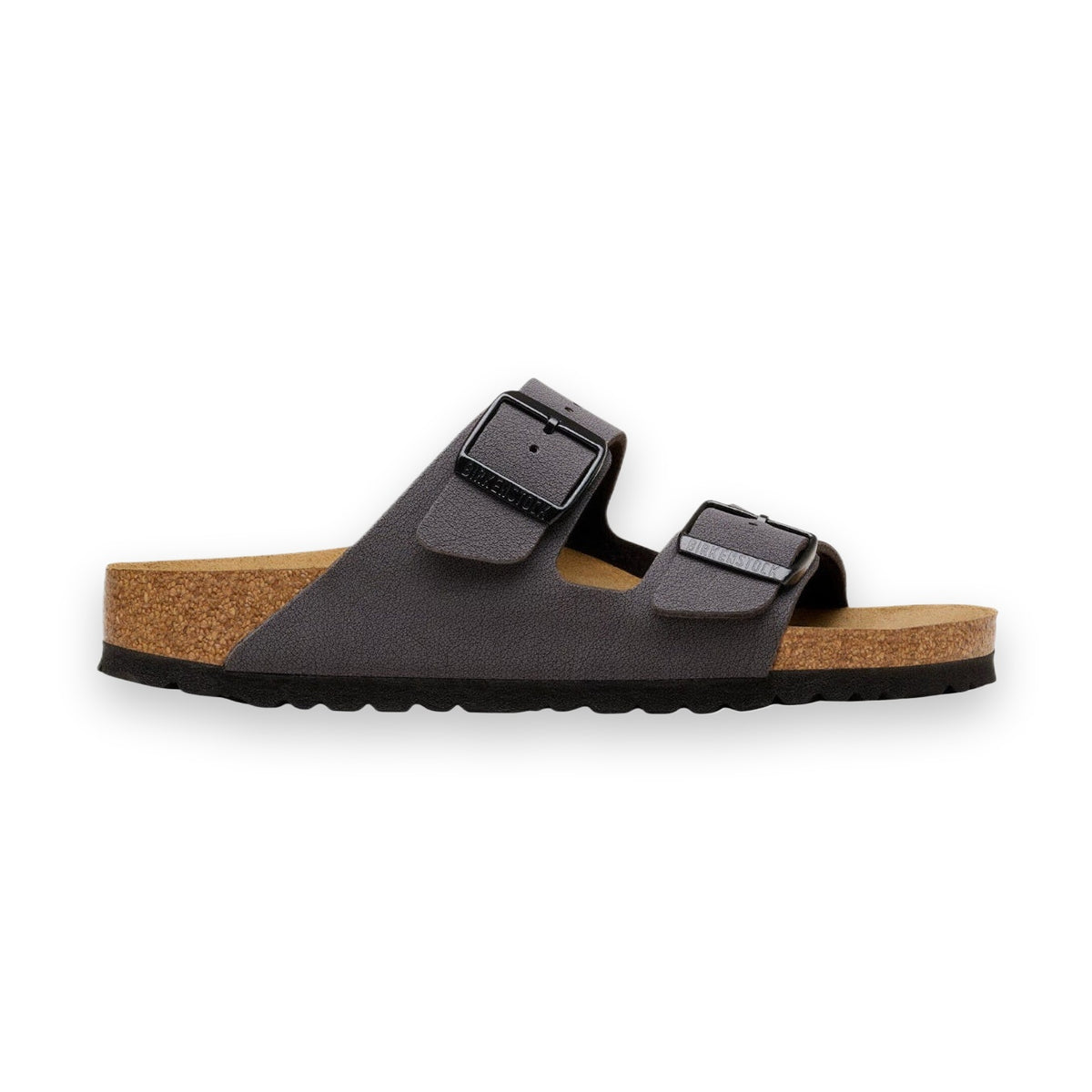
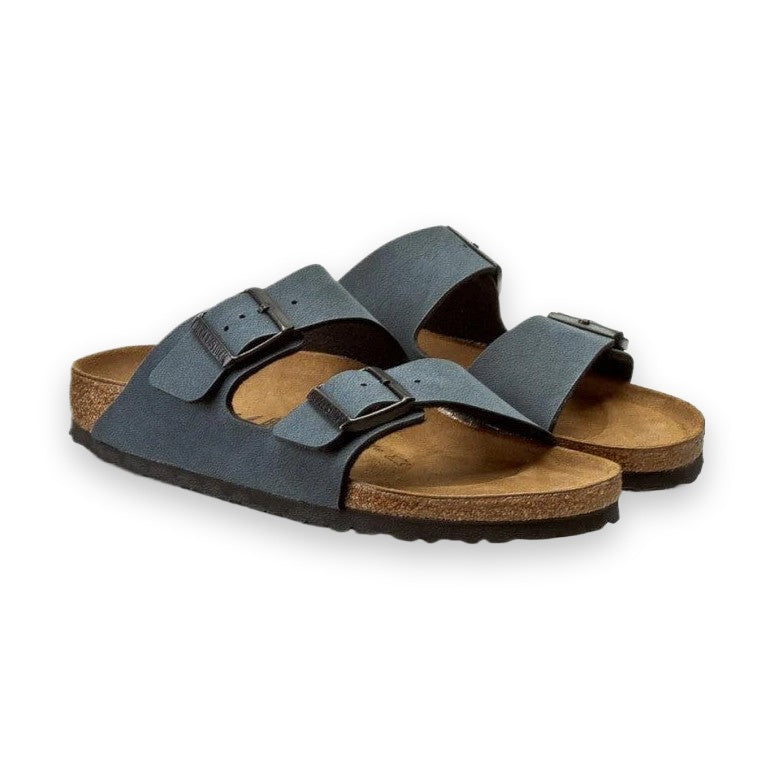
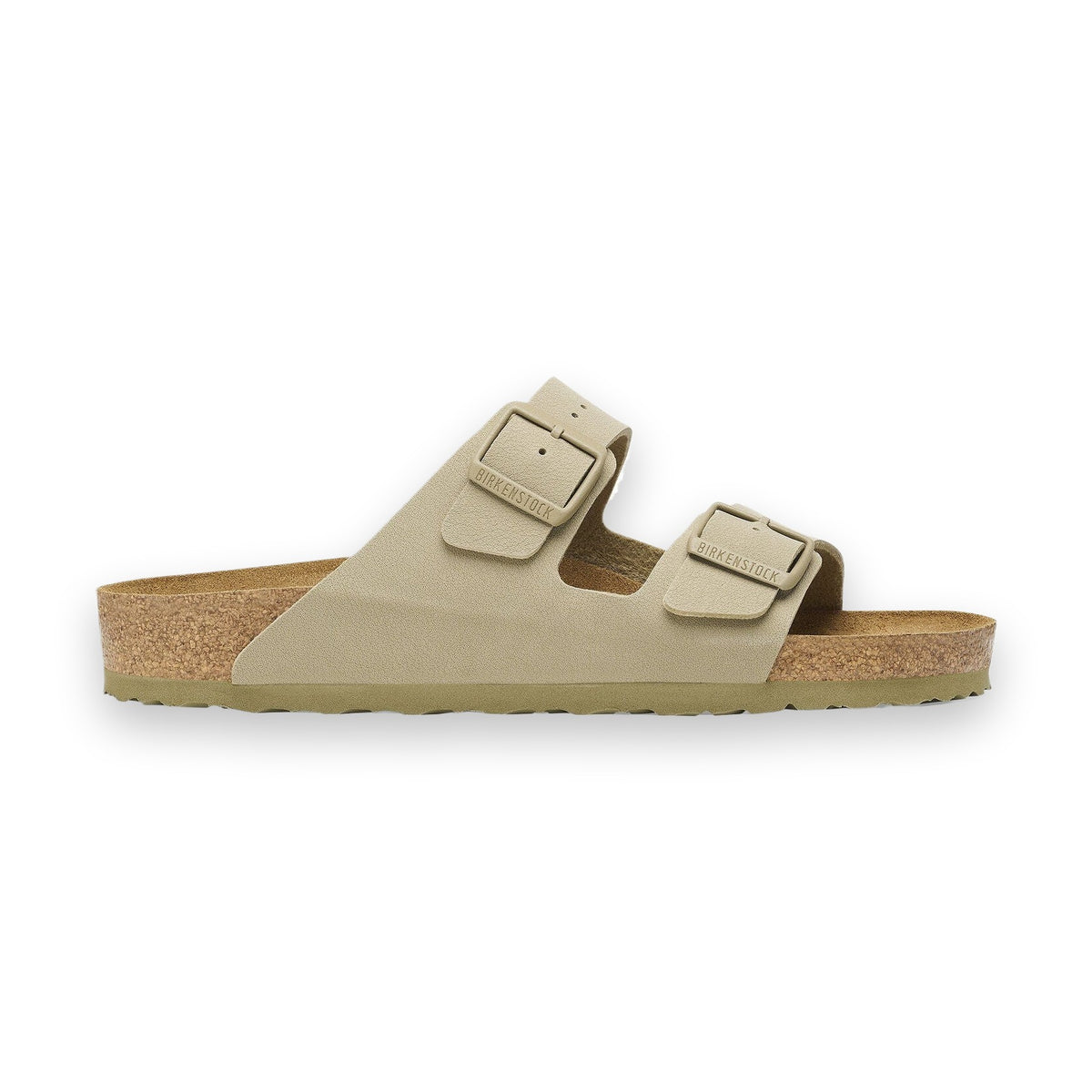
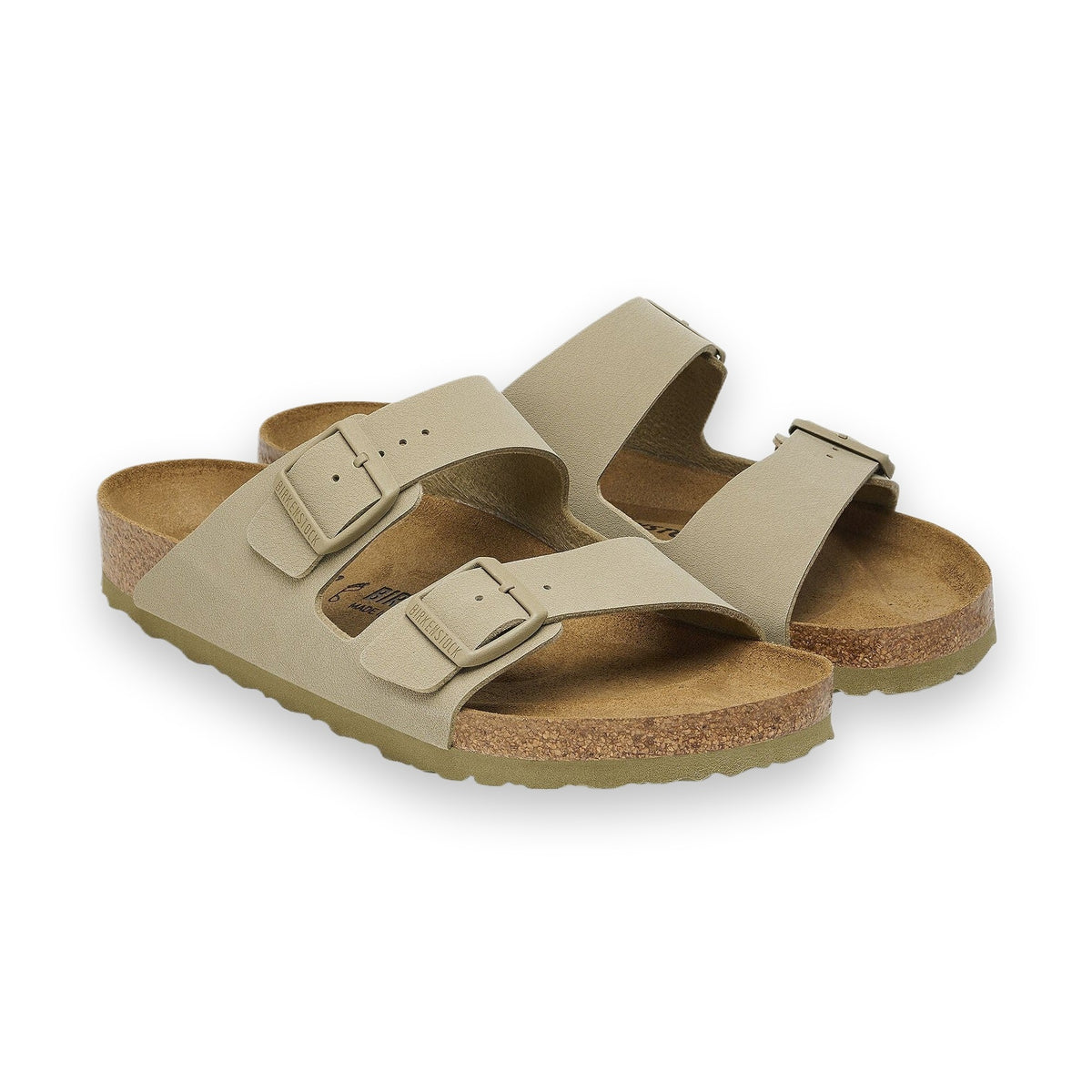
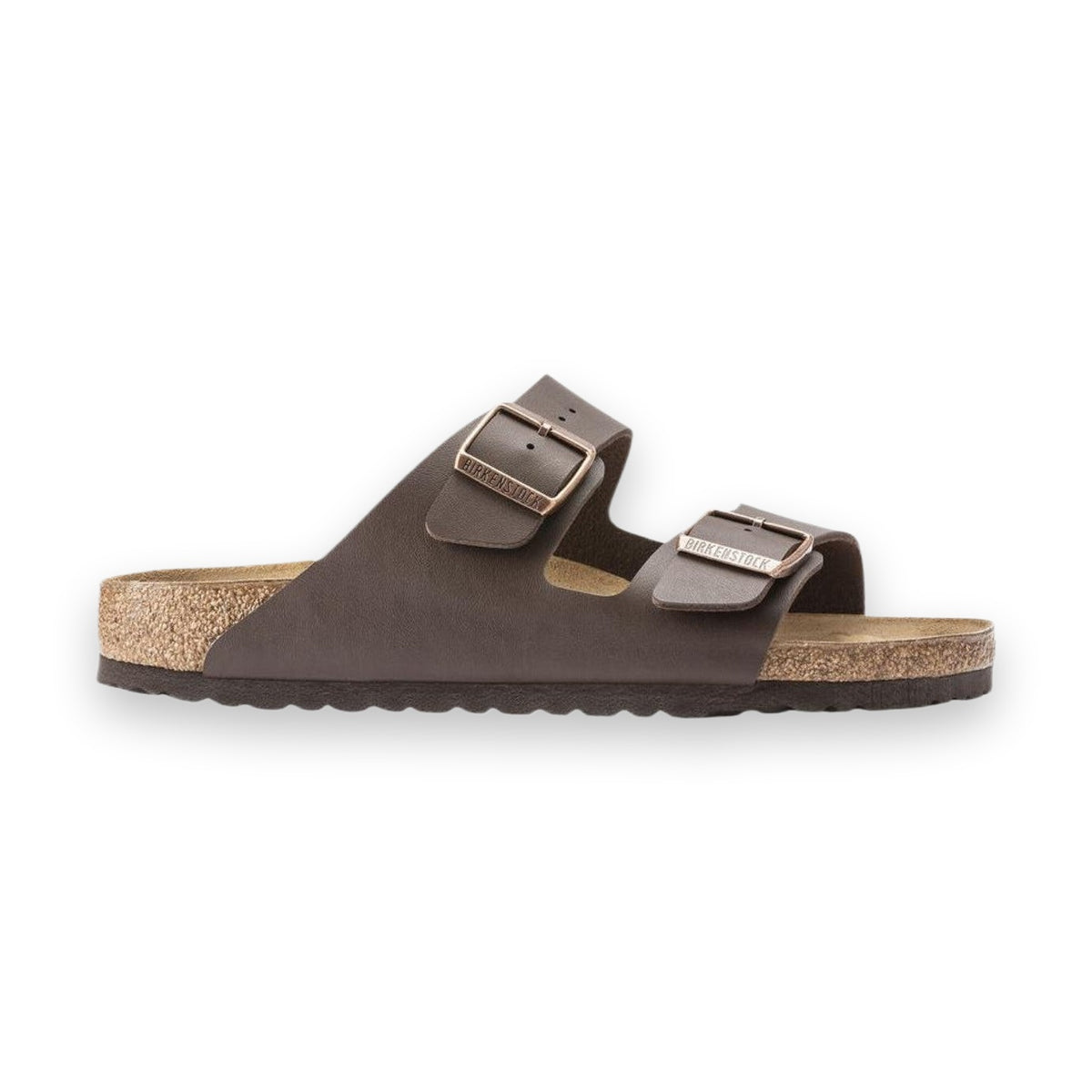
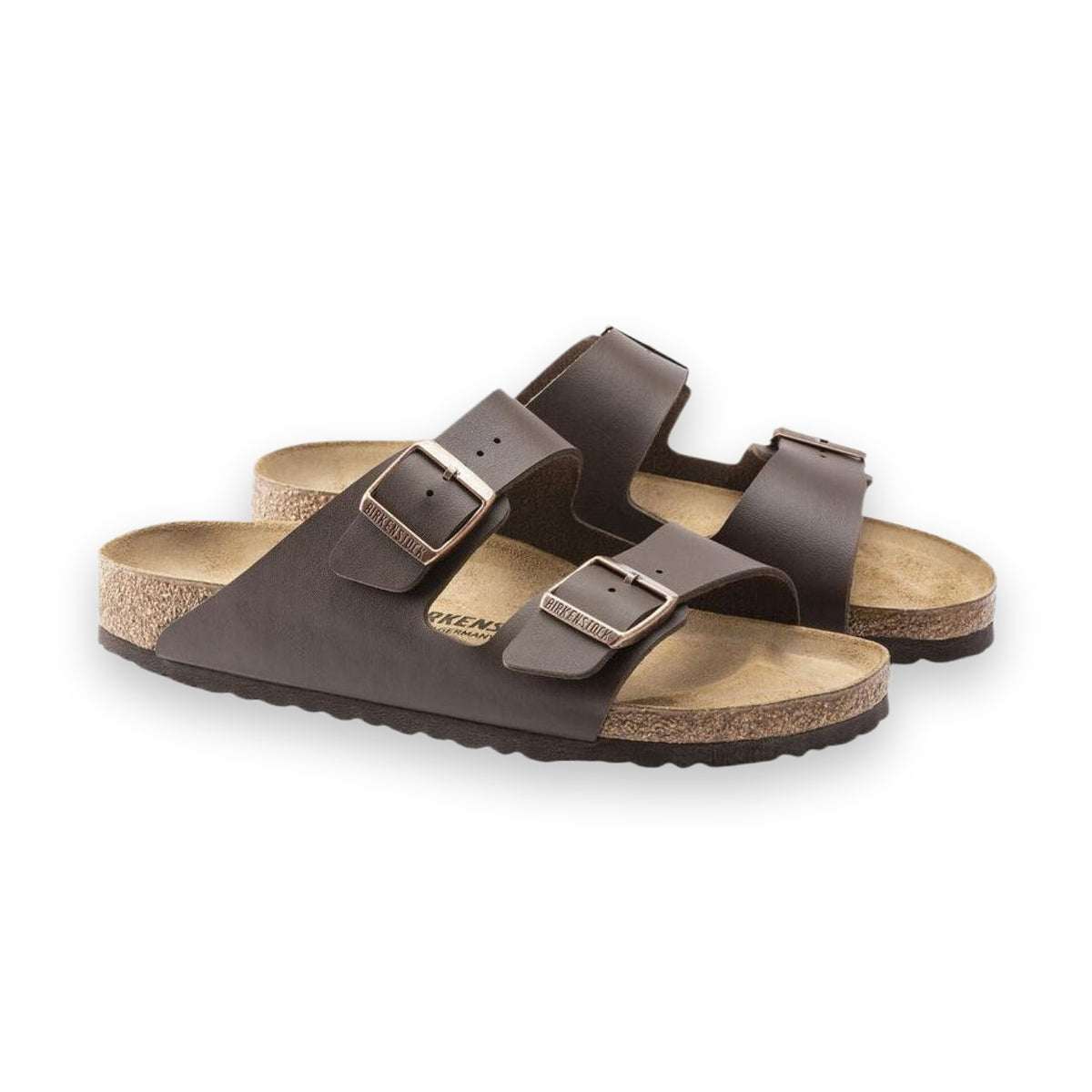
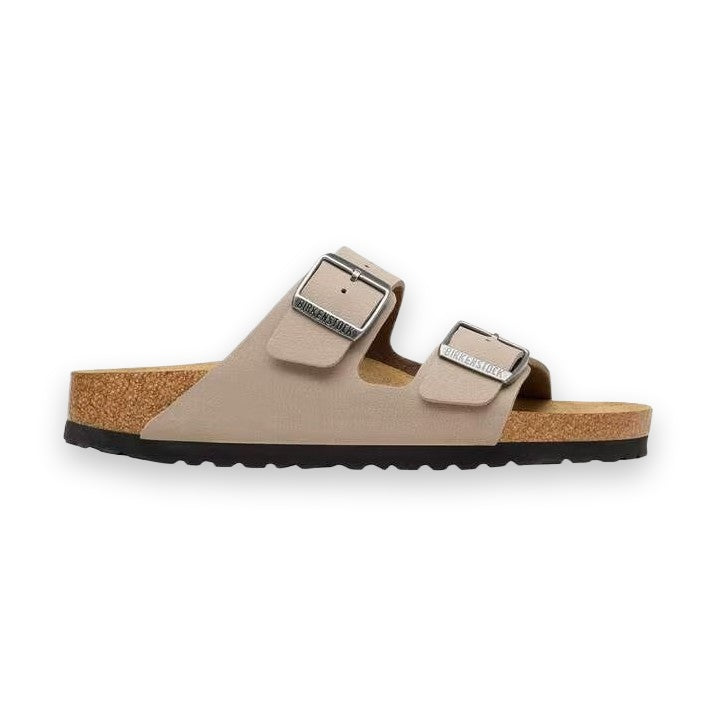
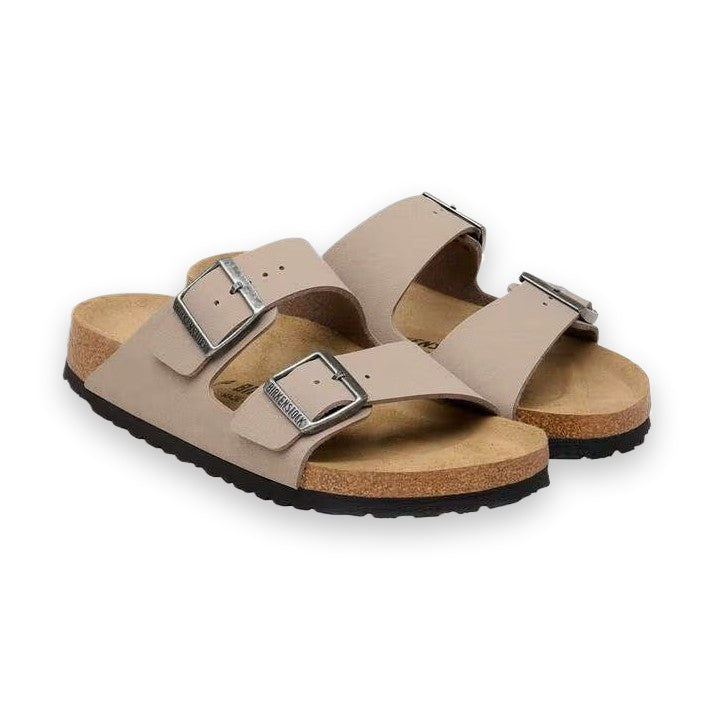
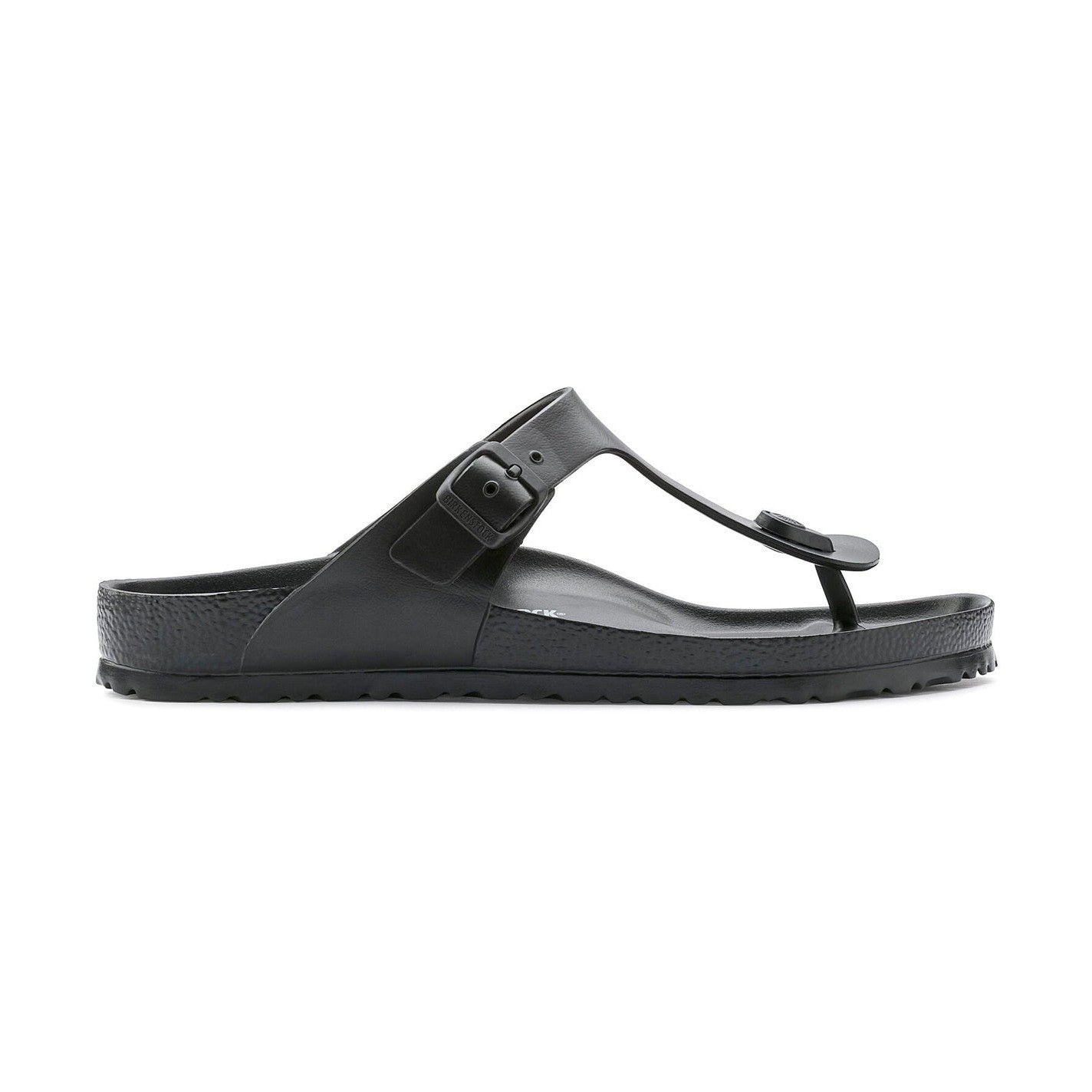
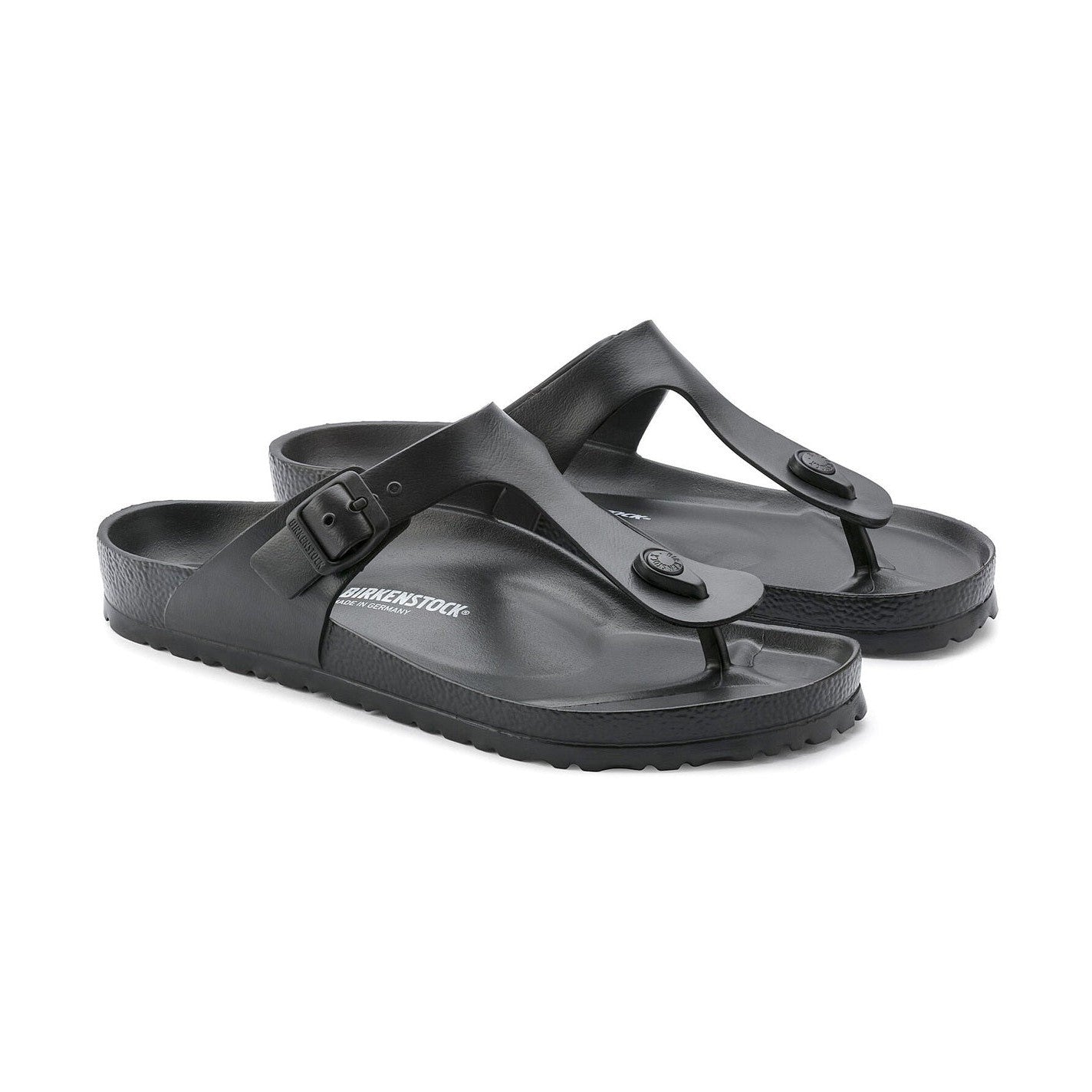
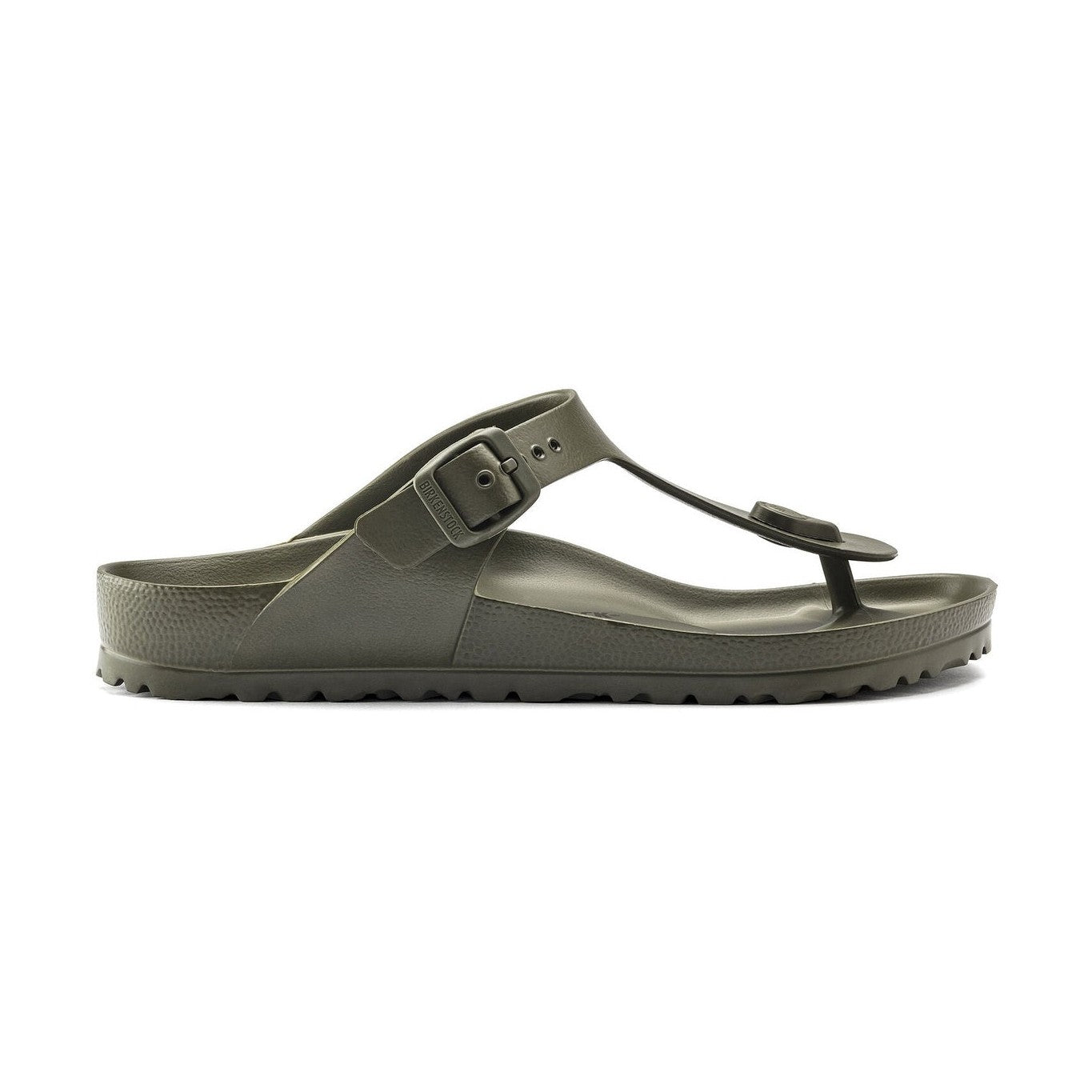
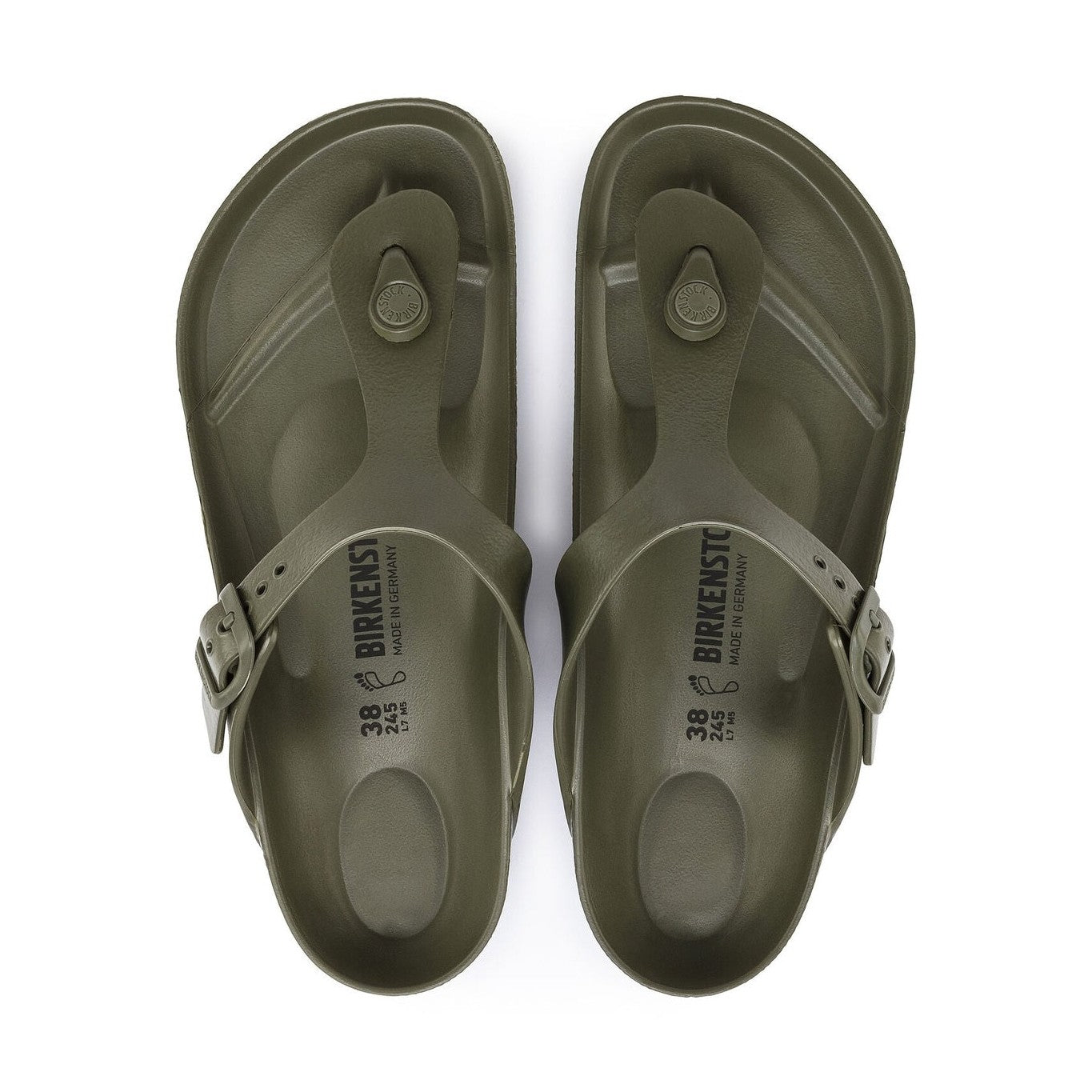
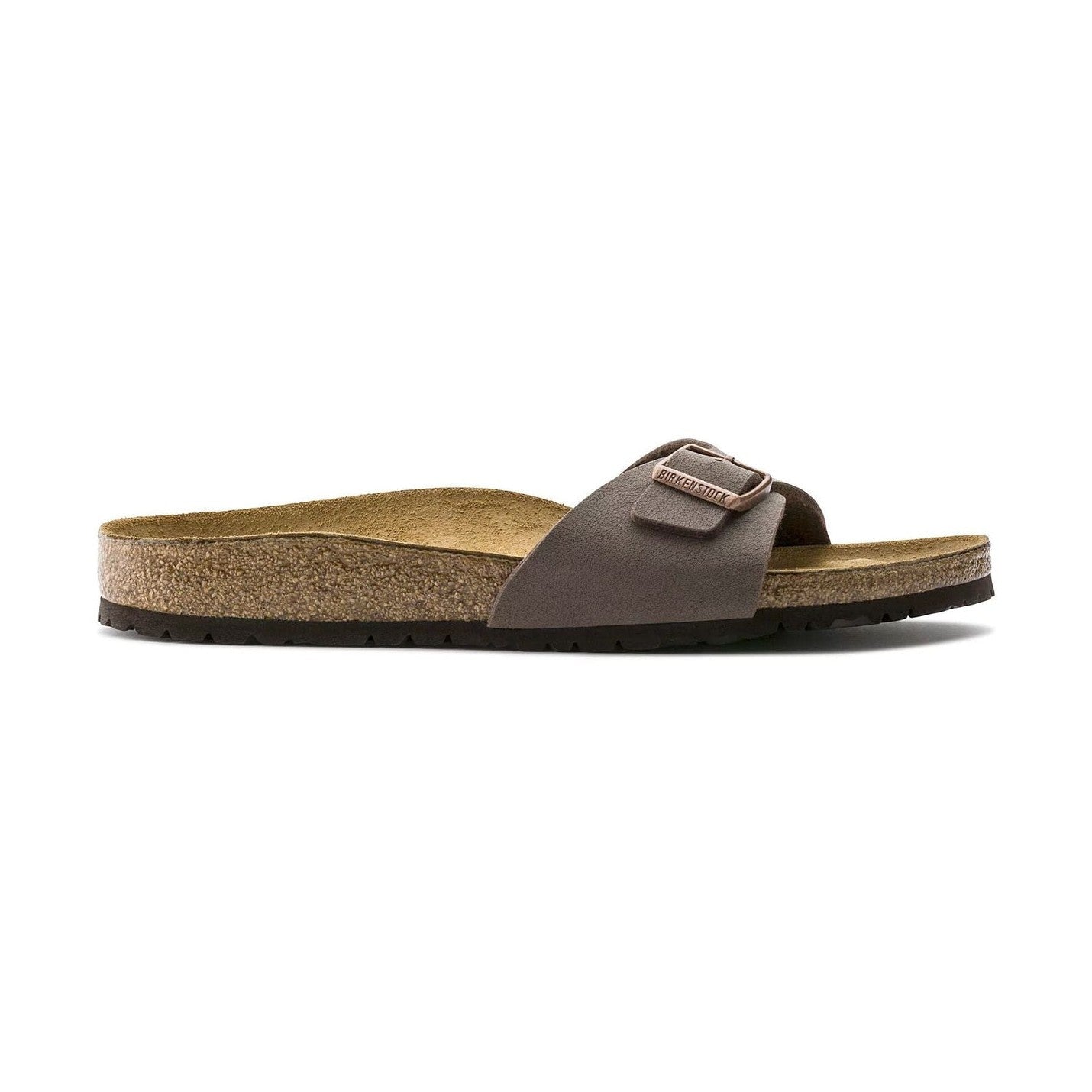
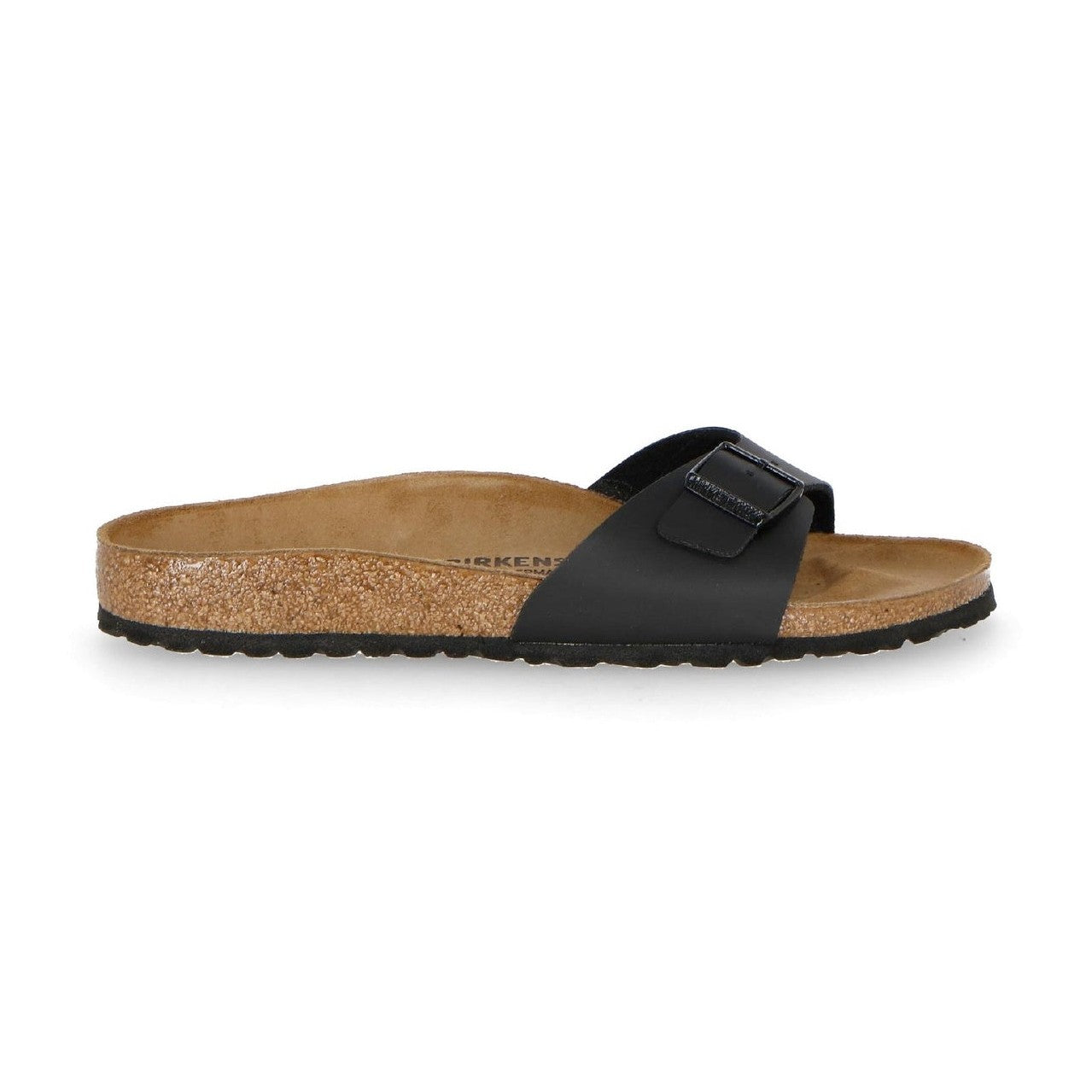
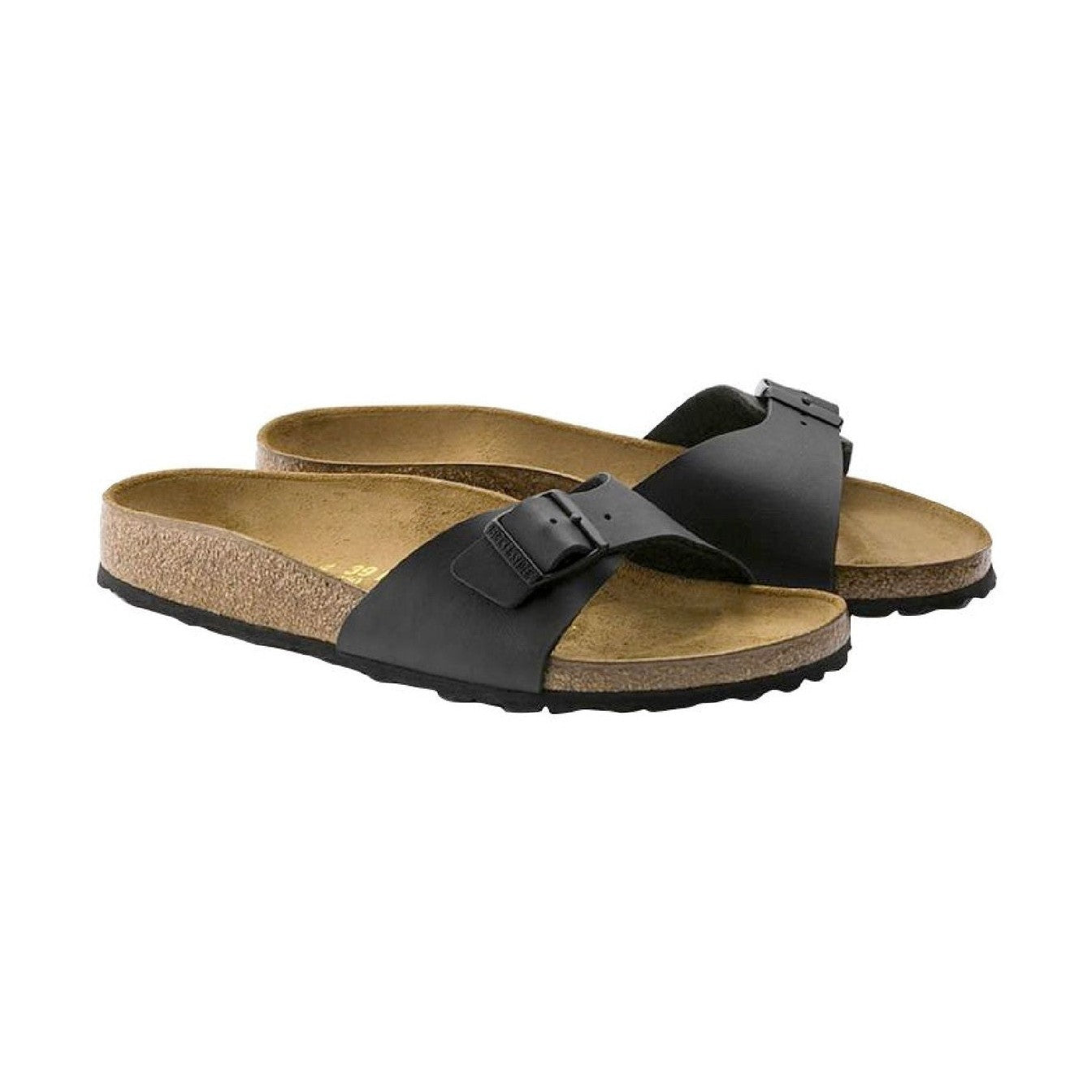
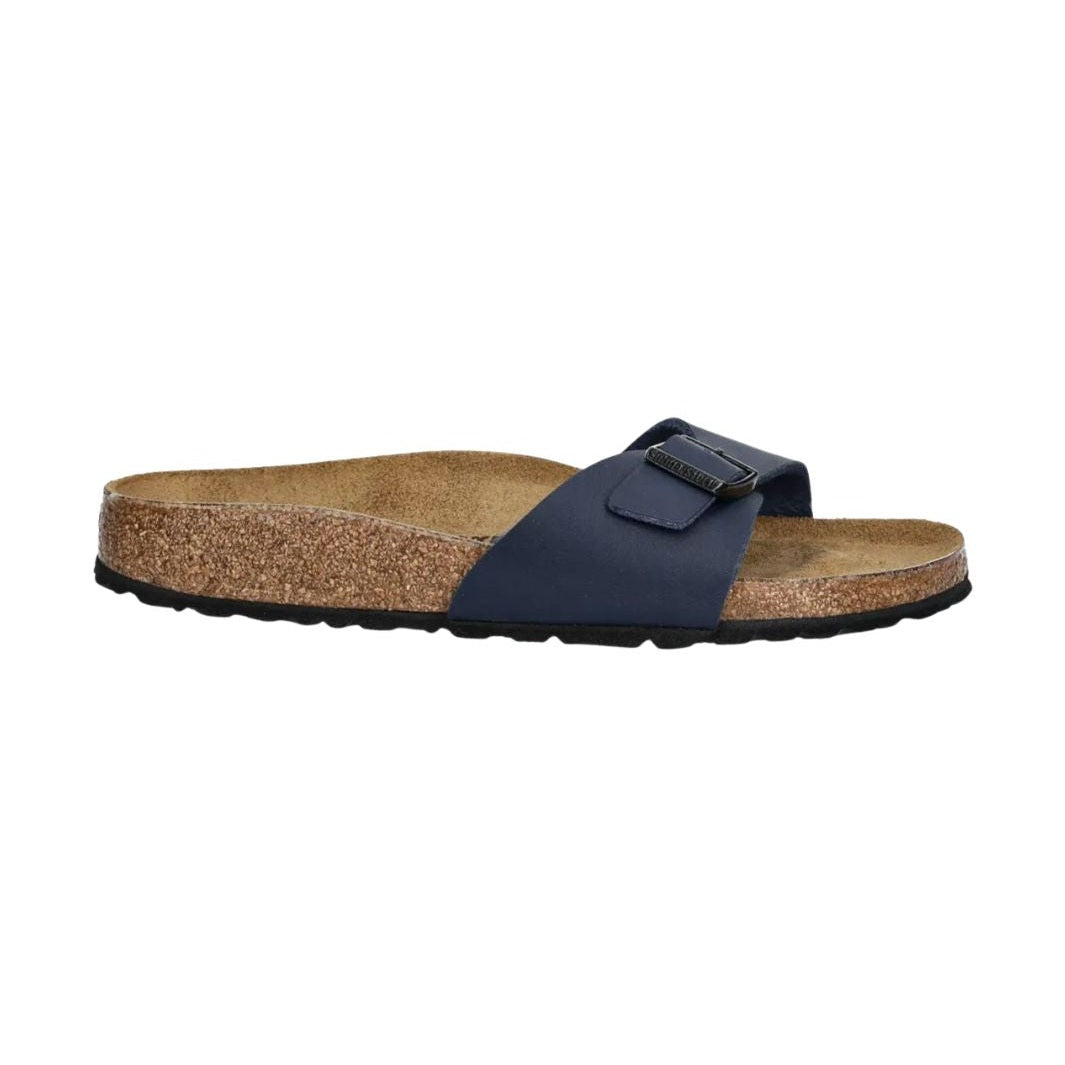
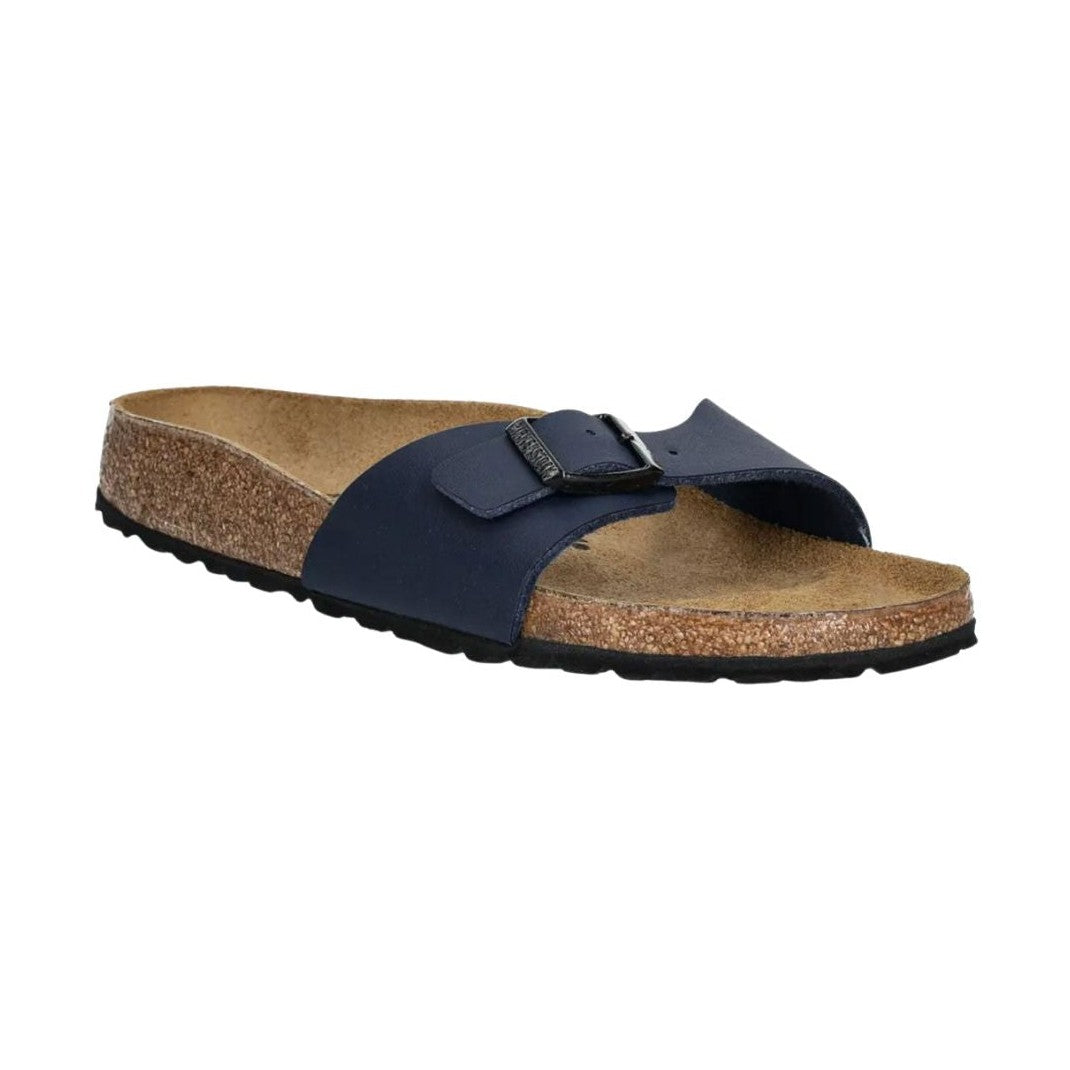
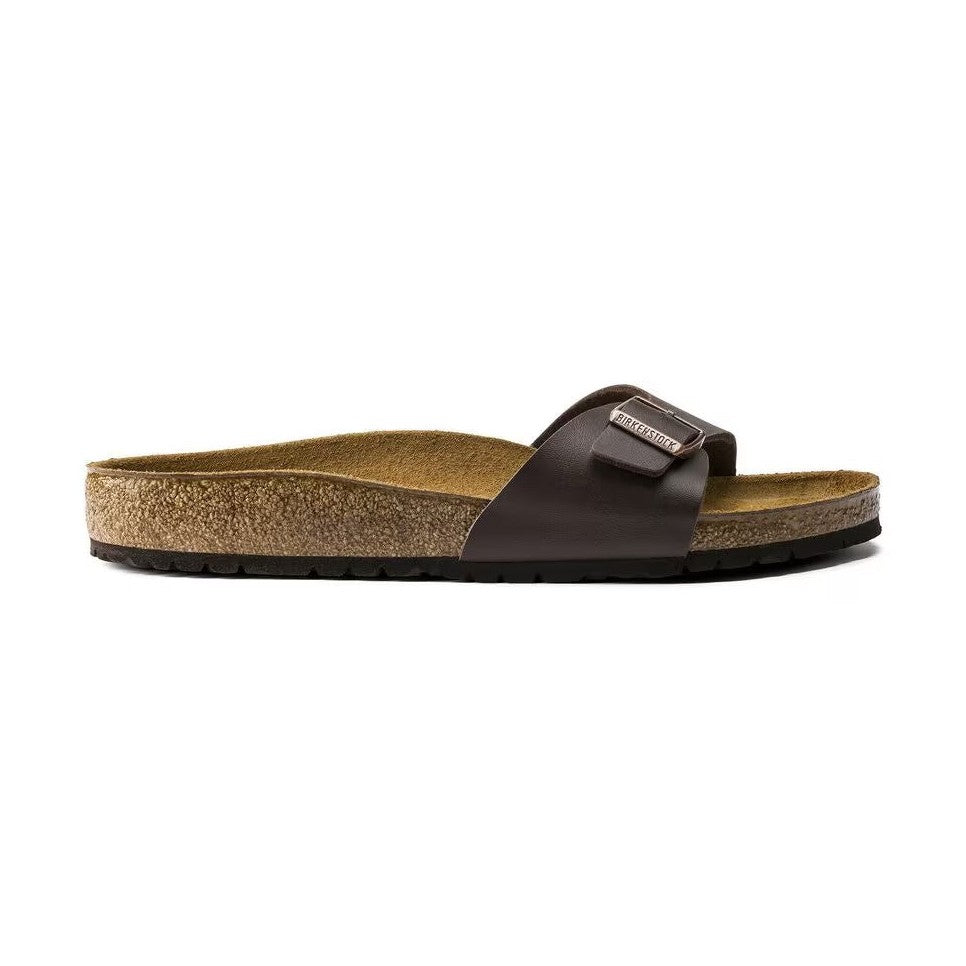
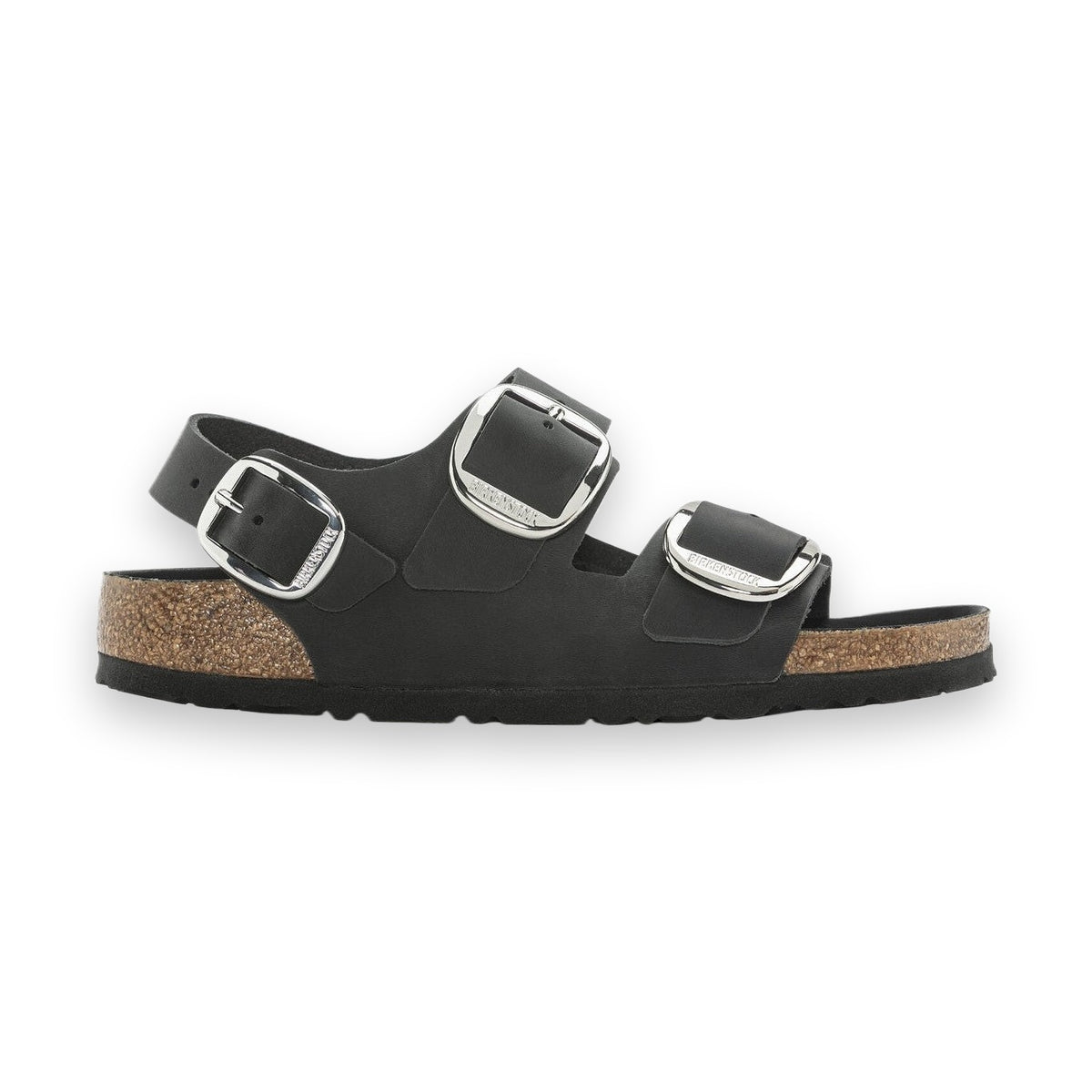
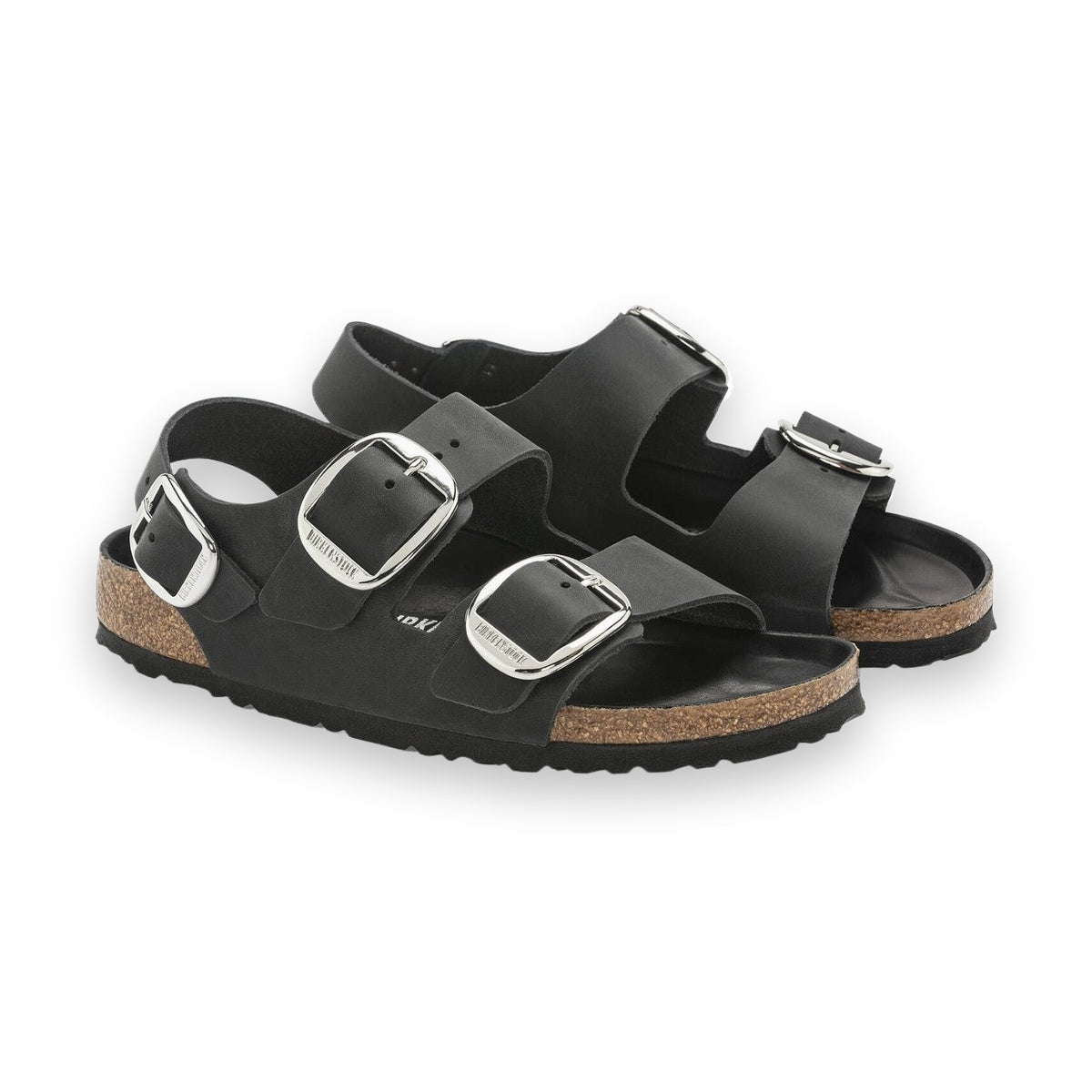
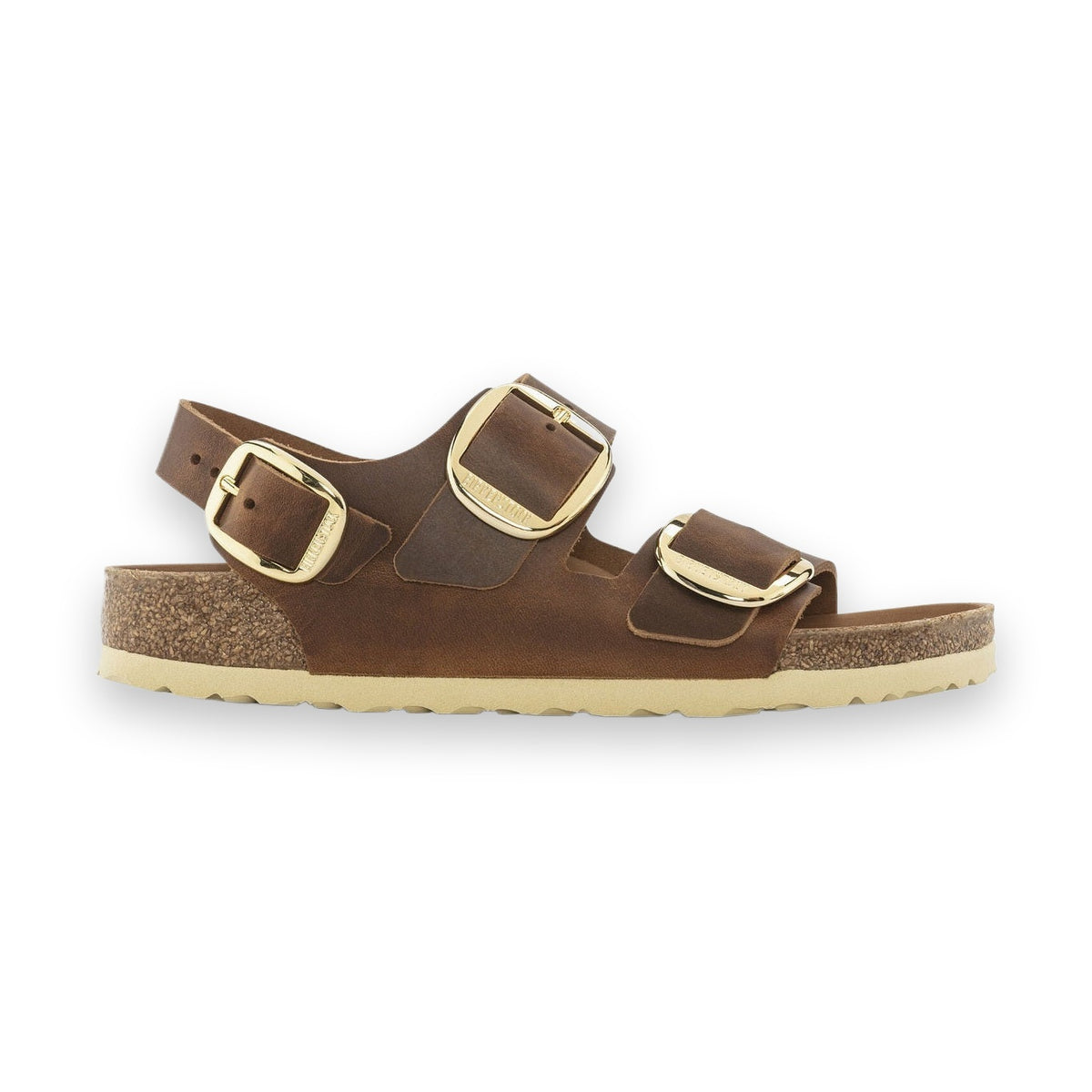
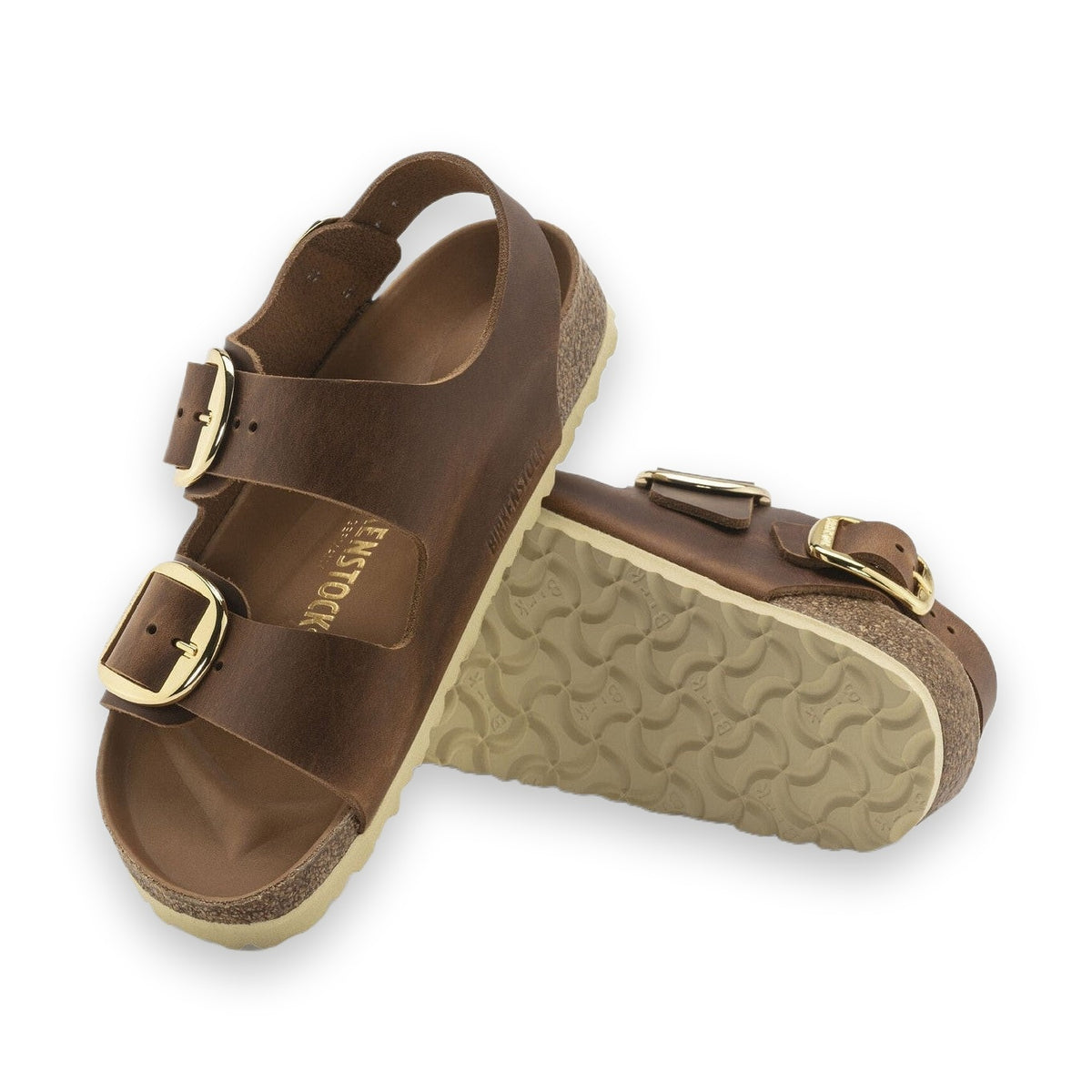
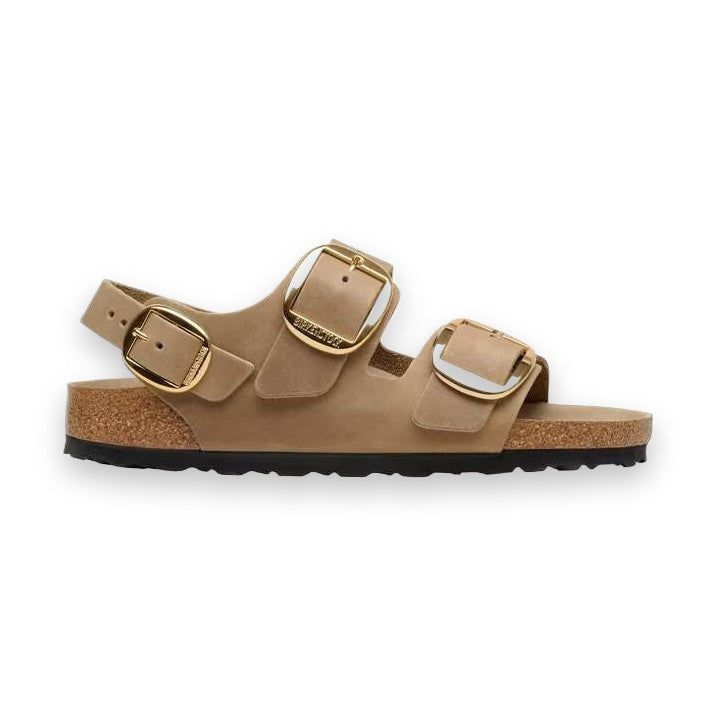
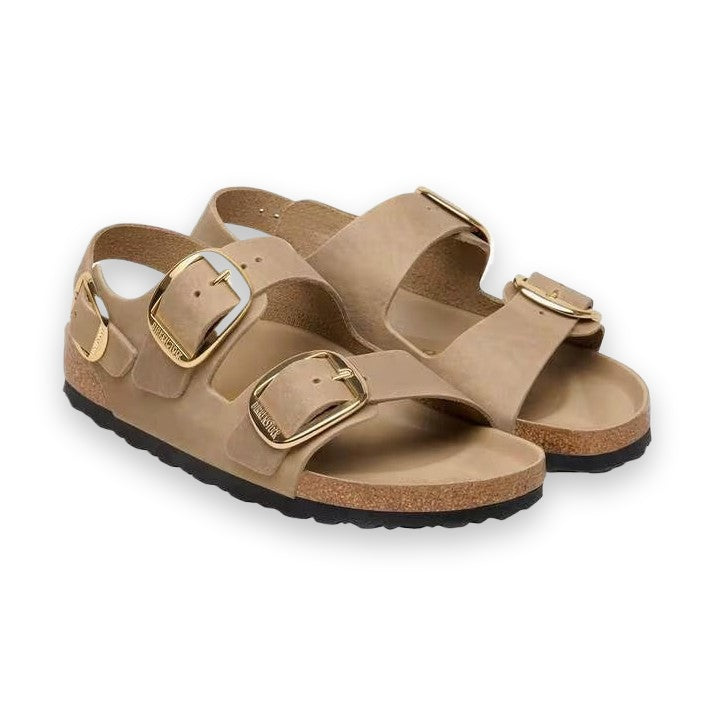
Sandals are the natural choice in warm months, but not all of them guarantee the same level of comfort. A sandal suitable for long walks must have a sole of sufficient thickness, adjustable straps that hold the foot in position without squeezing, and a shaped insole, not completely flat.
Sandals with a cork insole or an integrated arch support are generally better suited for prolonged use than models with a thin, flat sole.
To learn more, read our guide to comfortable sandals for summer
Clogs
Clogs are appreciated for their ease of use and, in many cases, for their structural comfort. Models with an anatomical insole in cork or latex offer support that improves with use, gradually adapting to the shape of the foot. They are a valid choice for those who spend many hours on their feet in indoor environments or on hard surfaces.
The materials and constructions we favour
At Natural Shoes we select shoes that meet precise criteria of construction quality. These aren't aesthetic preferences, but choices that have a direct impact on comfort and durability over time.
Among the materials we favour are quality leathers, natural cork, breathable materials and, in some lines, recycled materials. The choice always depends on the type of shoe and the intended use, but our goal remains the same: to offer comfortable, carefully made models designed to last over time.
On the construction side, we prefer shoes with anatomical or removable insoles, flexible soles in the front area, and uppers that let the foot breathe. These are features found in brands with a long European tradition in comfort footwear in particular, and that over time have proven to make the difference.
If you want to learn how to recognise a well-made shoe, read our guide How to recognise a quality shoe
5 practical tips to choose (and use) your shoes well
- Try shoes on in the afternoon. Feet swell slightly during the day: trying them on in the afternoon gives you the most accurate measurement.
- Comfort must be immediate. A short break-in period is normal for leather shoes, but pain never is. If they hurt right away, they're not the right shoe.
- Alternate models during the week. Always wearing the same shoe tires the same muscle groups. Alternating reduces the risk of overload.
- Replace the insole when it loses cushioning. The outer sole wears slowly, but the inner insole compresses much sooner. If the shoe "isn't what it used to be", the problem is often there.
- Listen to your foot's signals. Recurring pain in the heel, ball or toes is not normal: it indicates that the shoe isn't suited to your morphology or your use.
Conclusion
Choosing a comfortable shoe isn't a matter of luck or spending: it's a matter of knowing what to look for. A flexible, cushioned sole, an insole that supports the arch, a breathable upper, the right fit, are objective criteria, applicable to different types of models and price ranges.
A well-chosen shoe feels right at every step, lasts longer and protects the health of the foot over time. It's worth taking a few extra minutes to choose it.