
Have you ever bought a pair of shoes that seemed solid, and found the sole unglued after three months? Or, on the contrary, invested in a pair that years later is still in great condition, perhaps even improved with use?
The difference isn't always the price. It's construction quality: the materials chosen, the way the shoe is assembled, the details that aren't visible at first glance but that determine how long it will last and how well it will sit on the foot.
Knowing how to recognise a well-made shoe is a practical skill, and in this guide we explain exactly where to look, what to touch and what to read before you buy.
Why construction quality matters more than price
Price is an imperfect indicator of quality. There are expensive shoes built poorly and mid-priced shoes built carefully. What determines actual quality is the combination of three factors: the materials used, the method of construction and the care of the finishes.
A quality shoe doesn't just last longer, it performs better over time. Natural materials adapt to the shape of the foot, the stitching resists daily stress, the sole keeps its cushioning properties longer. The result is a shoe that improves with use instead of deteriorating.
This also has a direct impact on comfort: a well-built shoe supports the foot more effectively and consistently over time.
If you want to explore the link between quality and everyday comfort, read: How to choose comfortable shoes for everyday use
The materials: the first signal to read
The upper: leather, nubuck and natural alternatives
The upper is the most visible part of the shoe and the first element to evaluate. Good-quality natural leather has some recognisable characteristics: a slightly irregular surface (not perfectly uniform like synthetic), a characteristic, non-chemical smell, and a consistency that warms up to the touch.
Full grain is the most prized level of leather: it keeps the original surface layer, is the most resistant and develops a characteristic patina over time. Top grain is slightly smoothed on the surface, less resistant but still of good quality. Nubuck is a fine-grained leather treated to obtain a velvety effect: soft, breathable, but more delicate and prone to staining.
Low-quality synthetic materials can be recognised by their overly uniform and plasticky surface, by their chemical smell and by their rigidity that doesn't improve with use. Some new-generation synthetic alternatives, like certified recycled materials, have better characteristics, but should be evaluated case by case based on the transparency of the manufacturer.
In the European Union, shoes must carry mandatory pictograms on the label indicating the composition of the main materials (upper, lining, sole). Reading that label is the first concrete step to evaluate what you're buying.
The lining: breathability and internal comfort
The internal lining is often overlooked, but it significantly affects comfort and durability. A lining in leather or natural fabric absorbs sweat, regulates temperature and doesn't irritate the skin. A low-quality synthetic lining tends to trap heat, deteriorate quickly and create rubbing.
Touch the lining with your hand: it must be soft, not rough, and must not have protruding internal seams that could create pressure points on the foot.
The insole: quality you feel underfoot
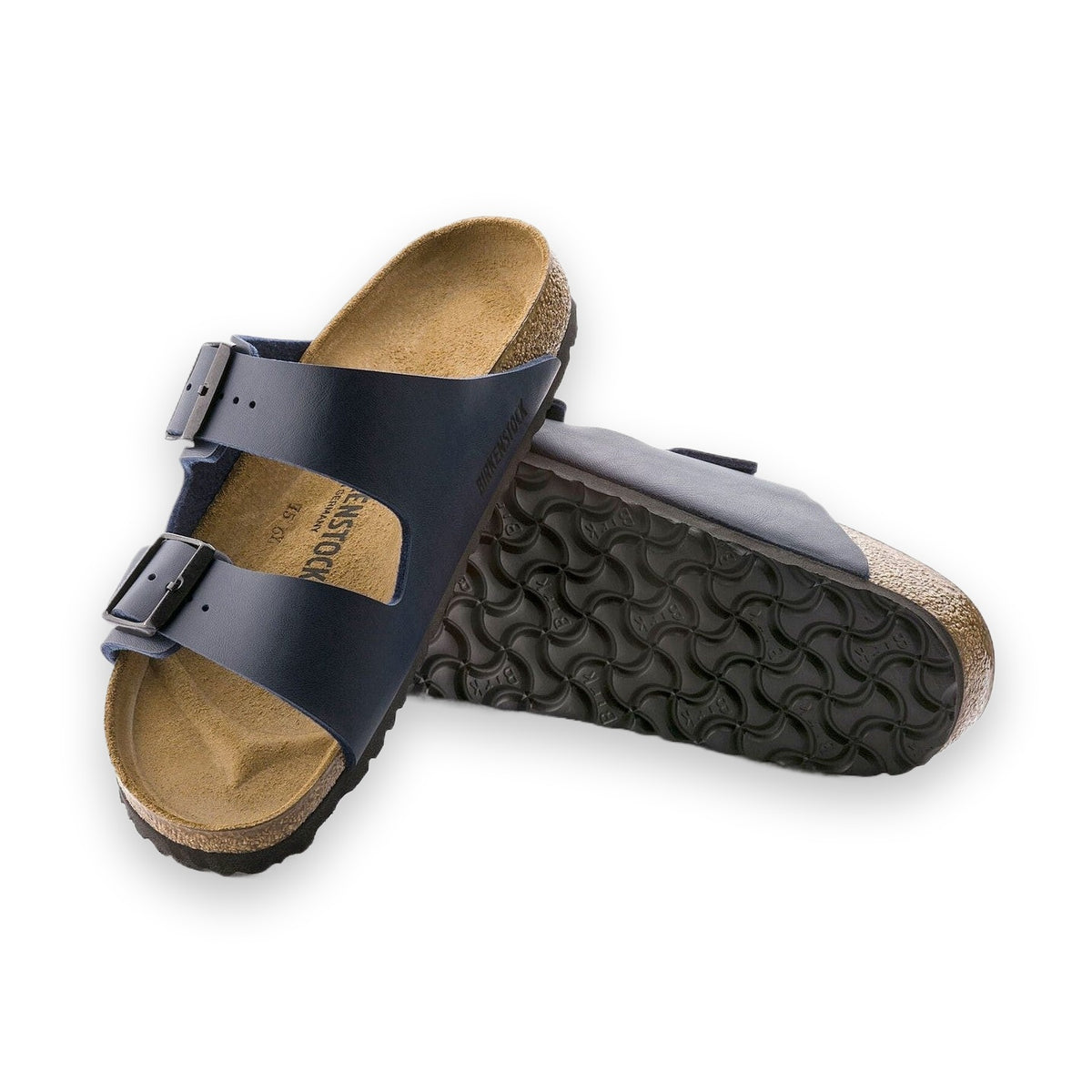
The internal insole is the first surface in contact with the foot. A quality insole is shaped, not completely flat, and is made with materials that absorb sweat and don't compress quickly. Cork, natural latex and leather are the best materials. A removable insole is a further sign of quality: it allows you to replace it or insert a custom orthopaedic insole.
The construction: how the shoe is assembled
Stitched or glued?
The fundamental distinction is between stitched shoes and glued shoes.
Stitched shoes, with methods such as Goodyear welt, Blake or moccasin, have the upper and sole joined by a visible or internal stitch. They are more resistant, repairable and generally more durable. A stitched shoe can be resoled several times, significantly extending its useful life.
Glued (cemented) shoes have upper and sole joined exclusively with adhesive. It's the cheapest and fastest method, used in most low and mid-range shoes. It's not necessarily a defect, many quality sneakers are glued, but the resistance depends entirely on the quality of the adhesive and on the workmanship. A poorly glued shoe is recognised by the edges of the sole that are already slightly lifted or by glue visible in irregular ways.
How to recognise them: look at the perimeter where the sole meets the upper. If there's a visible stitch that runs along the entire edge, the shoe is stitched. If the joint is smooth and uniform, it's glued.
Torsional rigidity: a practical test
Take the shoe with both hands and twist it slightly on itself. A well-built shoe resists twisting in the central area, that of the metatarsus, but bends easily in the front area, where the foot naturally flexes during walking.
A shoe that twists easily along its entire length doesn't offer enough support. One that's rigid even in the front area doesn't follow the natural movement of the foot.
The heel counter: stability at the heel
The heel counter is the rigid internal structure in the heel area. Press with your thumb on the back of the shoe, from the inside: it must be solid and not give way. A soft or absent counter means the heel is not supported, with consequent instability and fatigue over time.
The sole: grip, flexibility and durability
Outer sole materials
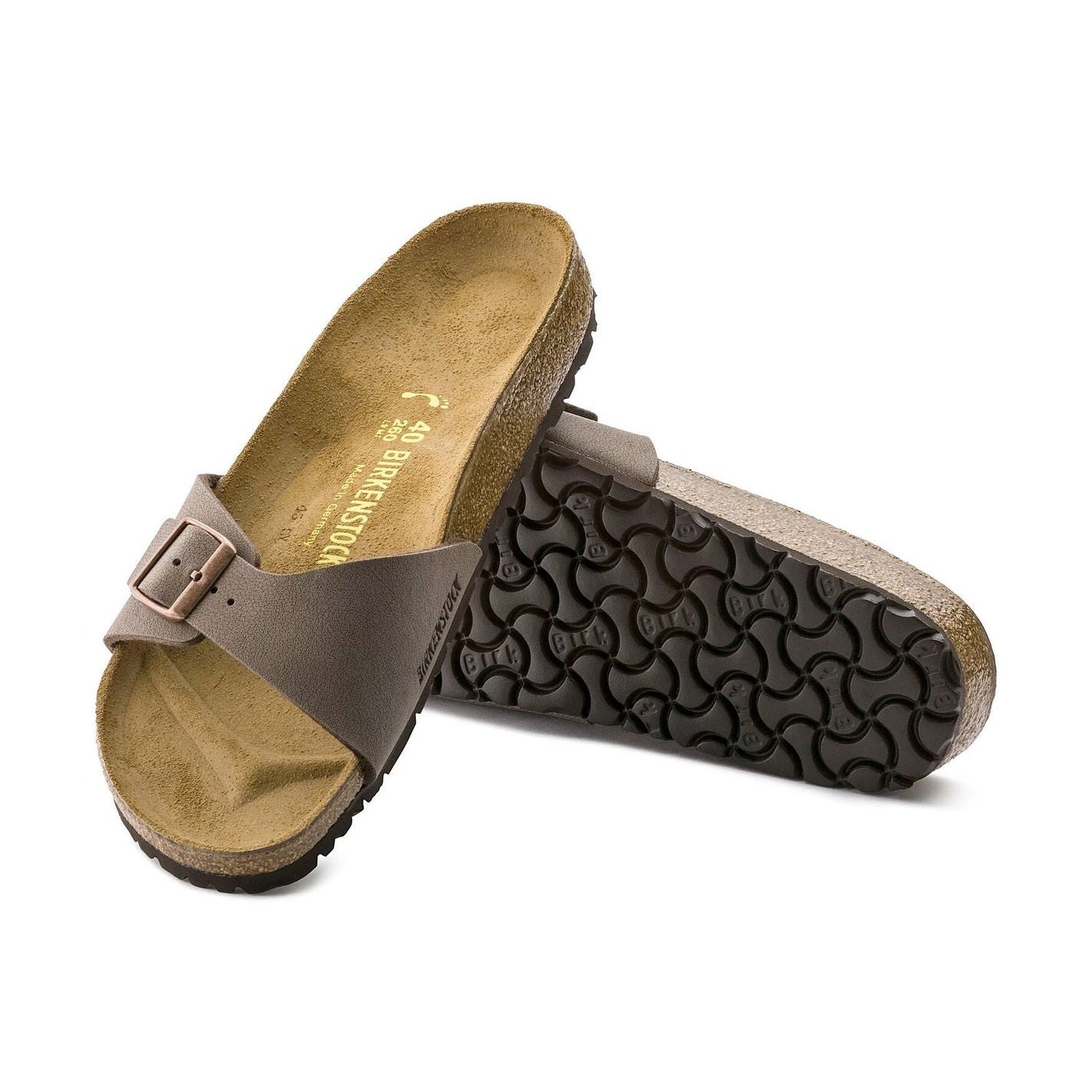
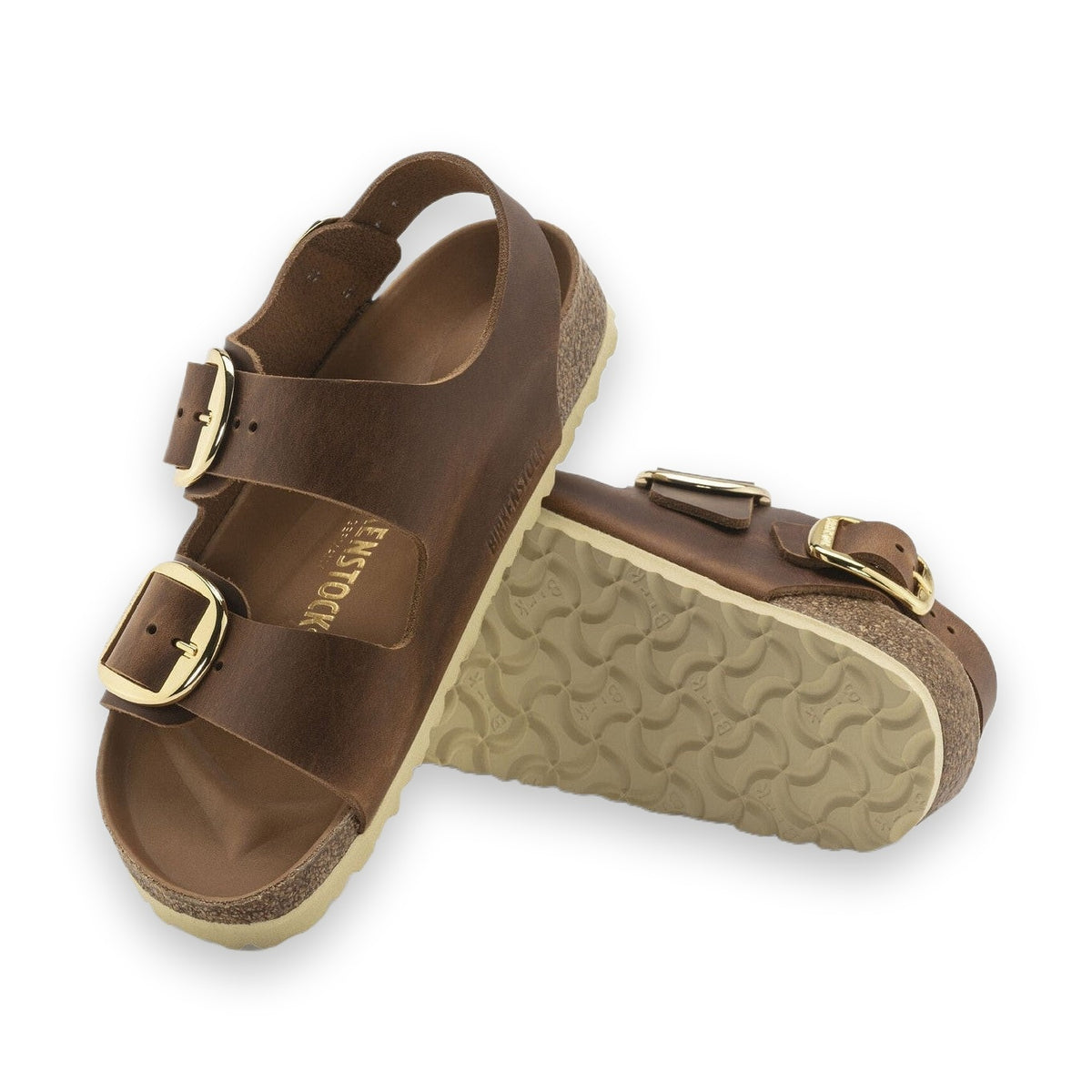
The outer sole is the one in contact with the ground. The most indicative quality materials are natural rubber, resistant, flexible and with good grip on varying surfaces, and rubber-and-cork blends, used in some quality constructions to combine cushioning and lightness.
Soles in rigid plastic or in low-quality synthetic materials are recognised by their excessive lightness, by their overly smooth surface and by their tendency to slip. They wear out quickly and don't offer real cushioning.
How to evaluate the sole at a glance
Look at the pattern of the sole: a tread with deep, regular grooves offers better grip and lasts longer than a smooth sole or one with superficial grooves. Also check the thickness in the heel area and make sure the sole is glued or stitched uniformly along the entire perimeter, without bubbles or lifting.
The finishes: details that don't lie
Stitching. It must be regular, with uniform stitches and no protruding threads or visible knots. Irregular stitches or skipped stitches indicate hasty work.
The edges of the upper. The edges in quality leather are finished, dyed, smoothed or bound, not left raw or with leather that flakes. A raw edge deteriorates quickly with use.
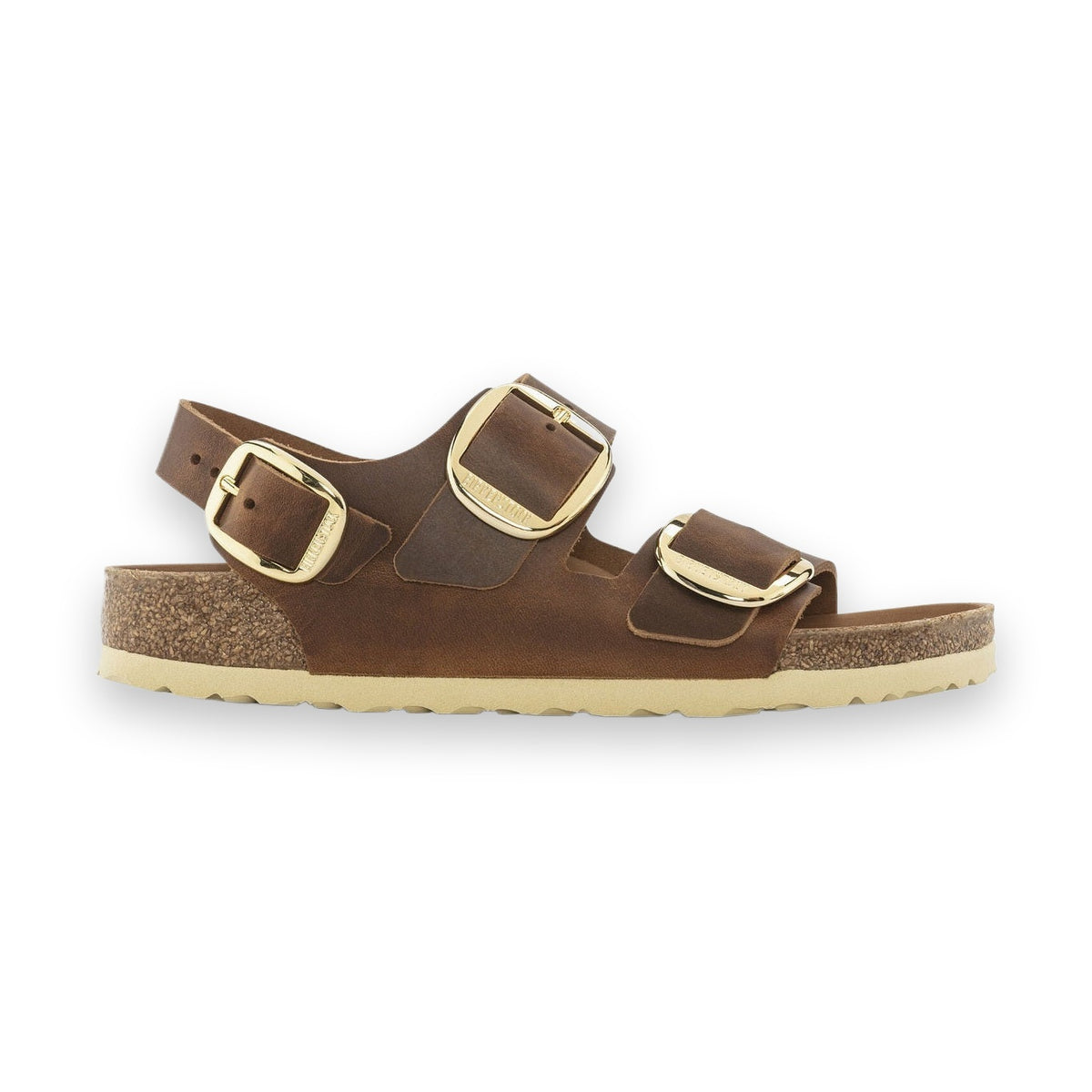
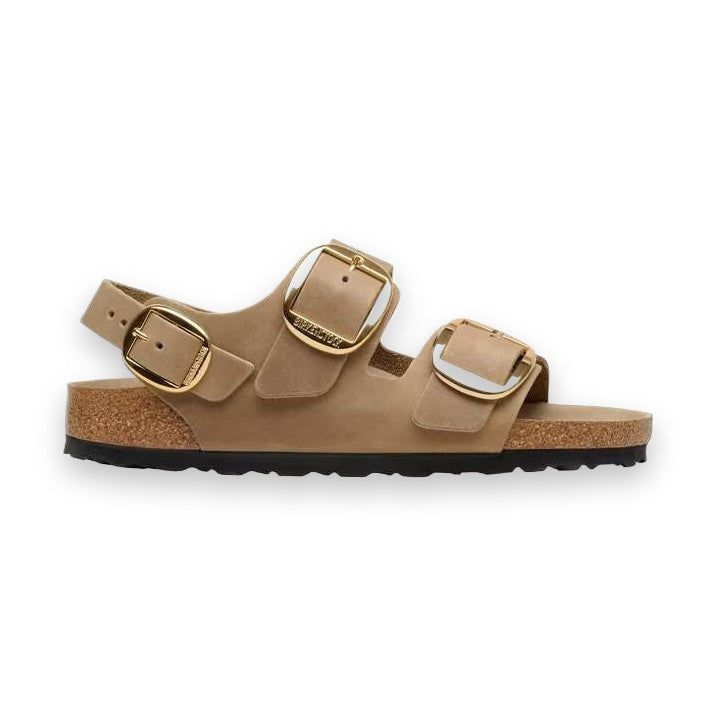
Buckles, laces and closures. Quality metal buckles have a perceptible weight and solidity. Cotton or natural-material laces last longer than synthetic ones. Quality Velcro closures have a firm grip and don't wear out quickly.
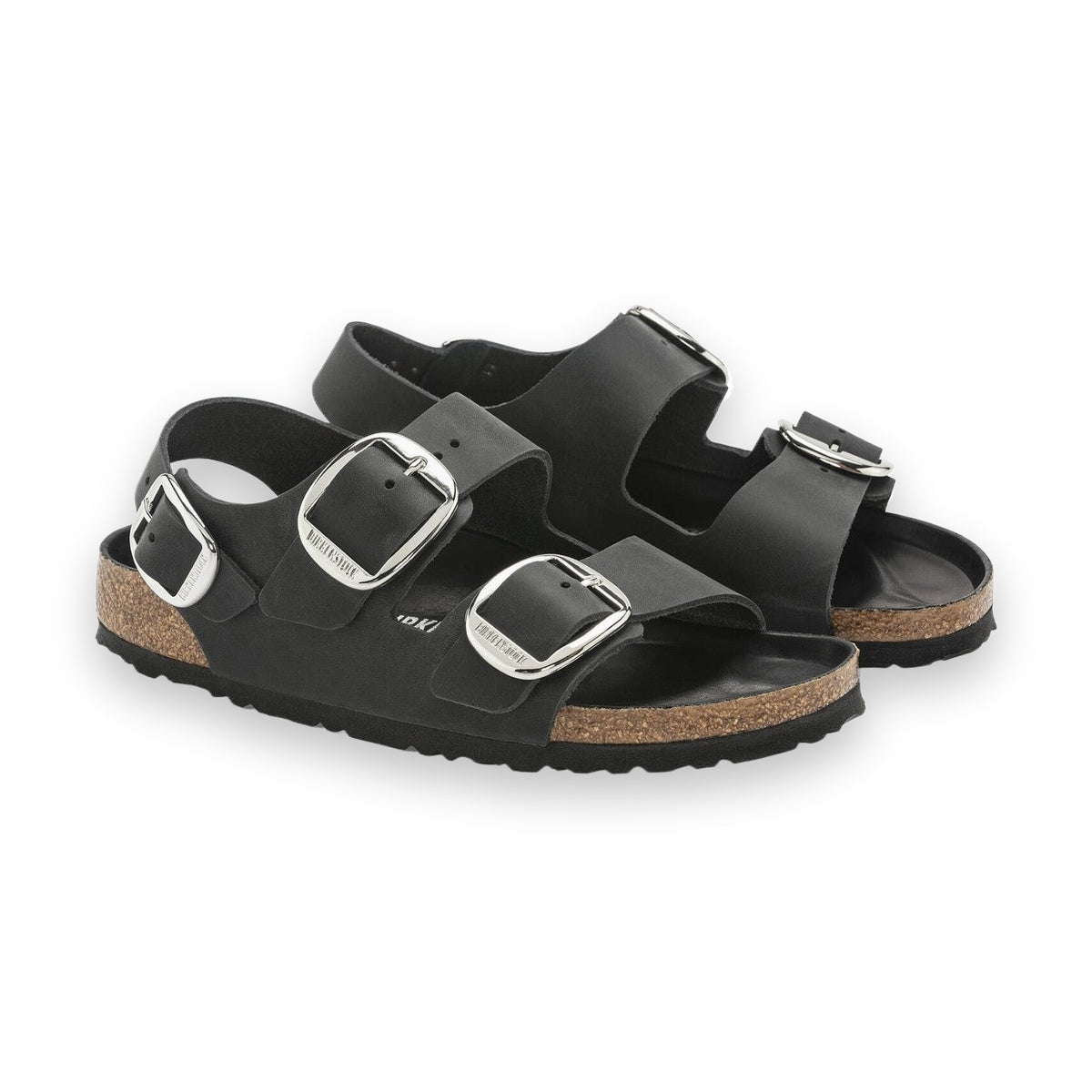
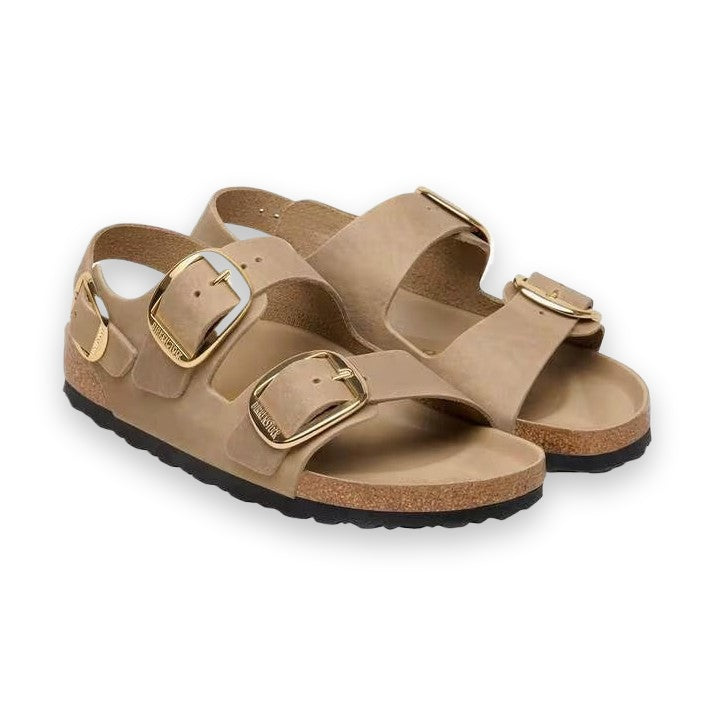
Symmetry. Place the two shoes side by side and look at them: they must be perfectly symmetrical. Differences in shape, in the height of the sole or in the position of the seams indicate insufficient quality control.
Weight. A quality shoe has a perceptible weight not heavy, but solid. Excessively light shoes are often that way because they're built with thin materials or with little internal material.
Quality and type: what changes for sandals and open shoes
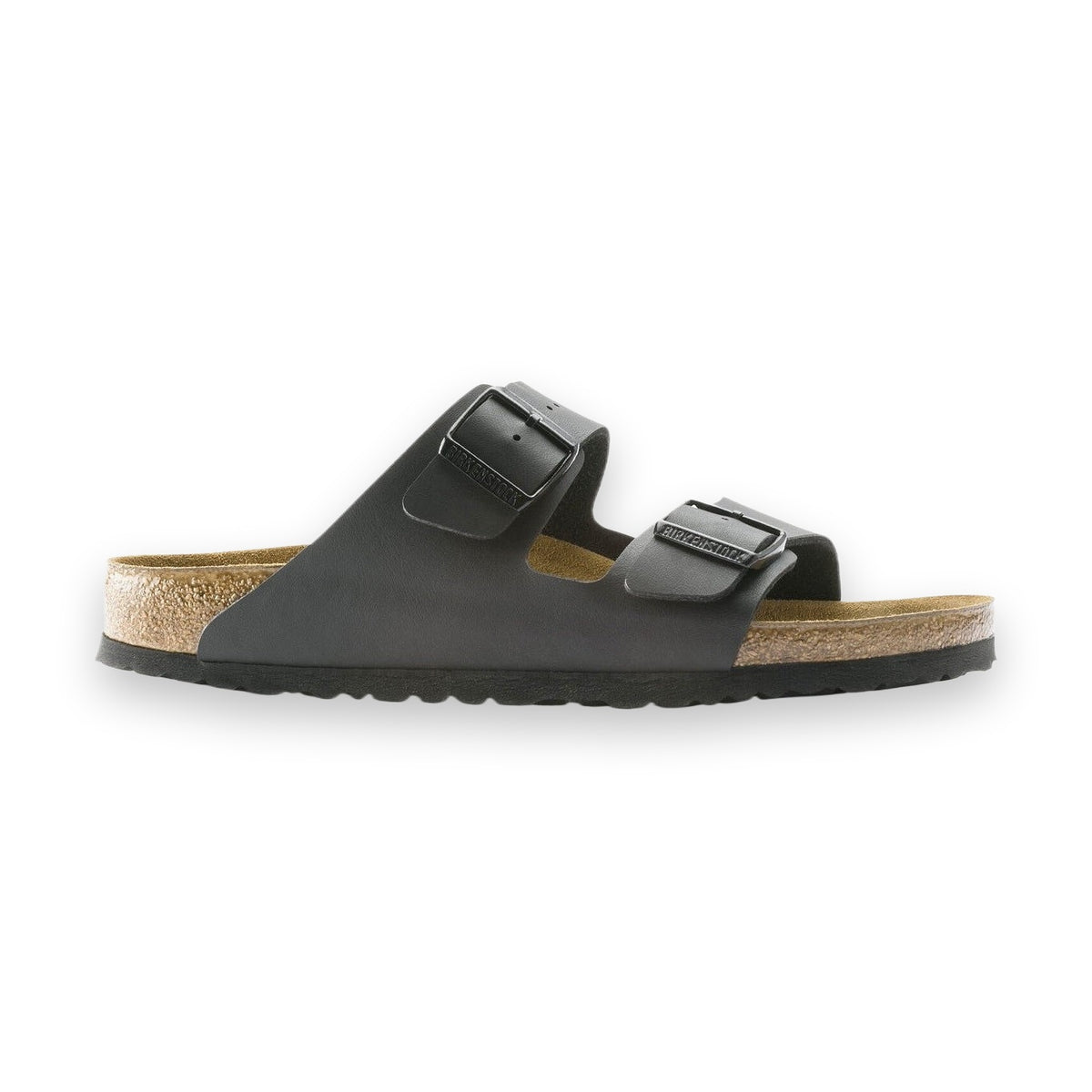
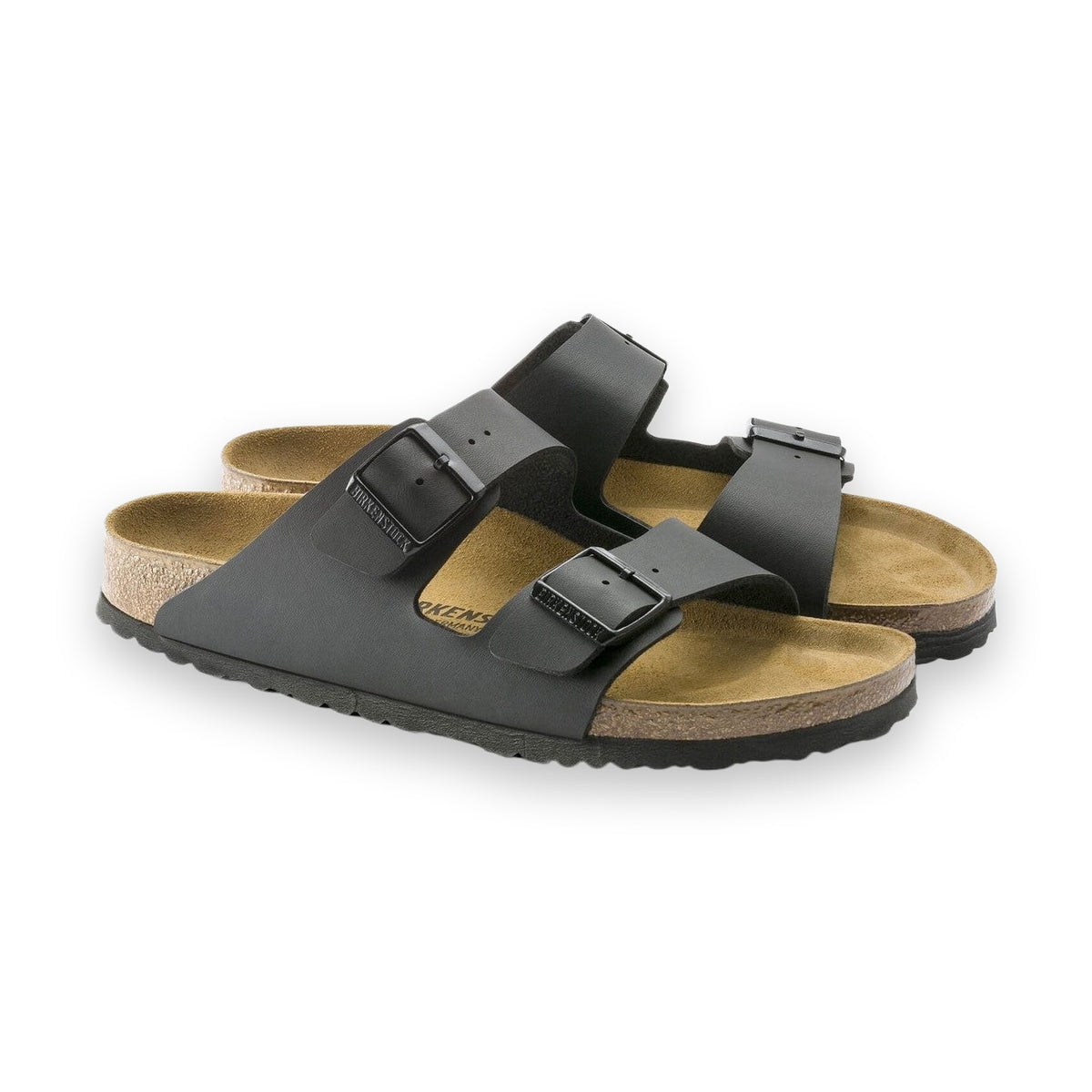
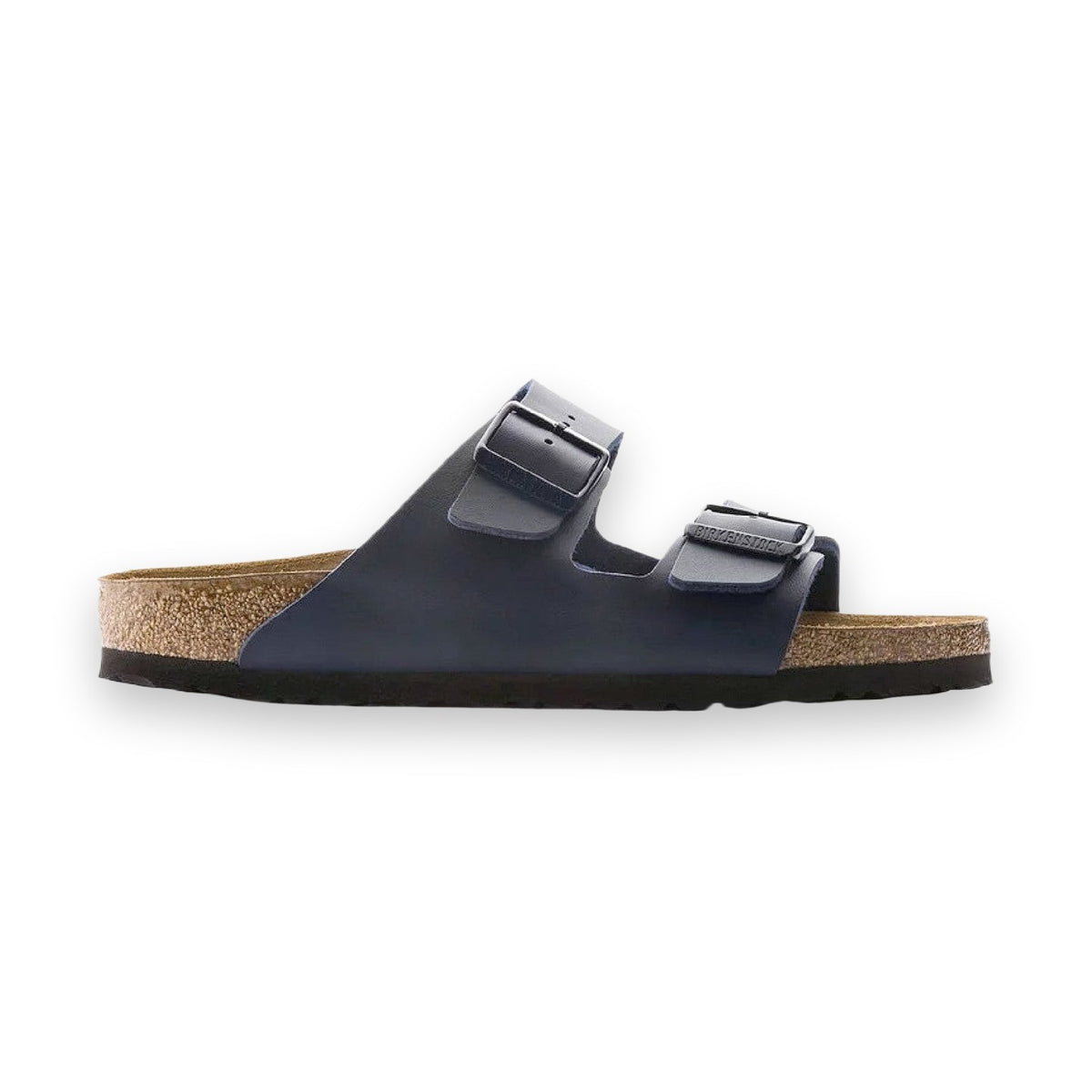
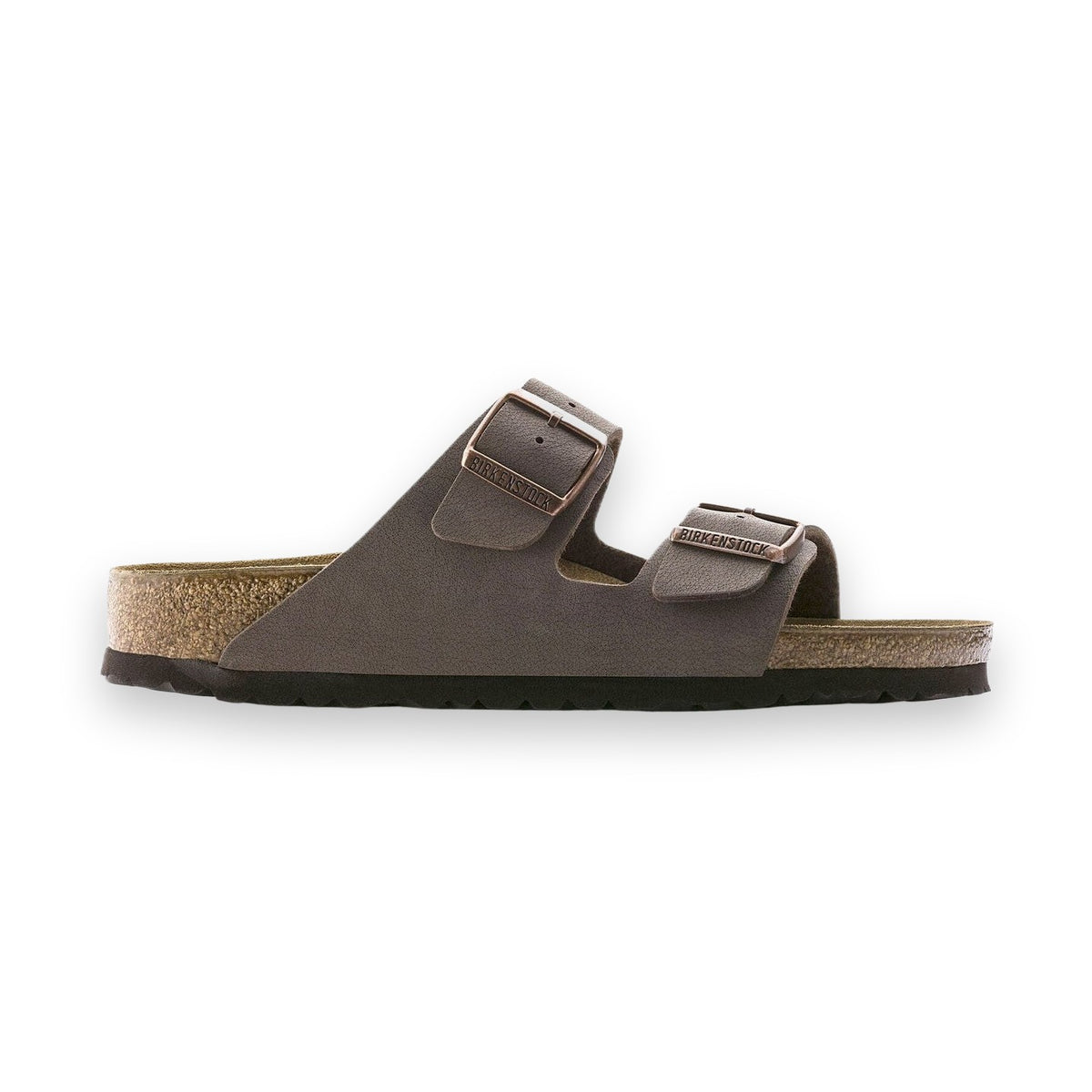
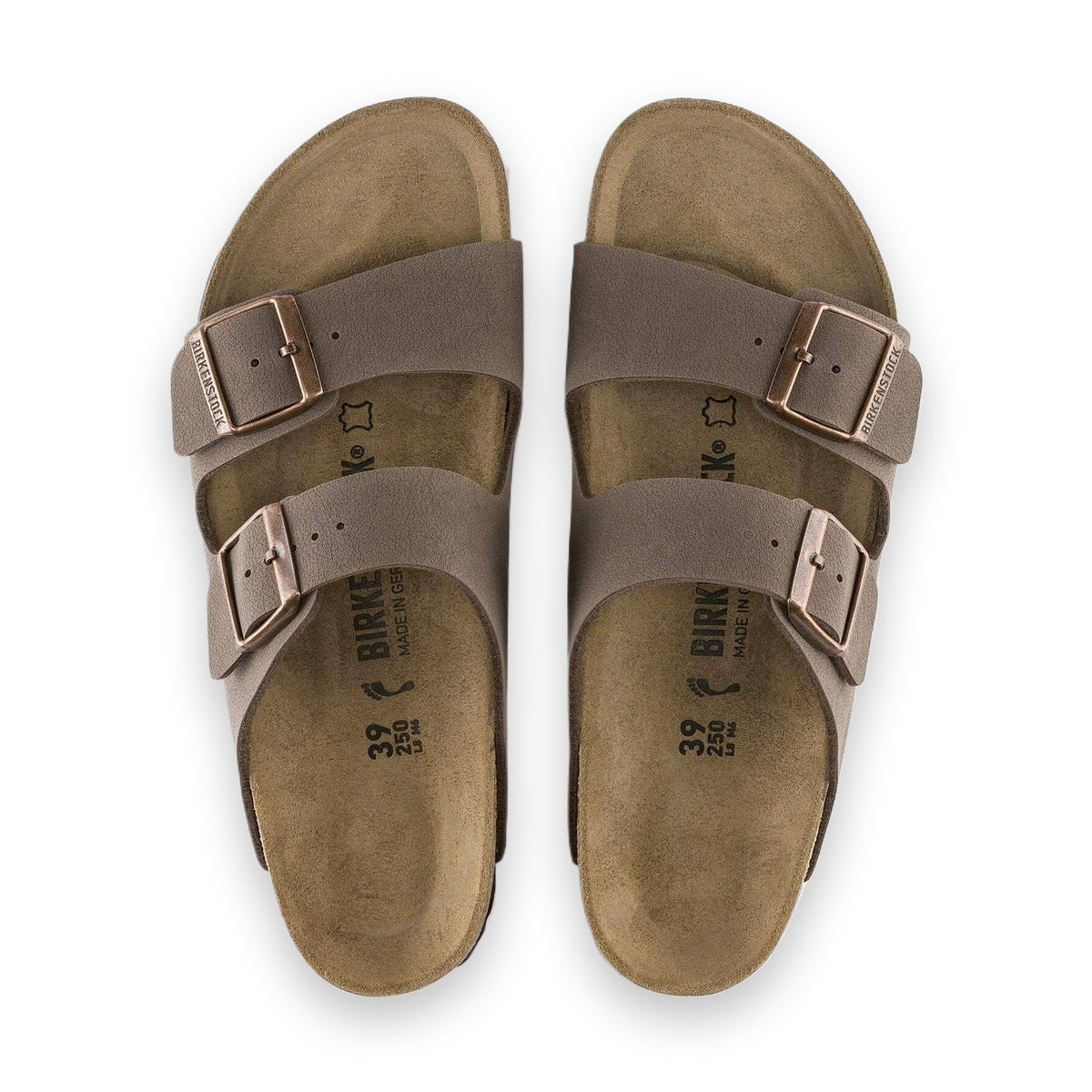
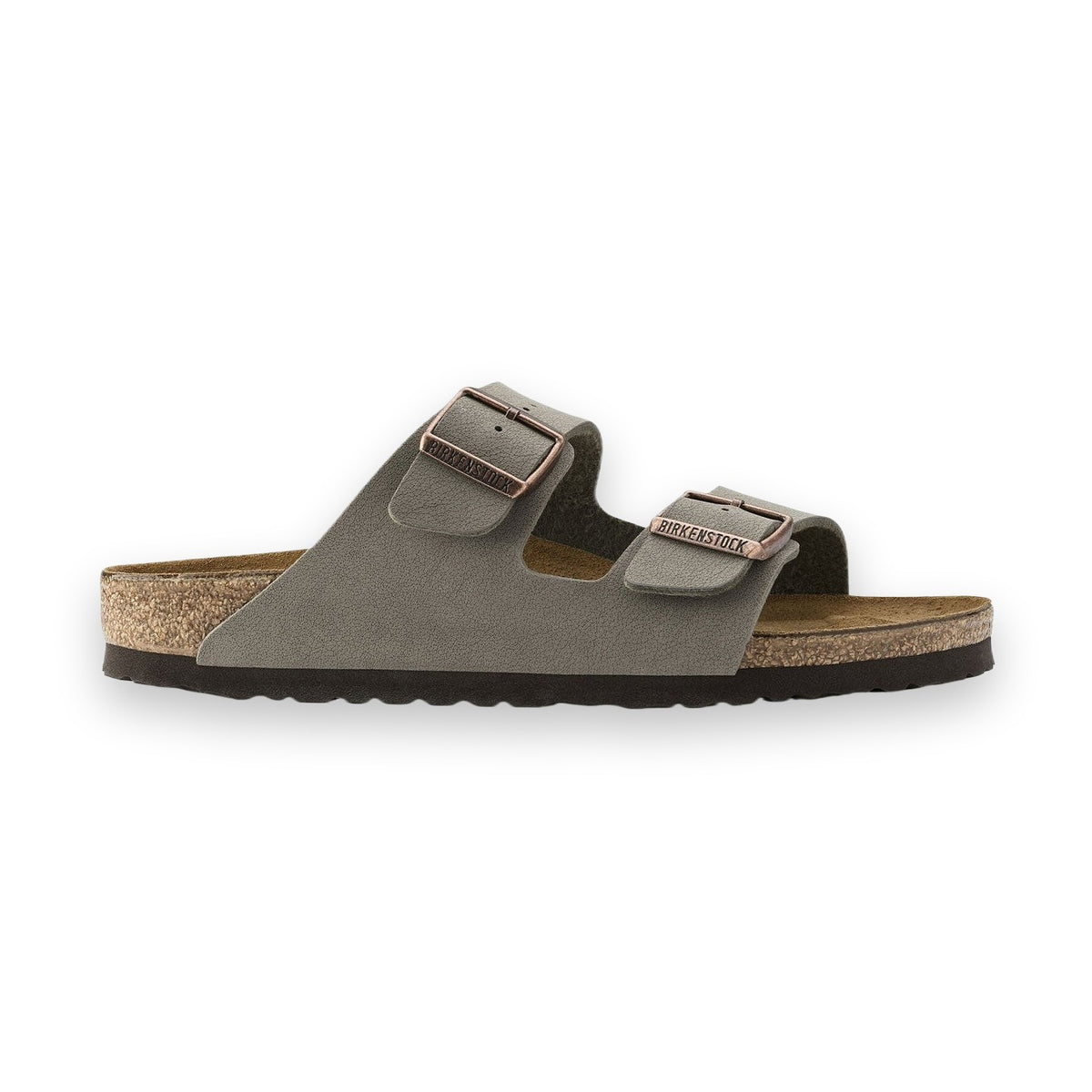
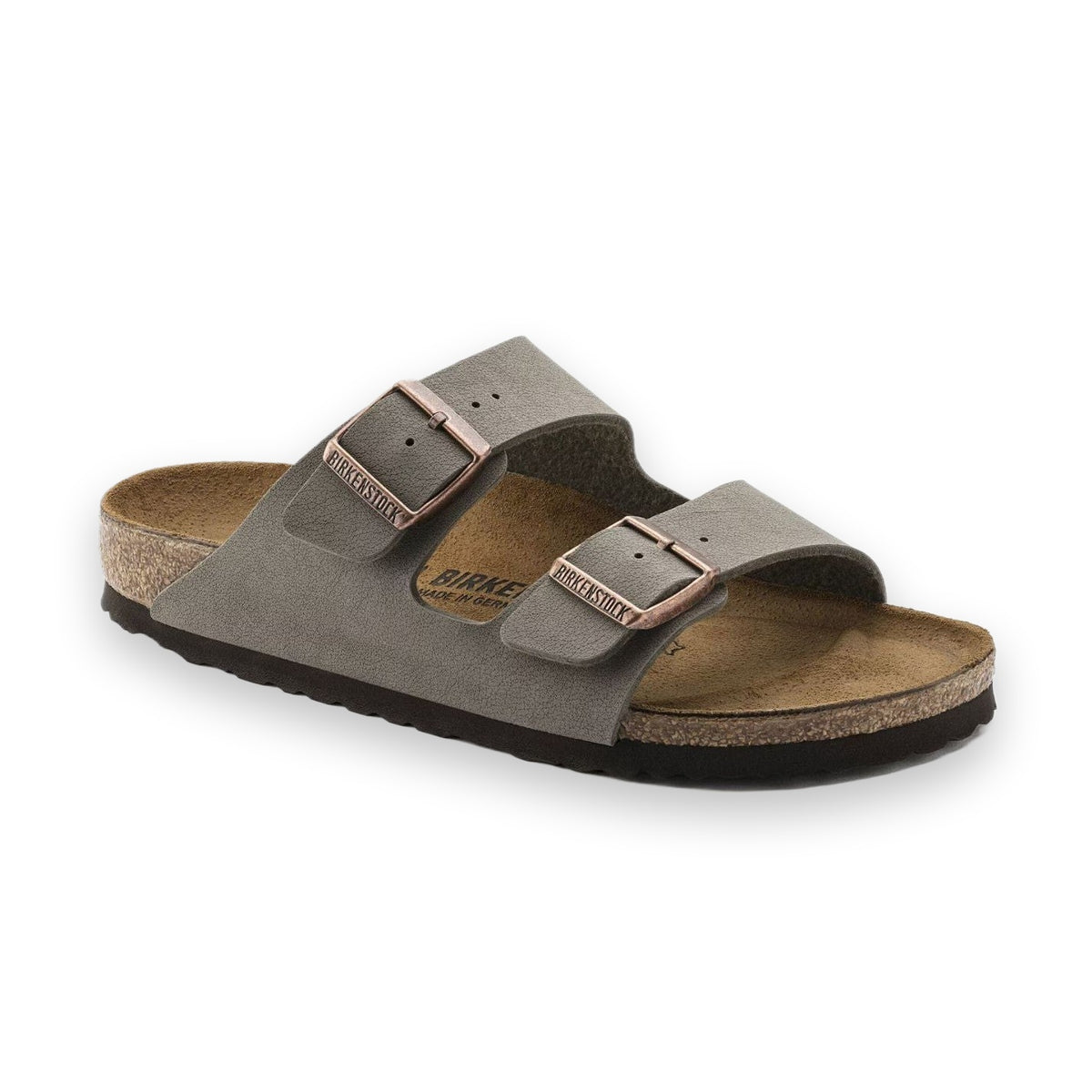
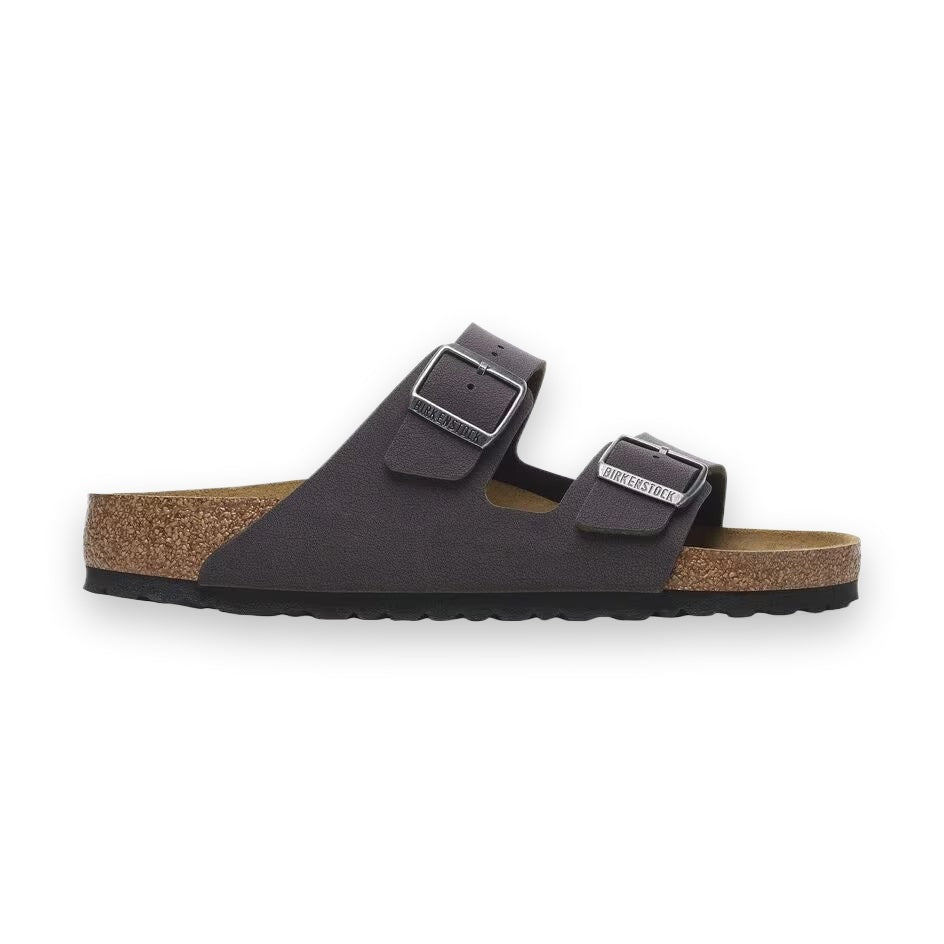
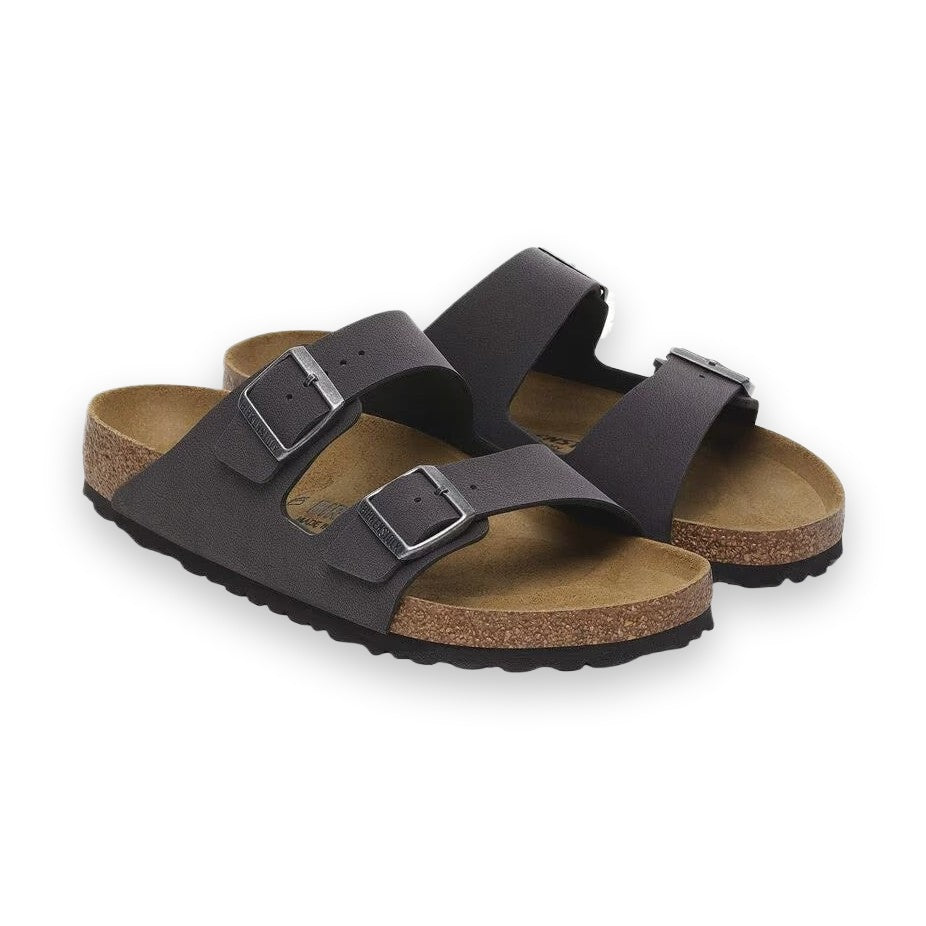
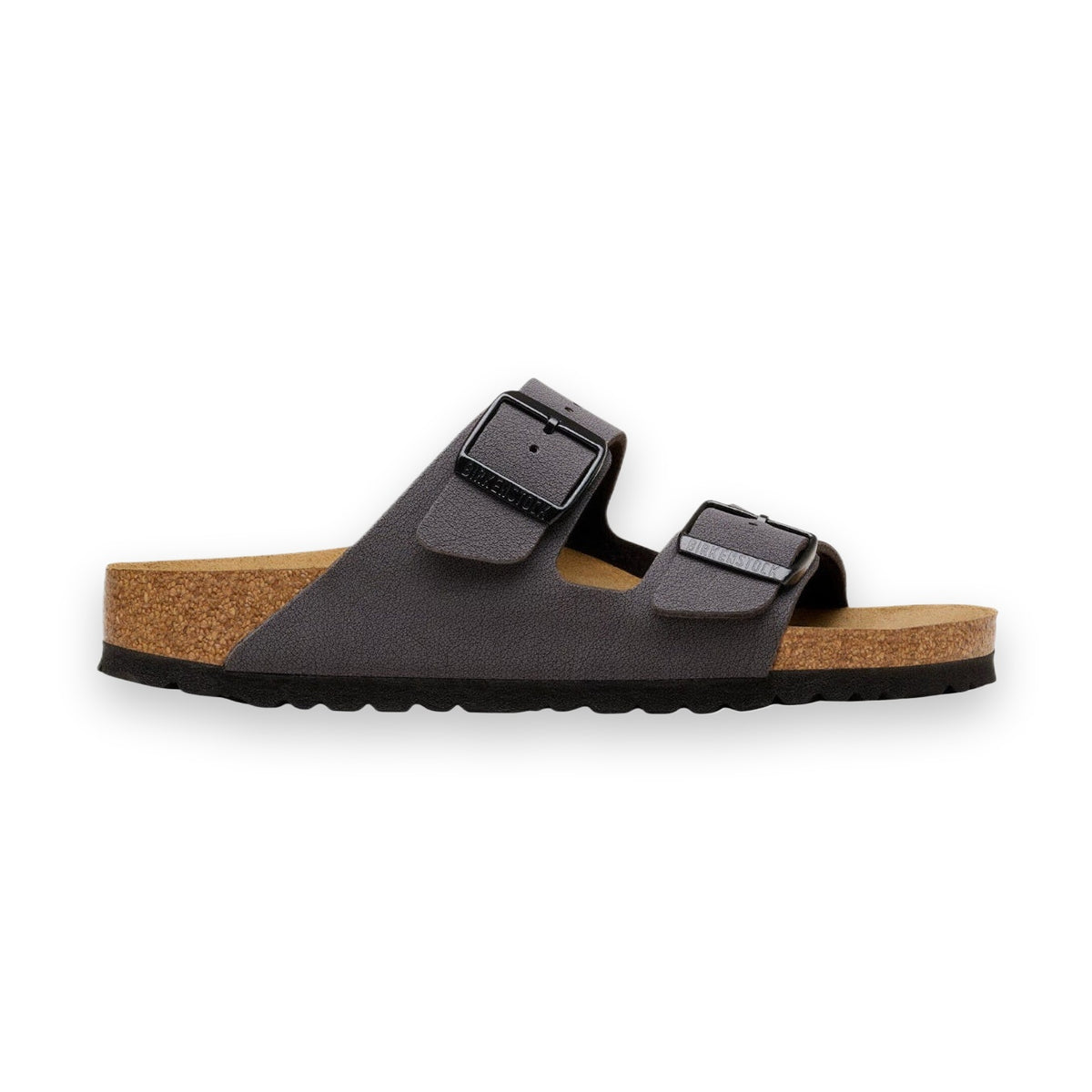
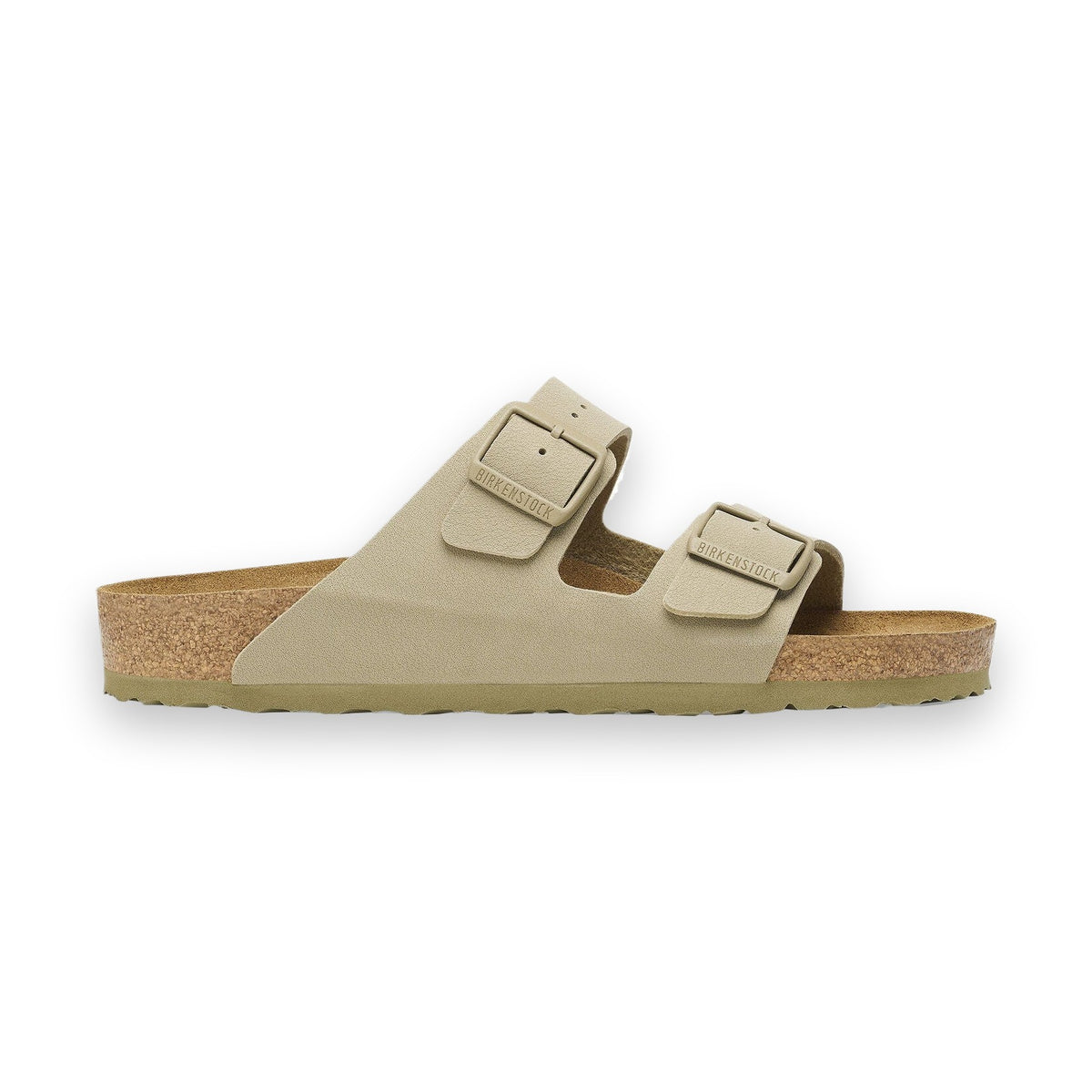
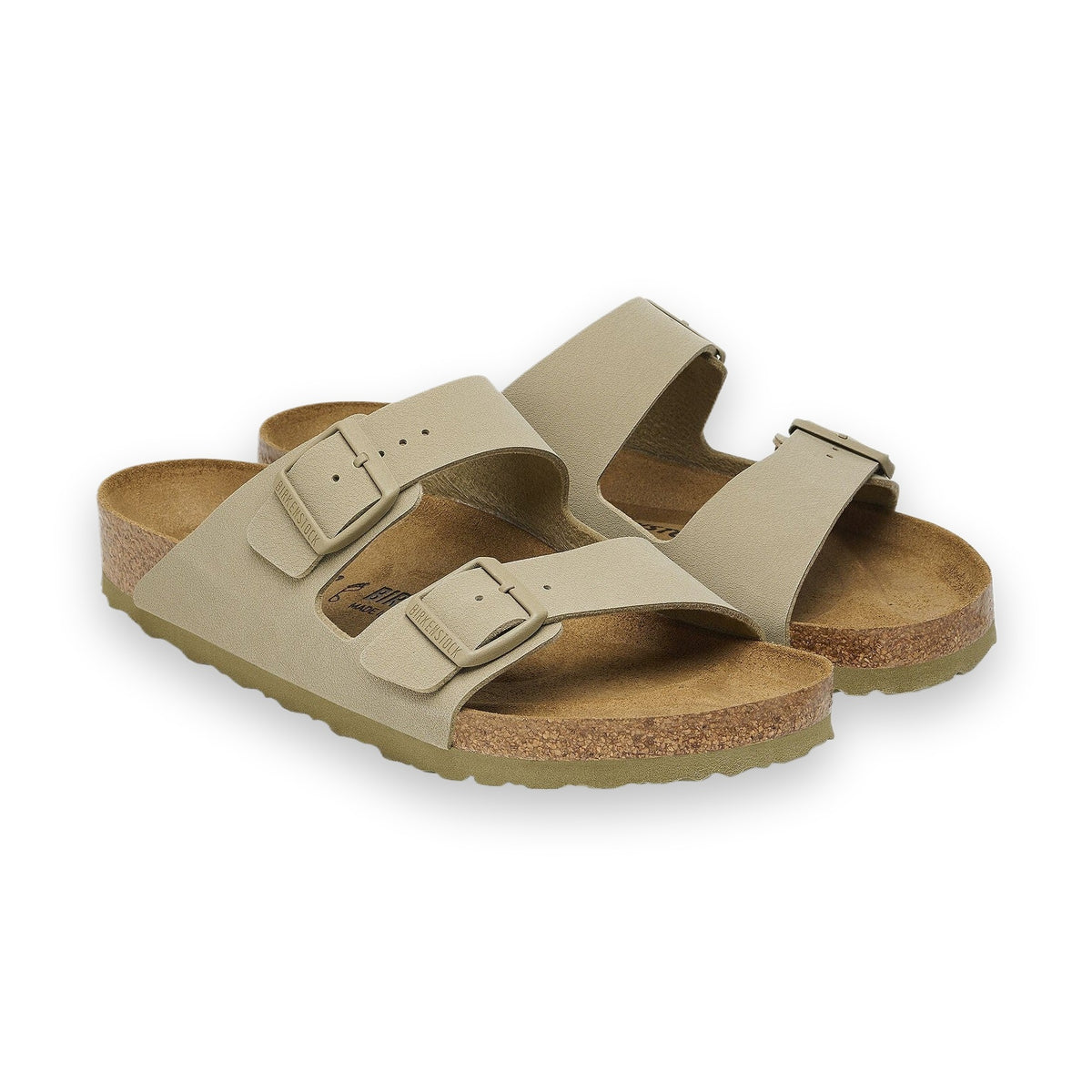
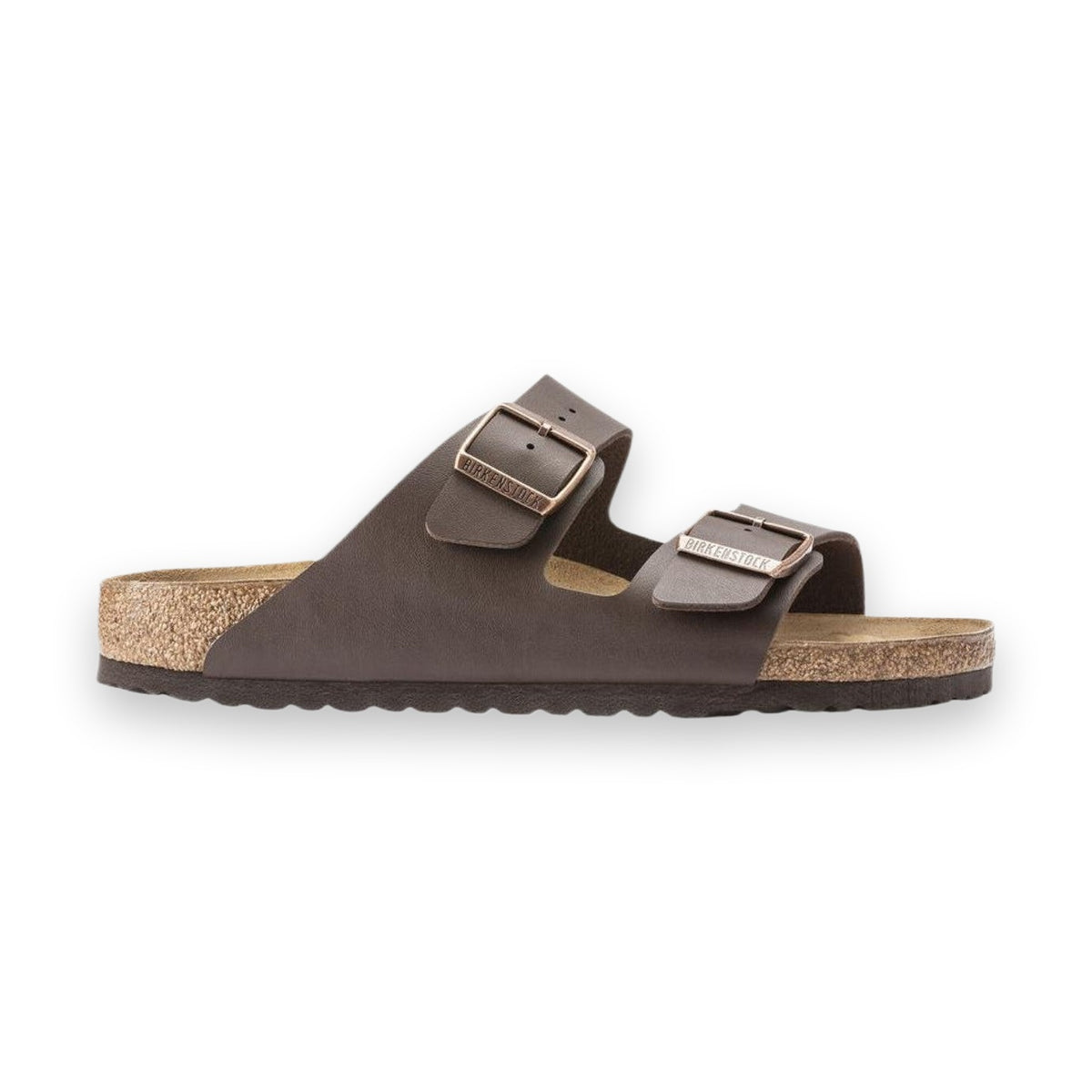
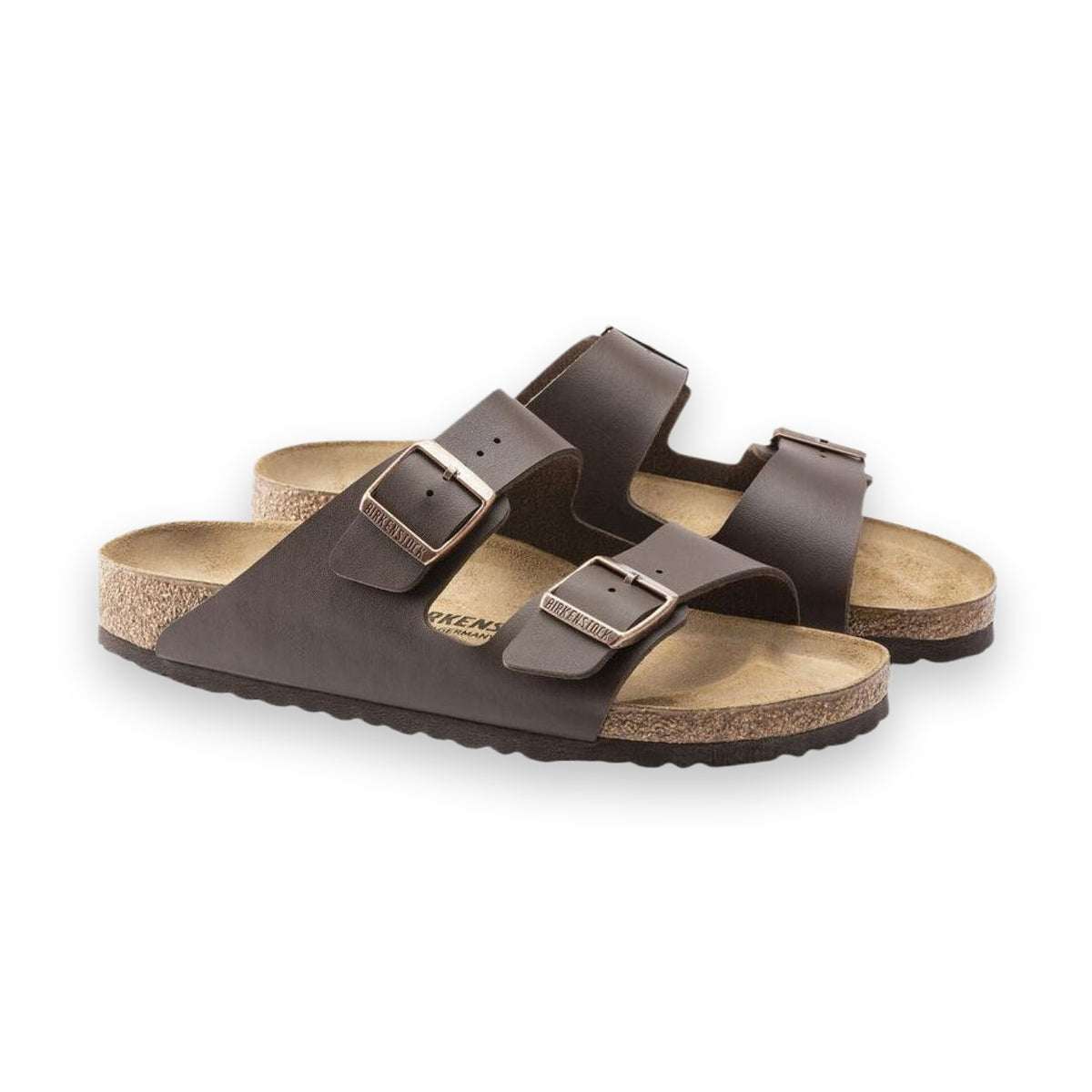
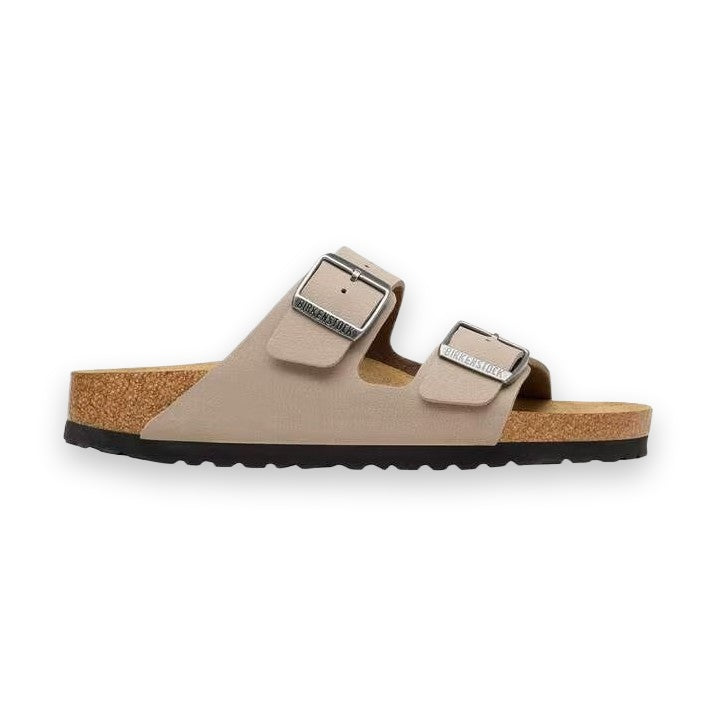
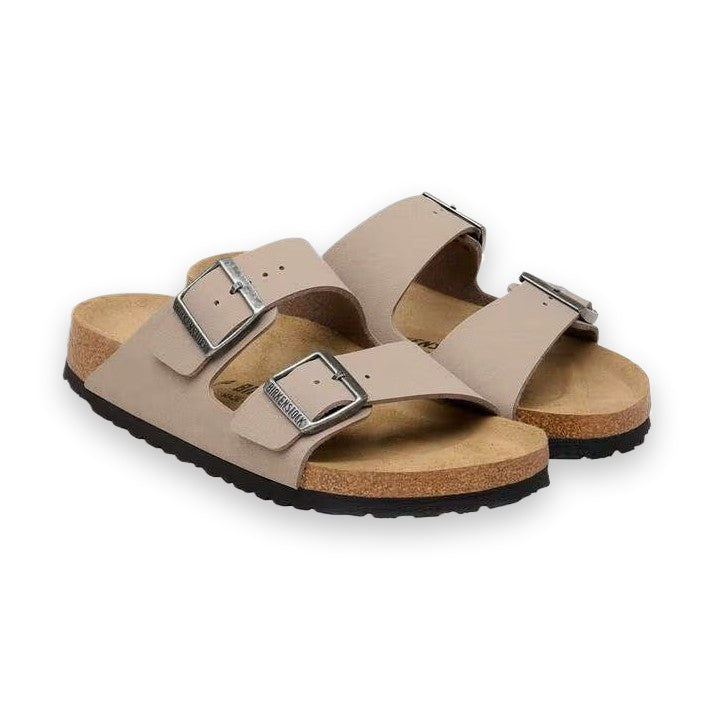
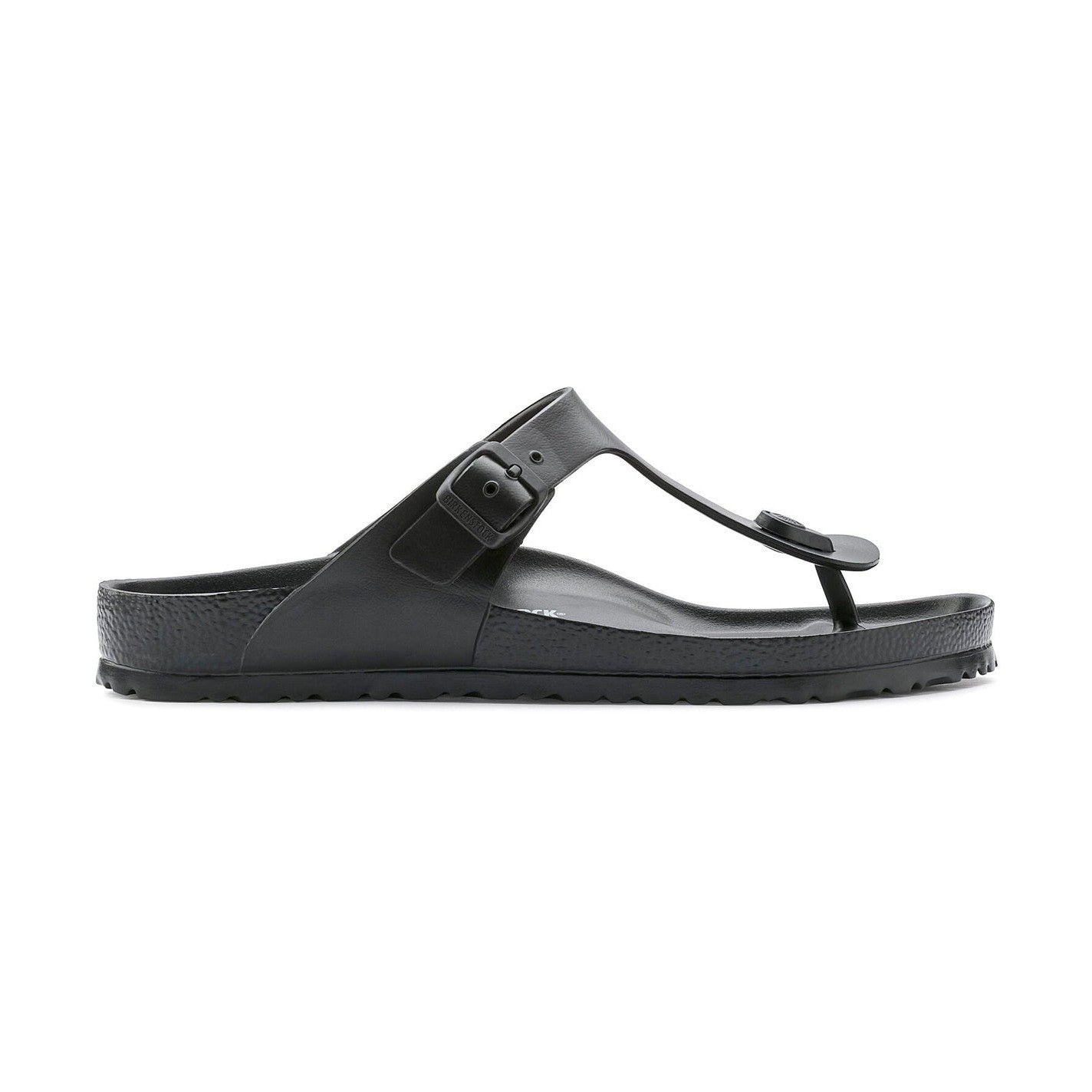
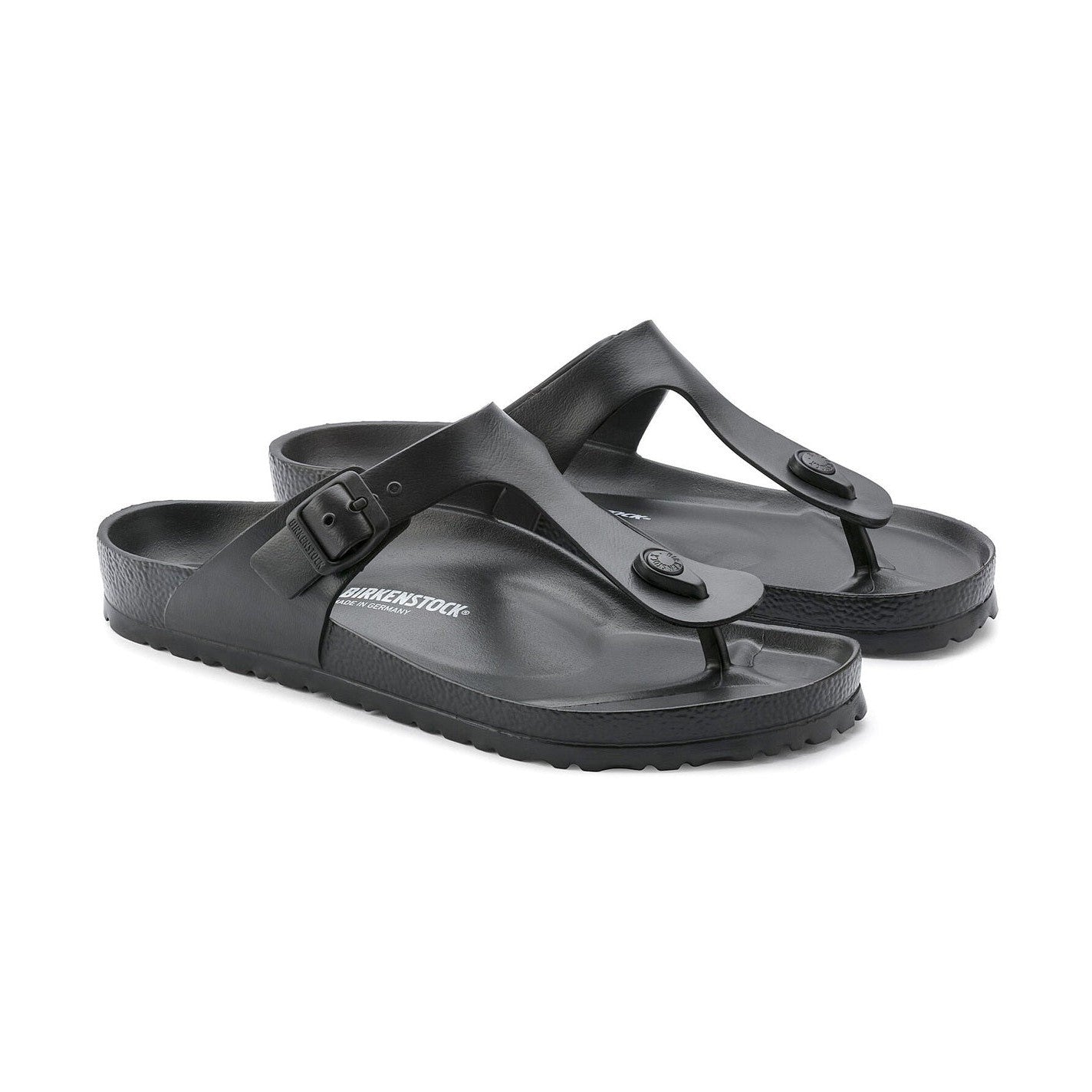
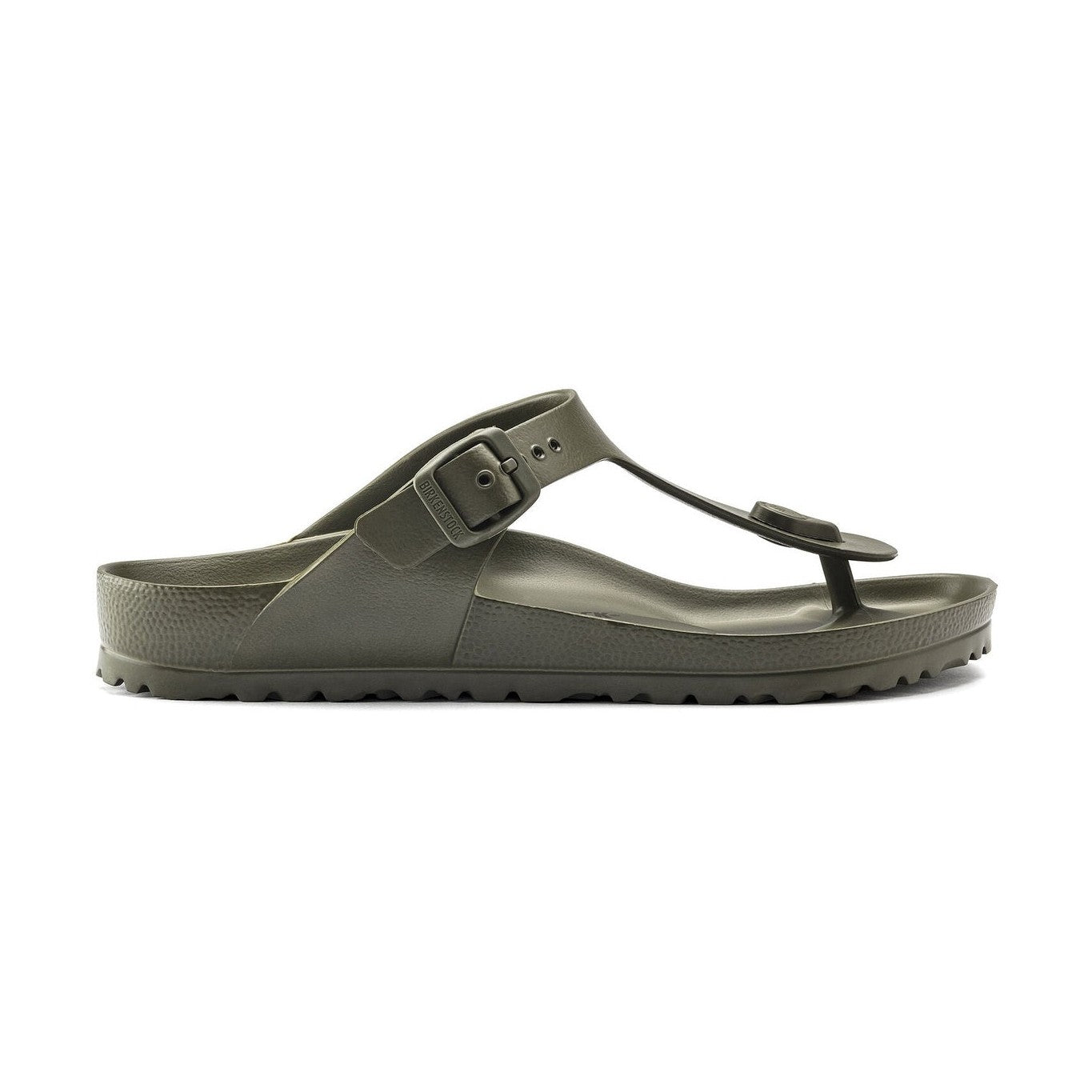
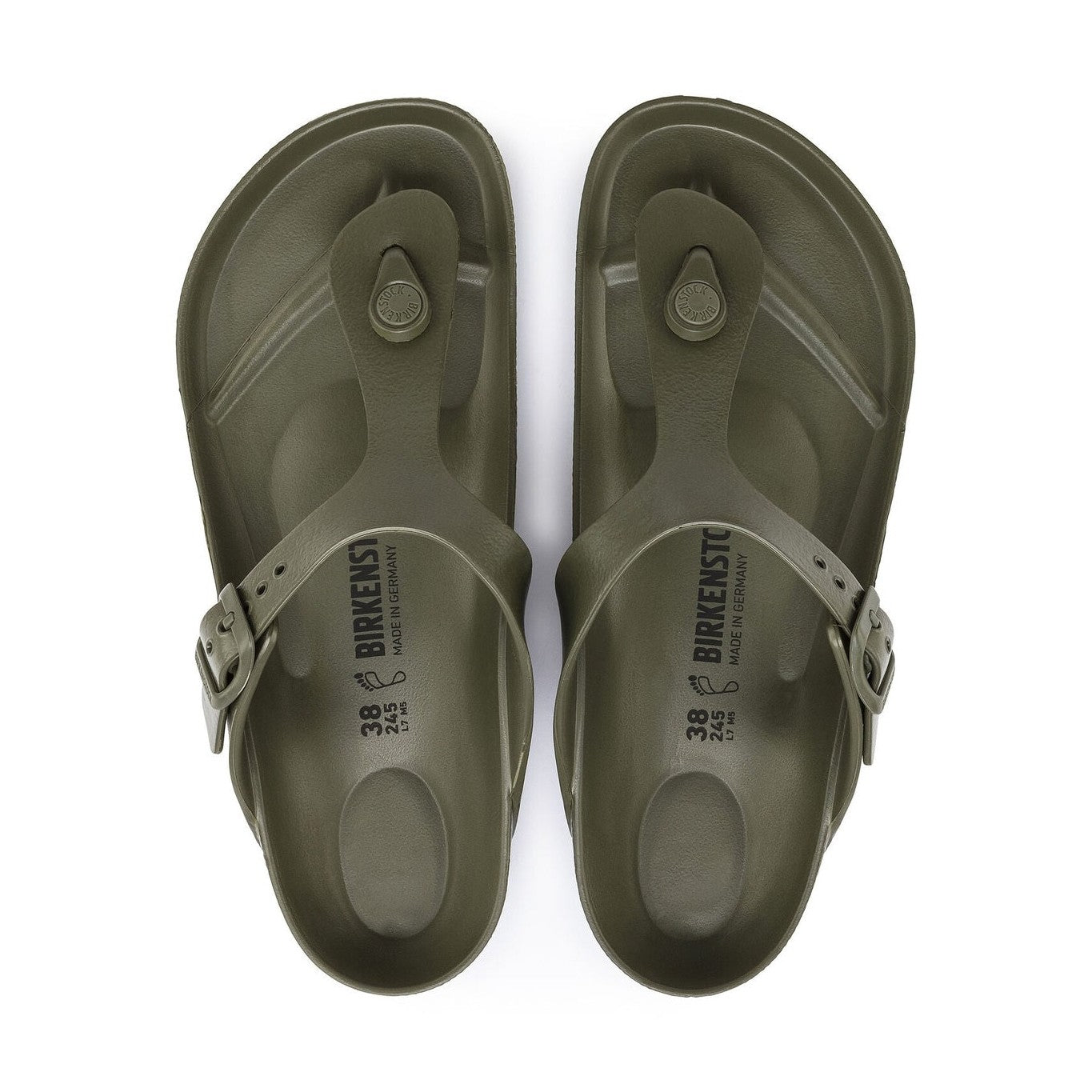
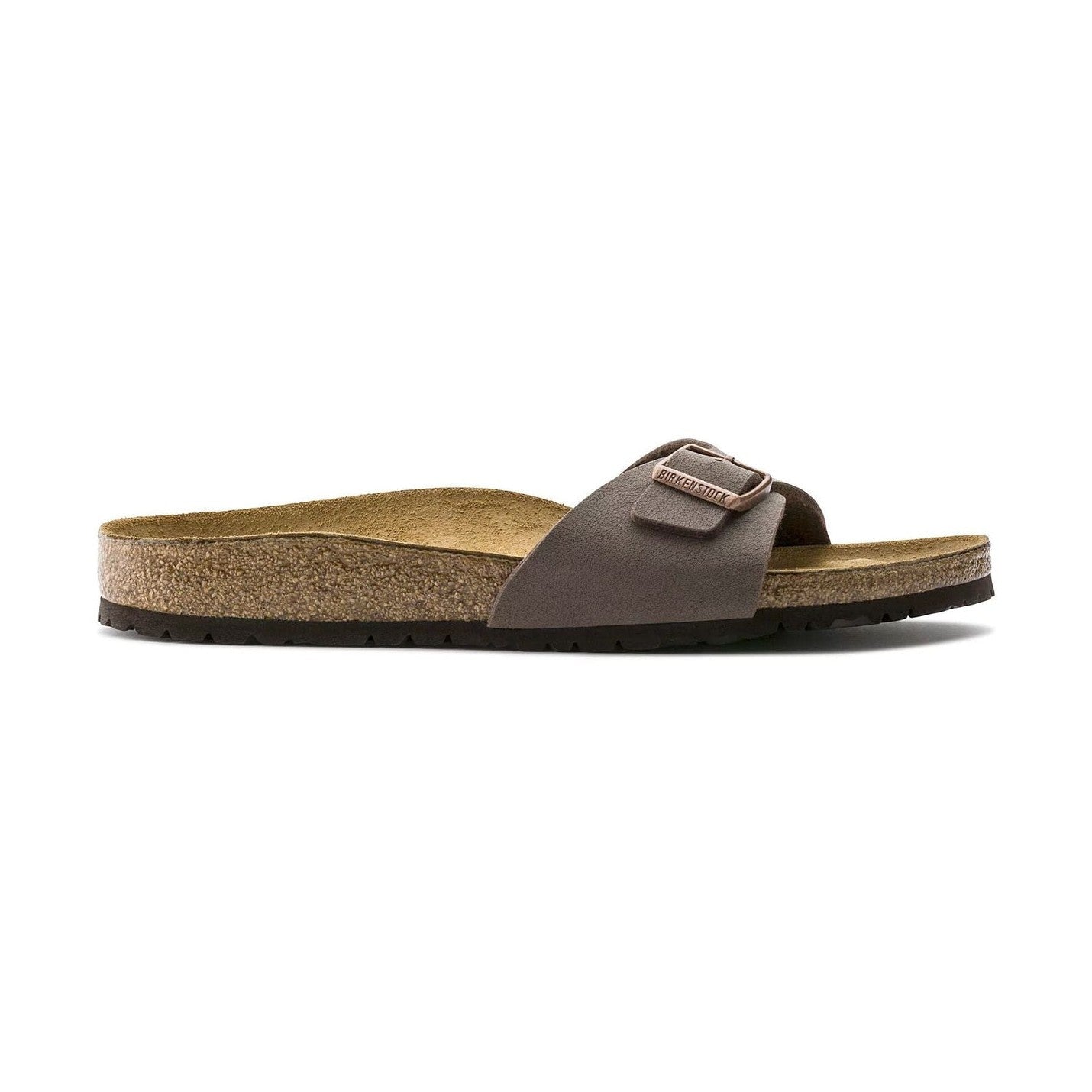
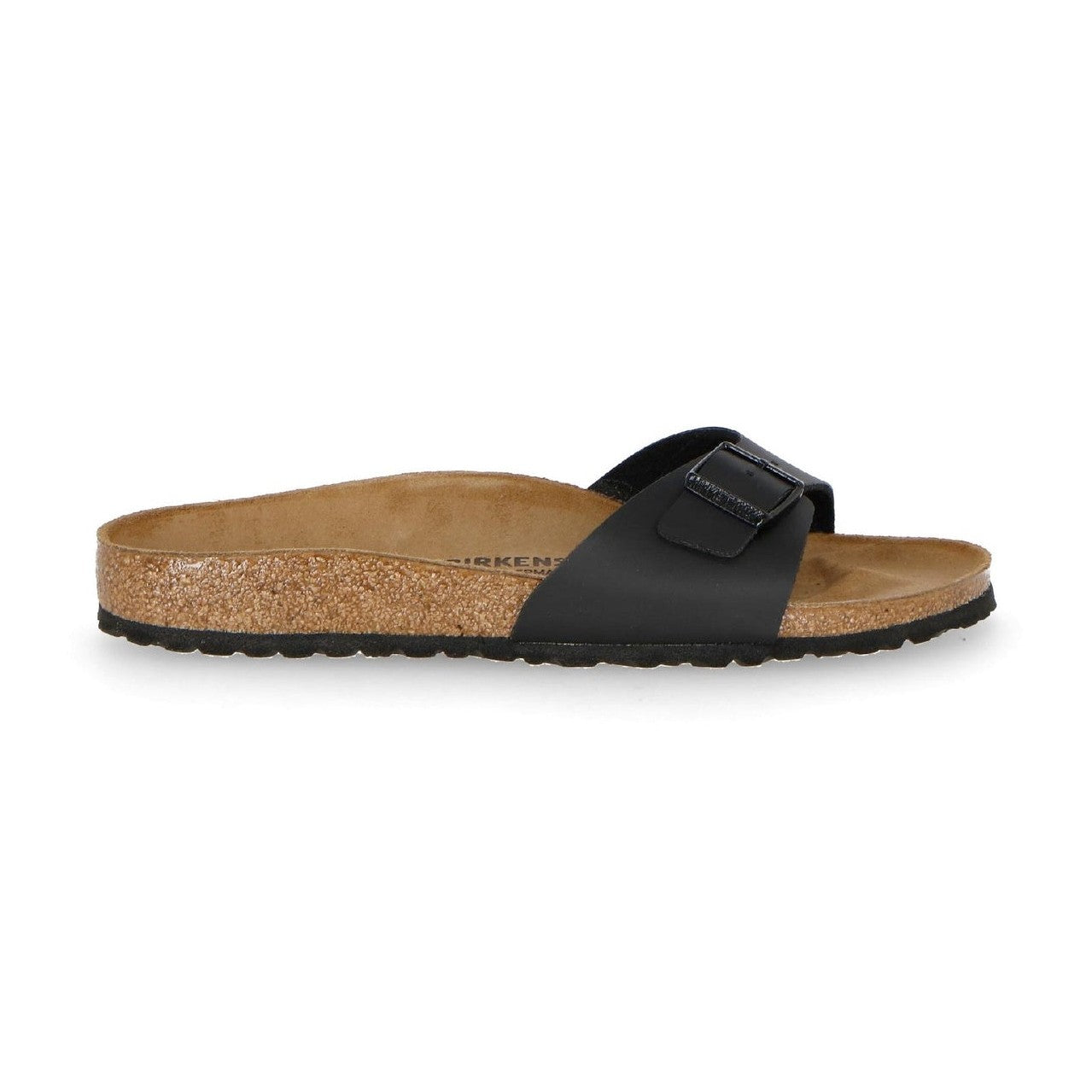
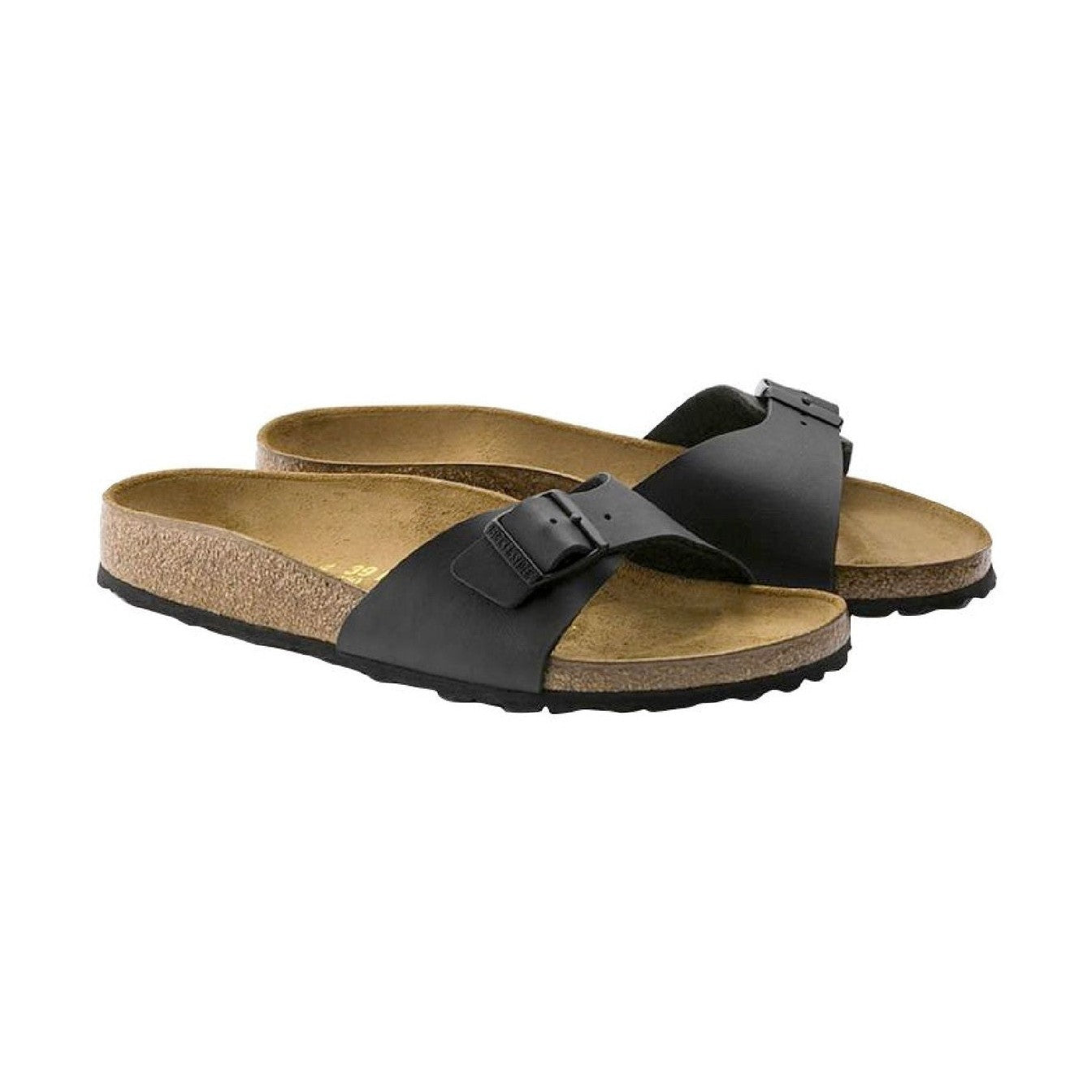
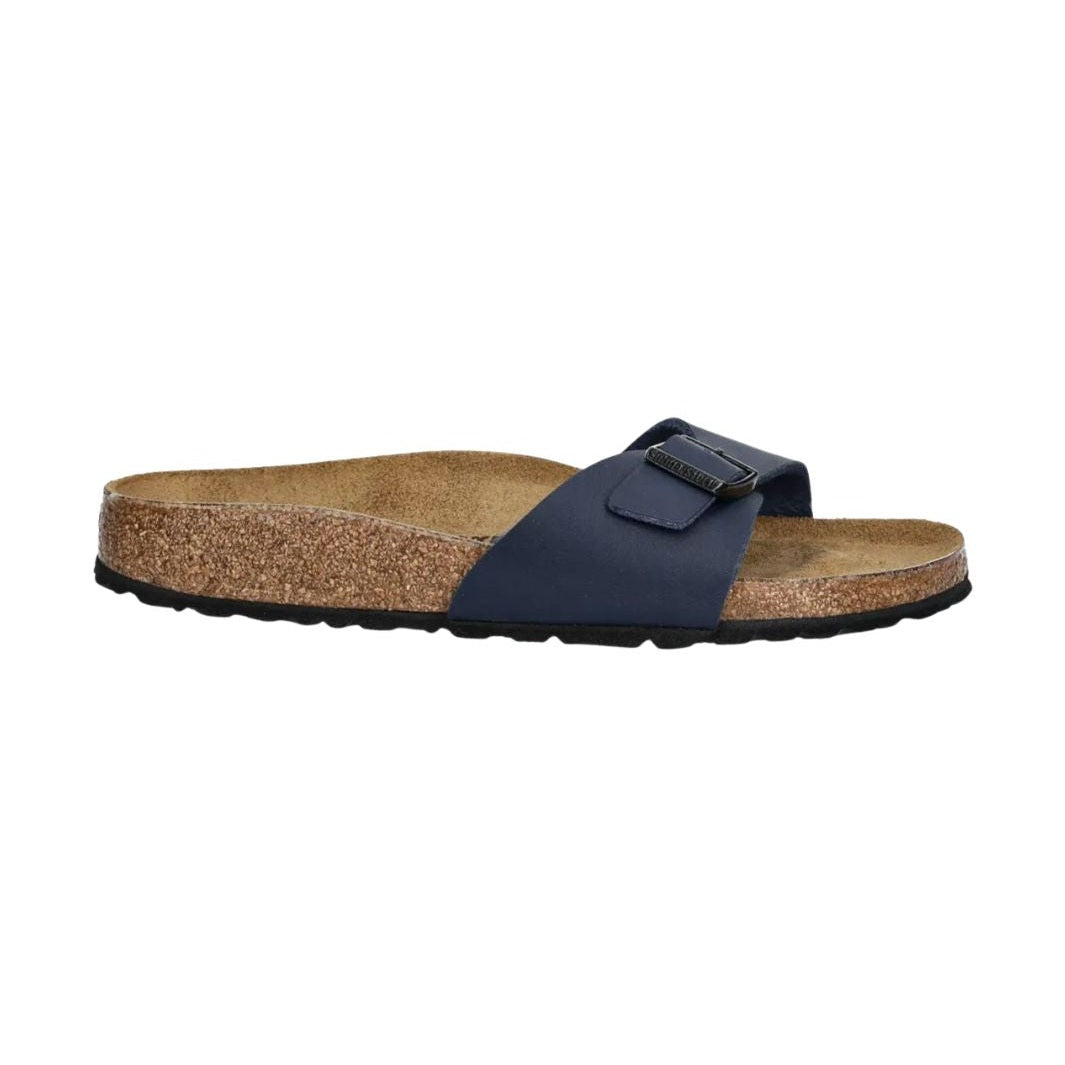
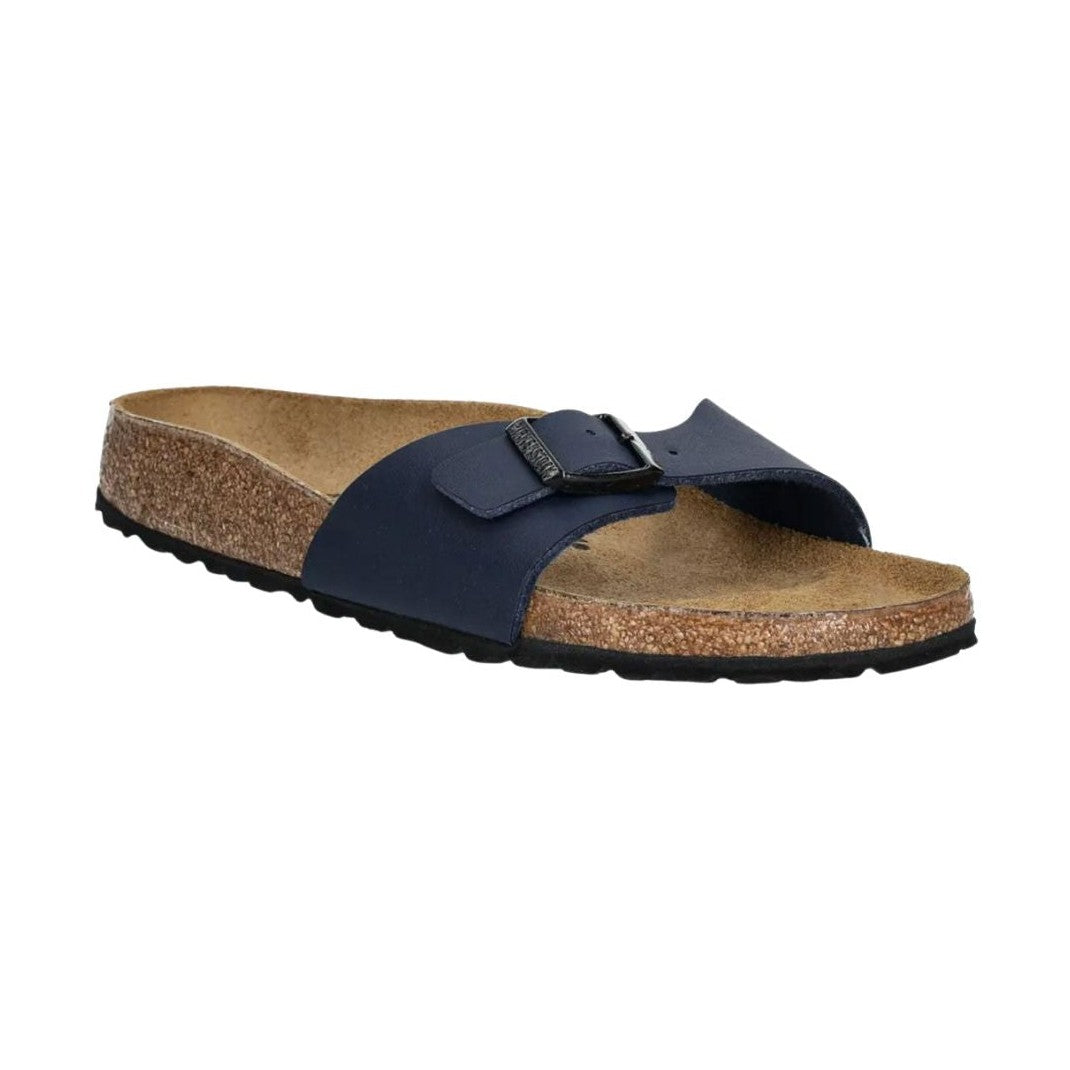
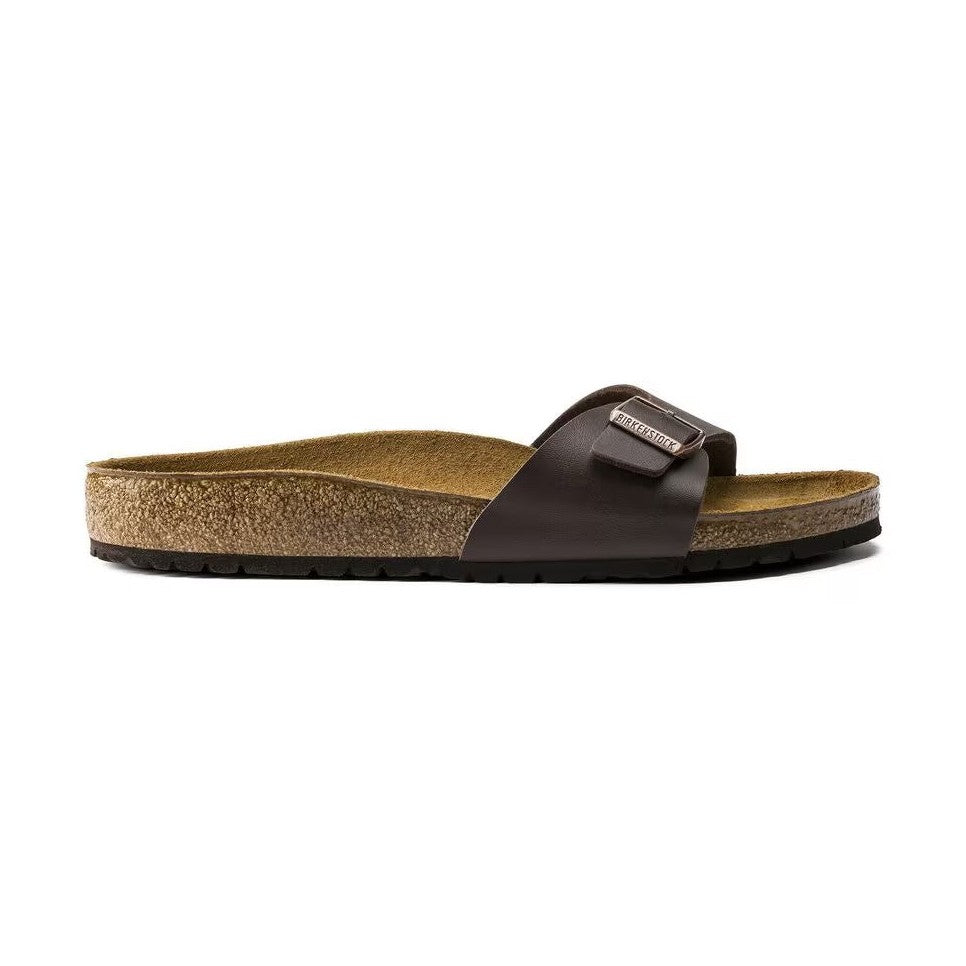
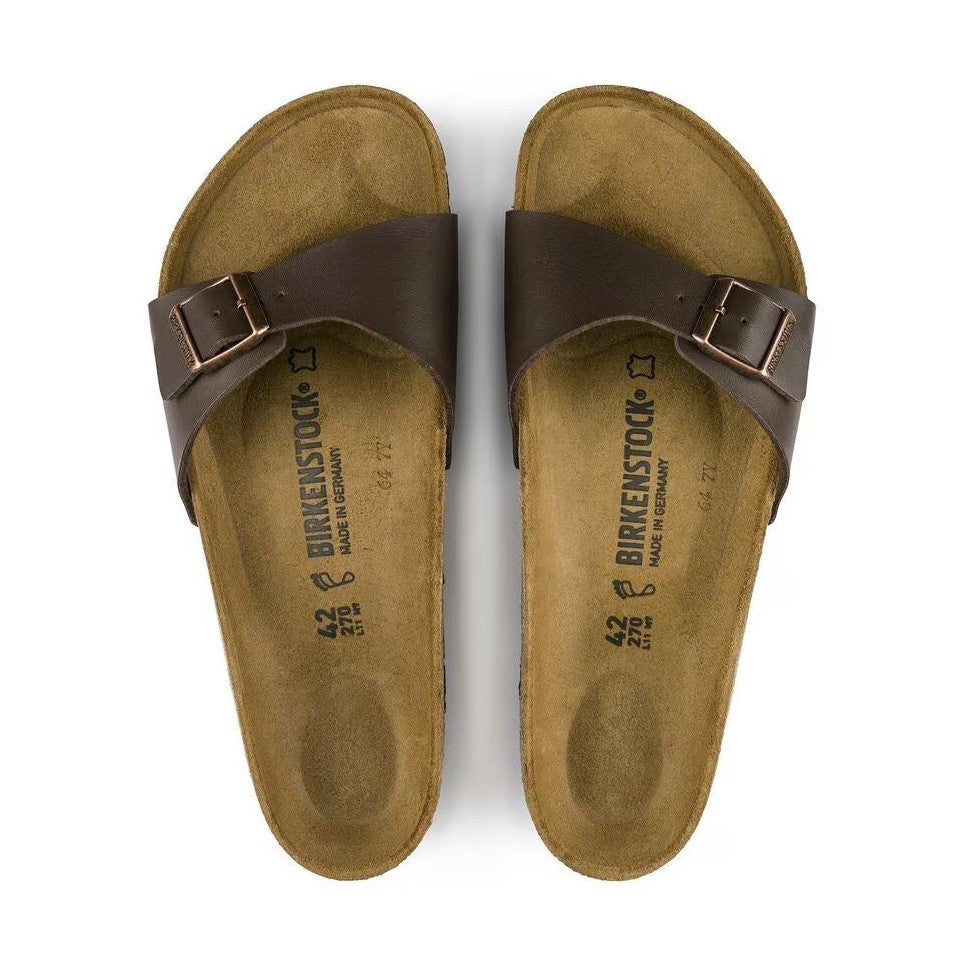
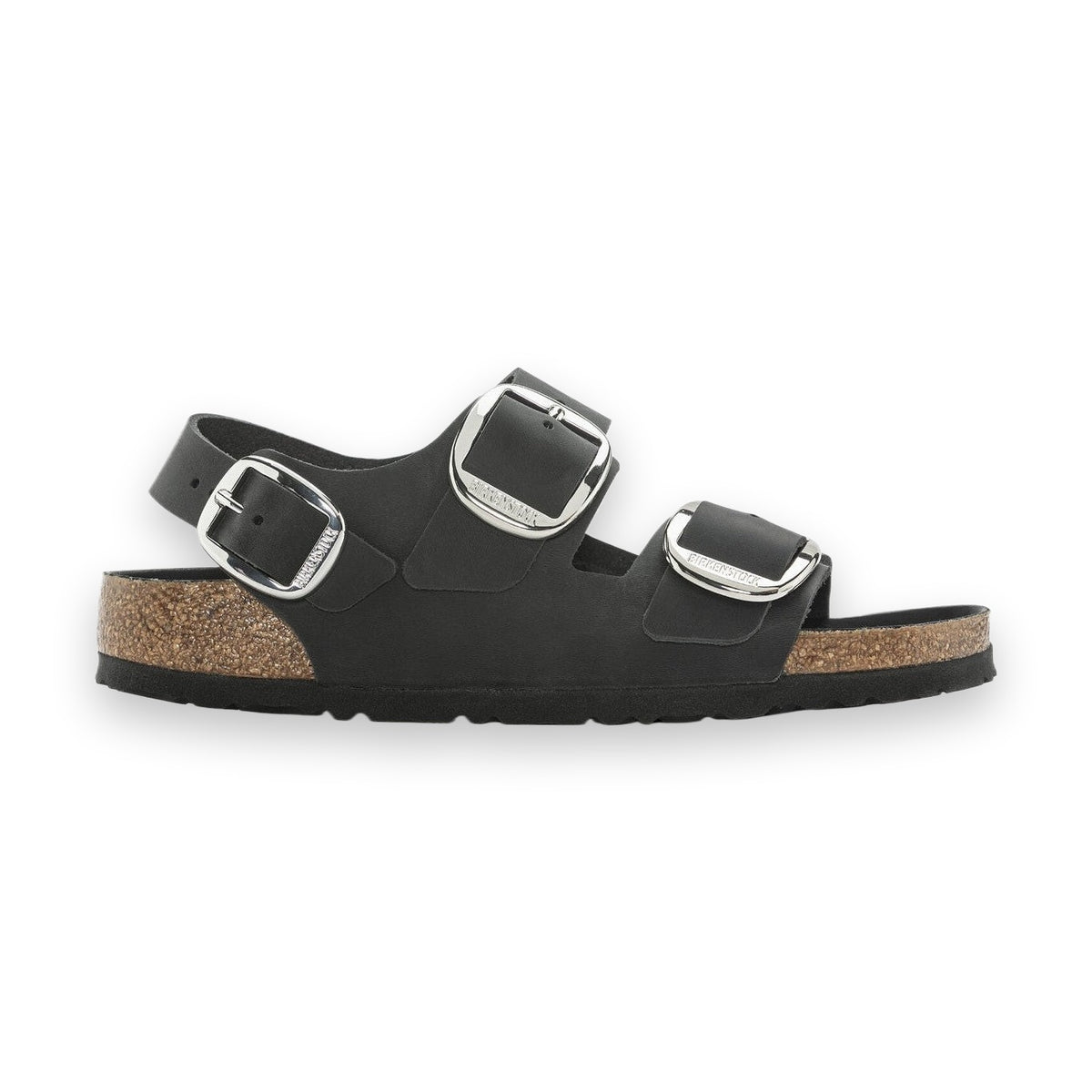
The quality criteria apply to all types of footwear, but with some specifics for open shoes. In a sandal, for example, the quality of the straps and the insole is even more decisive than in a closed shoe, because they are the only elements that hold the foot in position and separate it from the sole.
To explore how to apply these criteria to summer sandals, read: Comfortable sandals for summer: what to really look at before choosing them
Five questions to ask yourself before buying
- What's written on the materials label? If it's not indicated, ask. A brand that doesn't declare its materials has no interest in doing so.
- Is the sole stitched or just glued? And if it's glued, is the joint uniform and without imperfections?
- Is the heel counter solid? Press from the inside: it must resist.
- Are the stitches regular all over the shoe? Also check the less visible areas, such as the inner edge and the junction between upper and sole.
- How does the shoe behave under torsion? Rigid in the centre, flexible at the toe: it's the sign of a balanced construction.
Conclusion
Recognising a quality shoe doesn't require particular technical skills, it requires knowing where to look. Declared and verifiable materials, careful stitched or glued construction, adequate sole, regular finishes and symmetry: these are concrete signs, visible and touchable even before putting the shoe on.
A shoe chosen with these criteria lasts longer, performs better over time and often costs less per use than three pairs of cheap shoes replaced every season. It's a choice that makes sense for the wallet, for the feet and for the environment.
At Natural Shoes we select every brand with the same criteria you find in this guide: verifiable materials, careful construction, attention to durability over time.