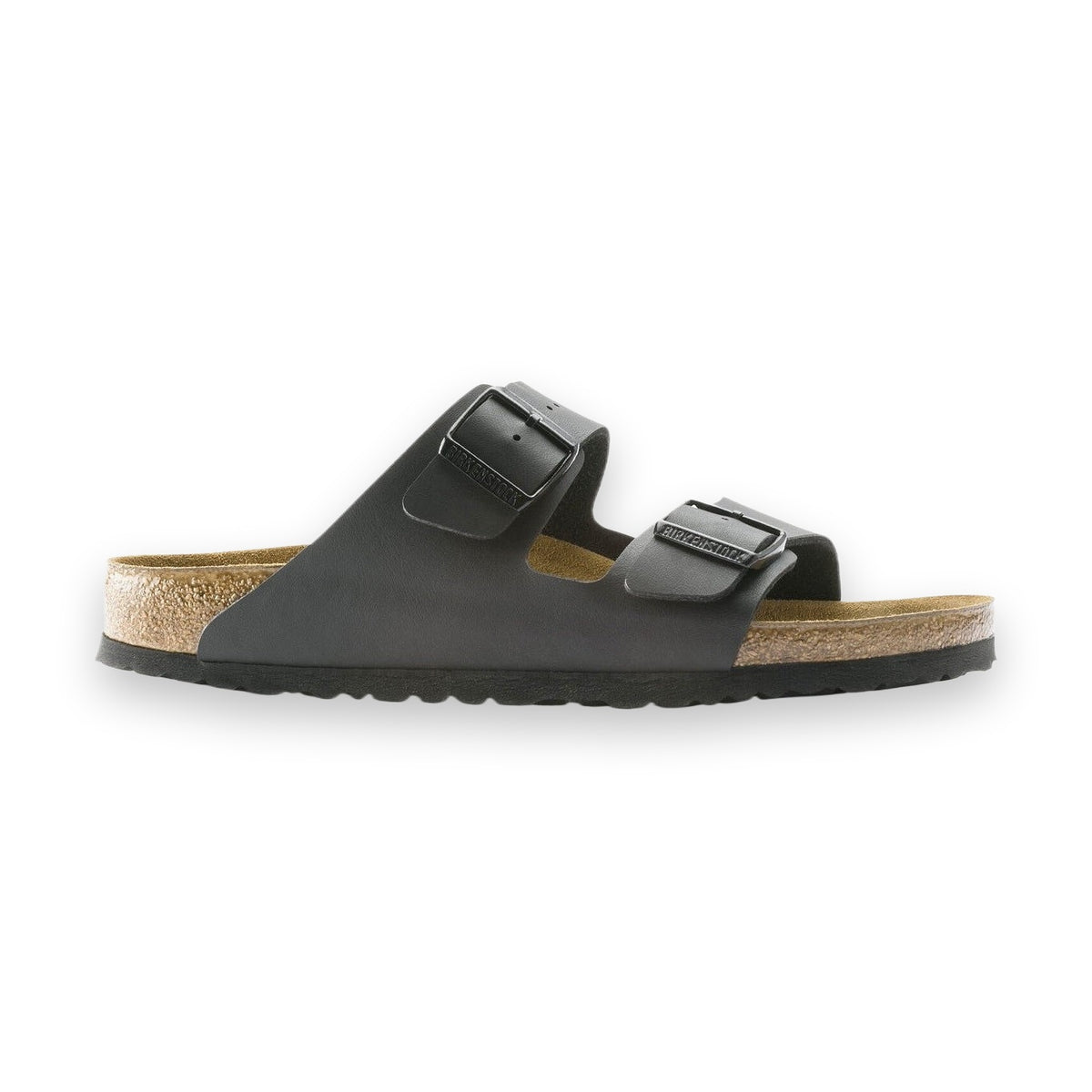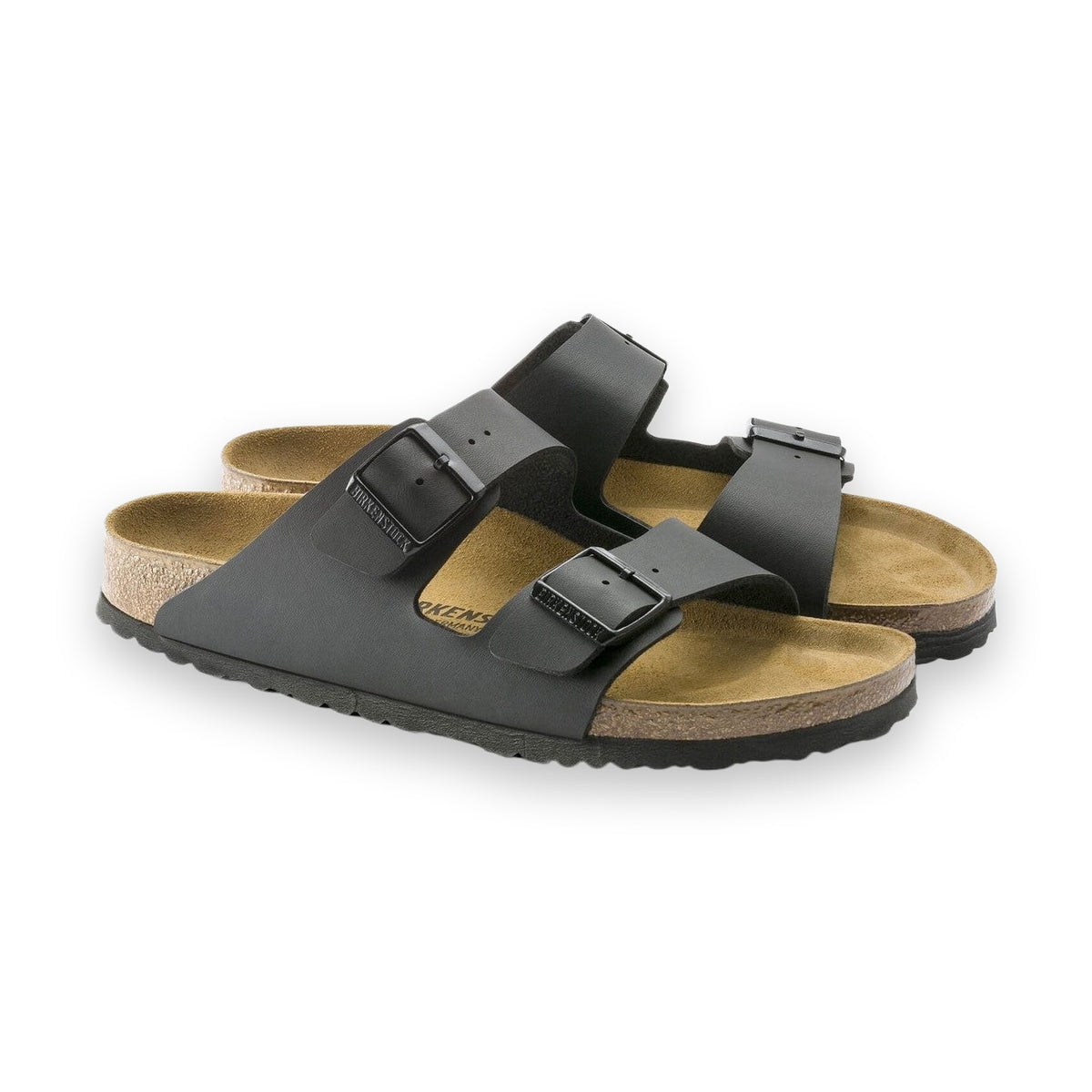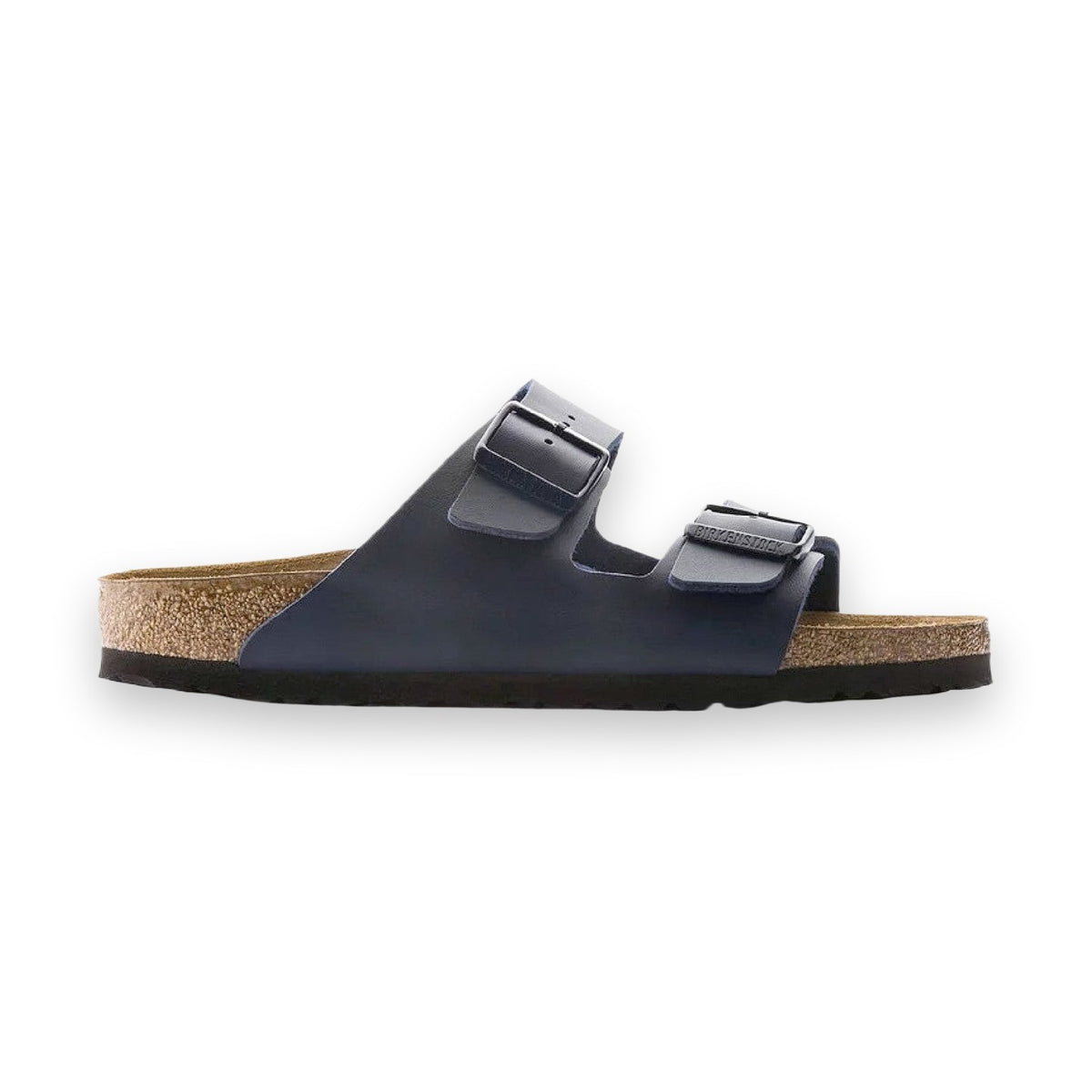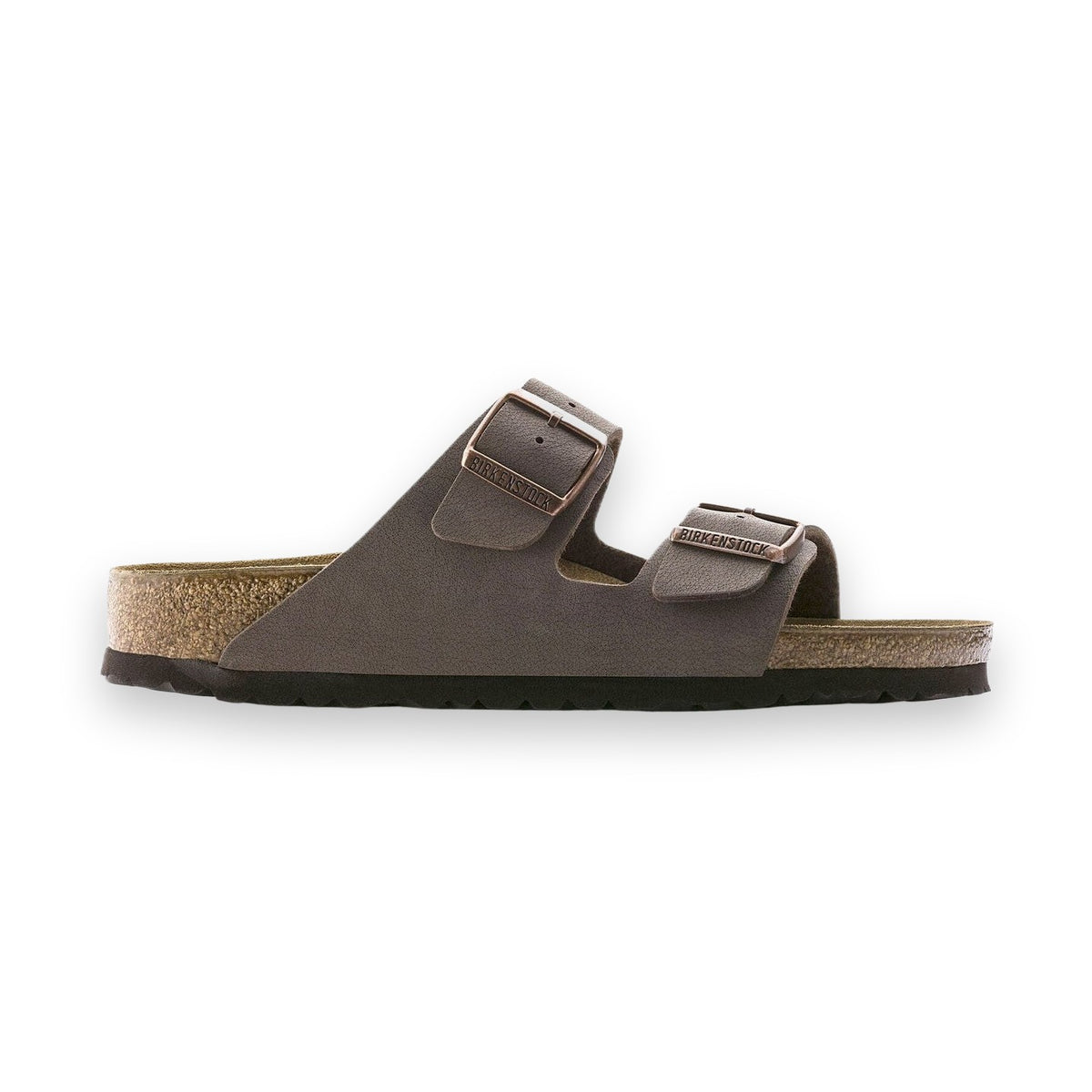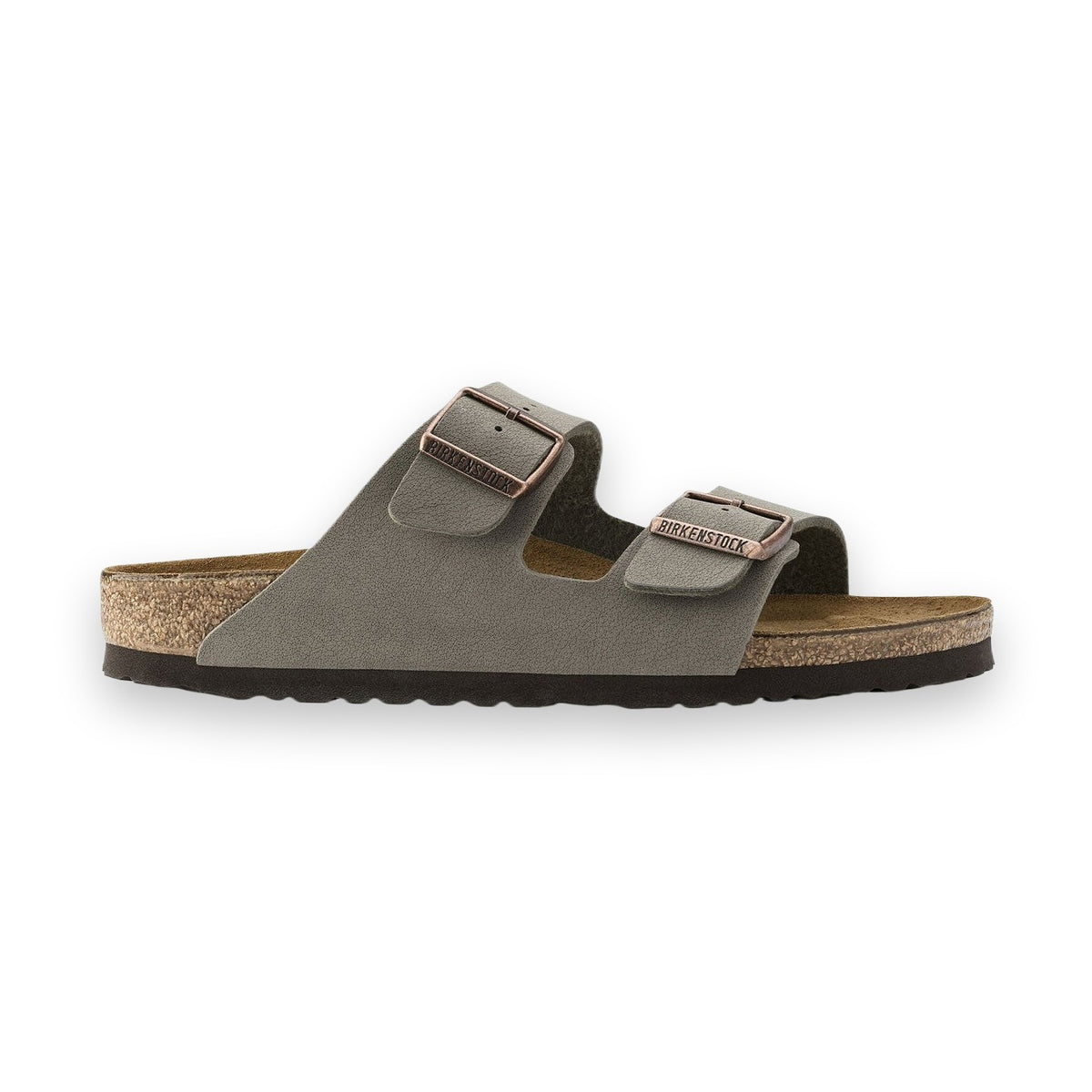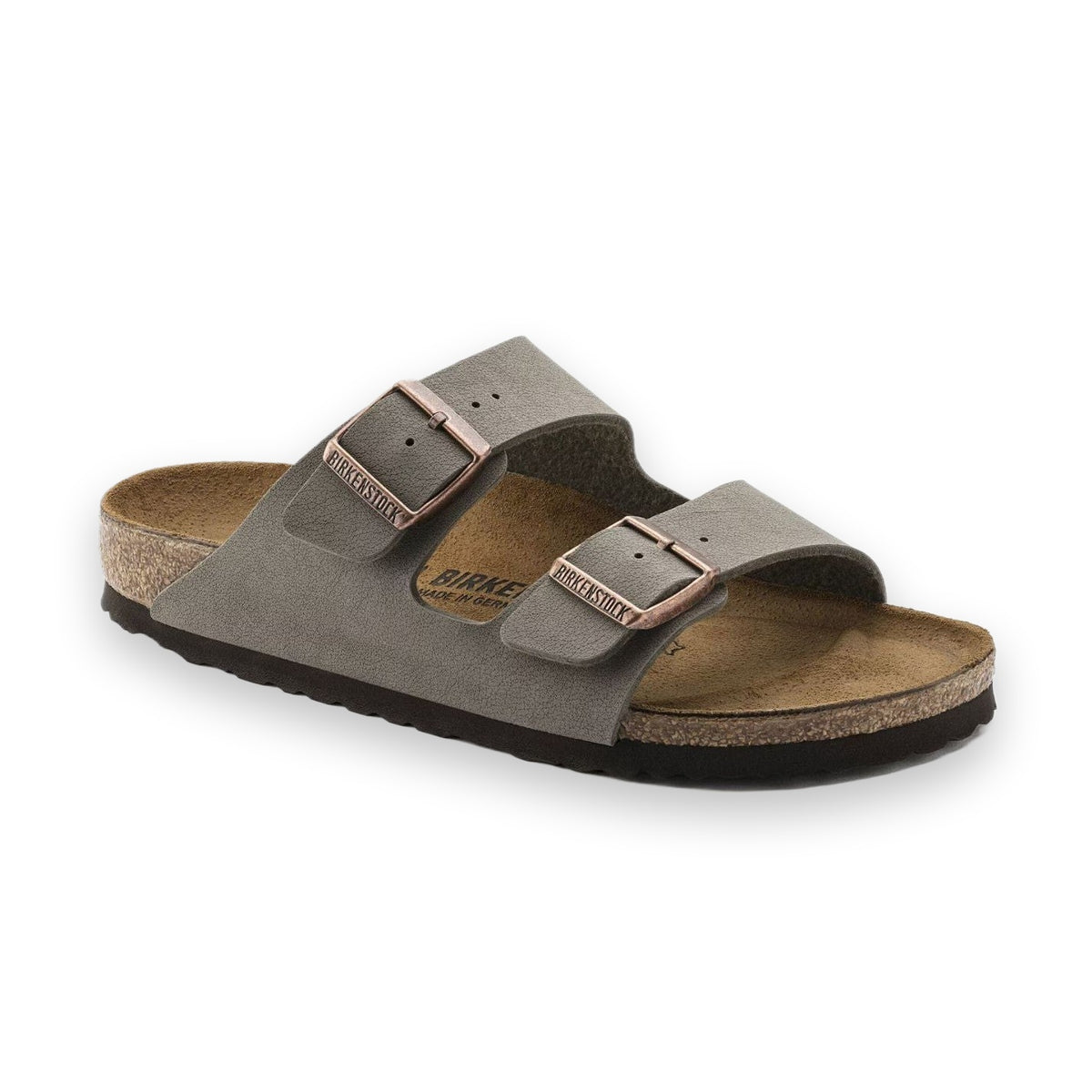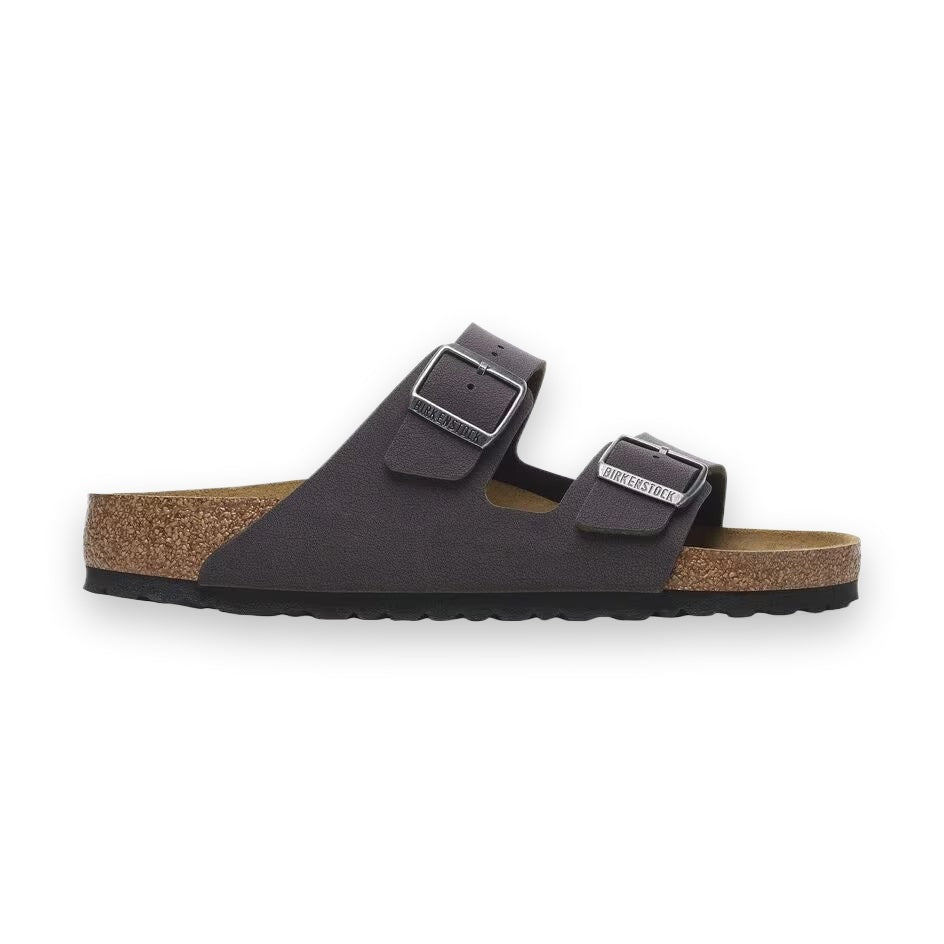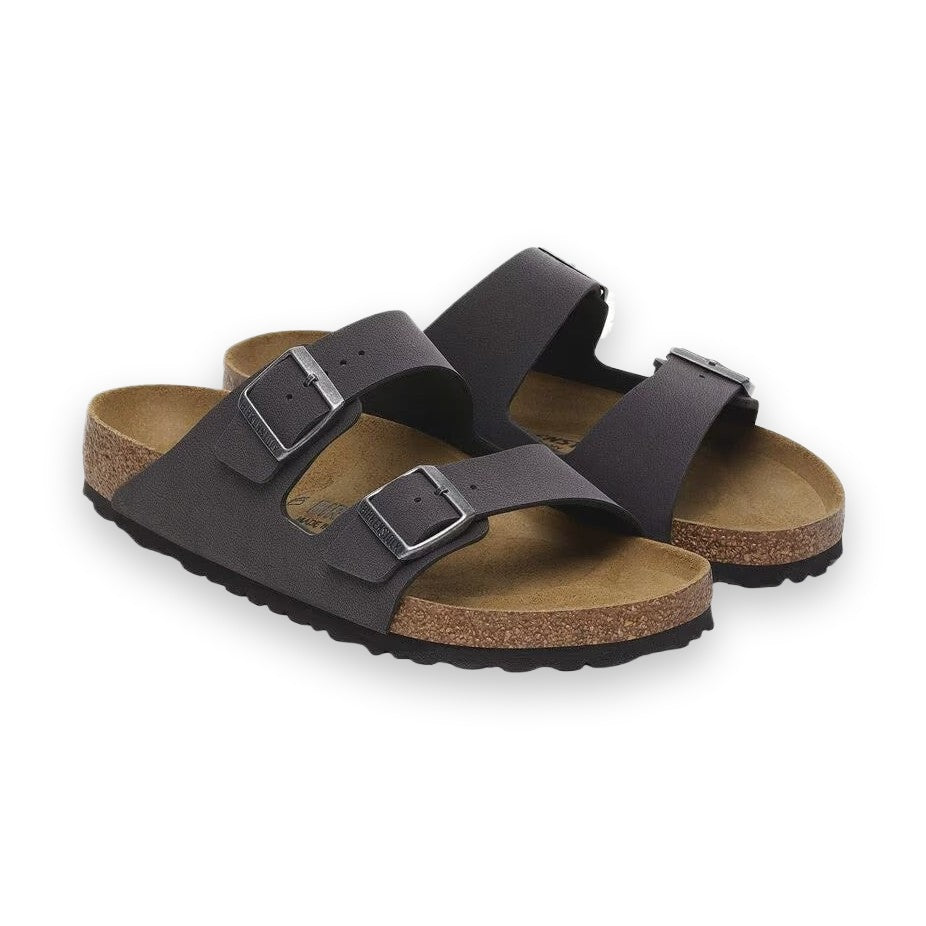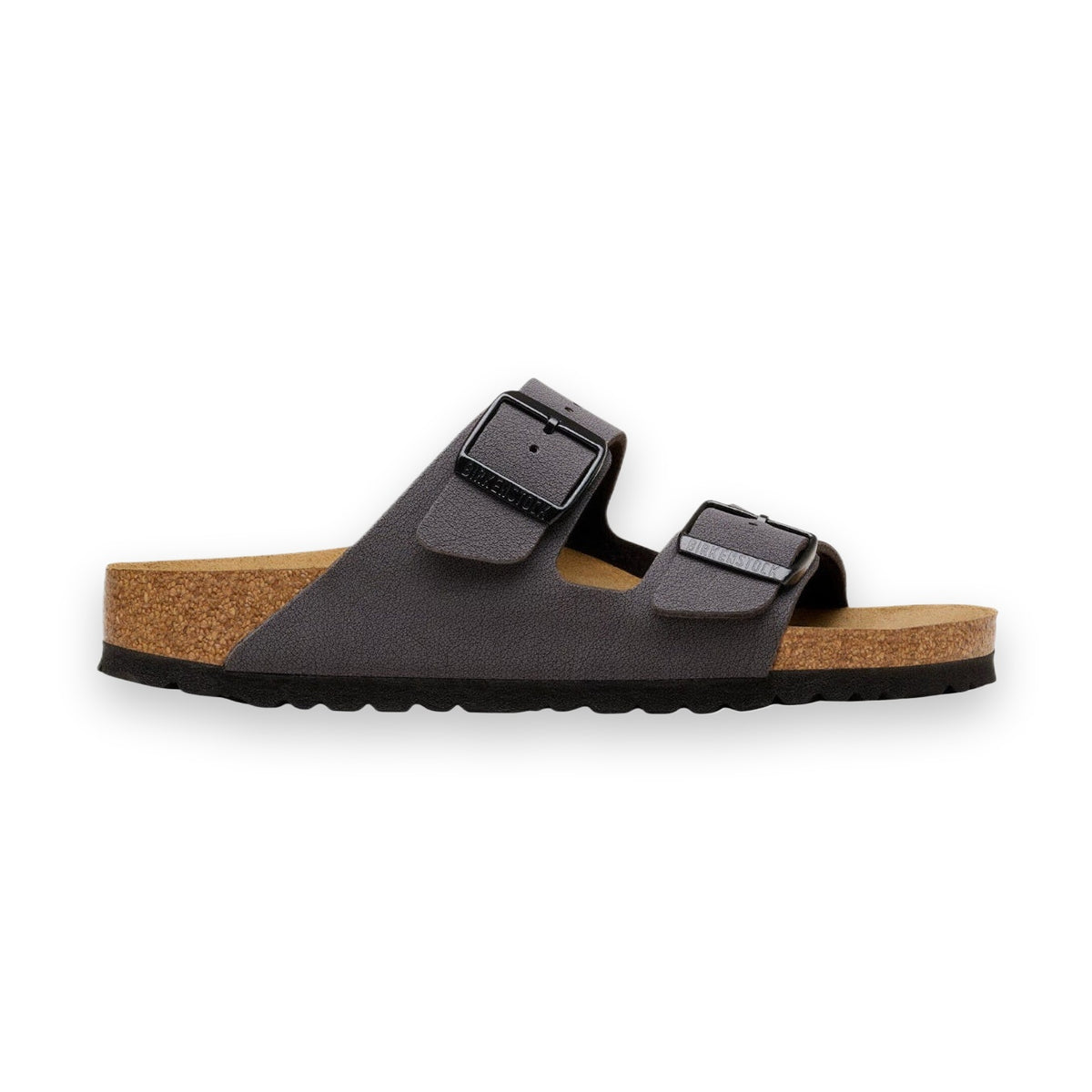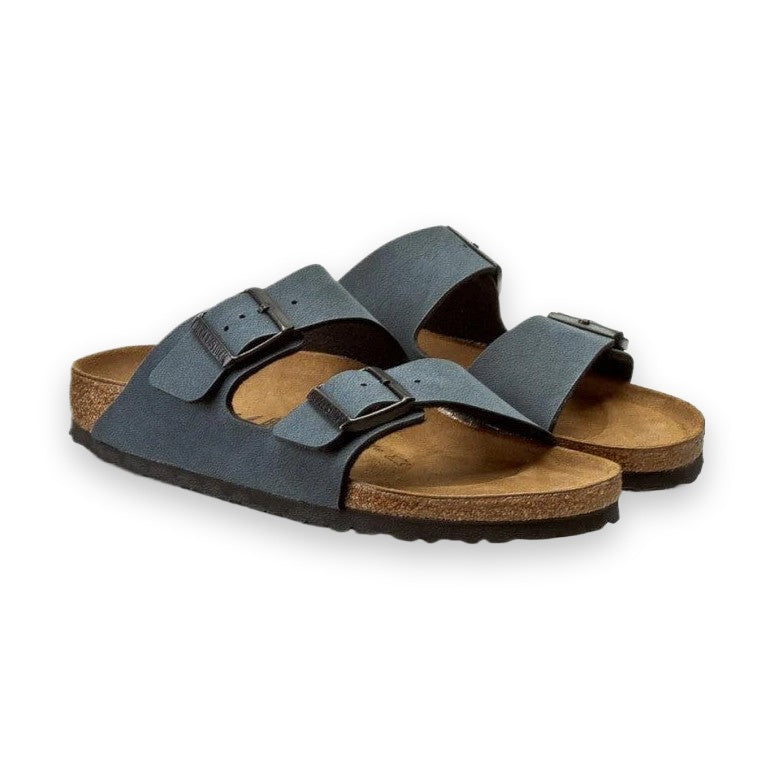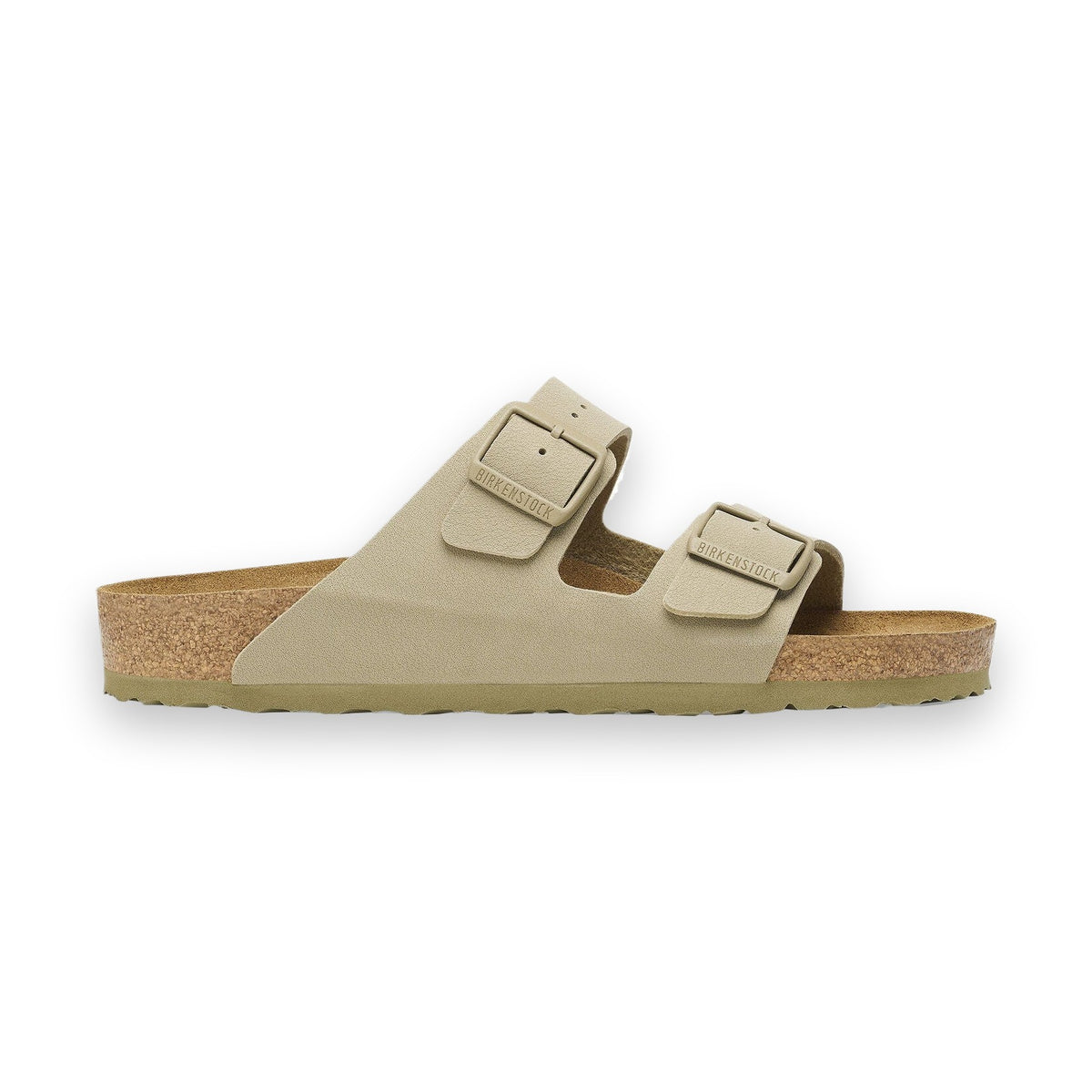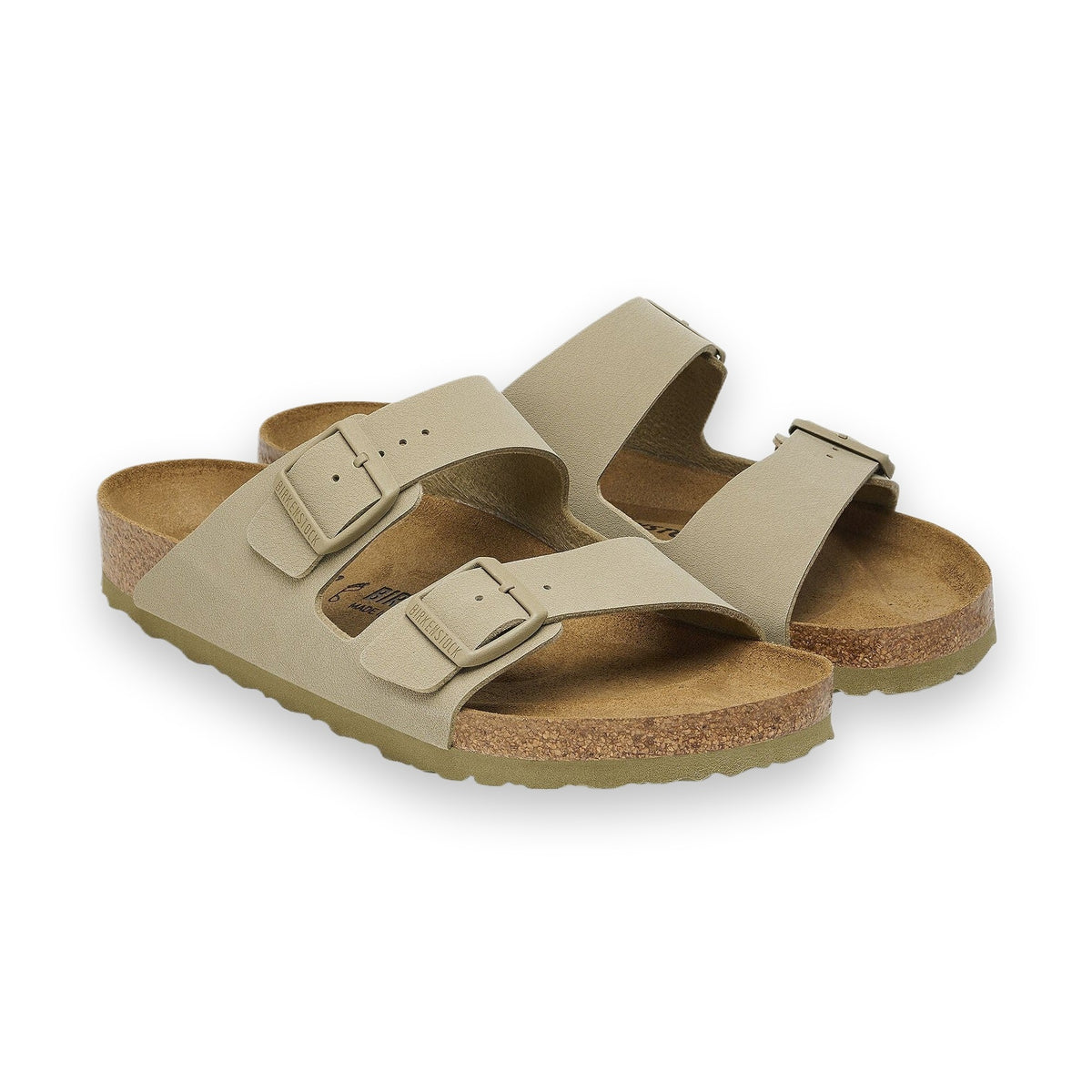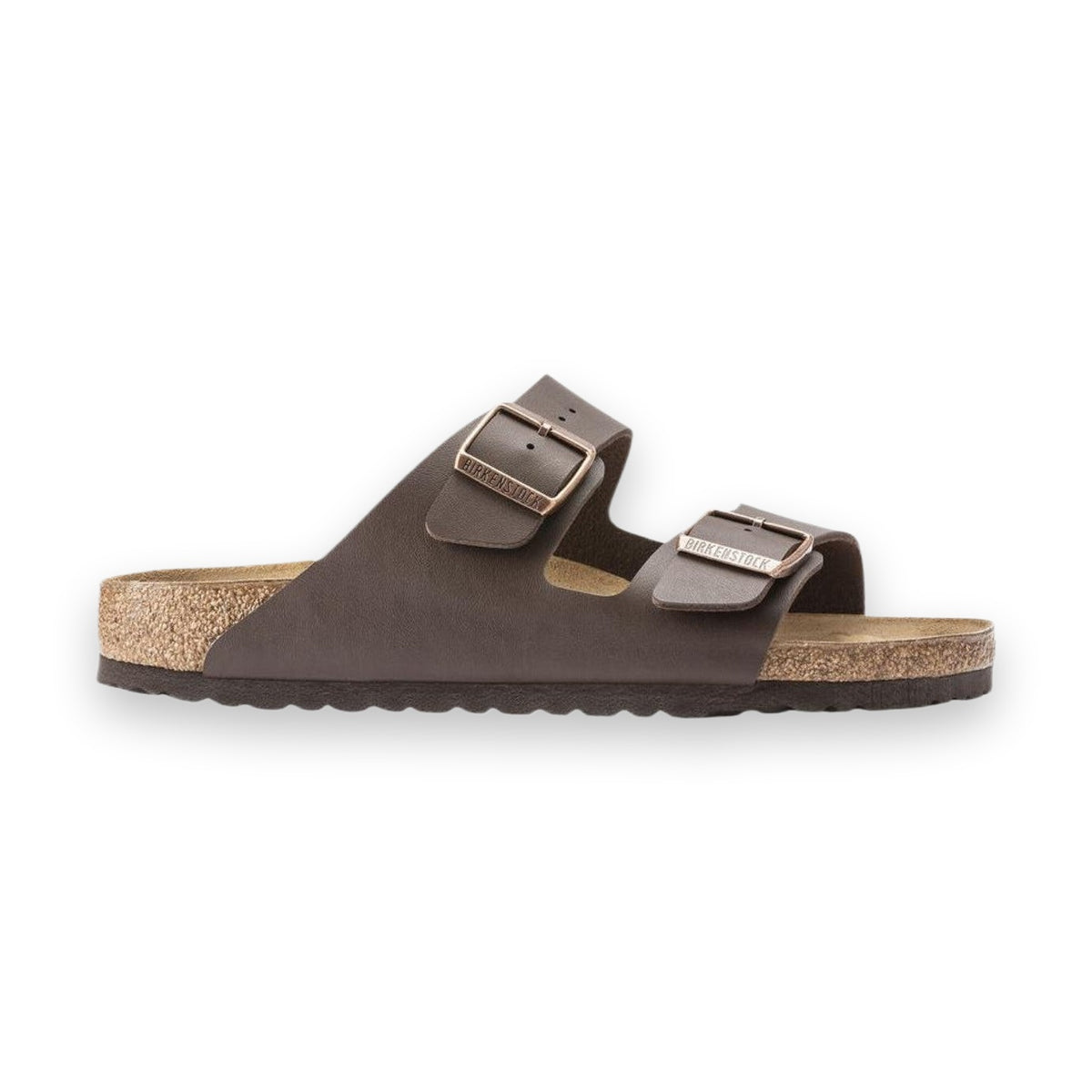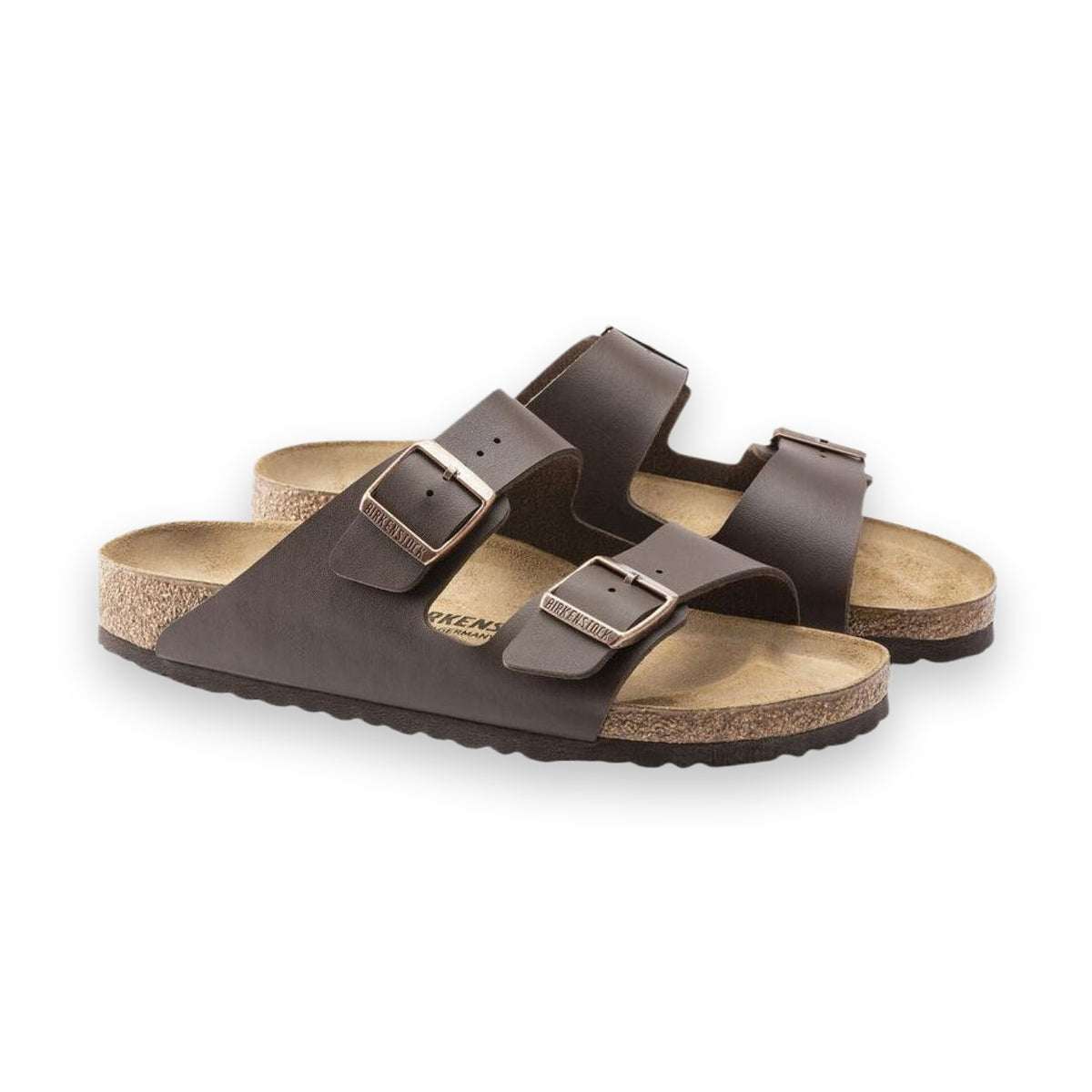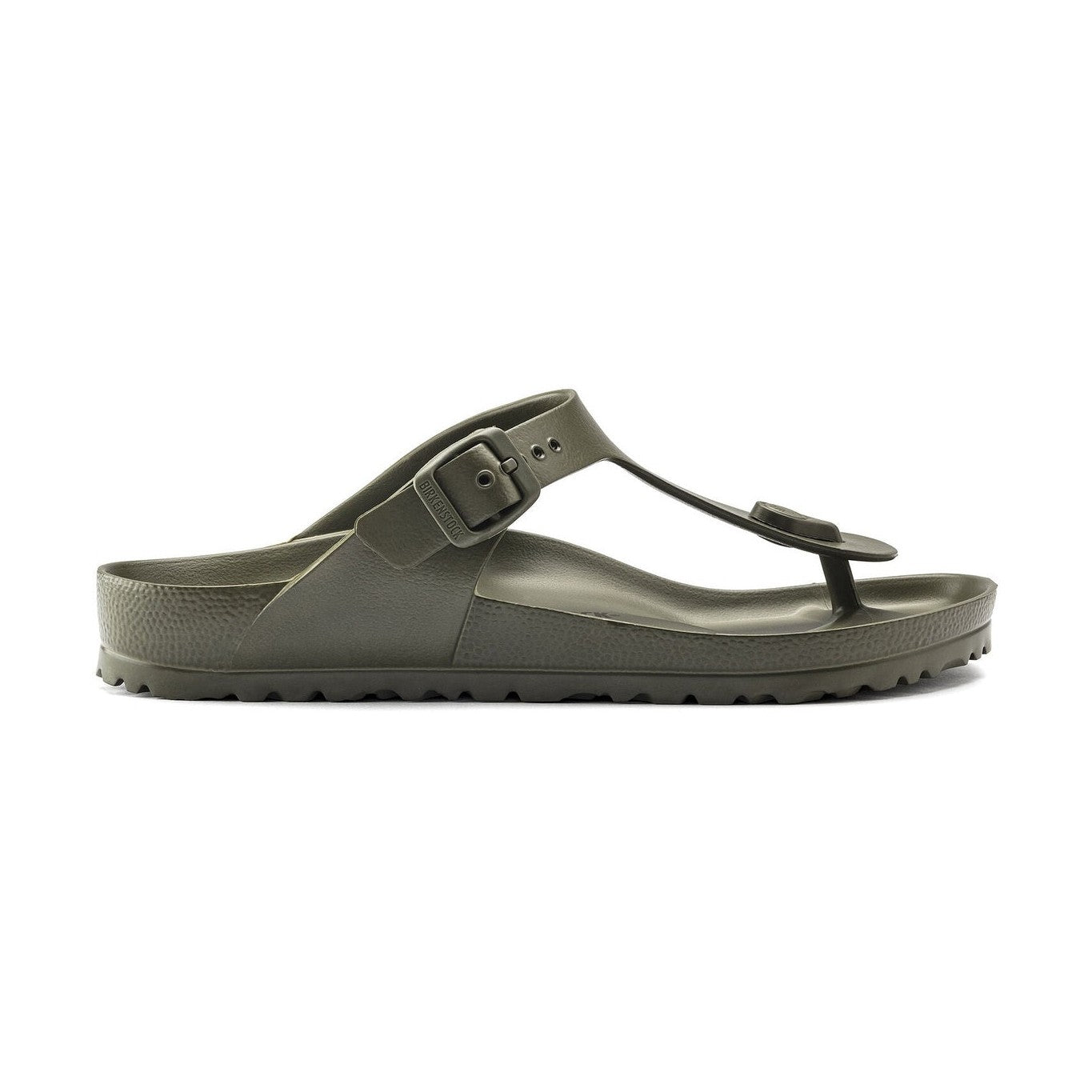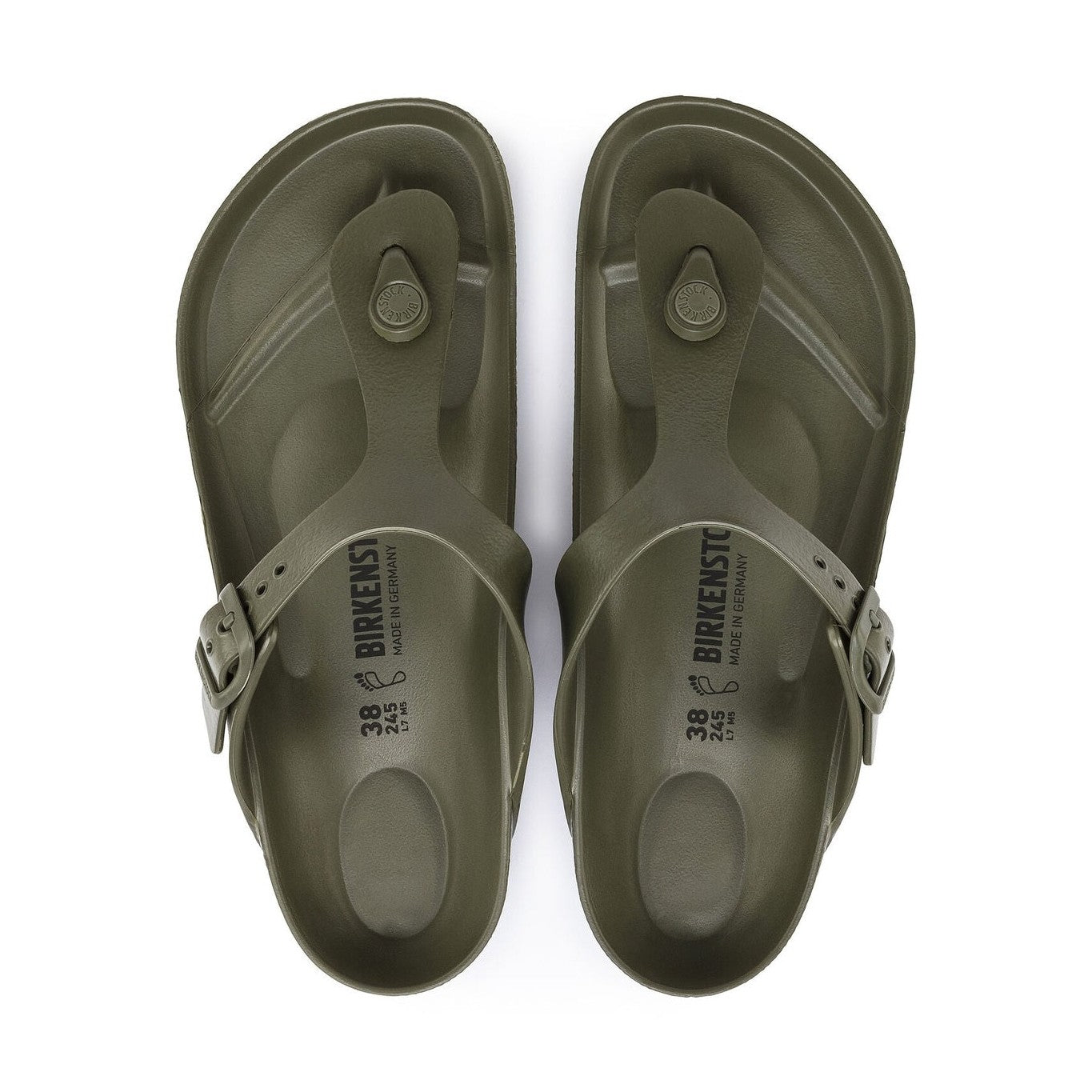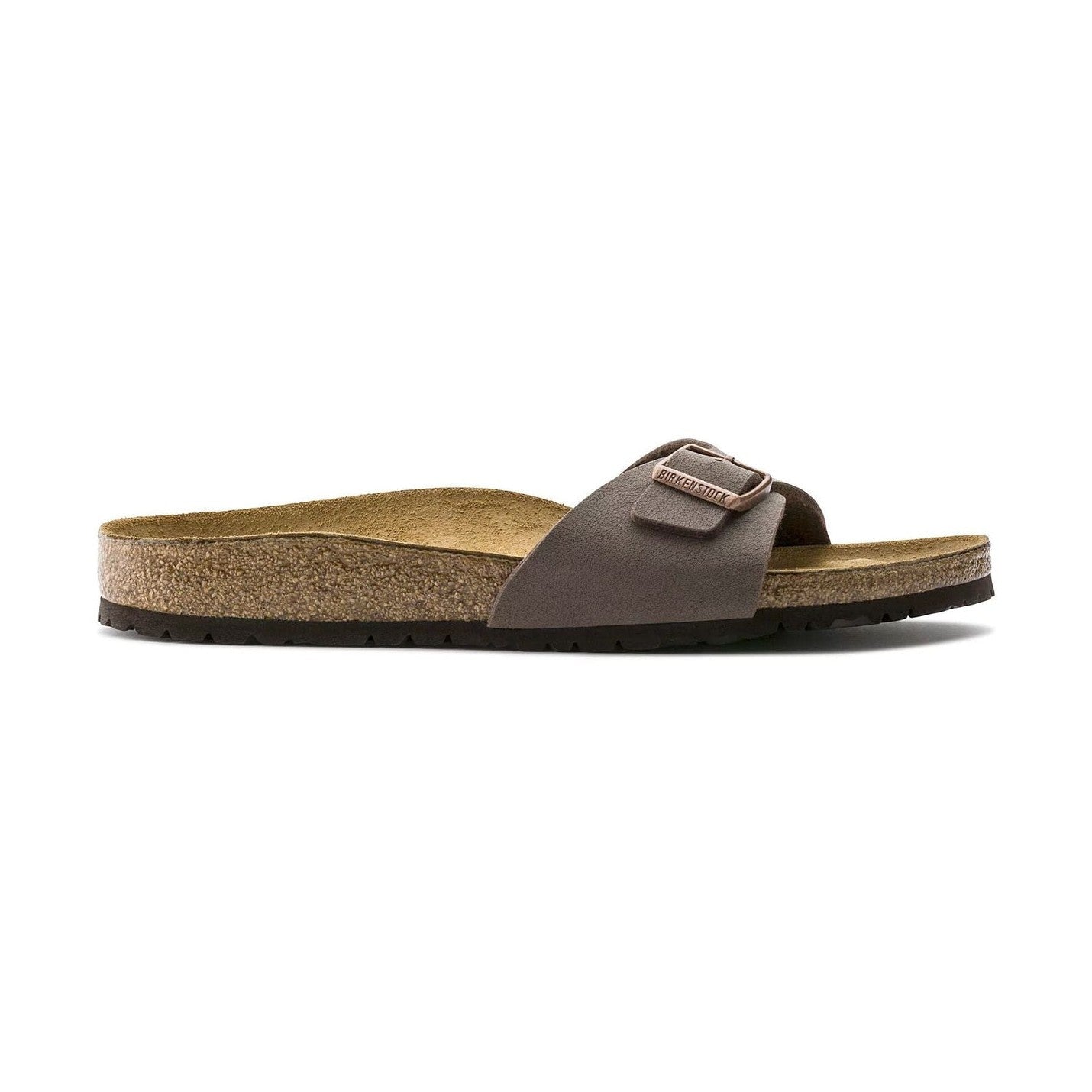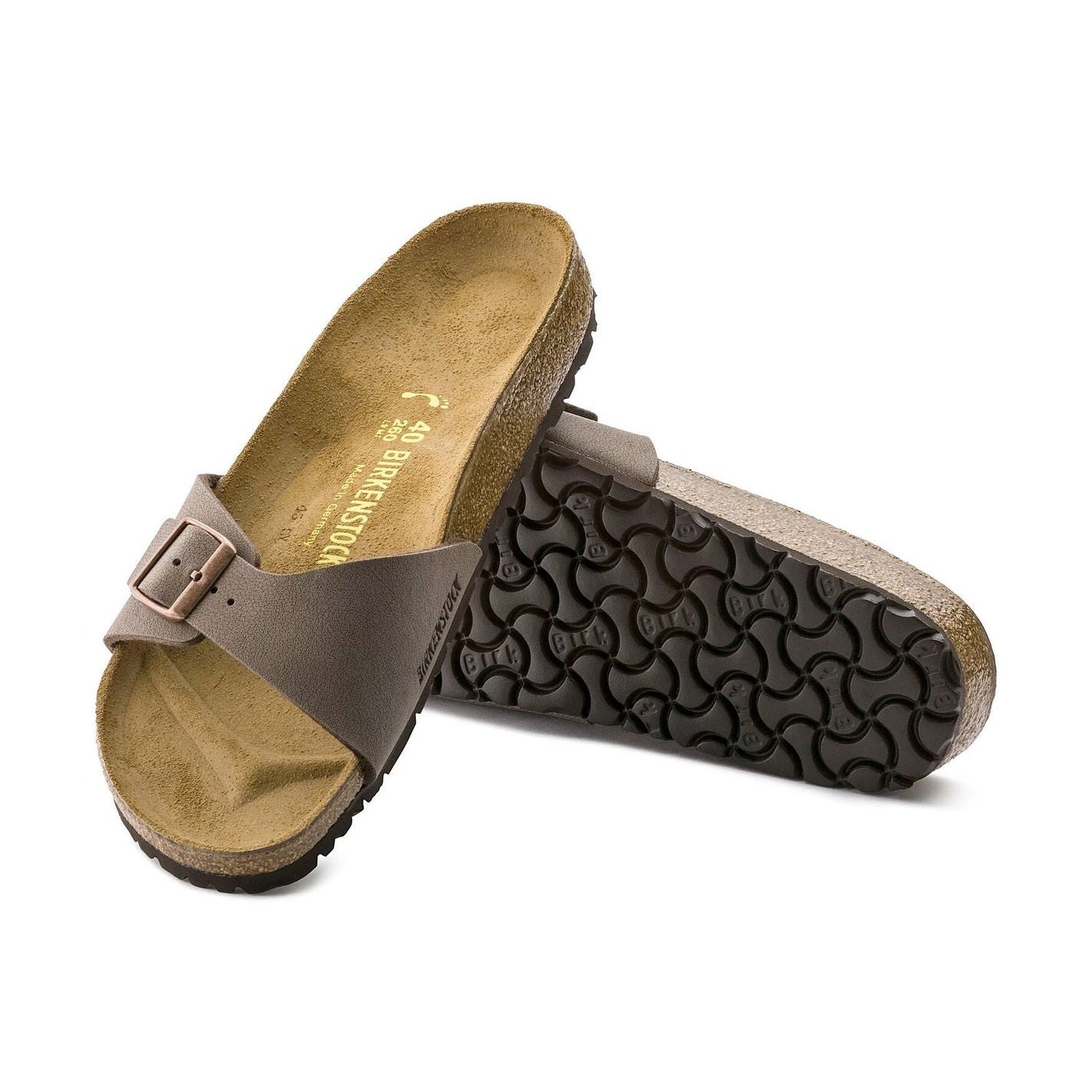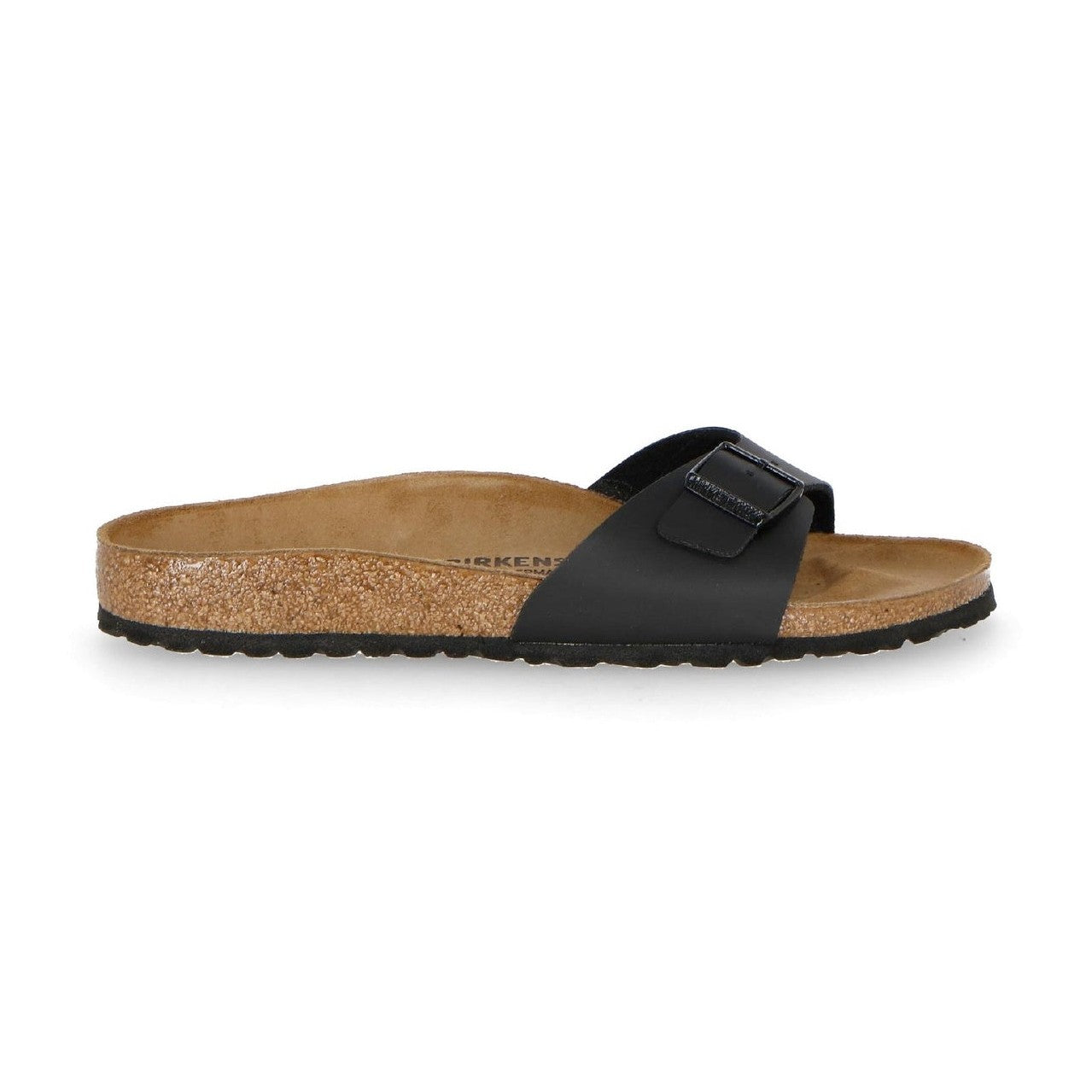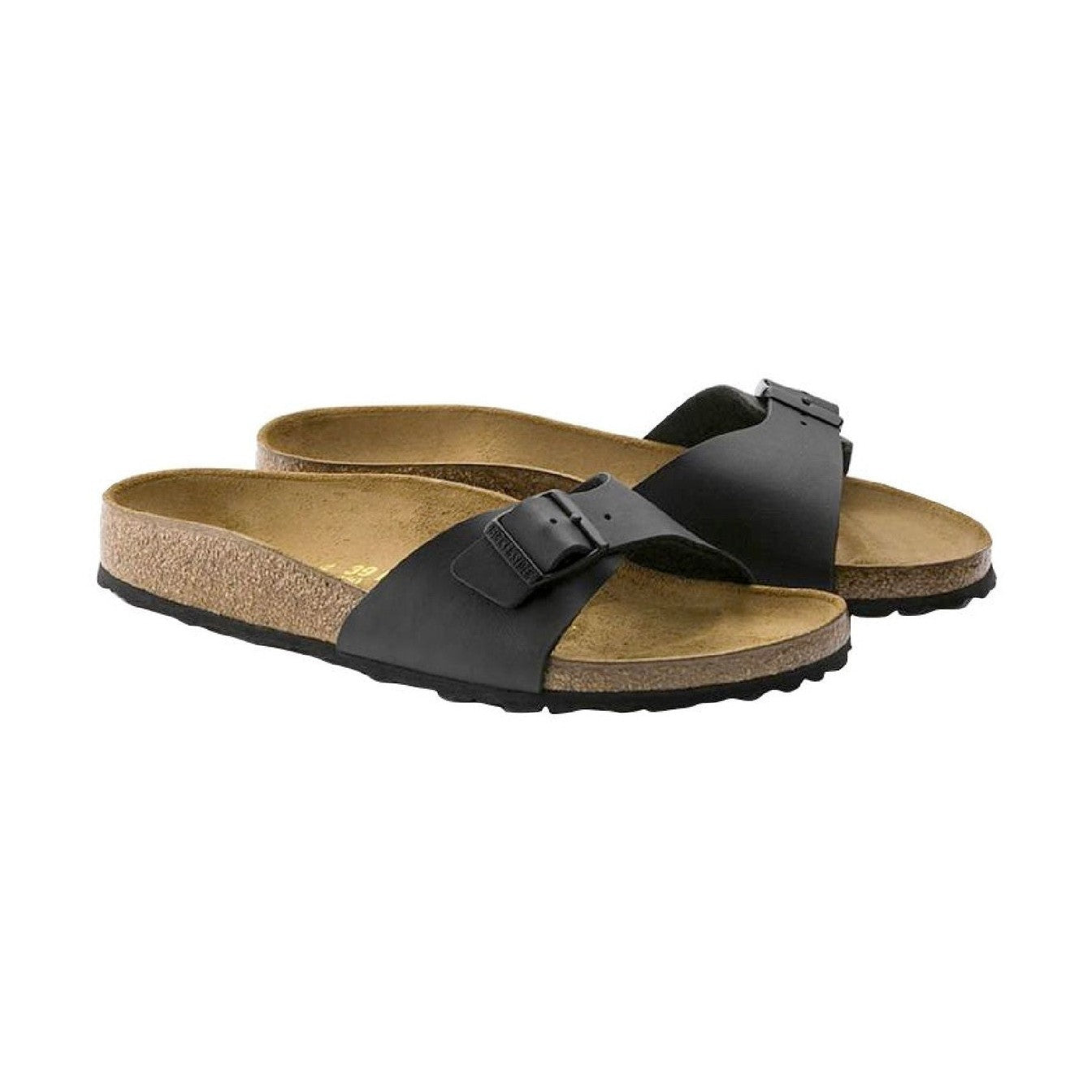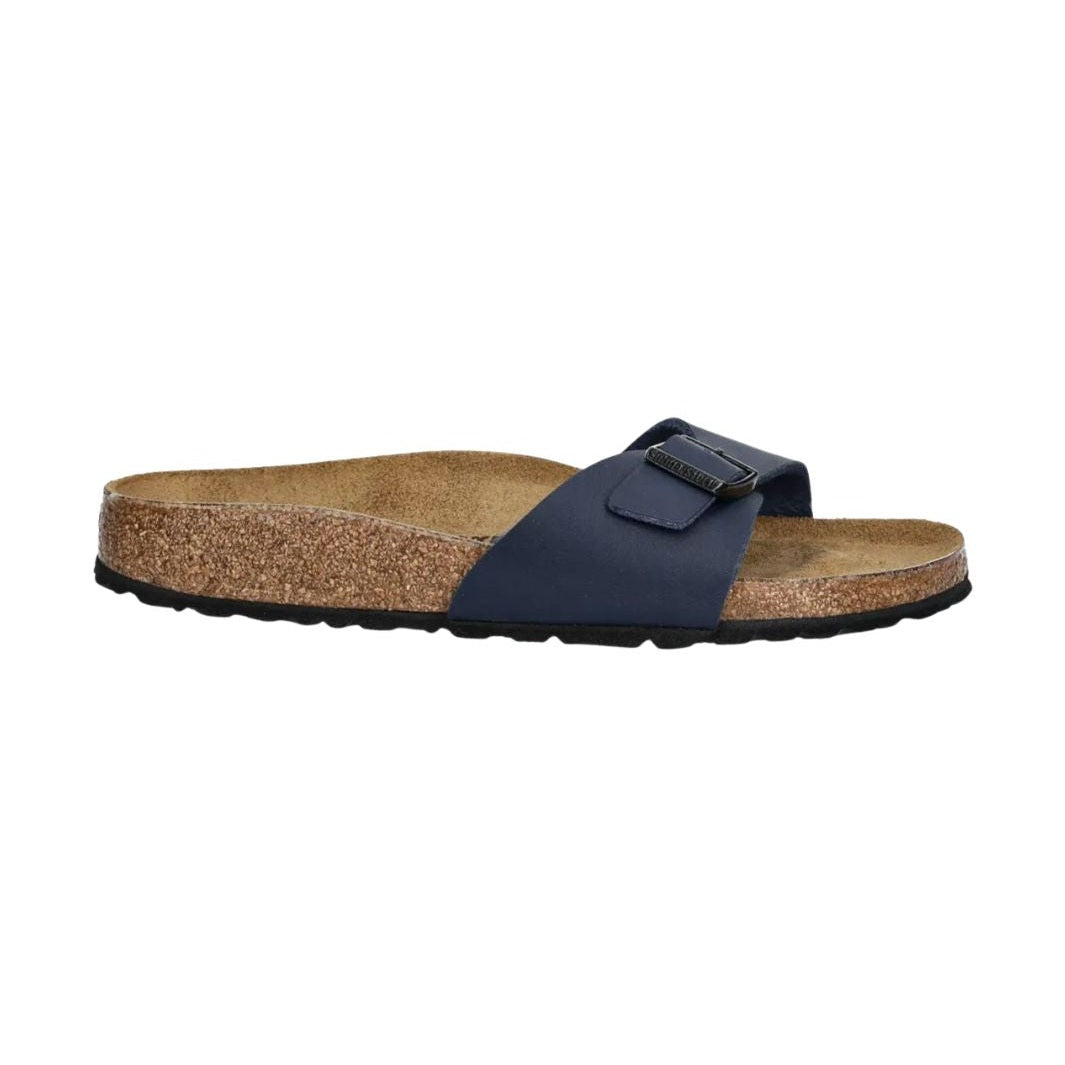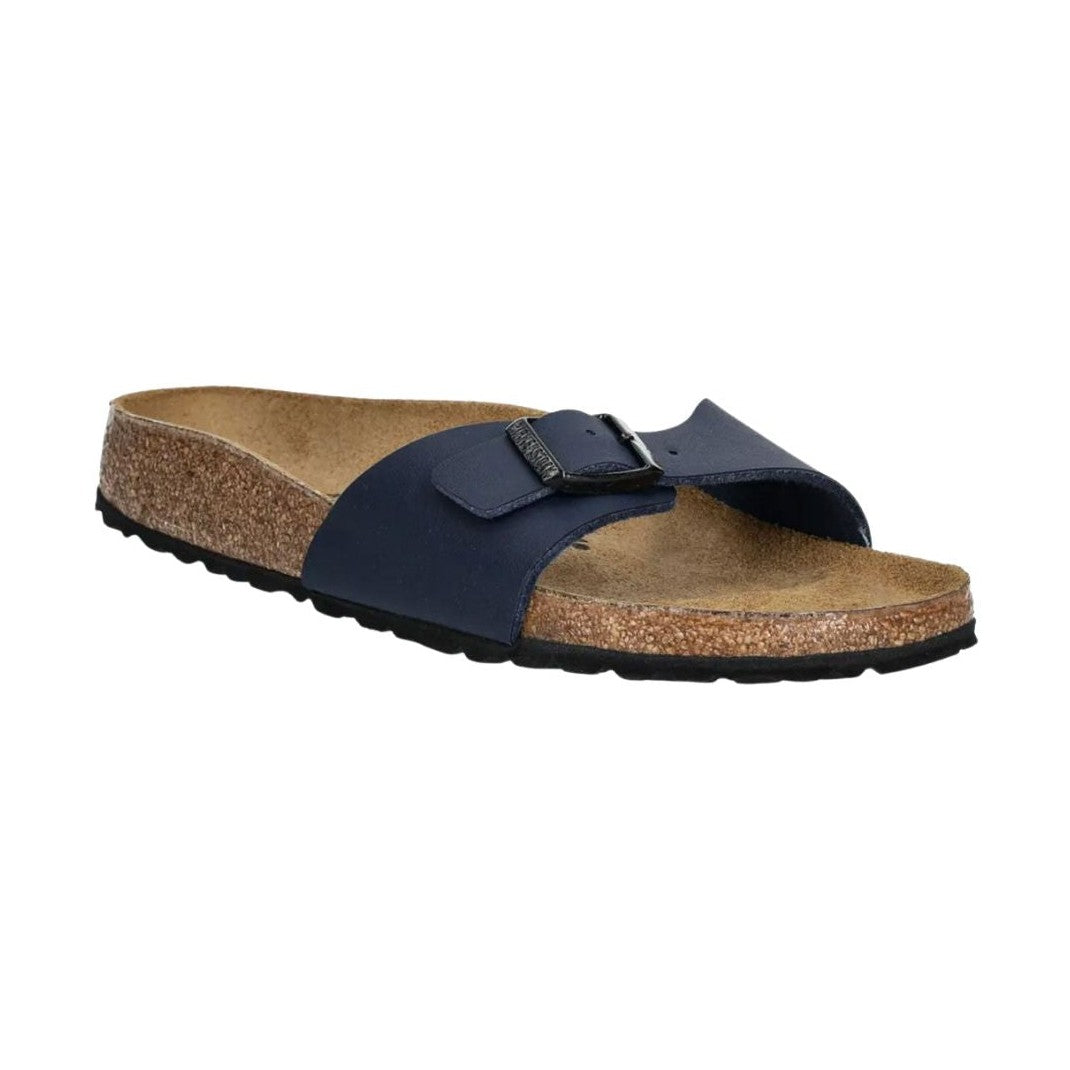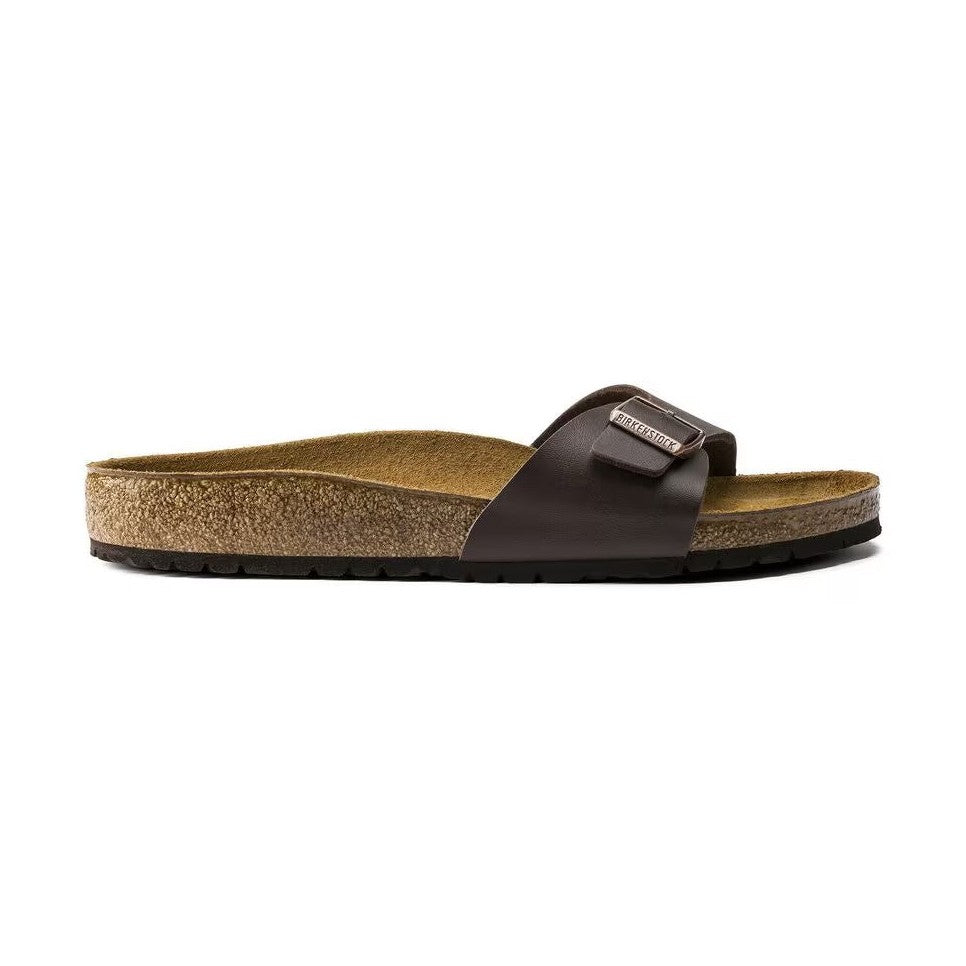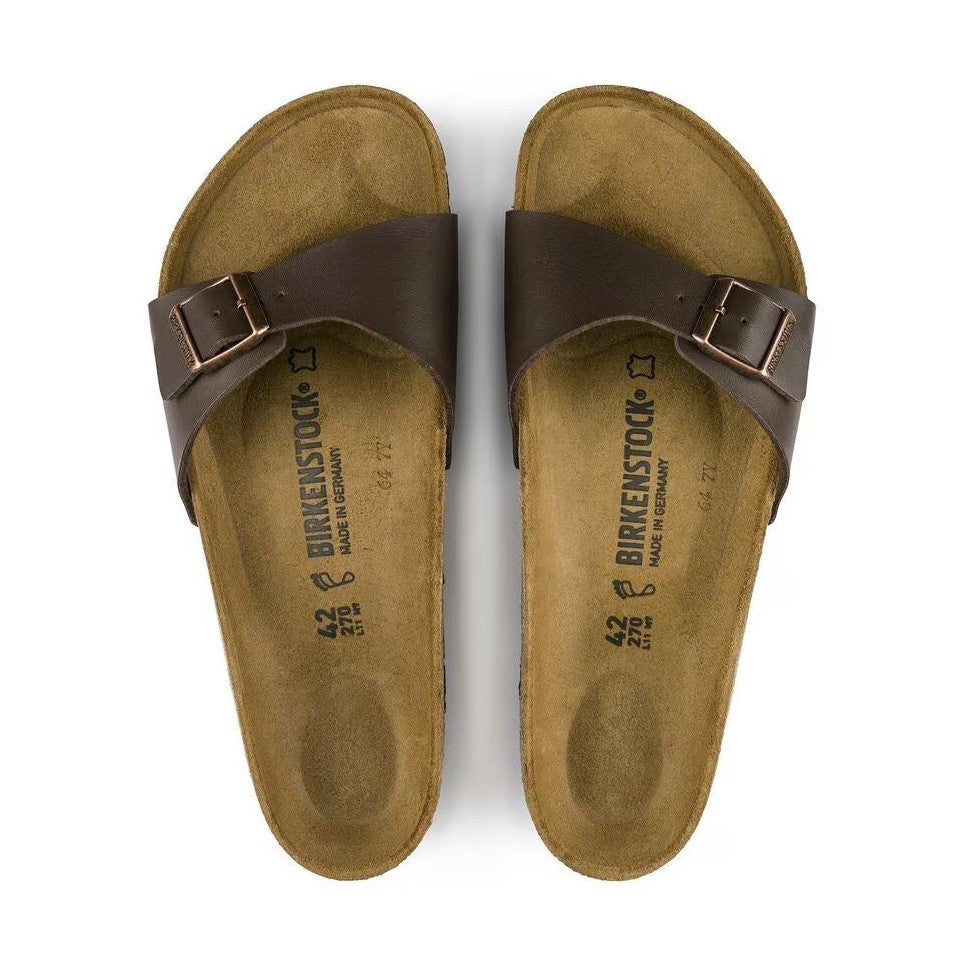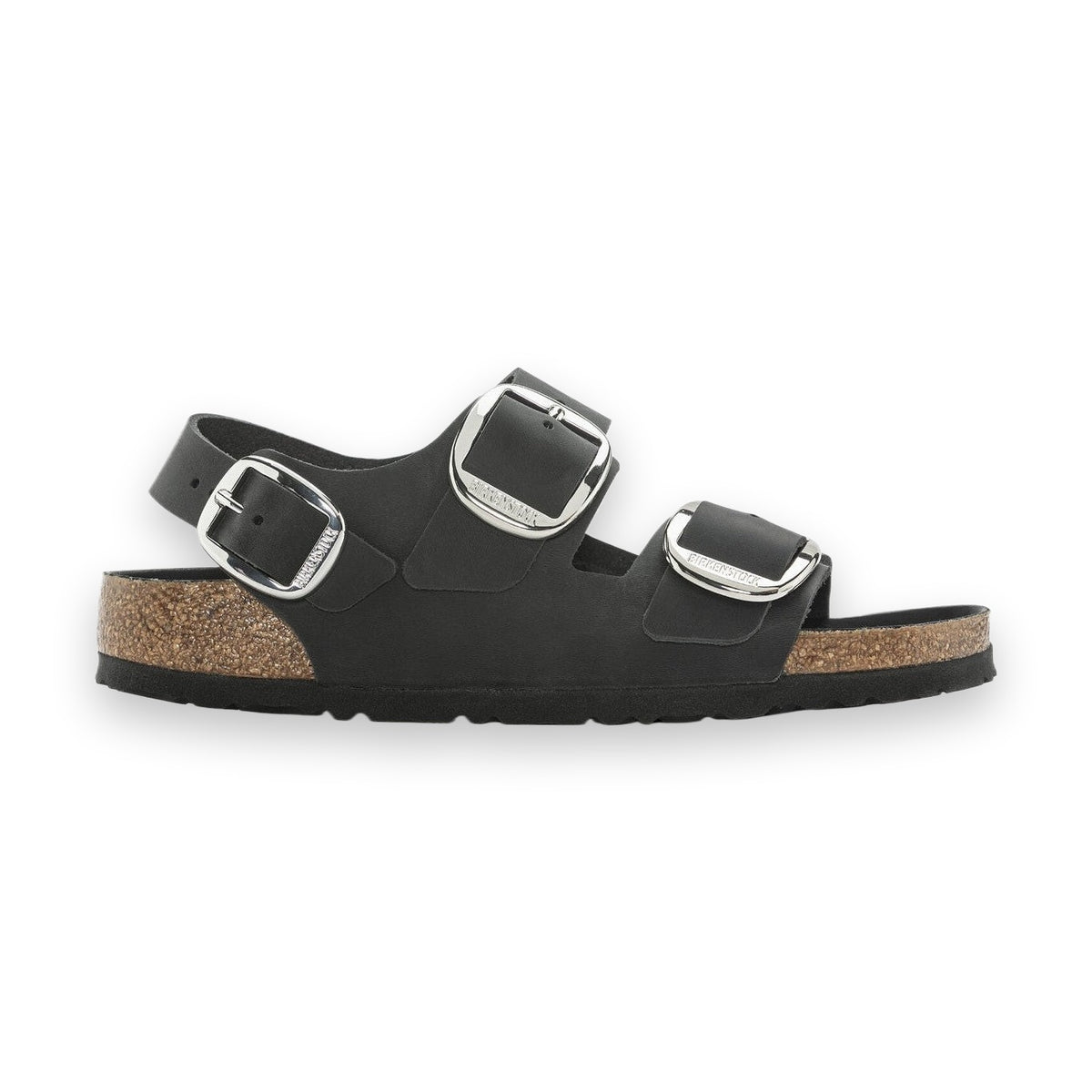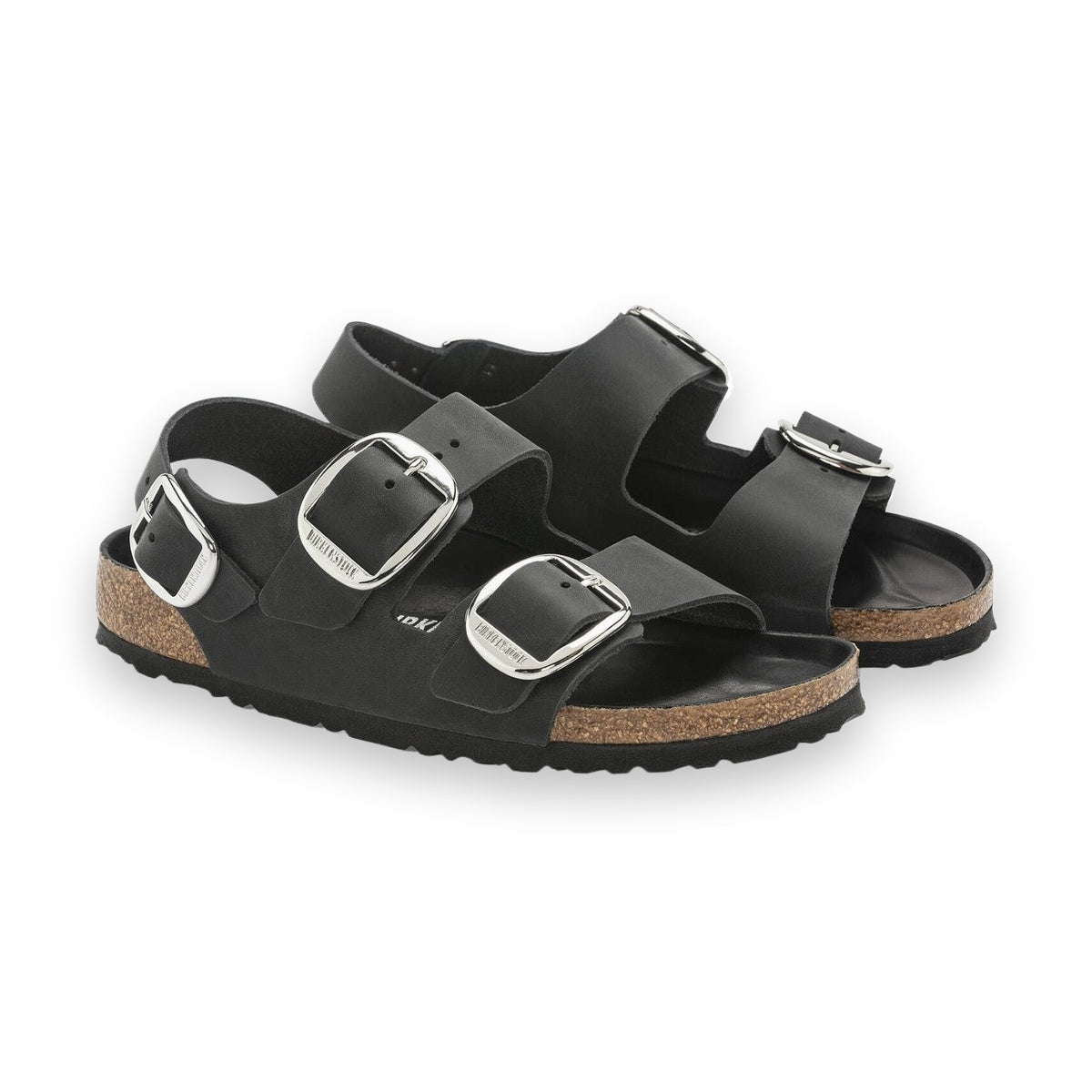

Summer brings with it a recurring temptation: buy a pair of sandals that are pretty, light, perhaps on sale, and find out after the first walk that they hurt.
The problem isn't the sandal itself. It's that choosing a comfortable sandal requires the same criteria as any other shoe, sole, insole, materials, fit, with some additional considerations linked to the warm season and to the open nature of the footwear.
In this guide we explain what to evaluate component by component, so you can arrive at summer with a sandal that truly accompanies you, in the city, at the beach, on a trip or in a medieval town under the August sun.
Why the sandal is a category of its own
A sandal isn't simply an open shoe. It's footwear that faces conditions no closed shoe has to handle: prolonged heat, contact with water and sand, exposure to sea salt, sweat directly on the skin. Every component, sole, insole, straps, materials, must be designed to withstand this environment, not just to be comfortable in normal conditions.
A poorly built sandal transfers the entire load onto a few contact points, fatigues the plantar fascia and creates rubbing on the straps. A well-built one distributes the weight evenly, supports the arch and leaves the foot free to move without slipping. The difference can be seen, and felt, after the first two hours.
The five elements that determine a sandal's comfort
The sole: thickness and protection from the ground
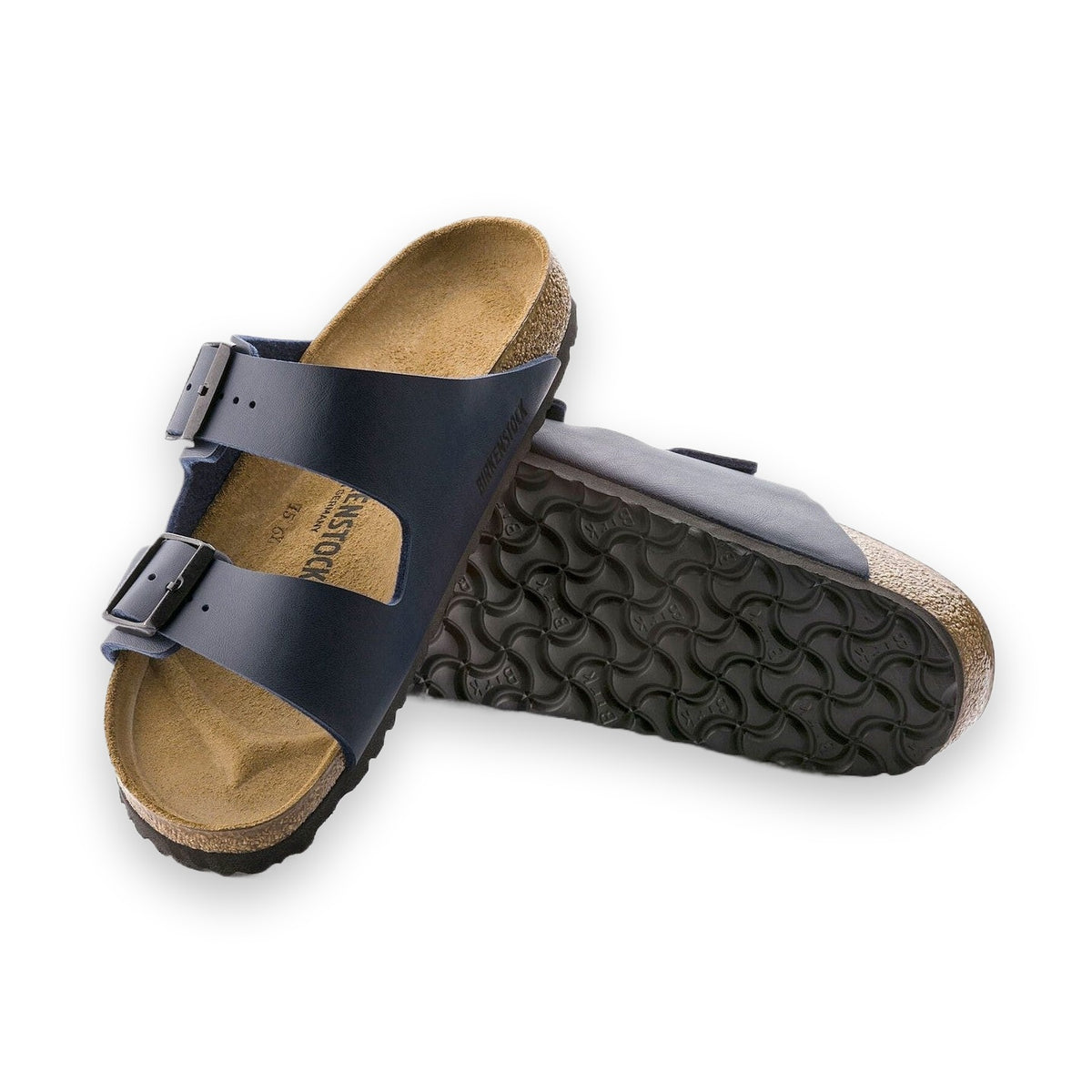
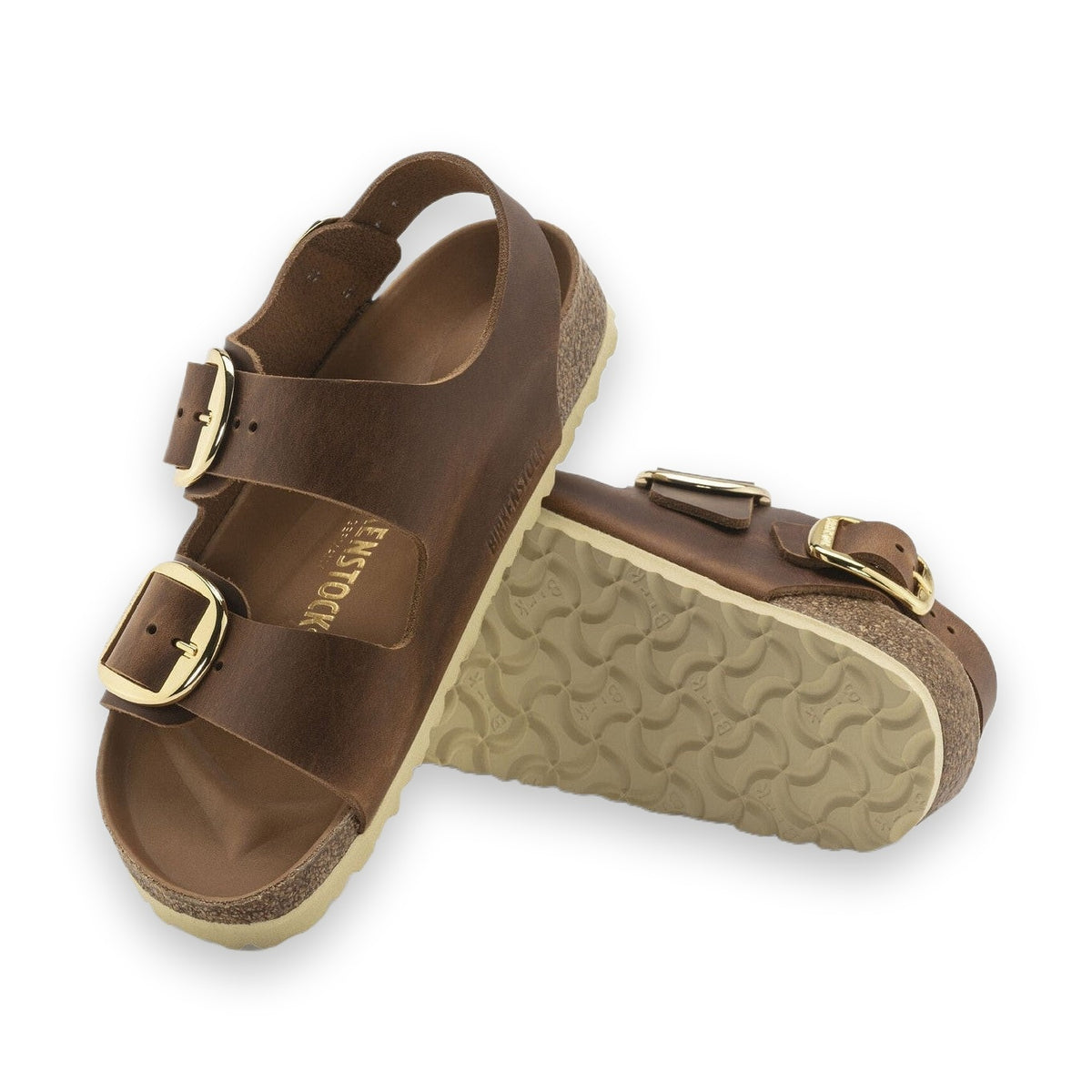
In a sandal, the sole is the only barrier between the sole of the foot and the ground. Insufficient thickness is immediately felt on asphalt, stone or hot tiles. A good sole must have an adequate thickness in the heel area (indicatively at least 1.5–2 cm, even though there is no universal standard), be flexible in the front and resist summer heat without deforming. Avoid soles in rigid plastic: they slip, they don't cushion and they deteriorate rapidly in the heat.
The insole: the only layer between foot and sole
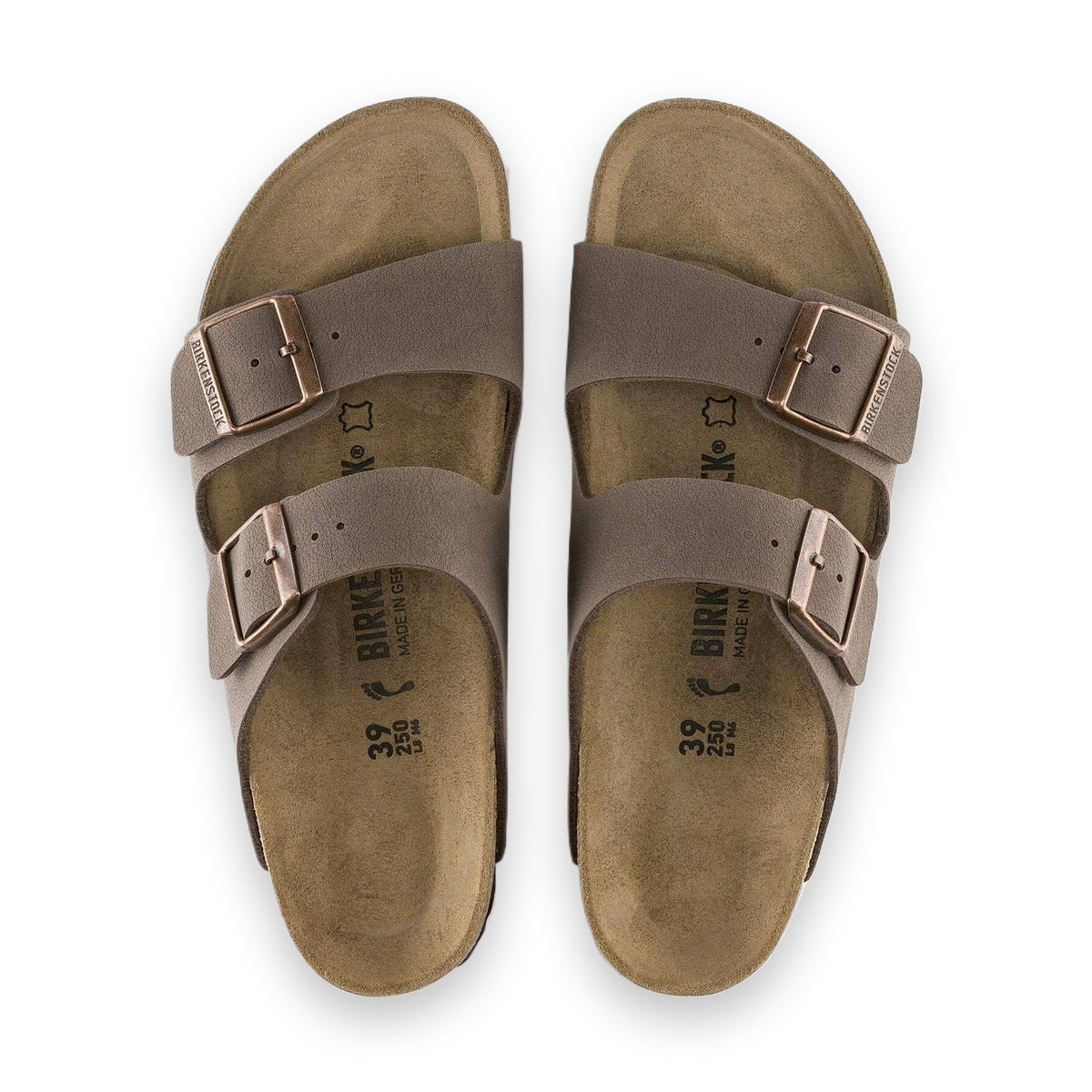
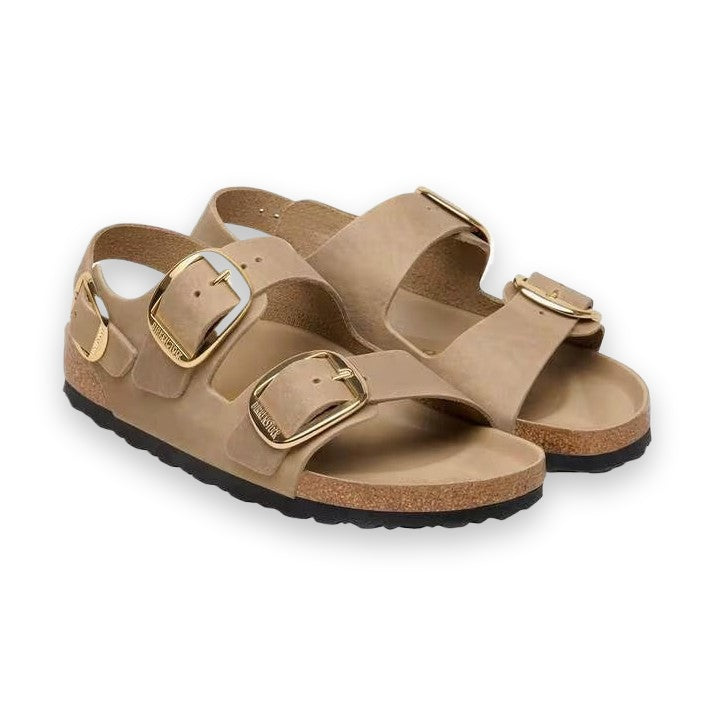
Unlike a closed shoe, in a sandal the insole is often the only element separating the sole of the foot from the outer sole, and its quality is therefore more decisive. It must have a slightly shaped profile with arch support, not be completely flat. The best materials are natural cork, breathable, antiseptic and moulding to the foot's shape over time, and natural latex. A leather or natural-material lining is preferable to synthetic: it absorbs sweat better and doesn't irritate on hot days.
The straps: the heart of the sandal
The straps are what truly distinguish one sandal from another. It's not just about looks: they determine how the foot is held in place, where pressure points form and how well the sandal resists prolonged summer use.
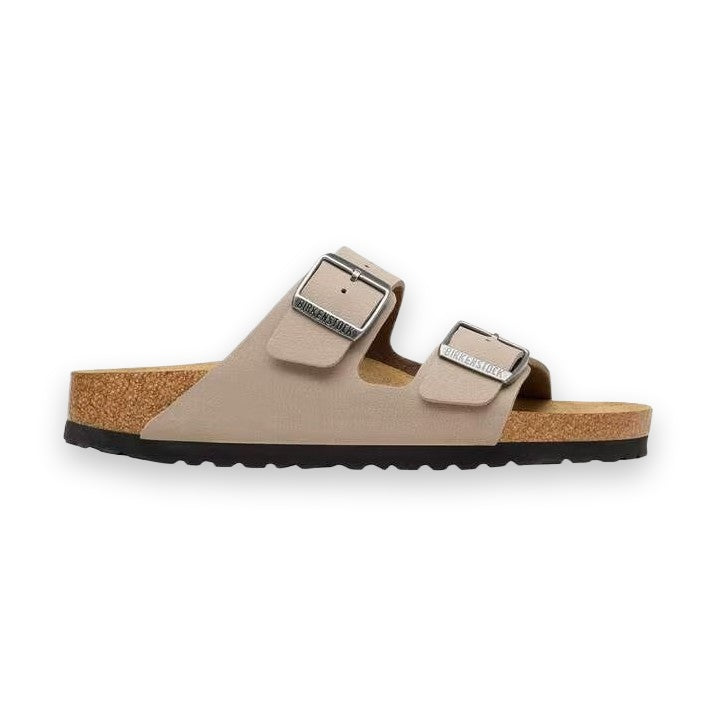
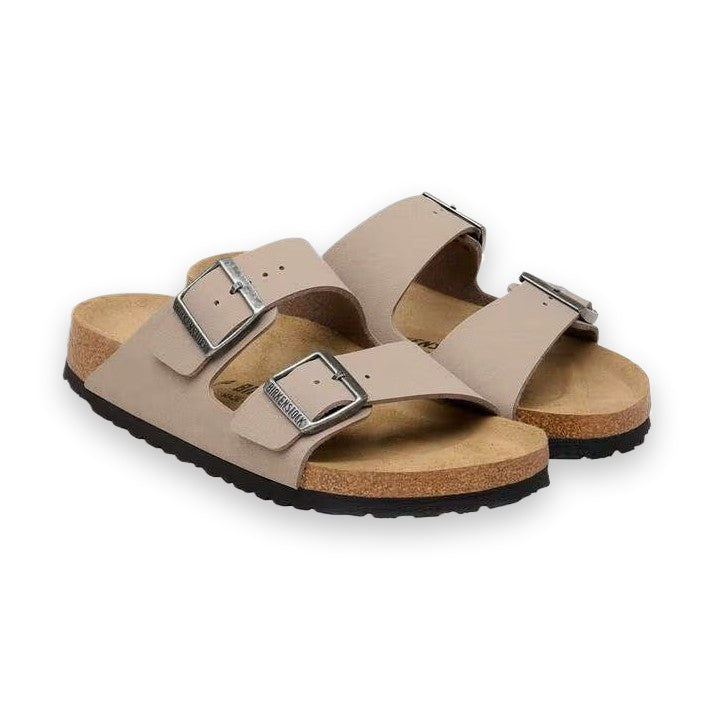
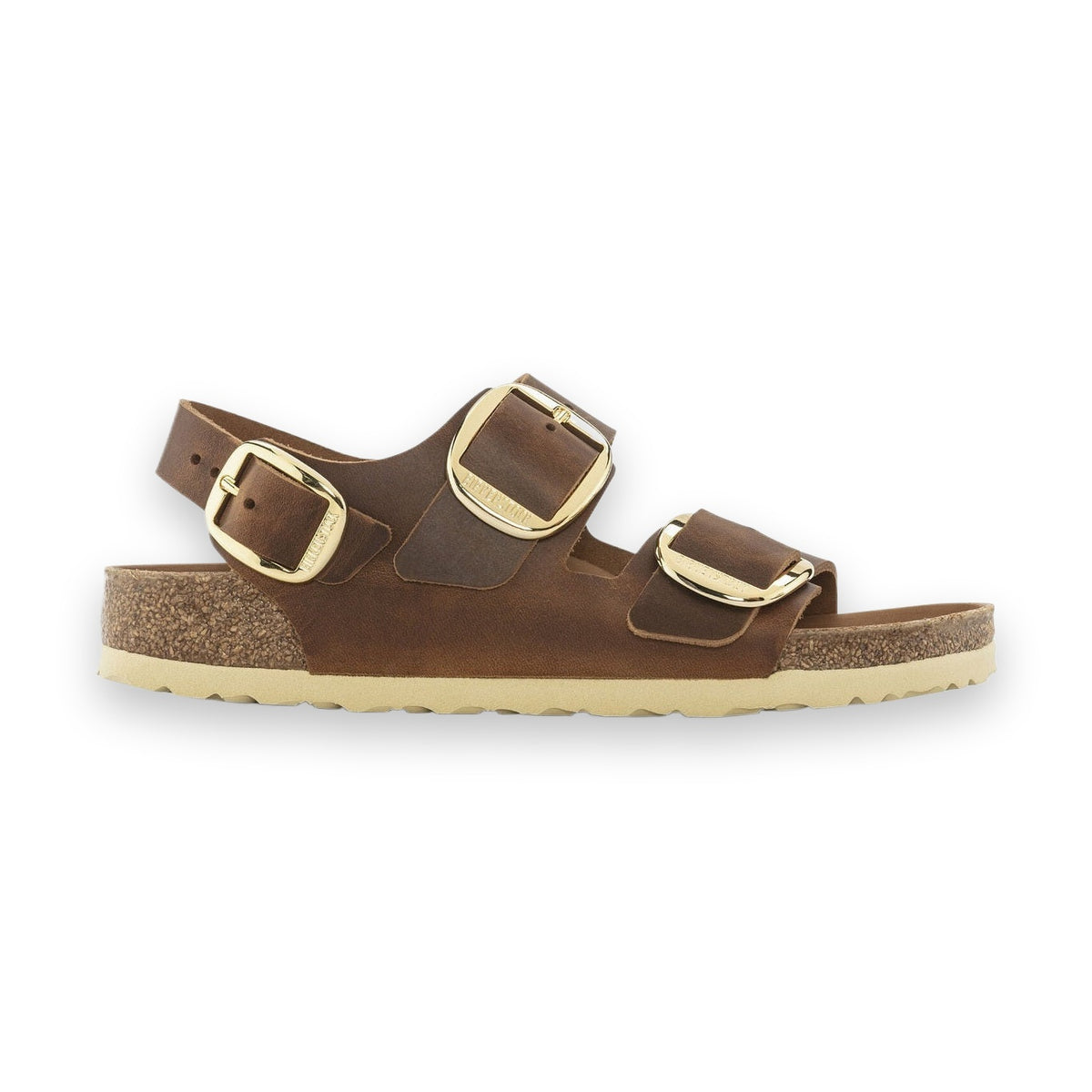
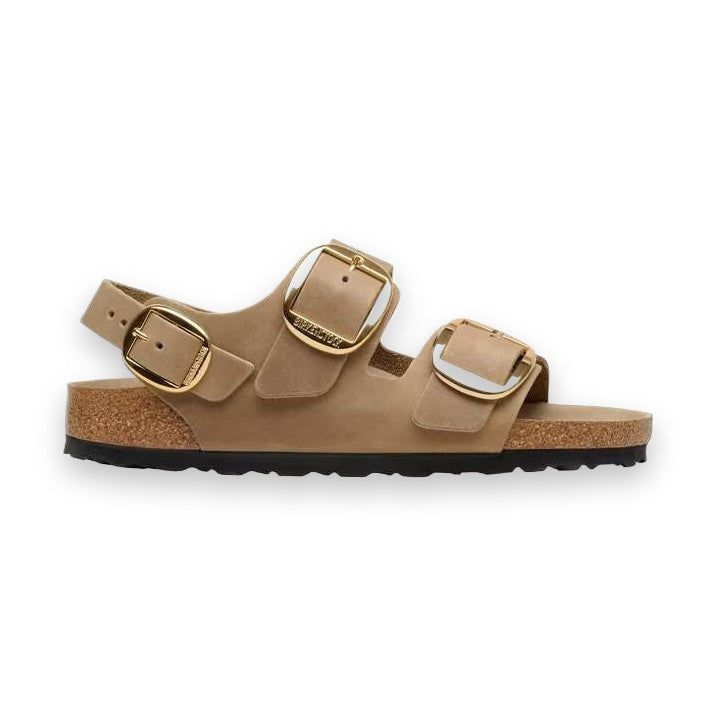
Adjustability. An adjustable strap is essential, not optional. Feet swell in the heat, even by an entire size over the course of a hot day. A fixed strap that fits well in the morning can become constrictive in the afternoon, or conversely loosen and let the foot slip. Adjustment must be precise and stable: metal buckles or solid closures that don't give way to sweat.
Position and coverage. The straps must distribute the load on the right points: the forefoot and the ankle are the two fundamental anchors. A well-placed ankle strap gives a feeling of greater stability, especially on uneven surfaces. Beware of straps that are too thin or placed on bony areas: they create localised pressure that becomes painful after a few hours. The width of the strap matters: a wider one distributes the load better and leaves fewer marks on the skin.
Strap materials. This is where quality makes the most visible difference. Natural leather is the best material: it softens with use, adapts to the shape of the foot and, above all, is the most resistant choice for prolonged exposure to sweat, salt water and heat. Quality leather, correctly treated, doesn't stiffen, doesn't flake and doesn't irritate the skin even after hours of use. Cotton and natural fabrics are a valid alternative for lighter sandals: breathable and soft, but with lower water resistance. Straps in low-quality synthetic materials are the most common problem in cheap sandals: they chafe, don't breathe, deteriorate rapidly with sweat and salt and leave marks on the skin after a few hours.
The materials: resistance to summer use
Compared to a closed shoe, a sandal is exposed to conditions that accelerate its deterioration: direct heat, prolonged sweat, salt water, abrasive sand, alternating humidity and rapid drying. The choice of materials is not just a matter of immediate comfort, it's a matter of durability over time.
Natural leather is the most versatile and resistant material for quality sandals. It breathes, adapts to the shape of the foot and, if cared for, lasts for years. Its critical point is exposure to salt water: salt penetrates the fibres and, if not removed, dries out the leather and damages the seams. A leather sandal used at the sea must be cleaned and nourished regularly. Vegetable-tanned leather is the most breathable and softens with use; chrome-tanned leather is more water-resistant but less breathable.
Cork is the ideal material for insoles and summer mid-soles: naturally antiseptic, it doesn't absorb odours, withstands humidity well and is thermoregulating, staying cool even under direct sun. It gradually adapts to the shape of the foot, improving comfort with use.
Organic cotton is excellent for the straps of lighter sandals: soft, breathable and gentle on the skin. It should be kept in mind that it absorbs water and dries more slowly than leather, something to consider if you anticipate frequent use in wet or marine environments.
Low-quality synthetic materials are the most common problem in cheap sandals: they trap heat, don't breathe, deteriorate rapidly with sweat and salt and, in the case of soles, can deform with the prolonged heat of summer asphalt.
If you want to understand how to recognise the construction quality of a sandal before buying it: How to recognise a quality shoe before buying it →
The fit: stability without constriction
Unlike a closed shoe, a sandal doesn't wrap the foot on all sides: the risk of slipping forward or losing stability is real, especially on wet or sloped surfaces. The heel shouldn't come out with every step, the toes shouldn't stick out beyond the sole, and the straps shouldn't leave red marks after a few hours. Always try on in the afternoon, when feet are more swollen, and walk on a hard surface before deciding.
Flat, heeled or wedge sandals: which to choose for walking?
Flat sandals
Completely flat sandals, with zero drop, are the most natural for the foot, but not always the most comfortable for prolonged use. Without any rise at the heel, the plantar fascia and the Achilles tendon work more. If you choose a flat sandal for long walks, make sure it has a shaped insole with arch support: it makes all the difference.
Sandals with wedge or moderate rise
A moderate heel rise (indicatively 2–4 cm, although the response varies from person to person) reduces the load on the plantar fascia and can be more comfortable for those not used to flat footwear. A wedge, especially in cork or natural materials, distributes the weight more evenly than a thin heel and offers greater stability.
High-heeled sandals
High-heeled sandals concentrate the weight on the forefoot and reduce stability. They aren't suitable for long walks or for days spent on your feet. If you choose them for specific occasions, limit the time of use and alternate with more supportive footwear.
Five common mistakes when choosing summer sandals
- Choosing based on looks without trying to walk. A sandal that looks beautiful standing still is often different from a sandal beautiful in motion. Always walk a few minutes before deciding.
- Buying the same size as your closed shoes. Sandals behave differently: some fit larger, others smaller. Always try.
- Ignoring non-adjustable straps. If the strap doesn't adjust, you can't adapt the sandal to your foot's variations throughout the day.
- Underestimating the thickness of the sole. A thin sole is fine for the beach, not for a day in the city or on hard surfaces.
- Not considering maintenance. A natural leather sandal lasts for years if cared for; one in low-quality synthetic materials deteriorates in a single season. The cost per use is often very different from what it seems at the moment of purchase.
Conclusion
Choosing a comfortable sandal isn't a matter of luck or budget: it's a matter of knowing what to look at. A sole with adequate thickness, a shaped insole, adjustable straps in natural materials, a stable fit, are objective criteria that apply to any model and any price.
A well-chosen sandal accompanies the foot through the whole summer, improves with use and doesn't end up at the back of the wardrobe after the second outing.
If you want to explore the general criteria for choosing a comfortable shoe, read also: How to choose comfortable shoes for everyday use
Discover our selection of comfortable sandals and clogs for women, men and children