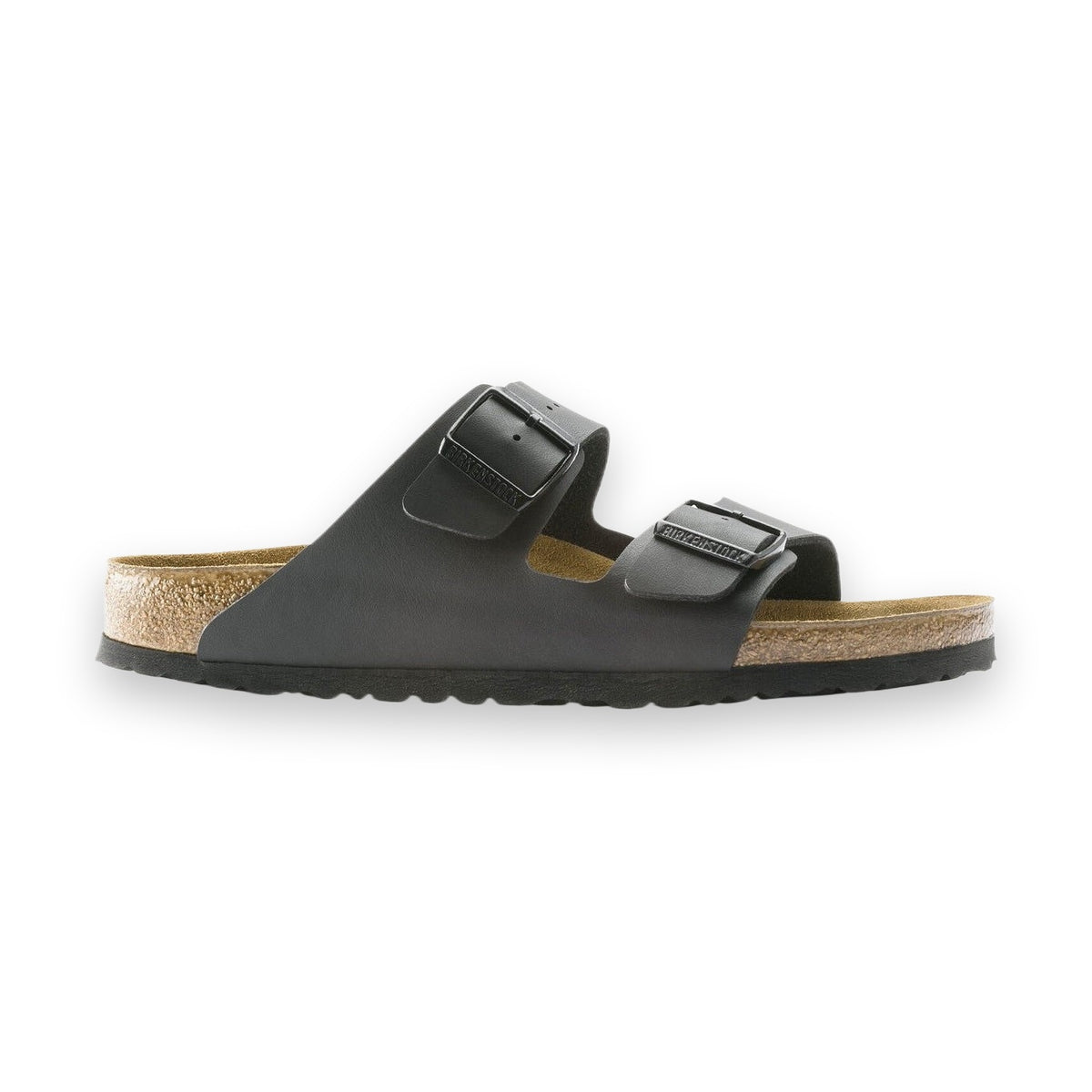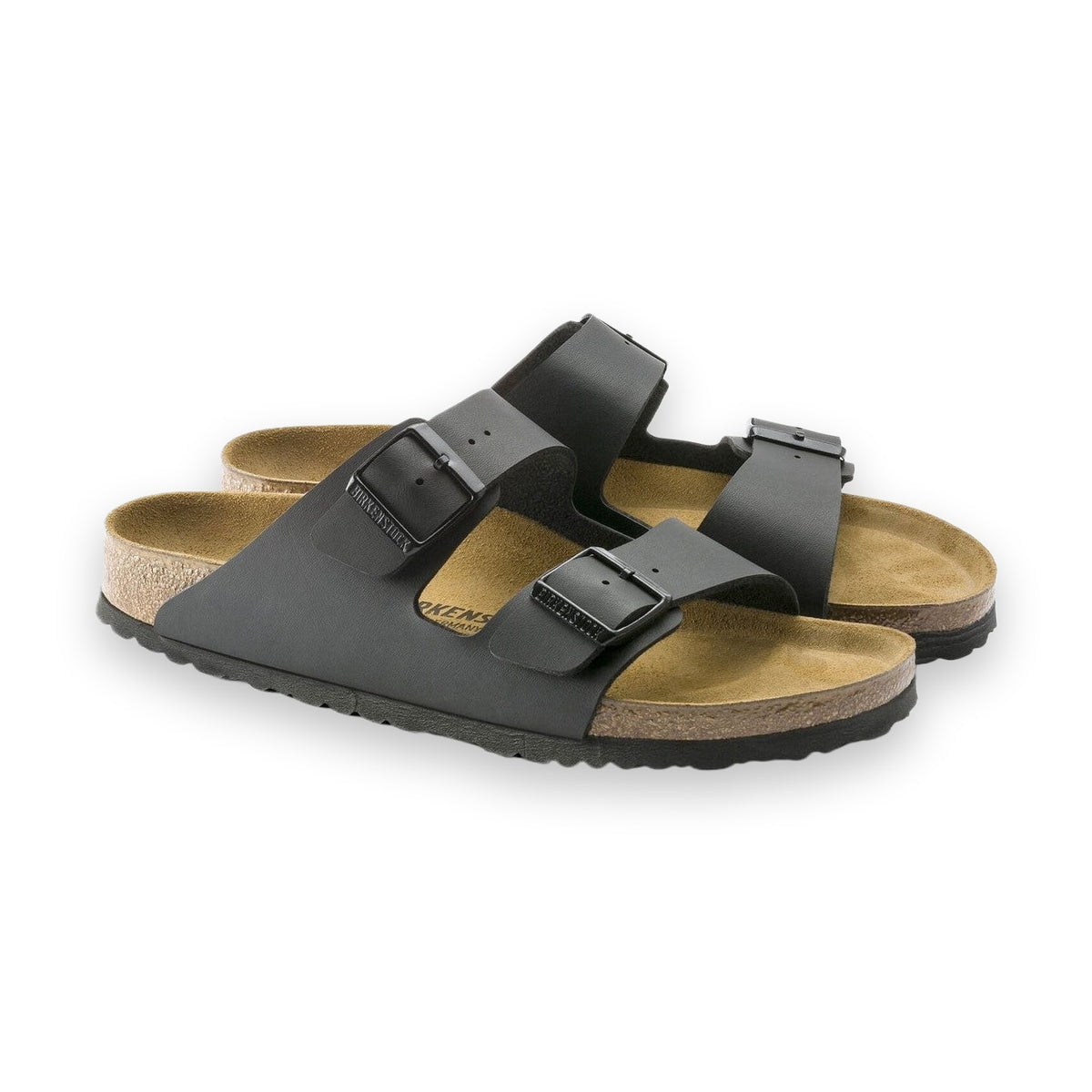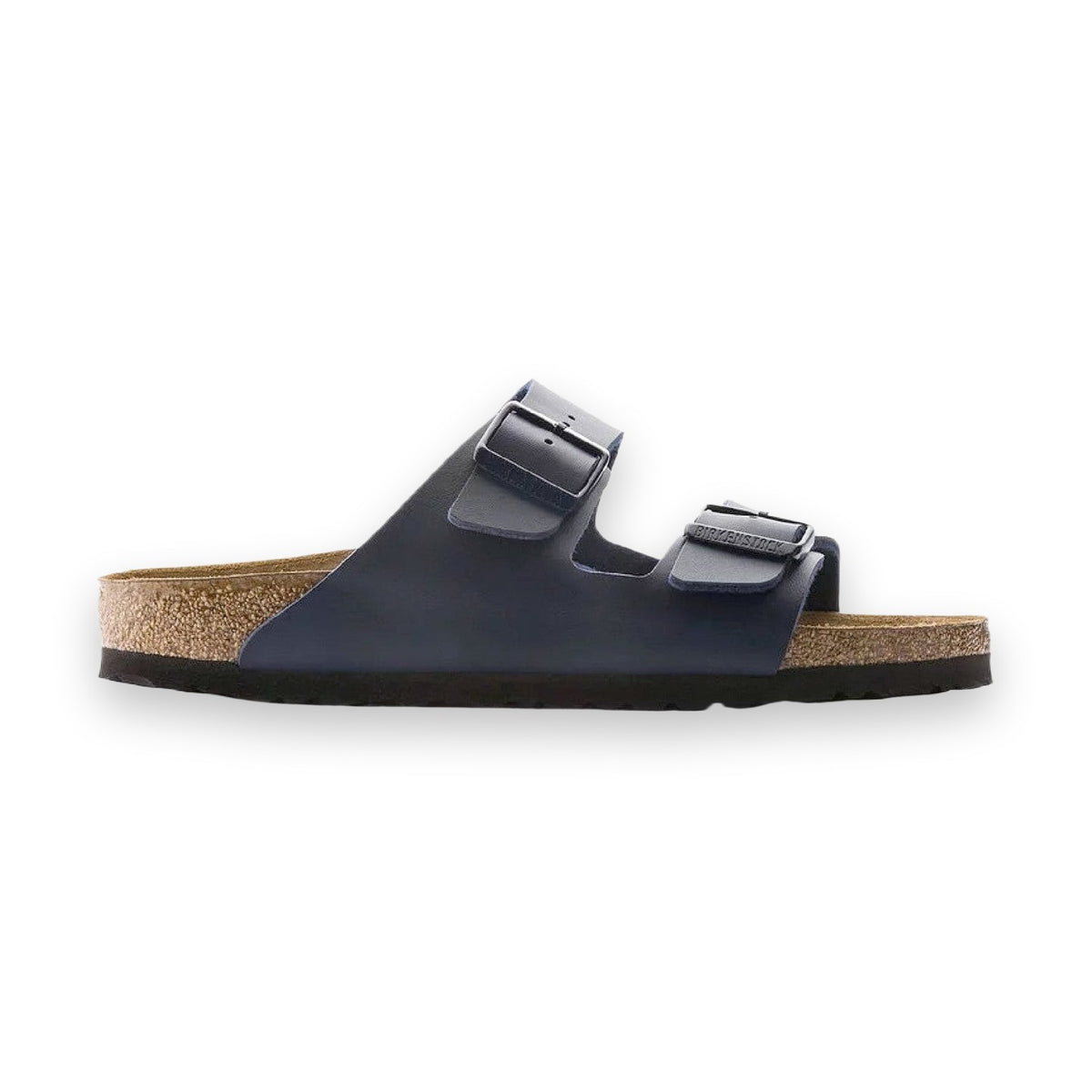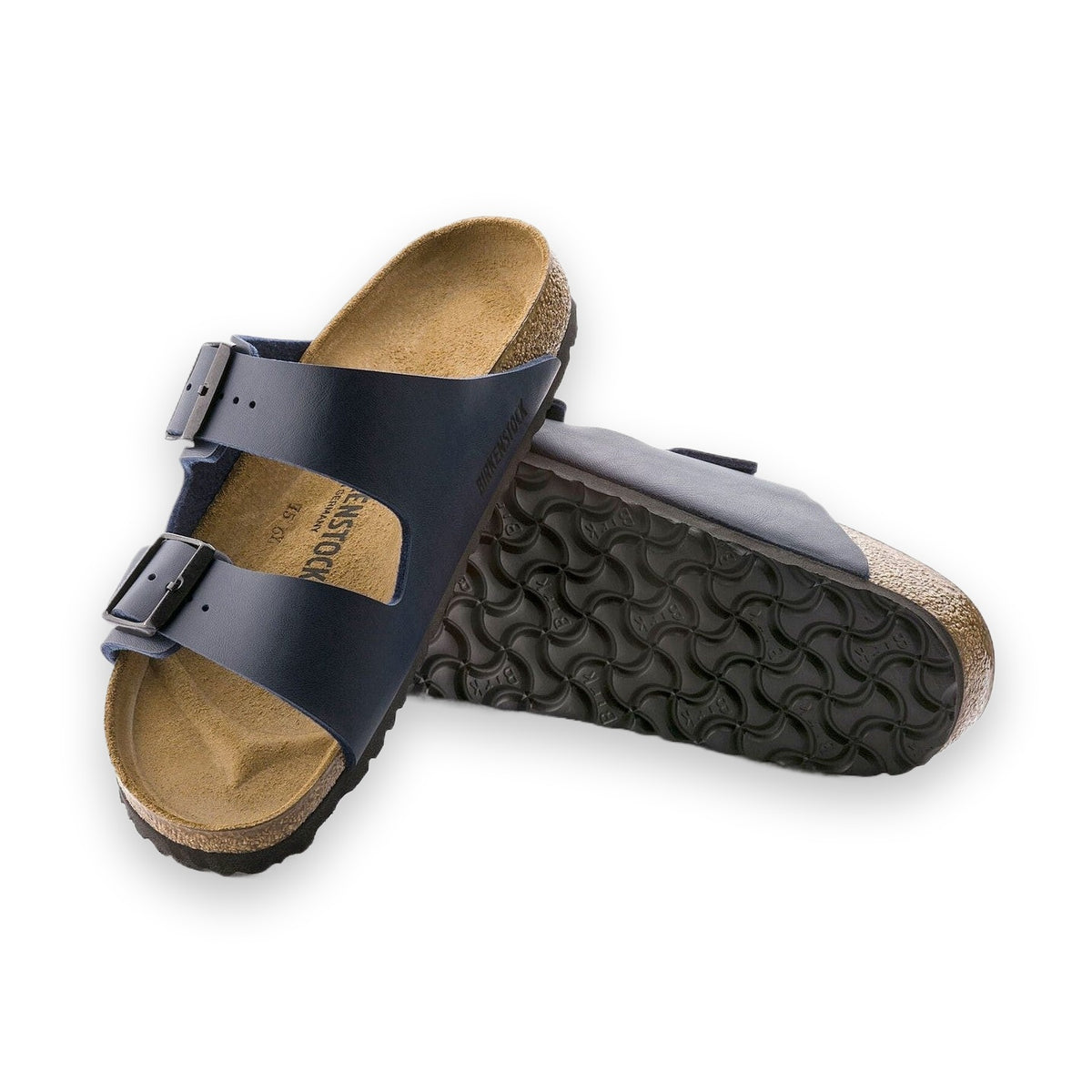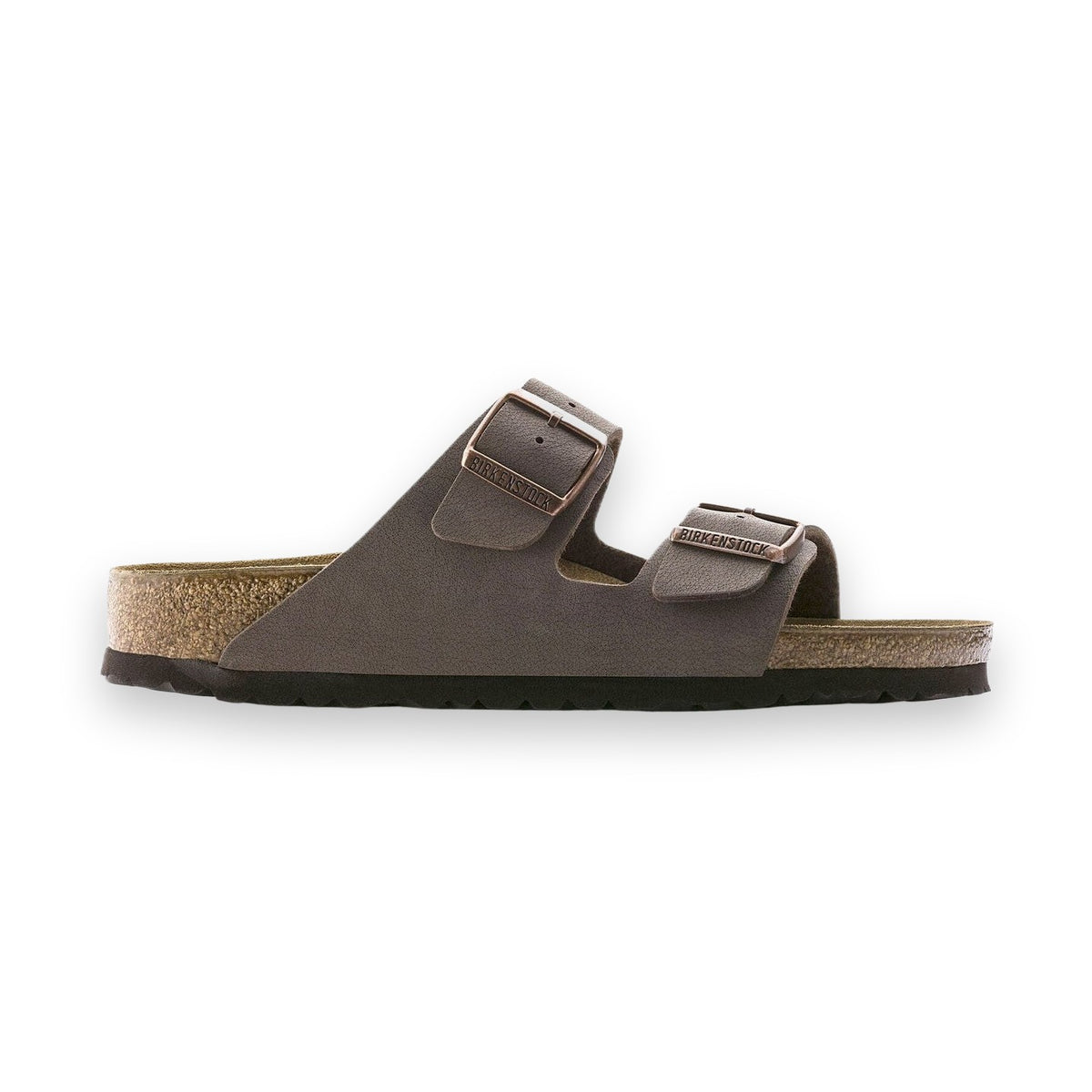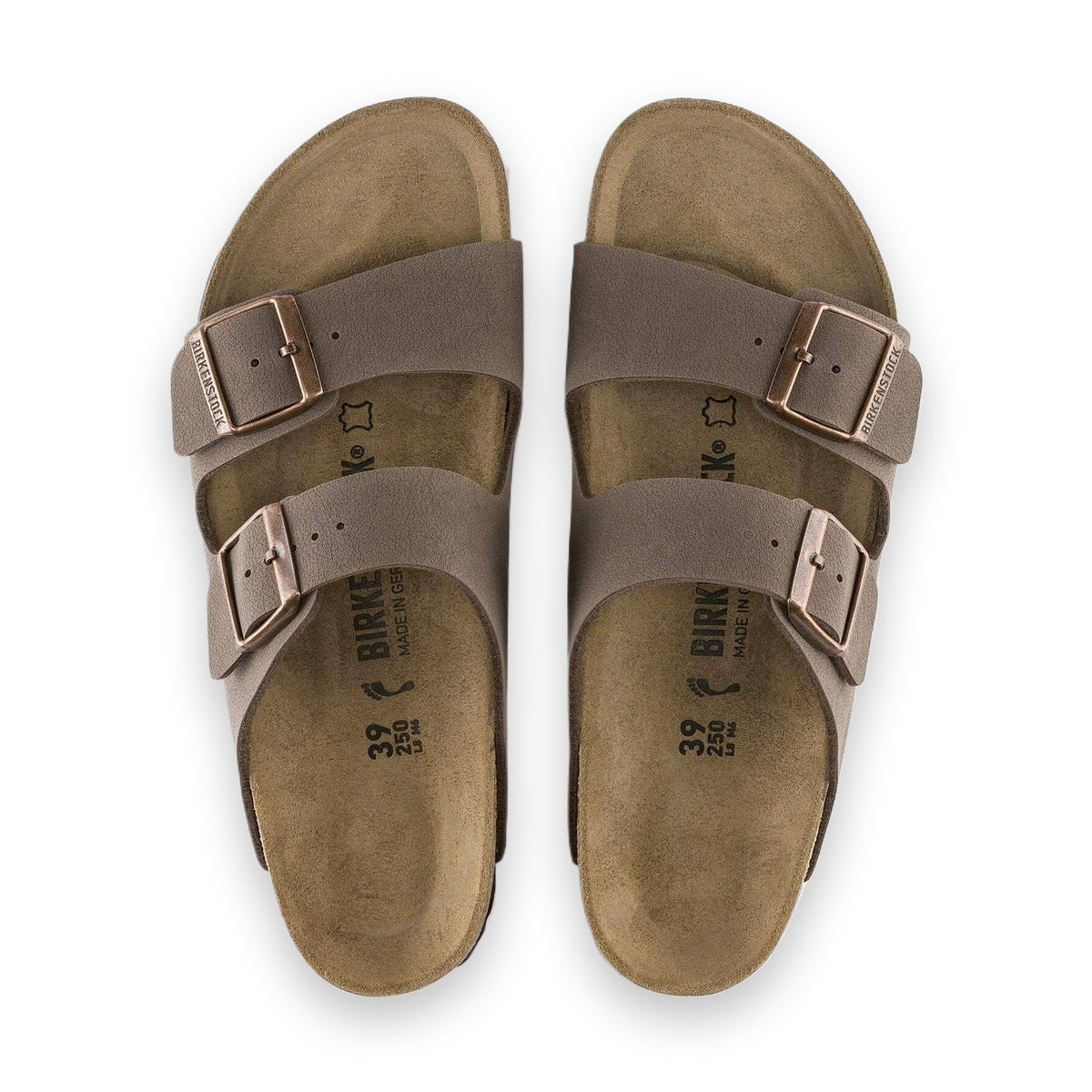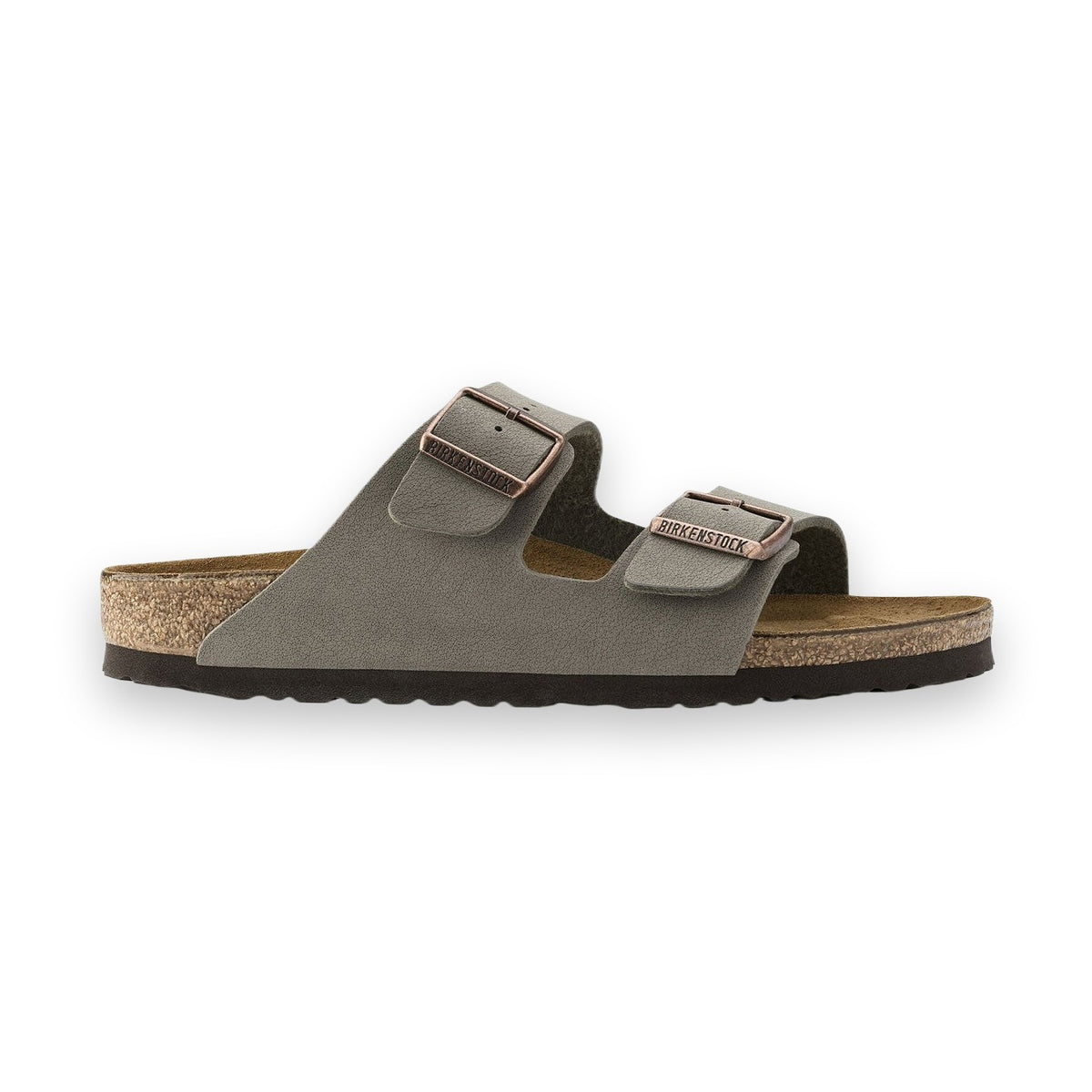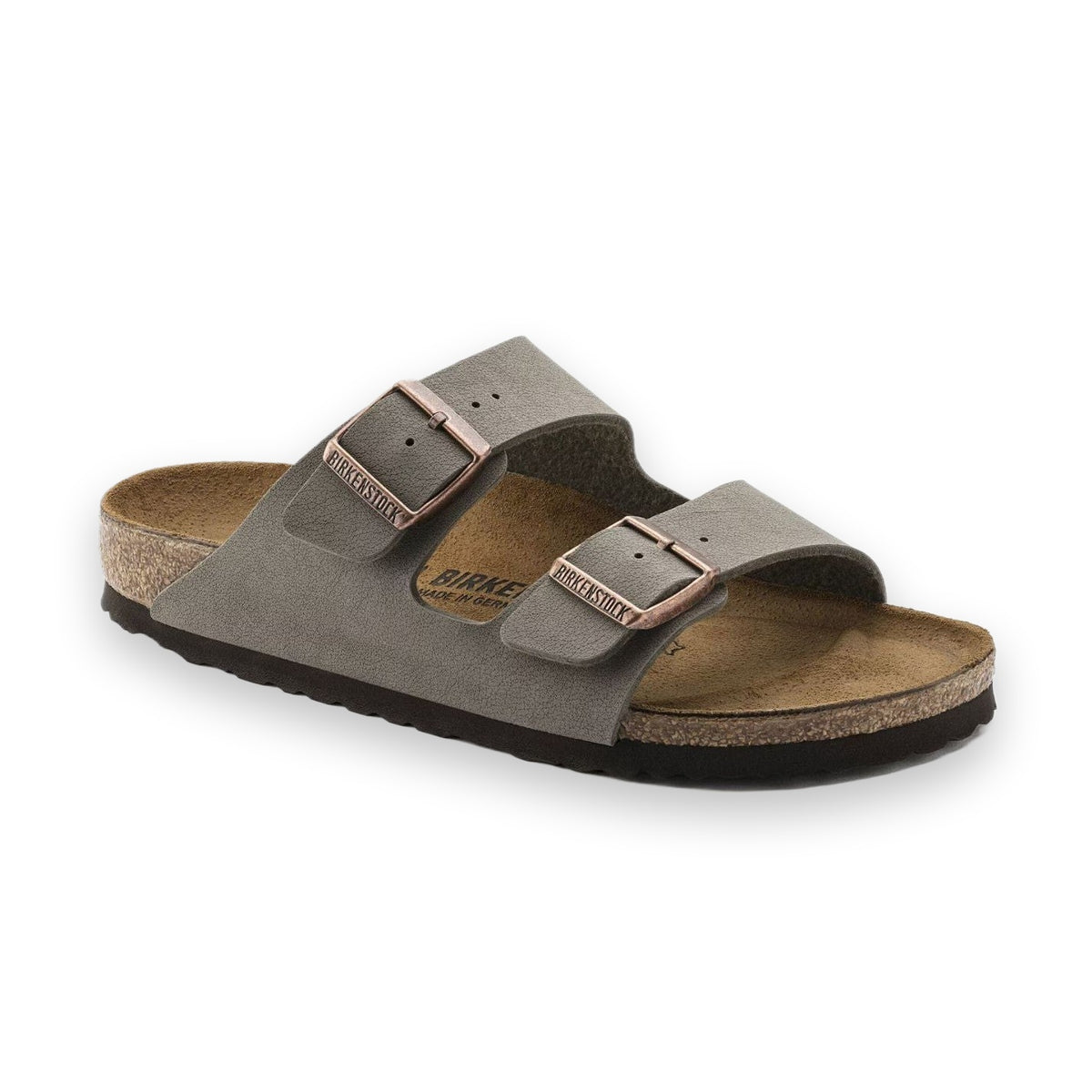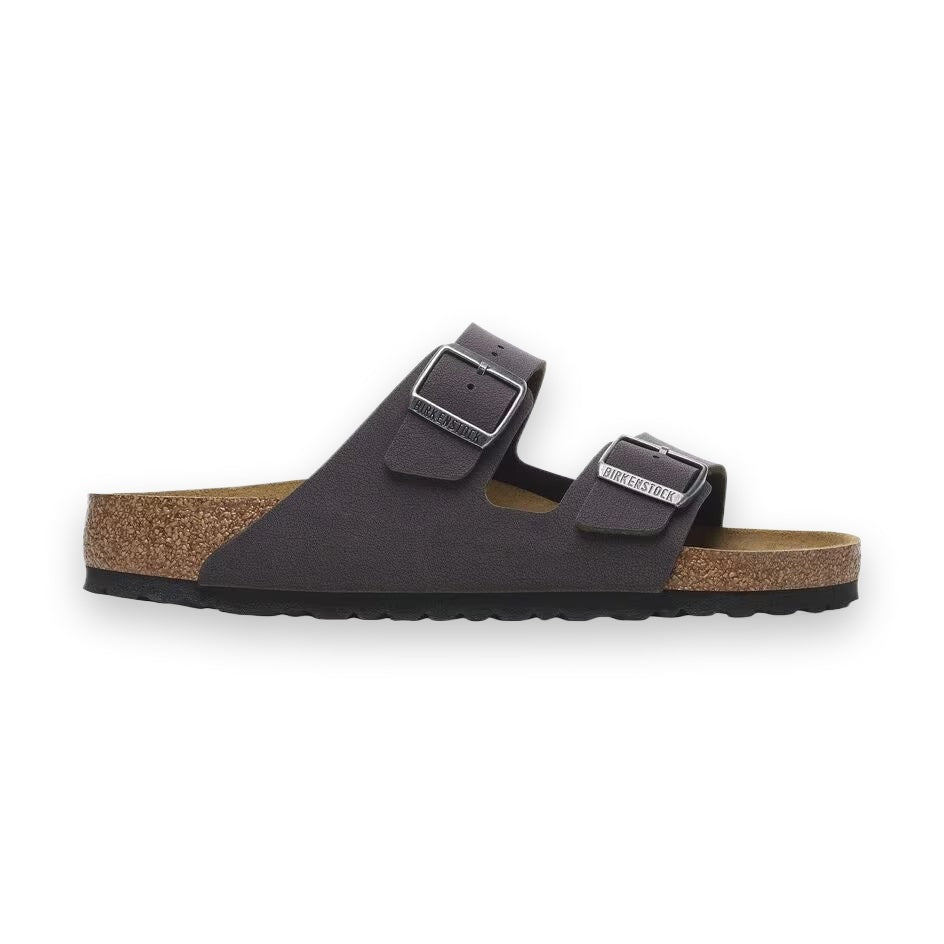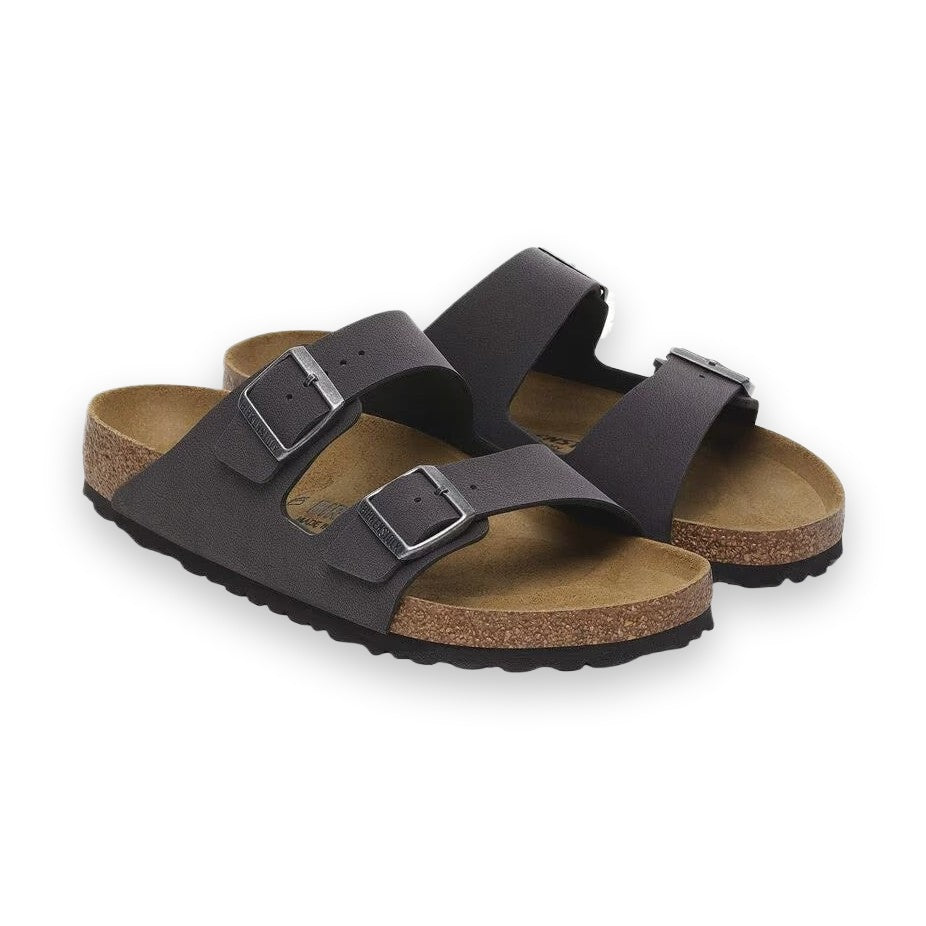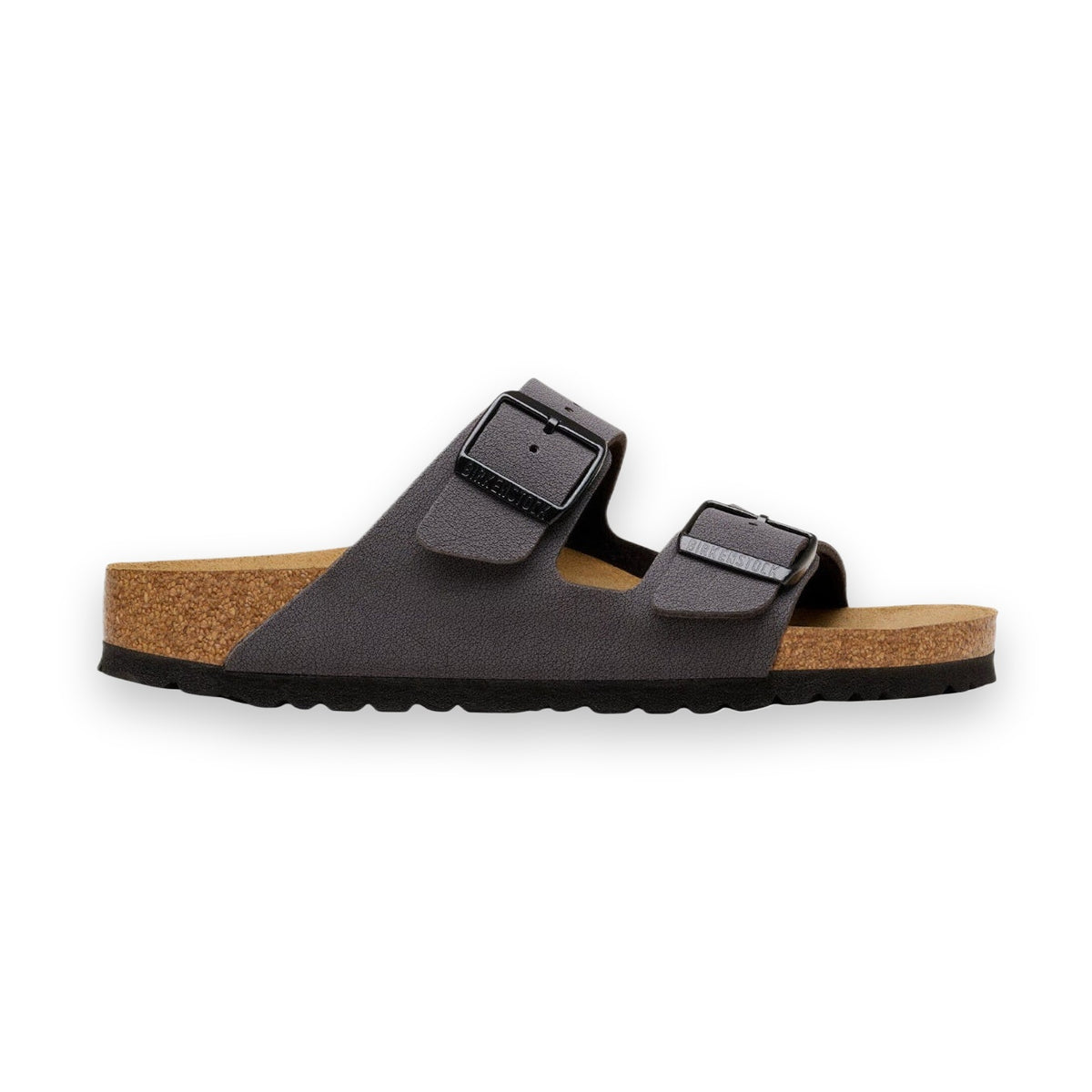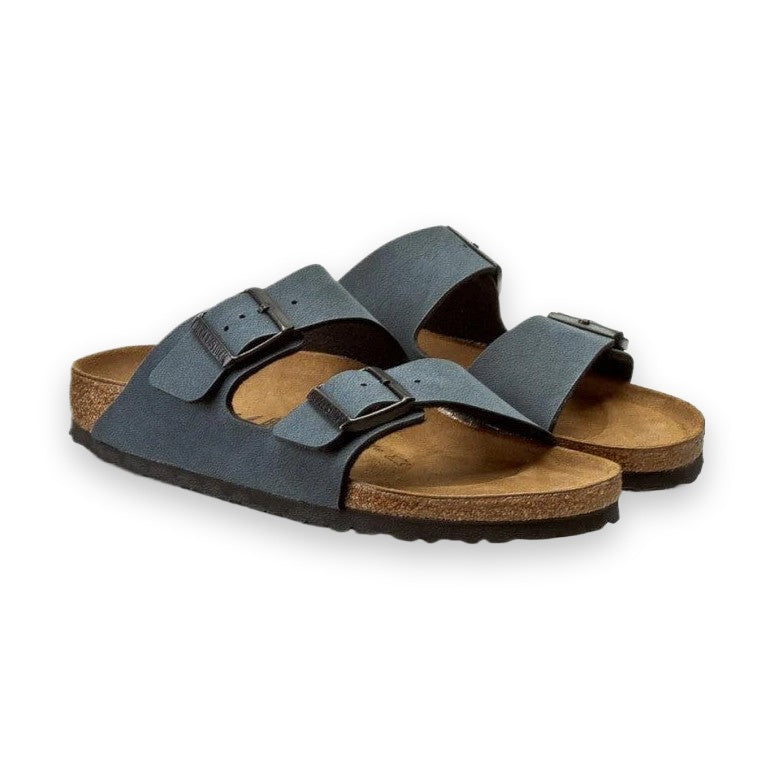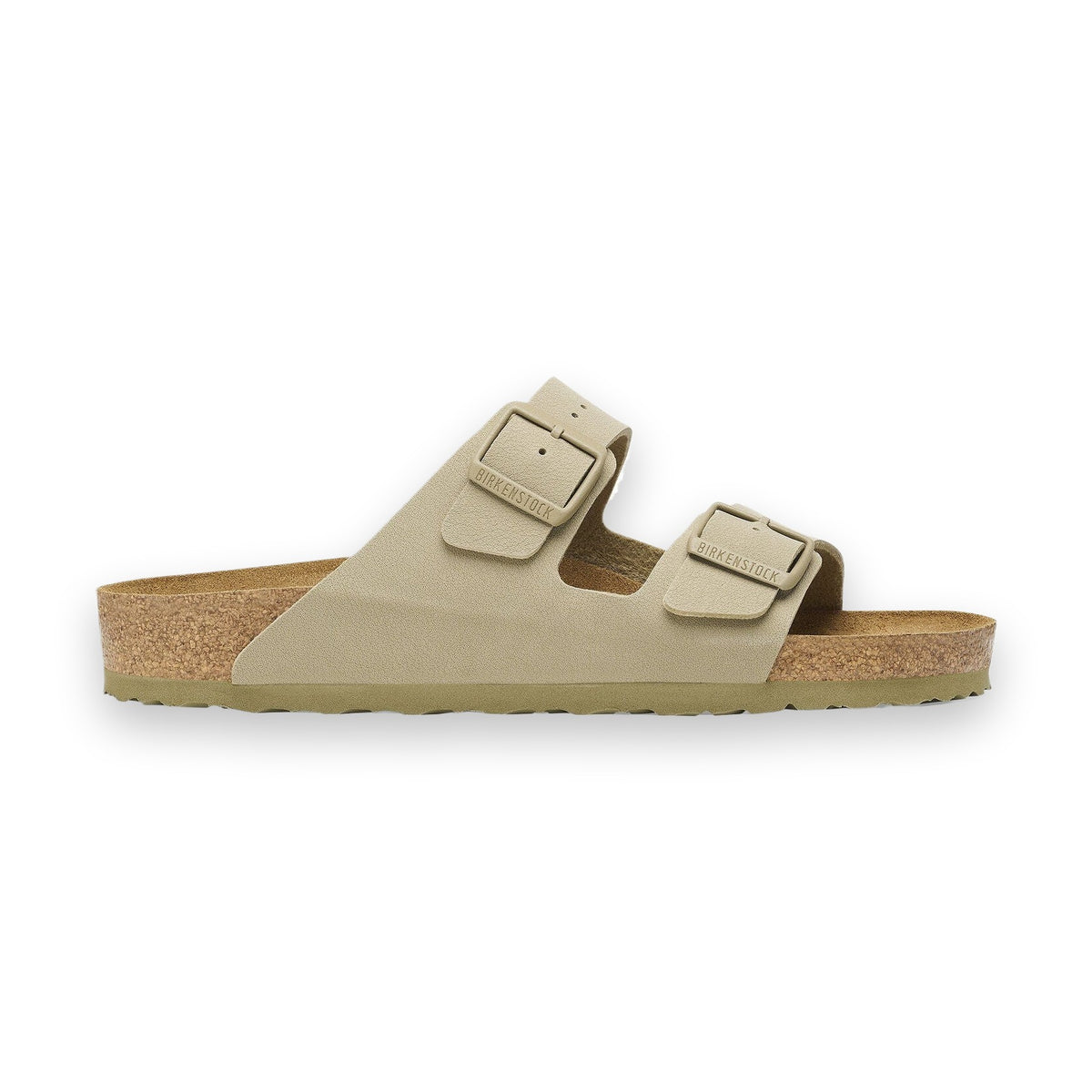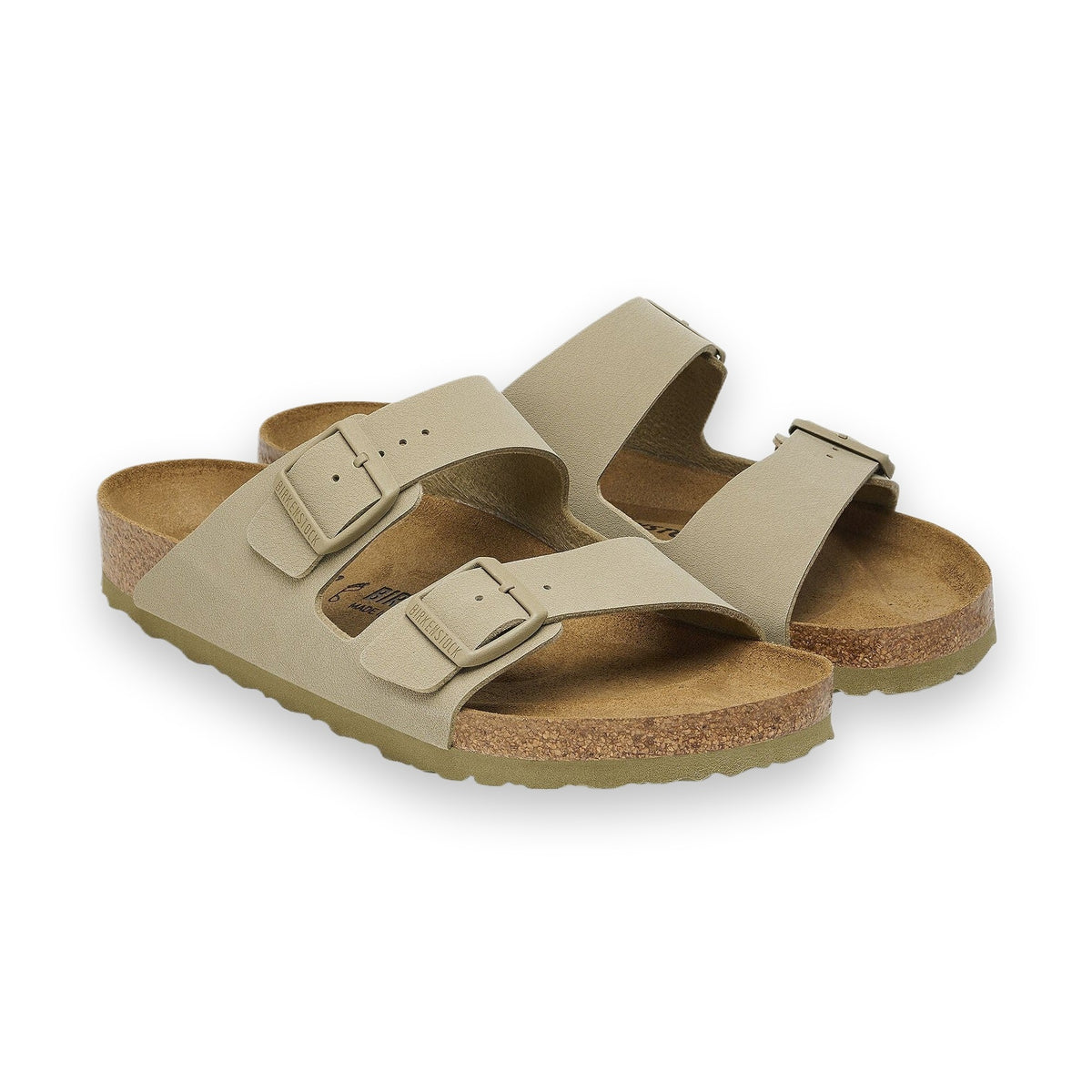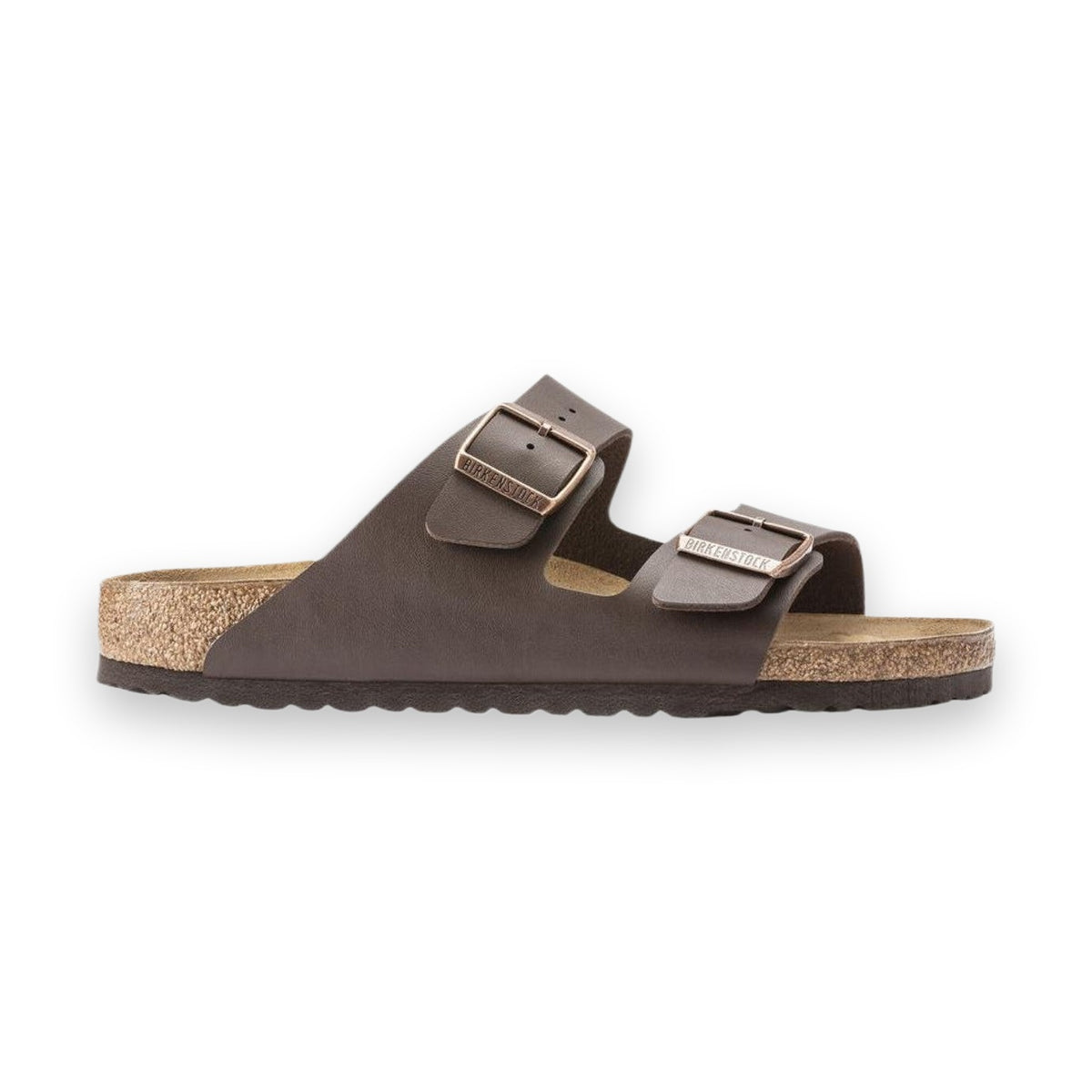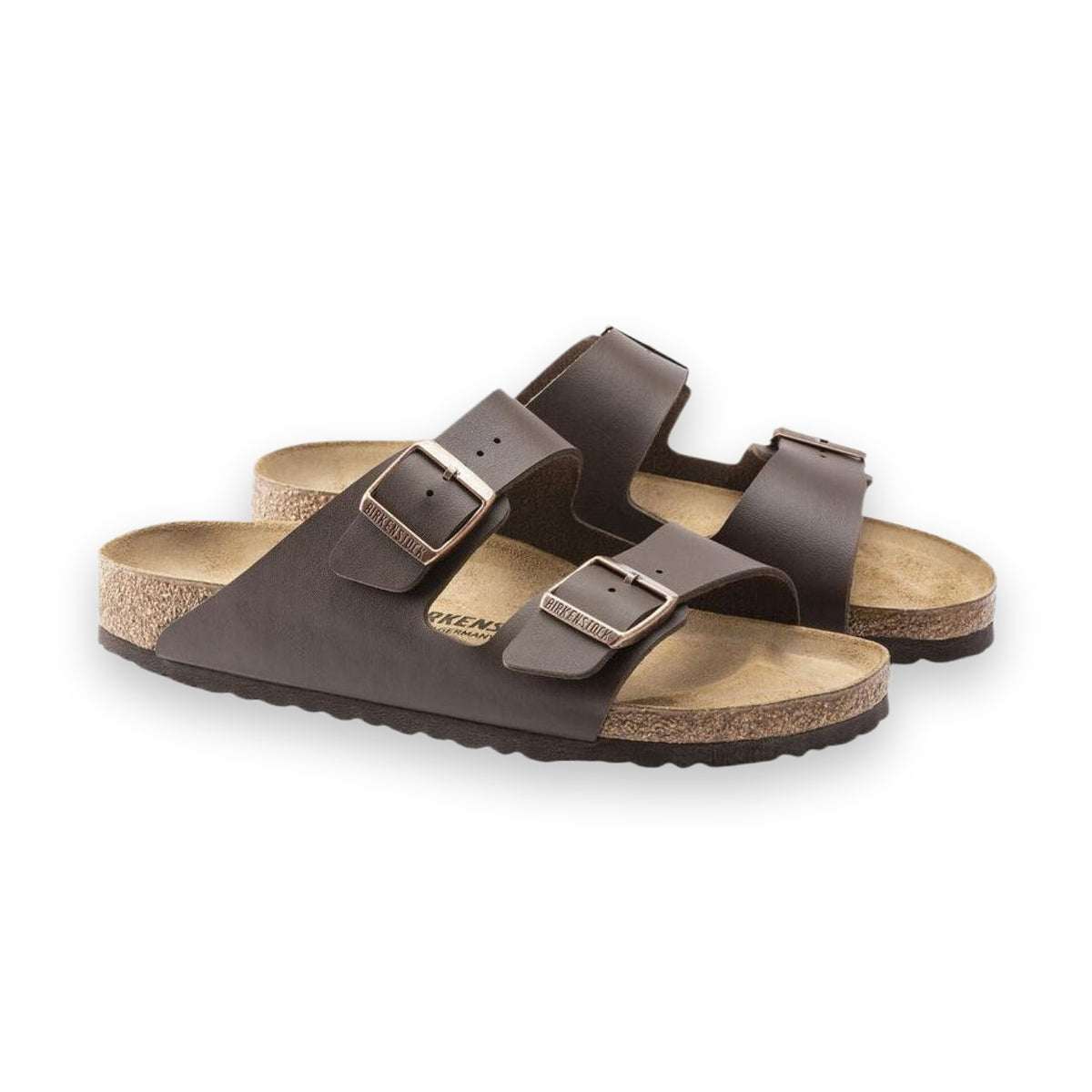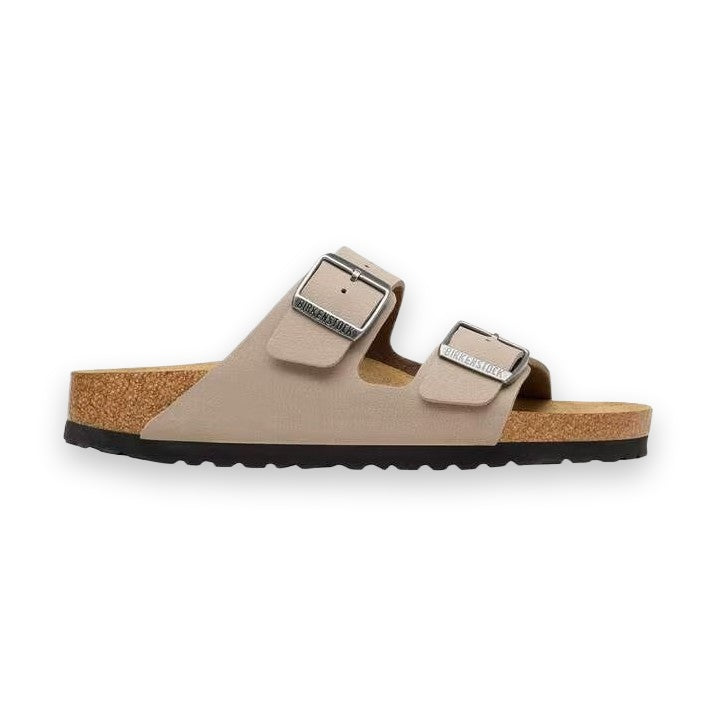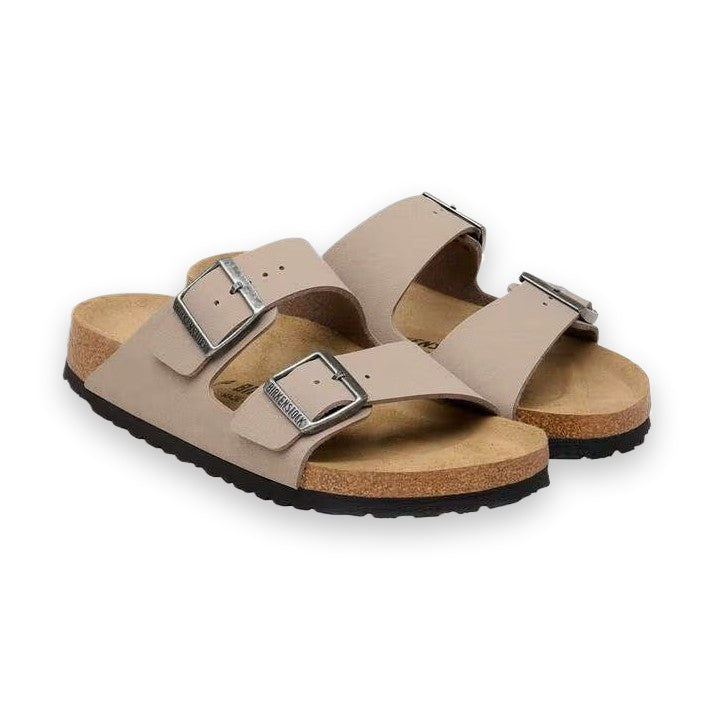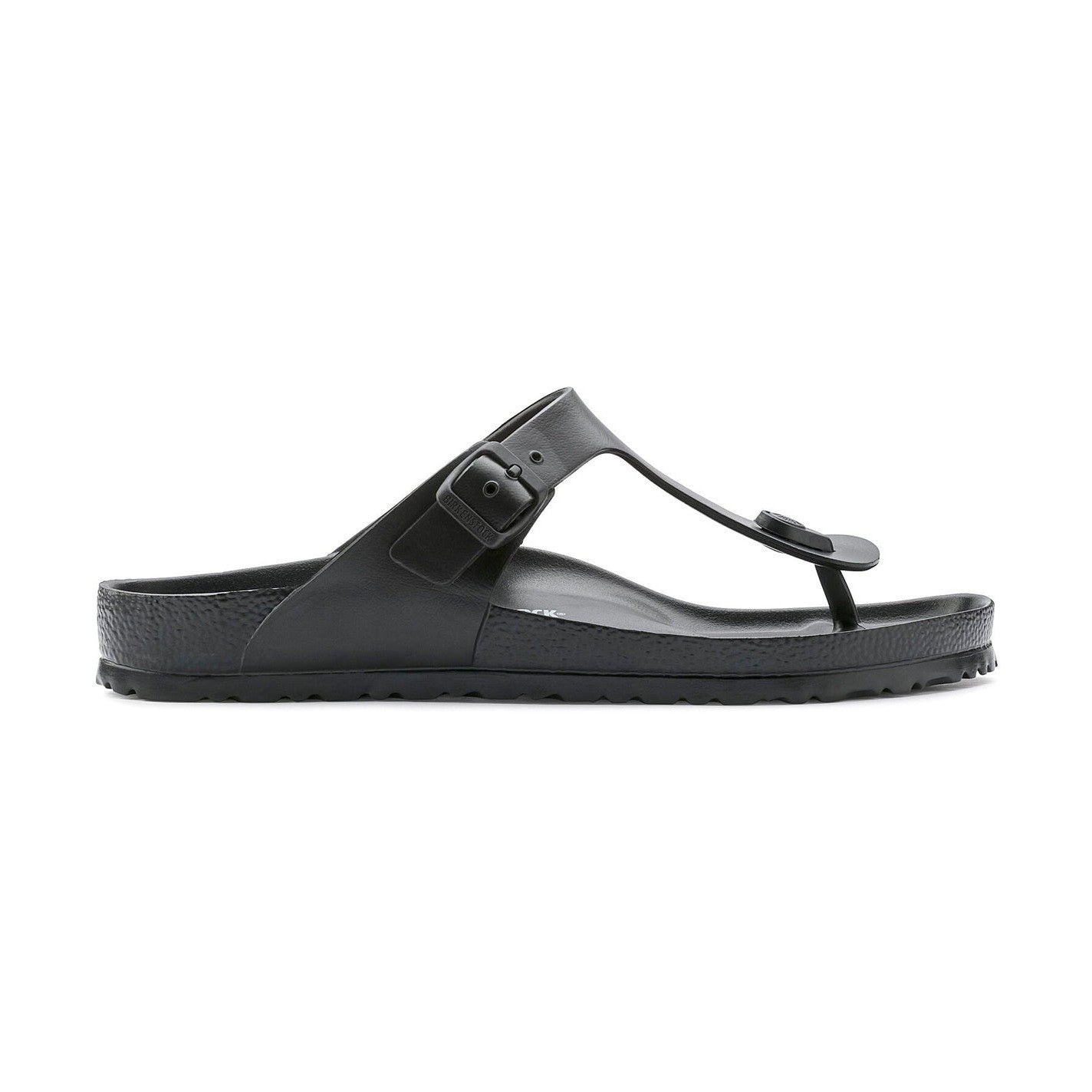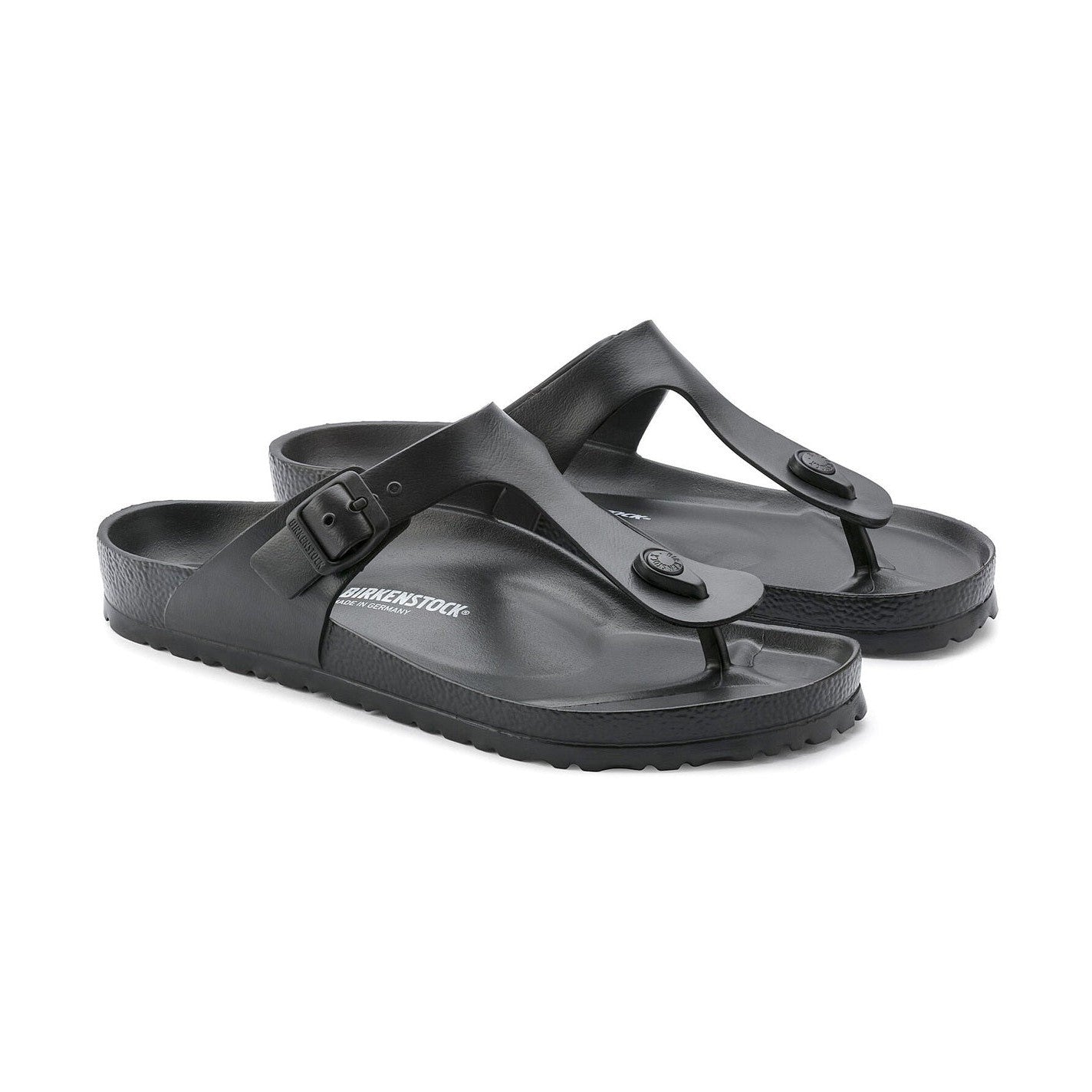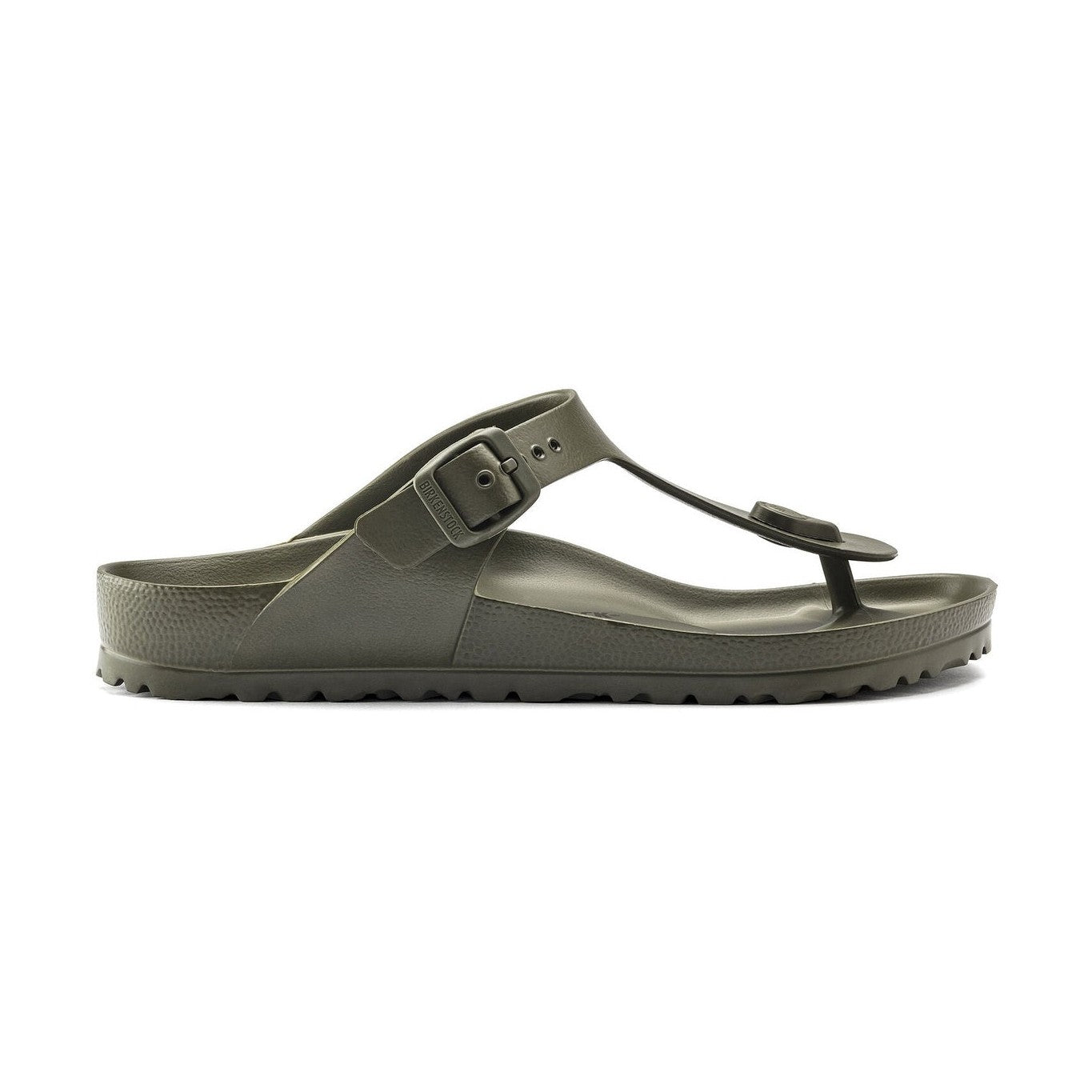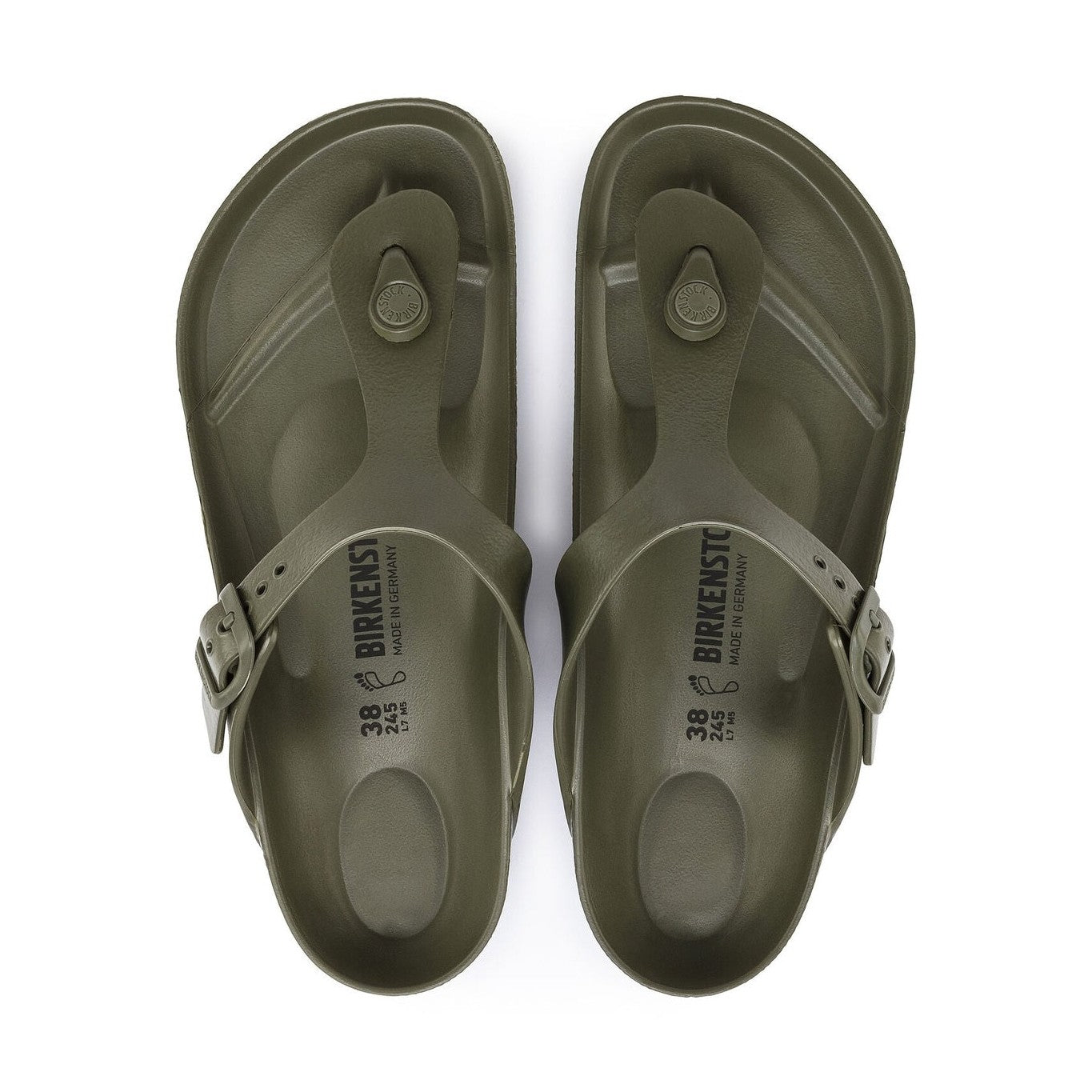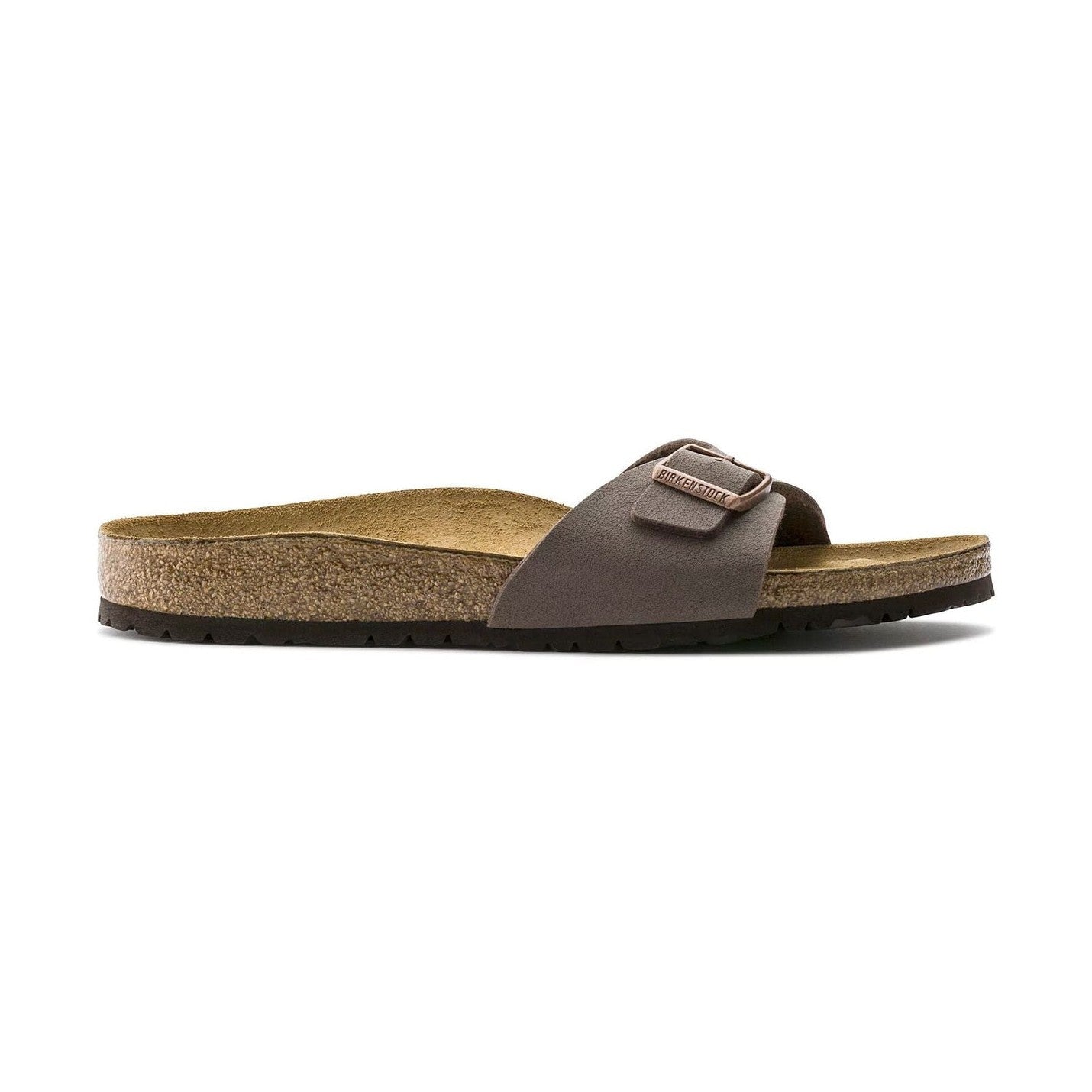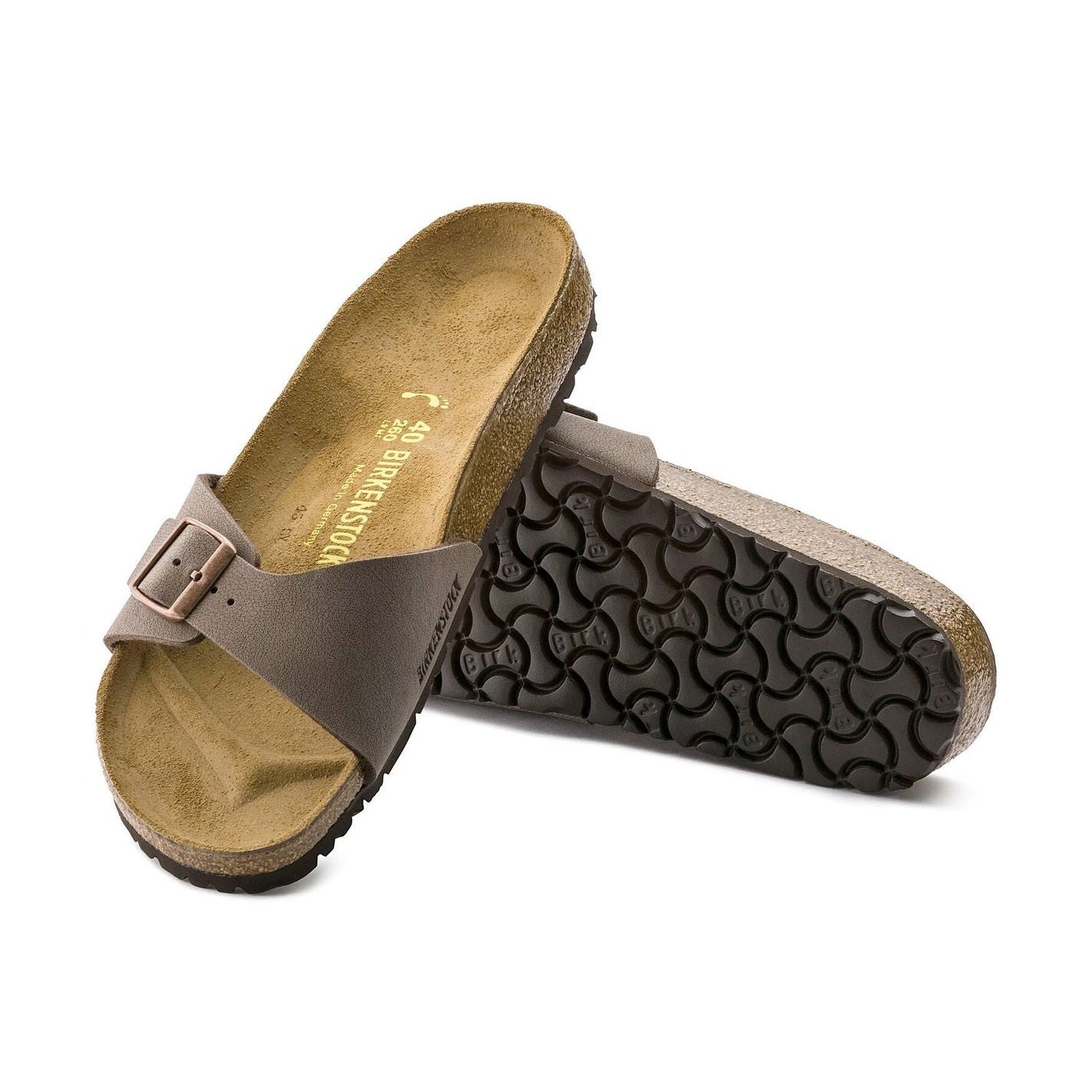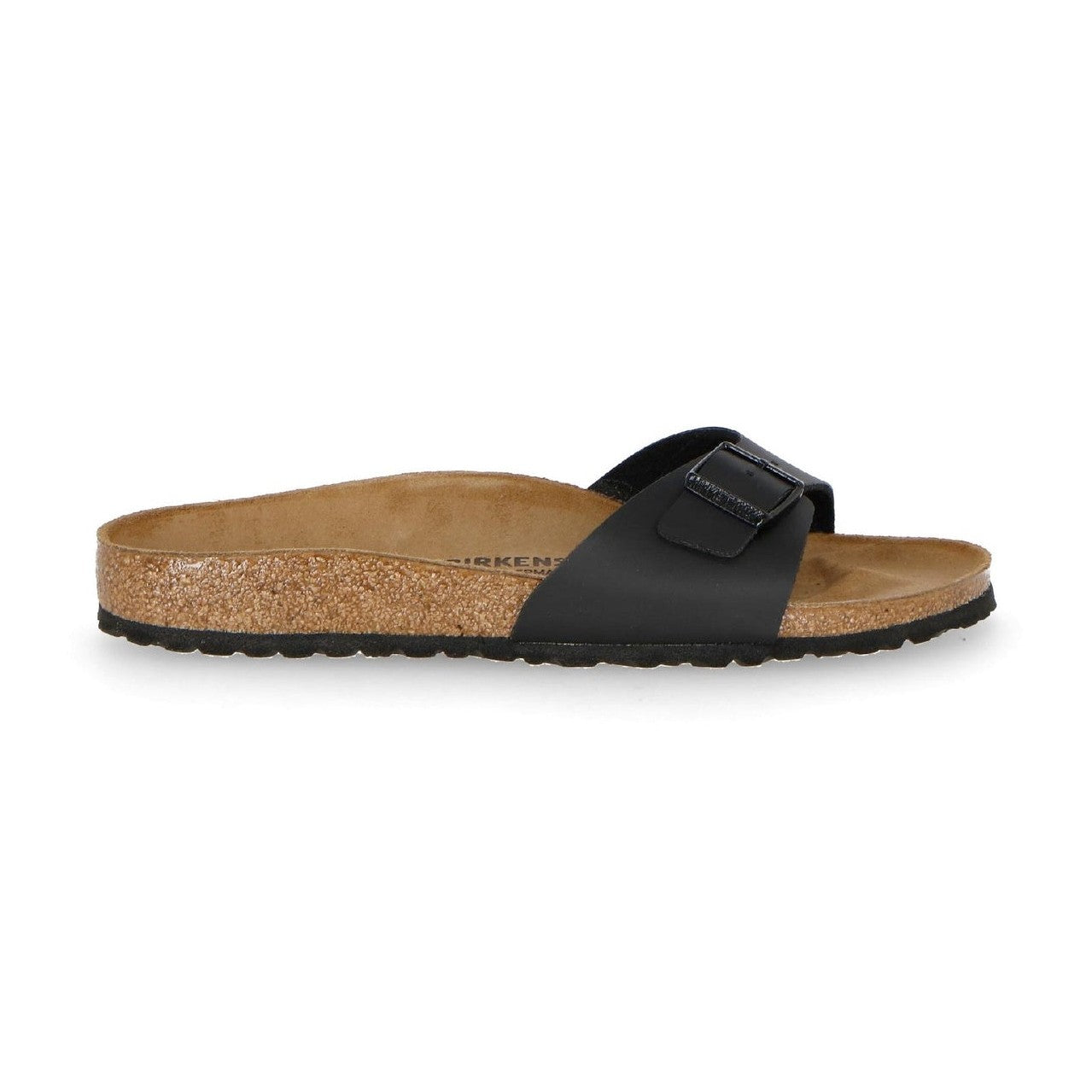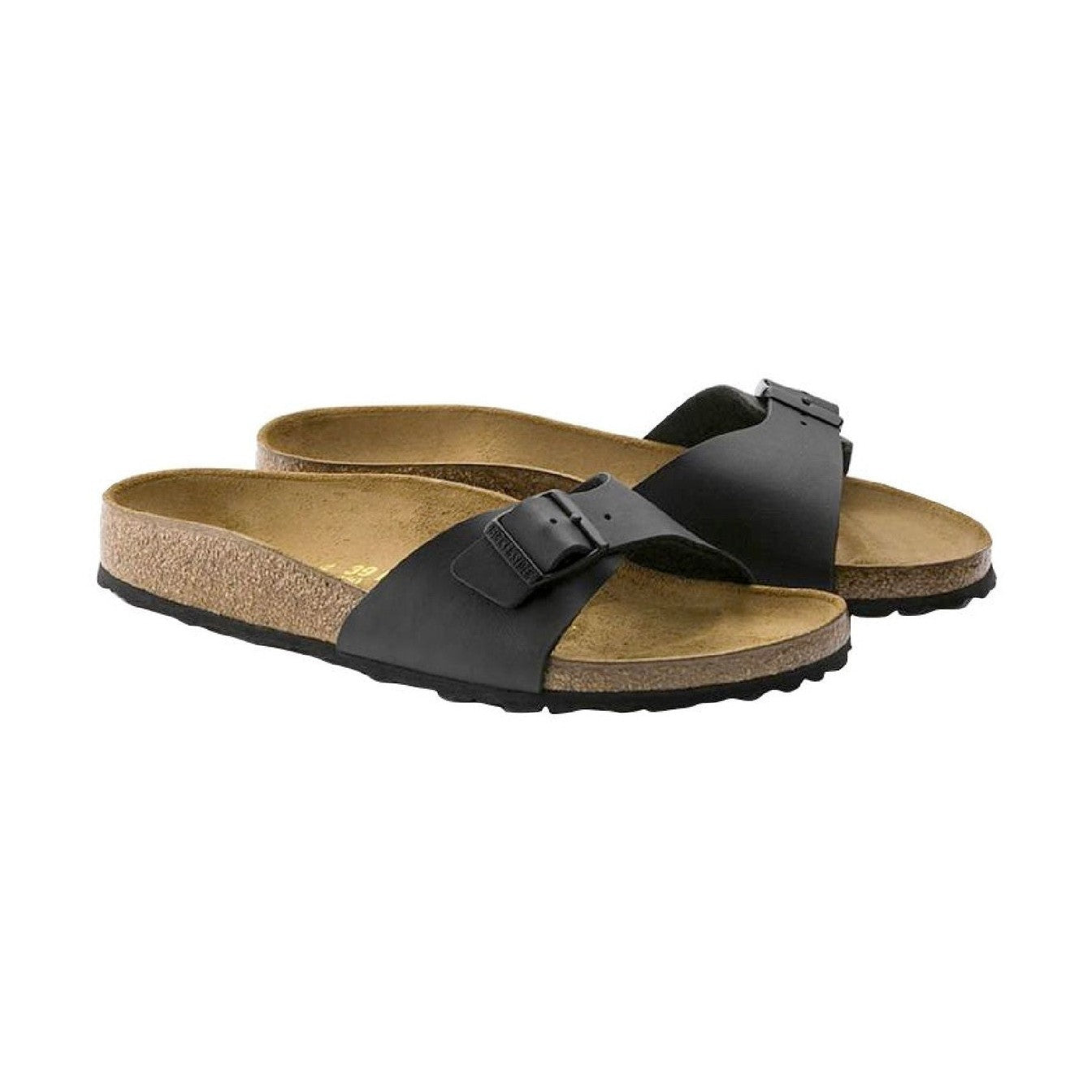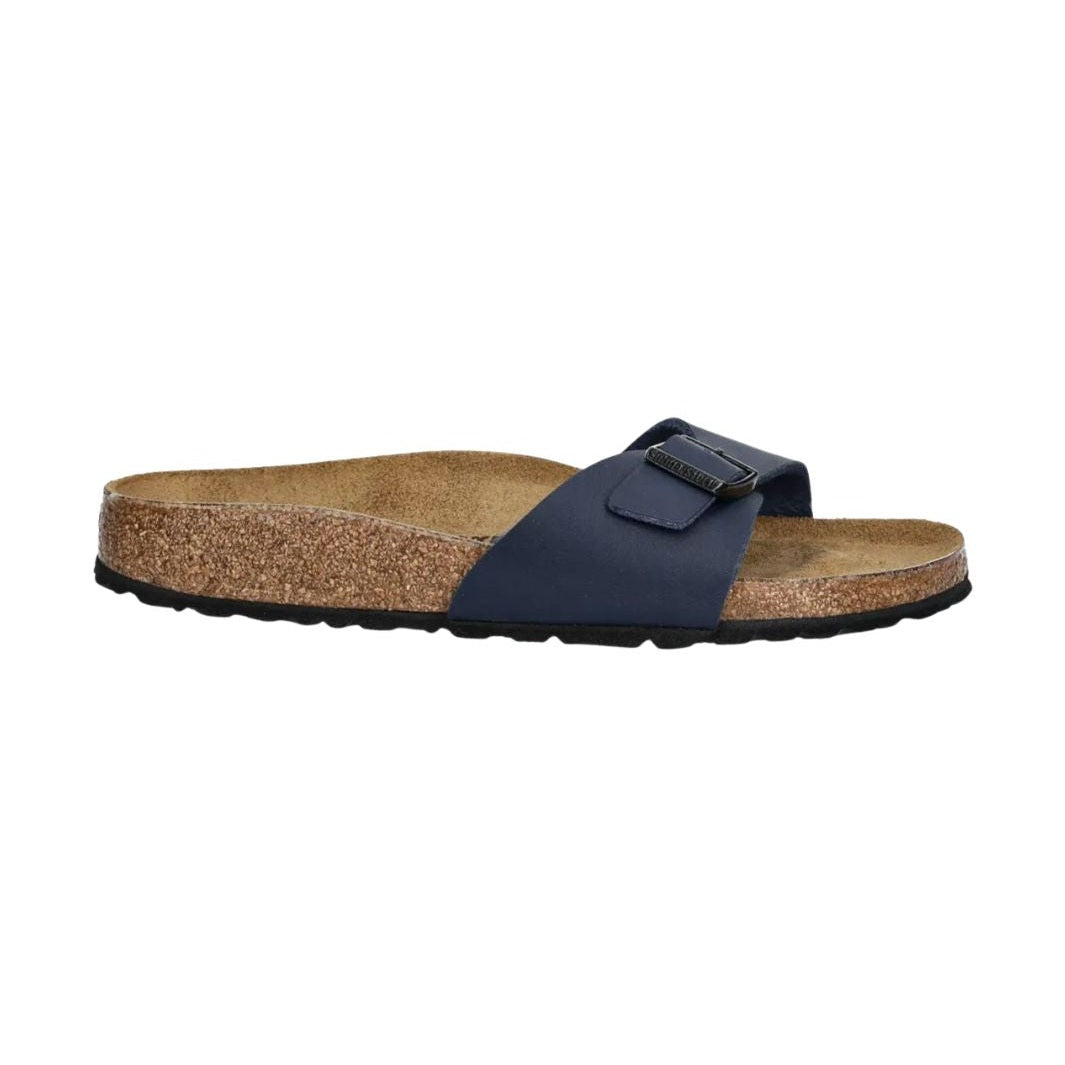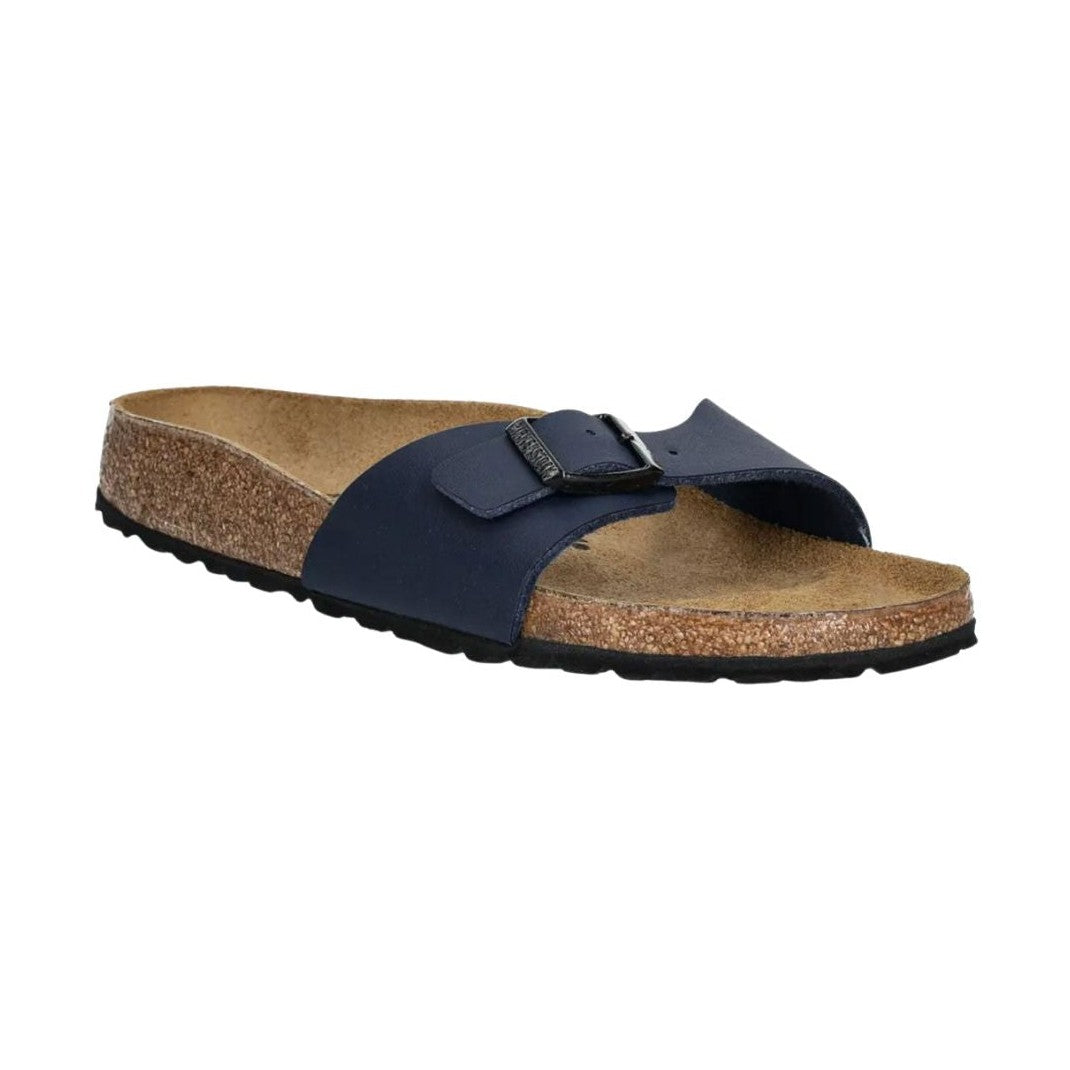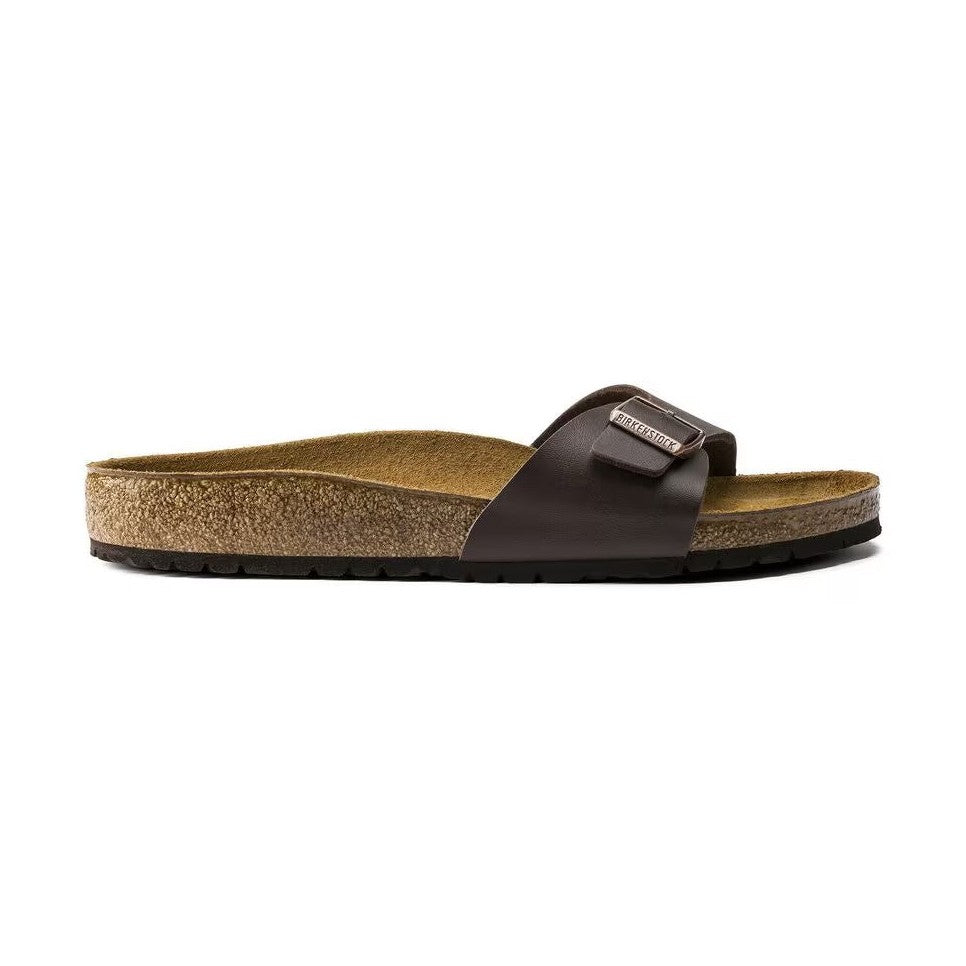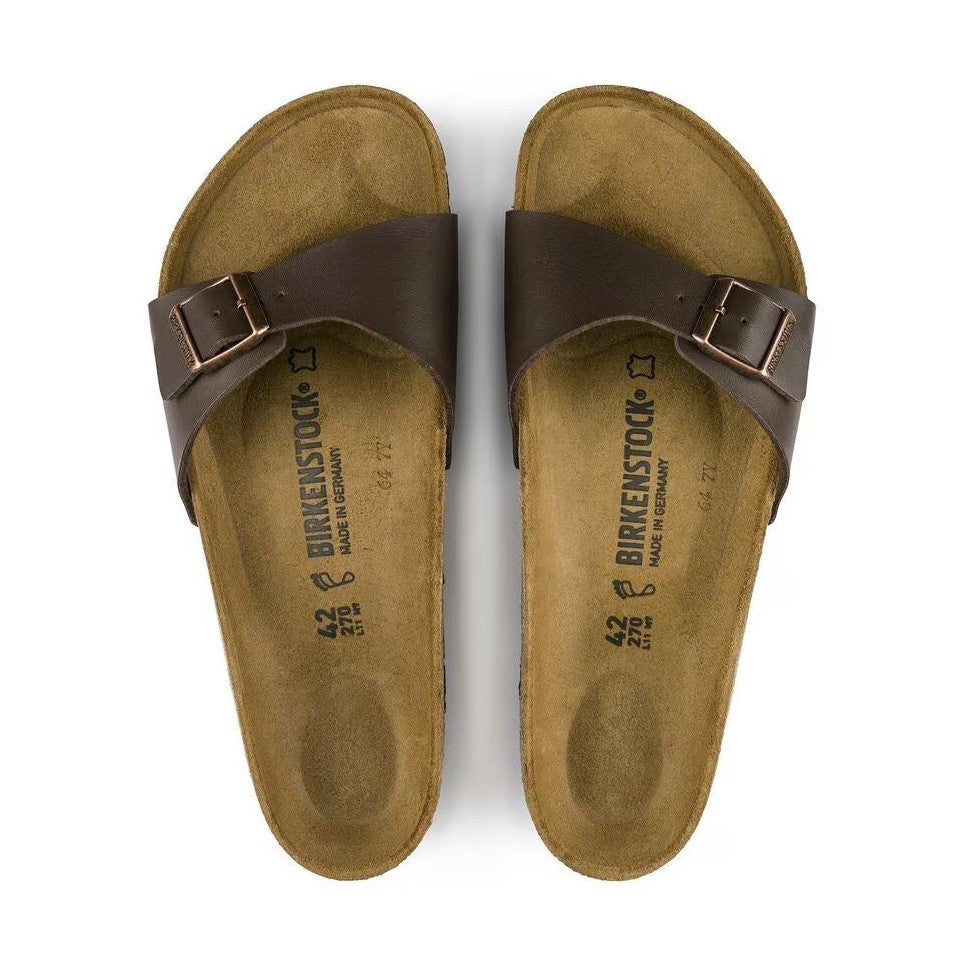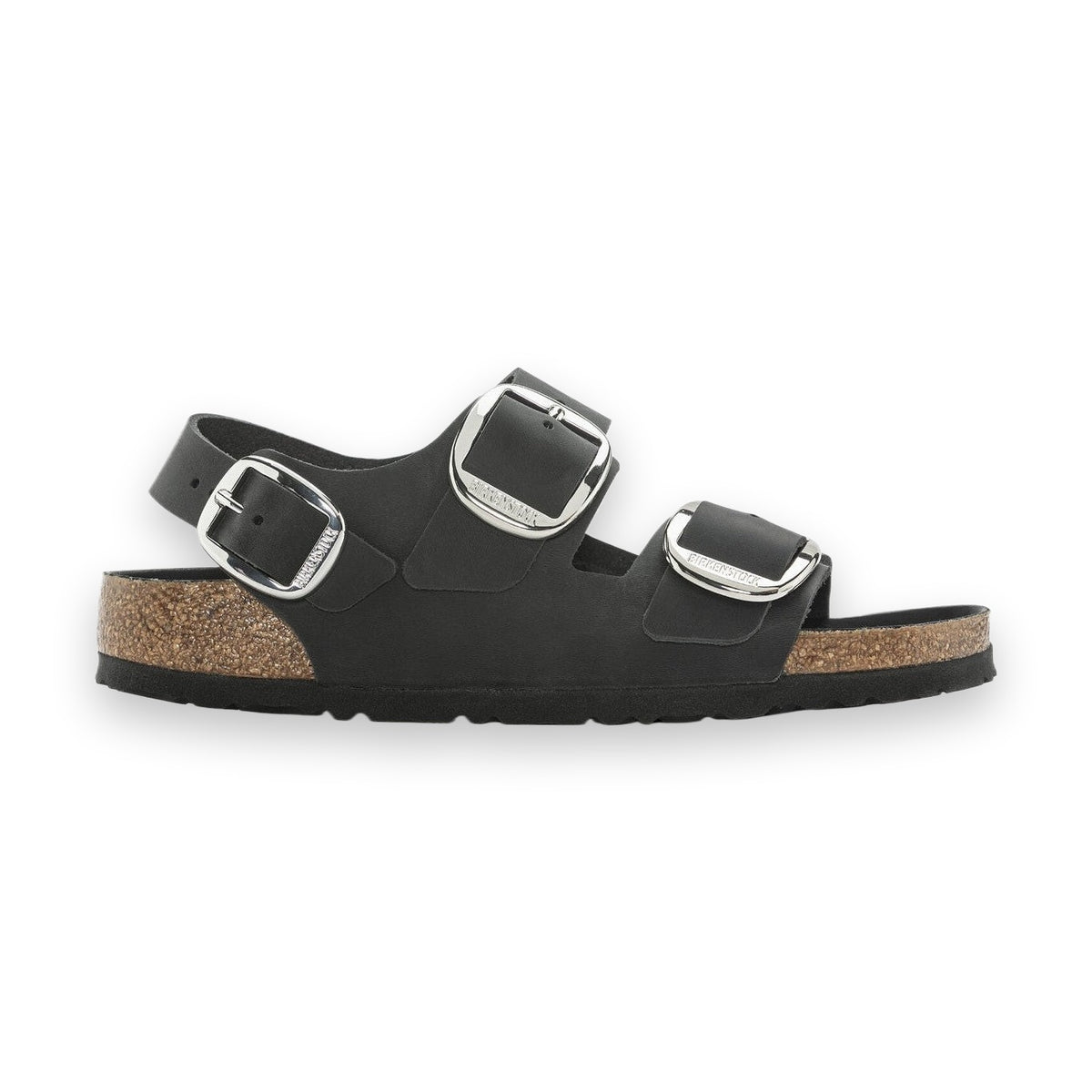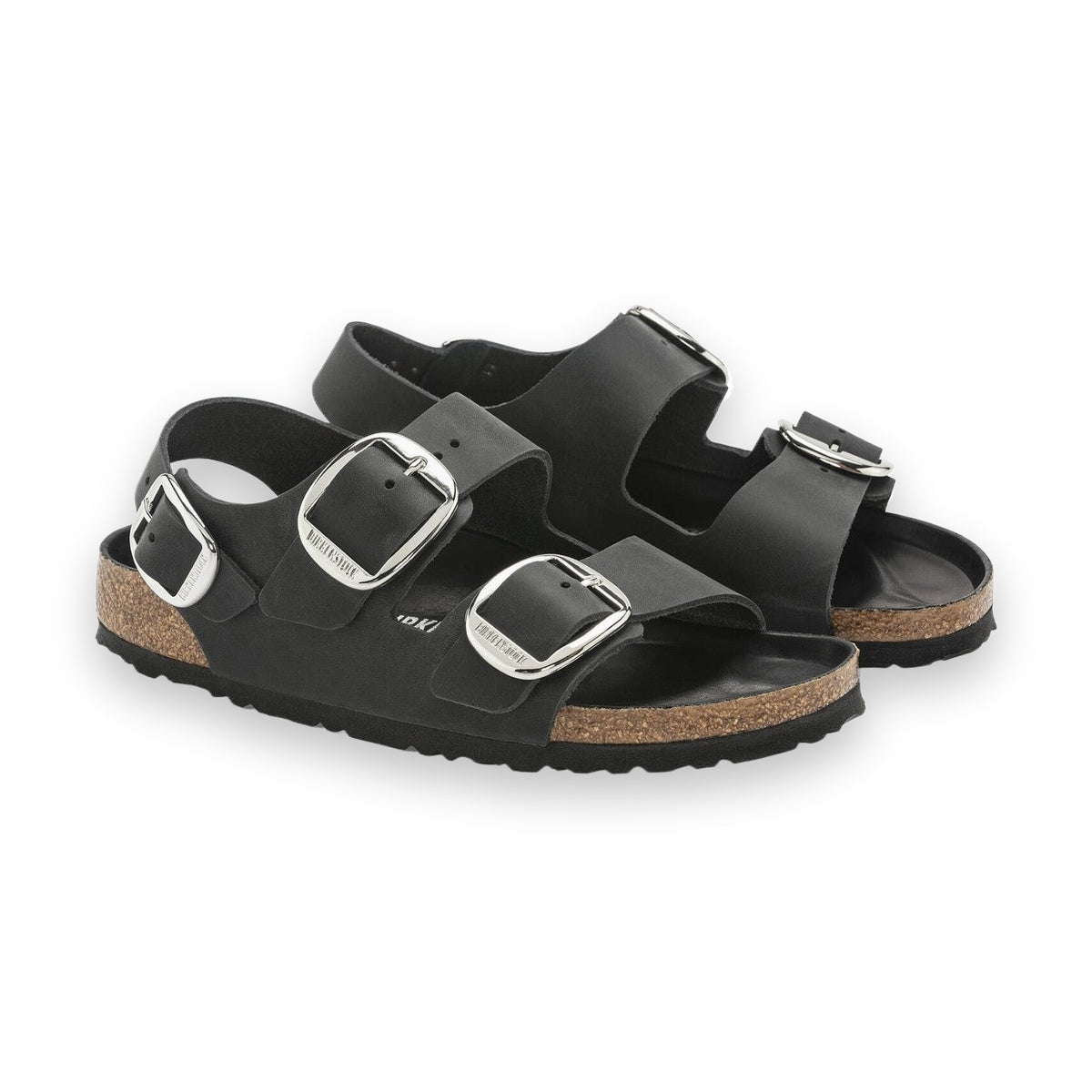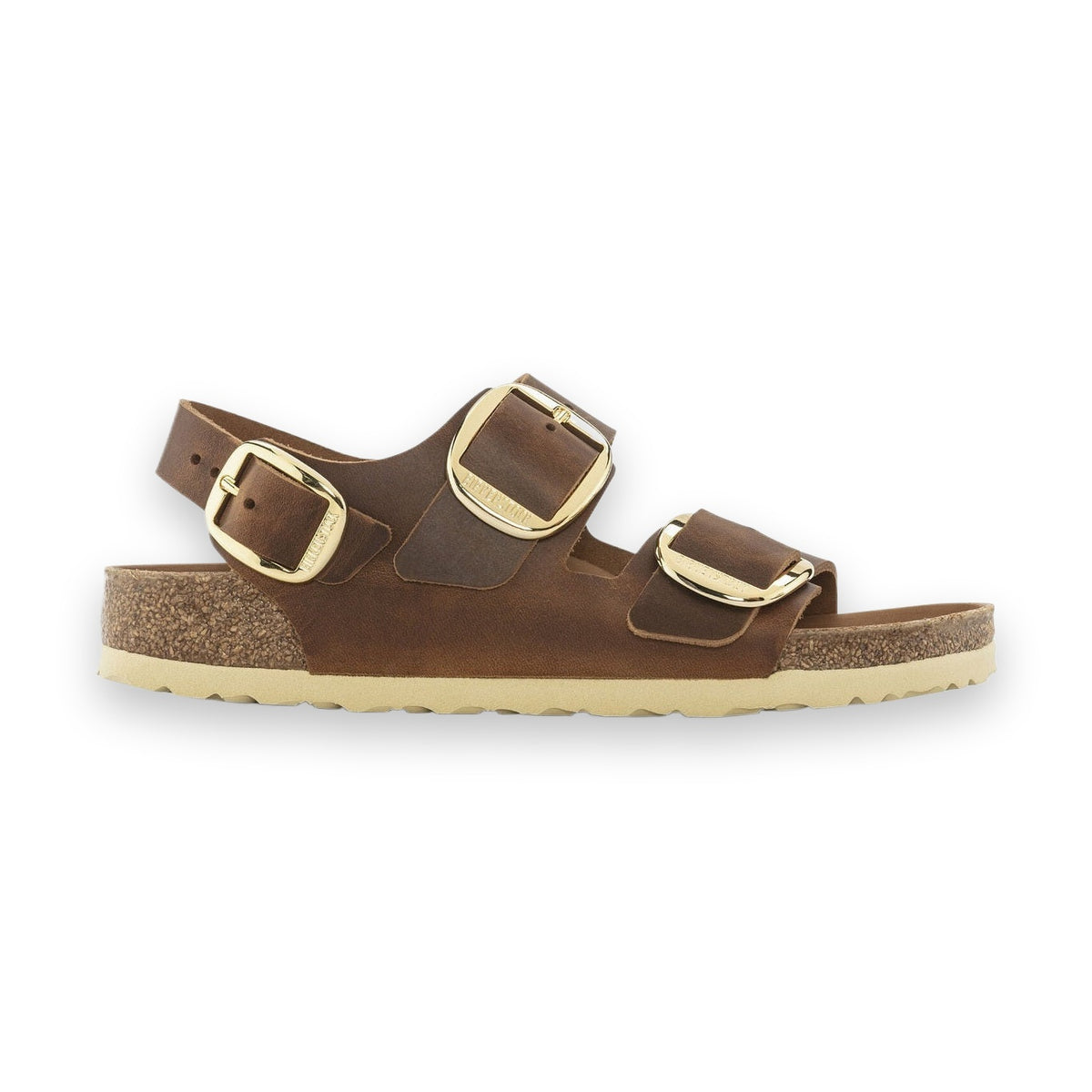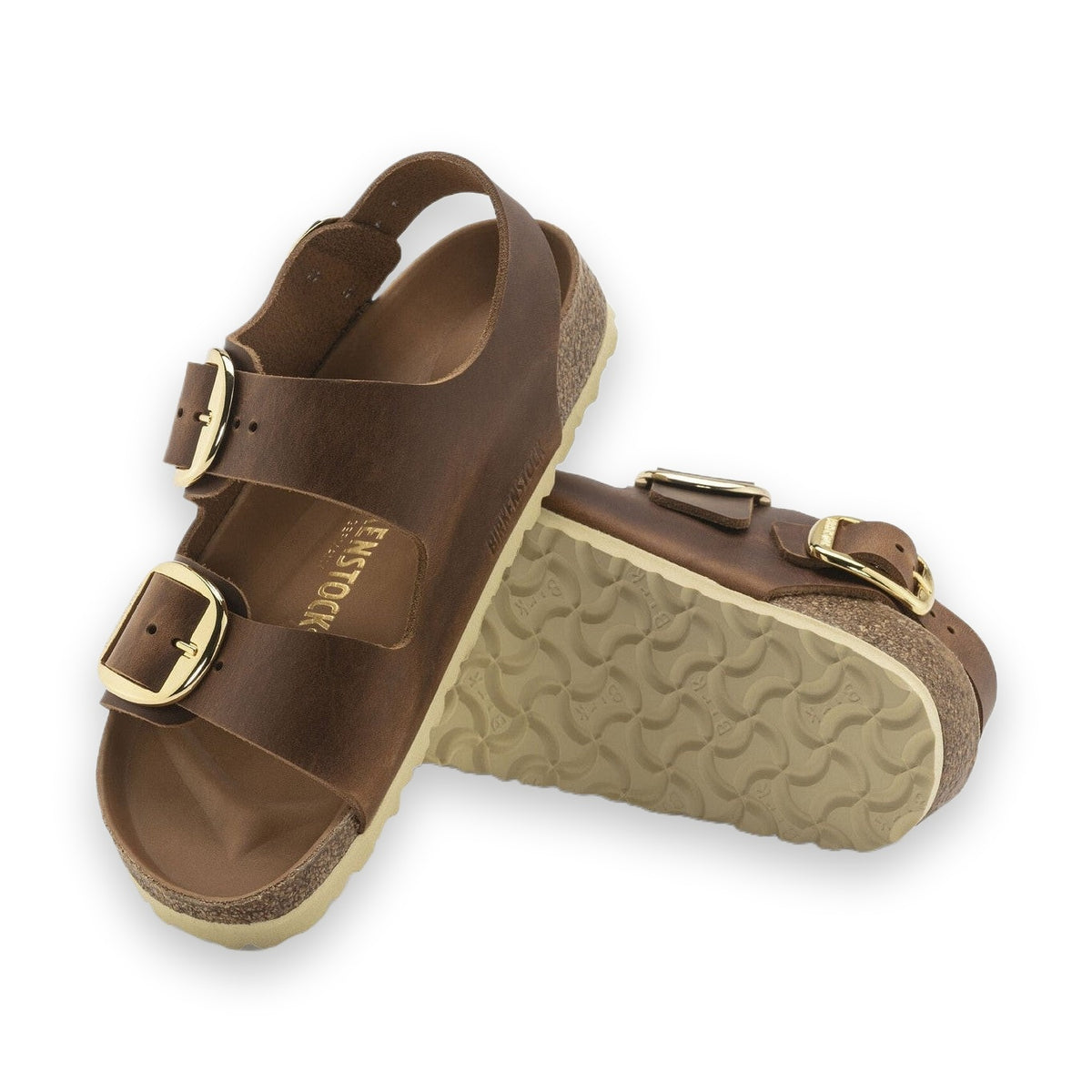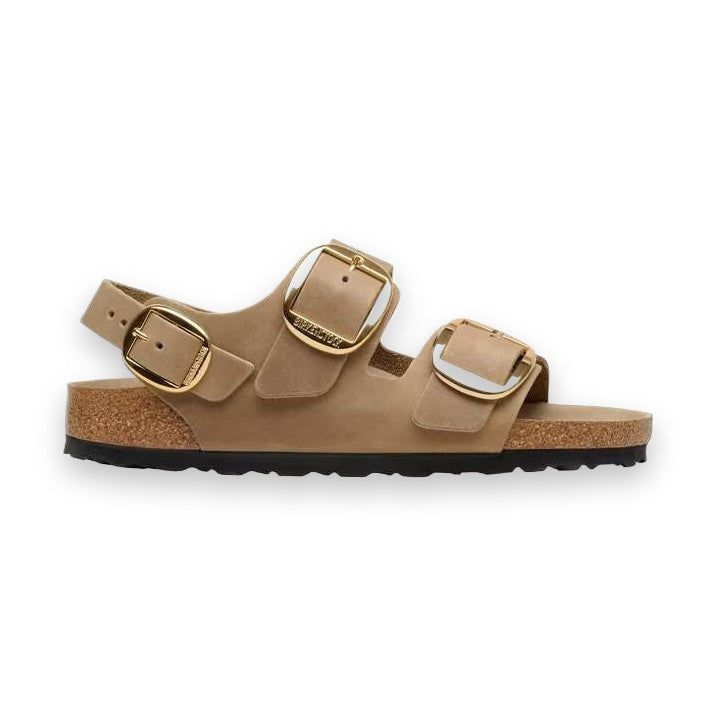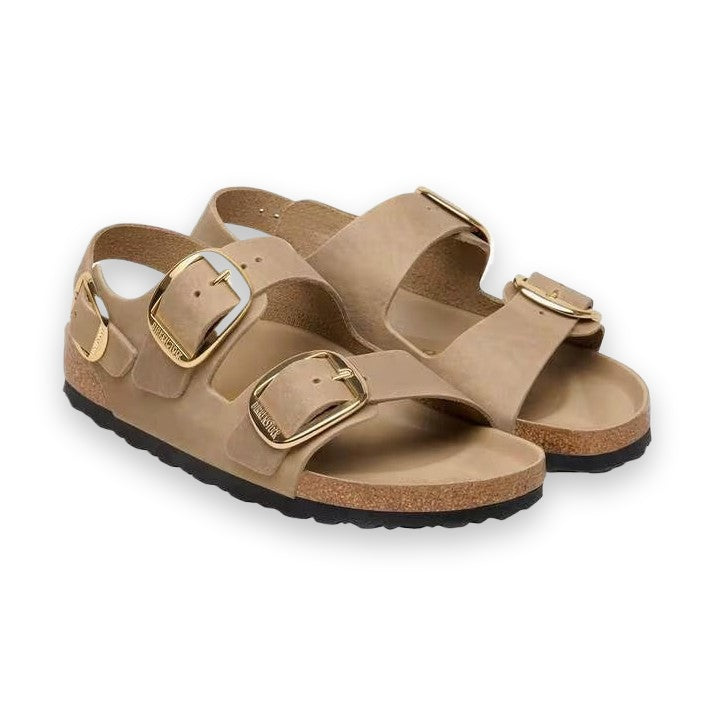

Vegan shoes represent a significant innovation in the world of sustainable fashion, combining aesthetics, functionality, and ethical principles. This article explores the first vegan shoe designs, their history, and their impact on the footwear industry and the environment.
The First Models
The first vegan shoes emerged as an alternative to traditional leather models, which involve the use of animal-based materials. These early models were often made with synthetic and plant-based materials. Pioneering brands like Vegetarian Shoes and Ethletic began producing completely animal-free footwear in the 1990s, offering shoes that were not only cruelty-free but also high-quality.
The History of Vegan Shoes
The evolution of vegan shoes is closely linked to the growing interest in animal rights and environmental sustainability. In the 1990s and 2000s, with growing public awareness of the problems associated with the leather industry, many designers and companies began exploring cruelty-free alternatives. The movement gained traction thanks to consumer demand and the push for more ethical and sustainable fashion.
Initially, vegan shoes were considered a niche product, but with time and technological innovation, the quality and variety of these products have improved significantly. Brands like Stella McCartney have played a key role in bringing vegan shoes mainstream, demonstrating that it's possible to combine luxury and sustainability.
The Impact of Vegan Shoes
Environmental Impact
Vegan shoes have a significant positive impact on the environment. The production of leather shoes requires large amounts of water, land, and energy, as well as generating greenhouse gas emissions and pollution from chemical waste used in leather tanning. In comparison, vegan shoes, made with materials like microfibers, natural rubber, hemp, and other recycled fabrics, drastically reduce these environmental impacts.
Economic Impact
The vegan shoe market is growing rapidly, reflecting a shift in consumer behavior. More and more people are choosing ethical and sustainable products, influencing the practices of the footwear industry. This shift has prompted many traditional companies to adopt more eco-friendly practices and launch vegan product lines.
Social Impact
Vegan shoes also represent progress in terms of animal rights. By eliminating the use of animal-derived materials, these shoes help reduce the demand for intensive farming and slaughter practices, promoting greater respect for animal life. Furthermore, the production of vegan shoes often takes place under more ethical working conditions, supporting workers' rights.
Conclusion
Vegan shoes aren't just a fashion trend, but a conscious choice that reflects a commitment to sustainability, ethics, and environmental protection. From early experiments to modern designs, these shoes represent a concrete example of how the fashion industry can evolve in a more responsible direction. As consumer awareness and demand grow, we're likely to see further expansion and innovation in the vegan shoe sector.