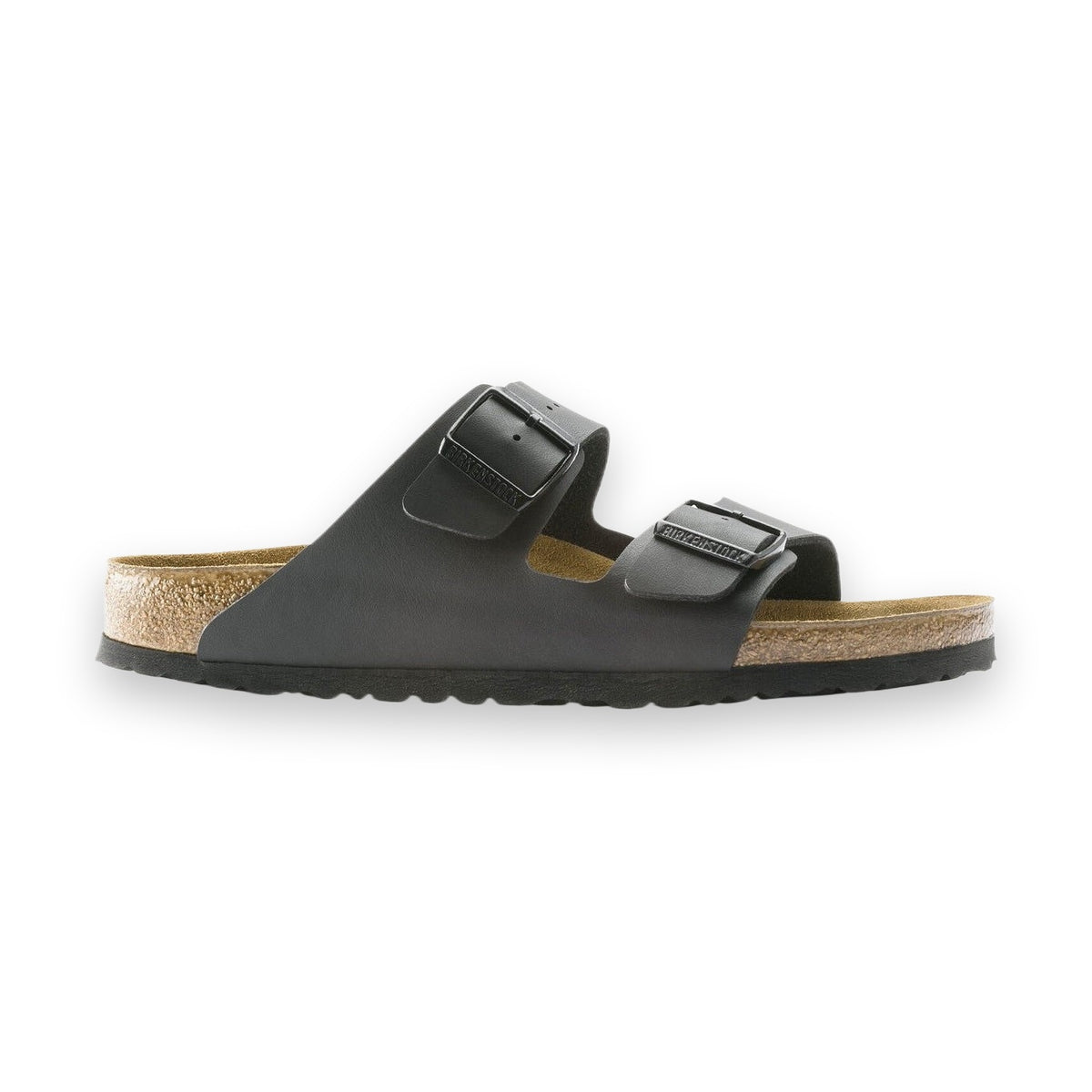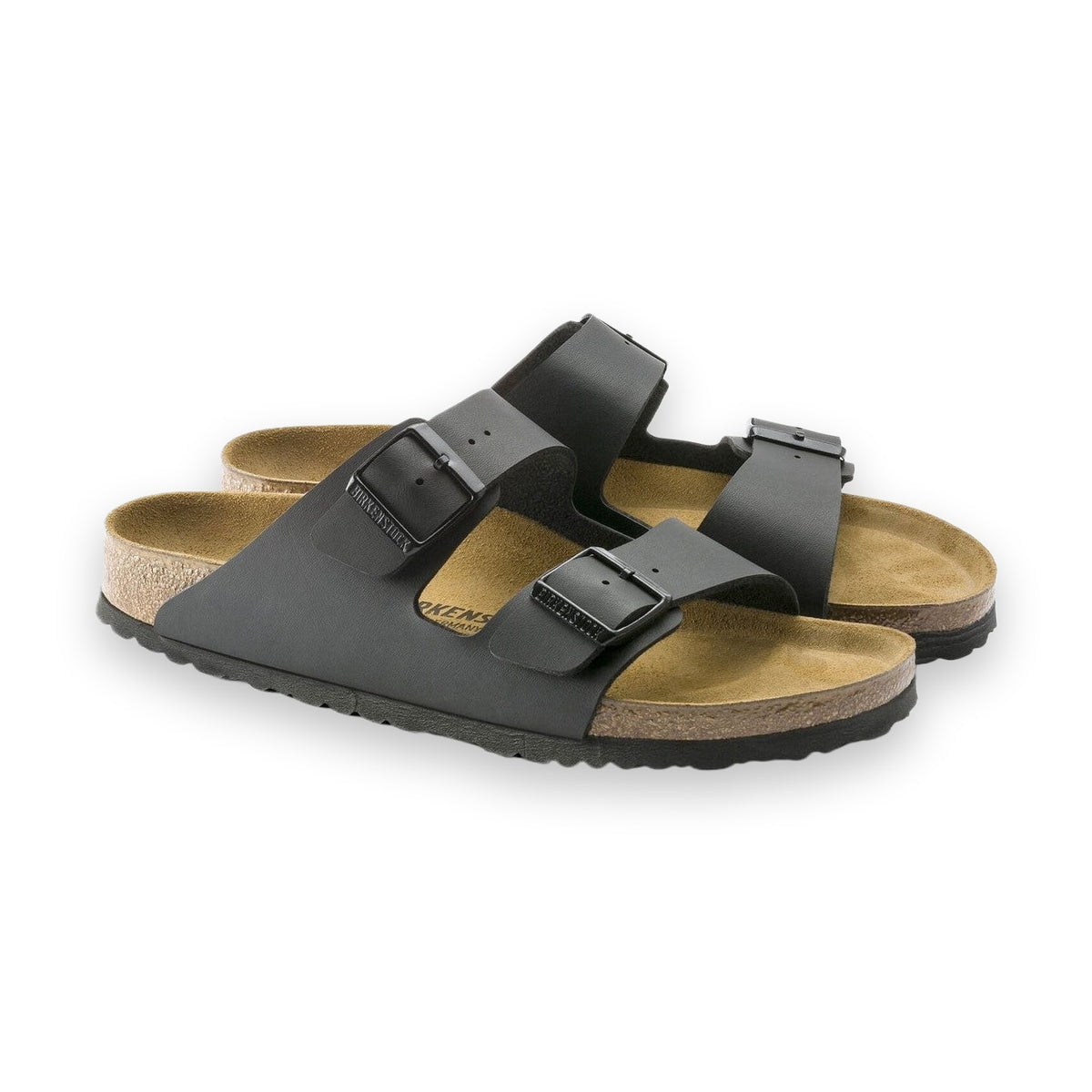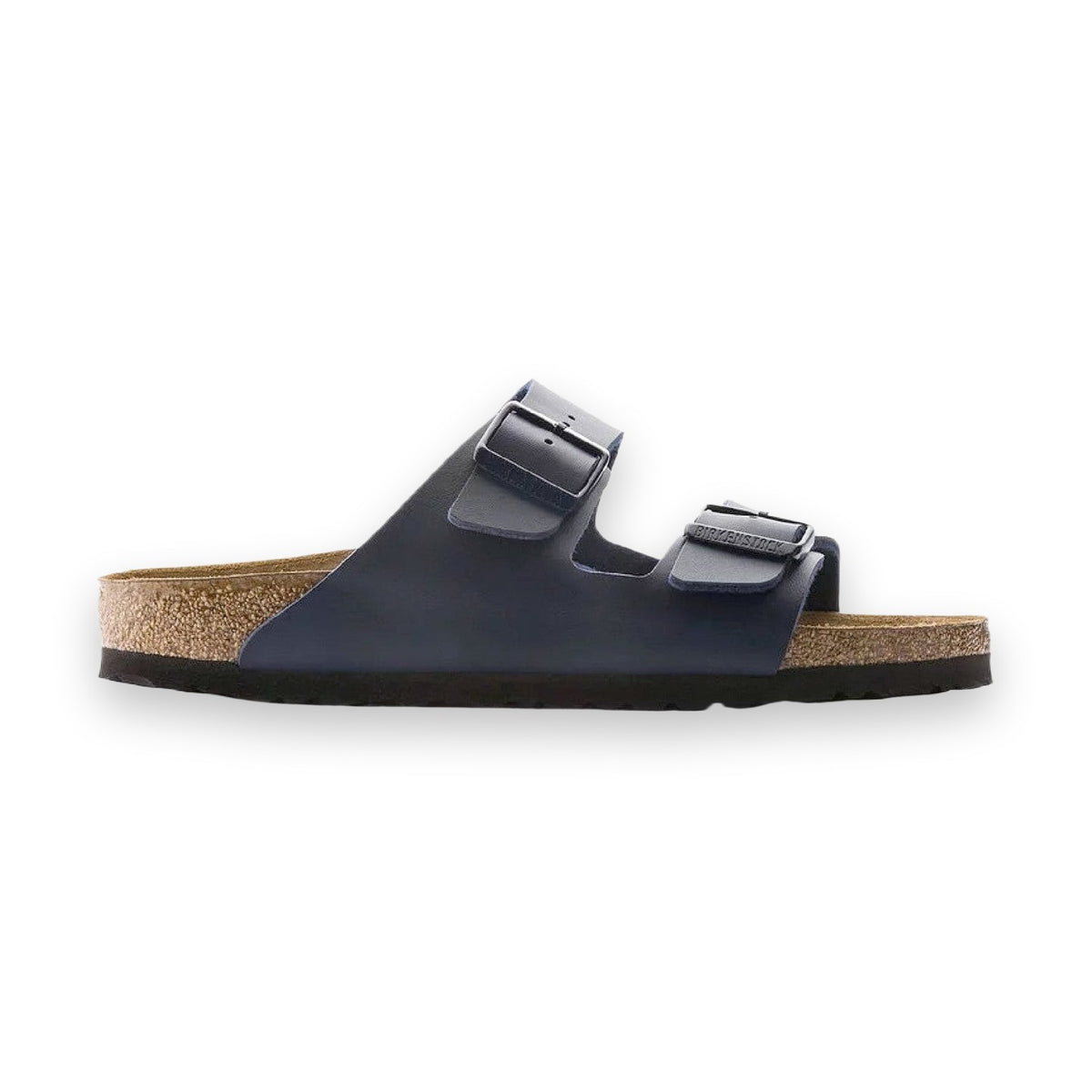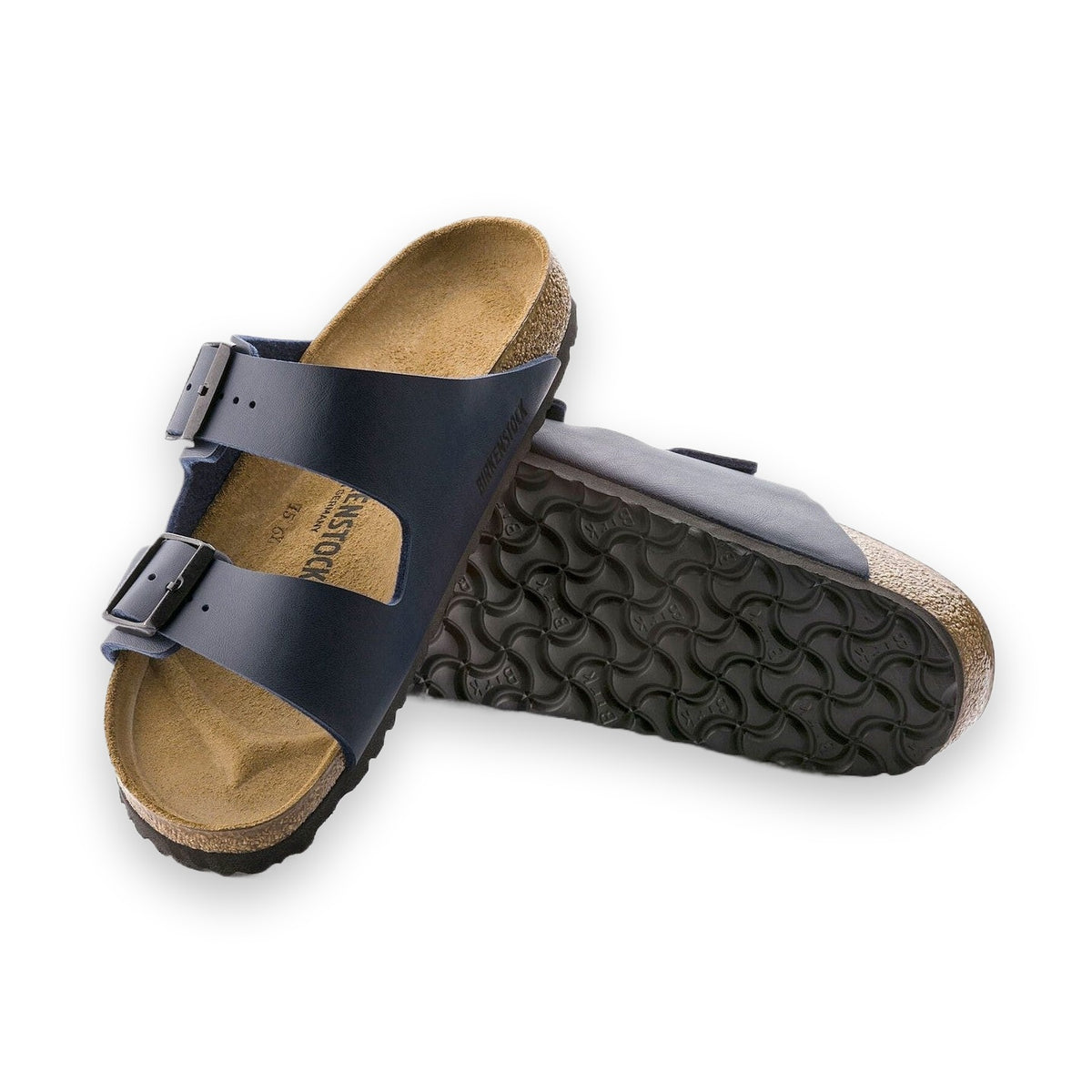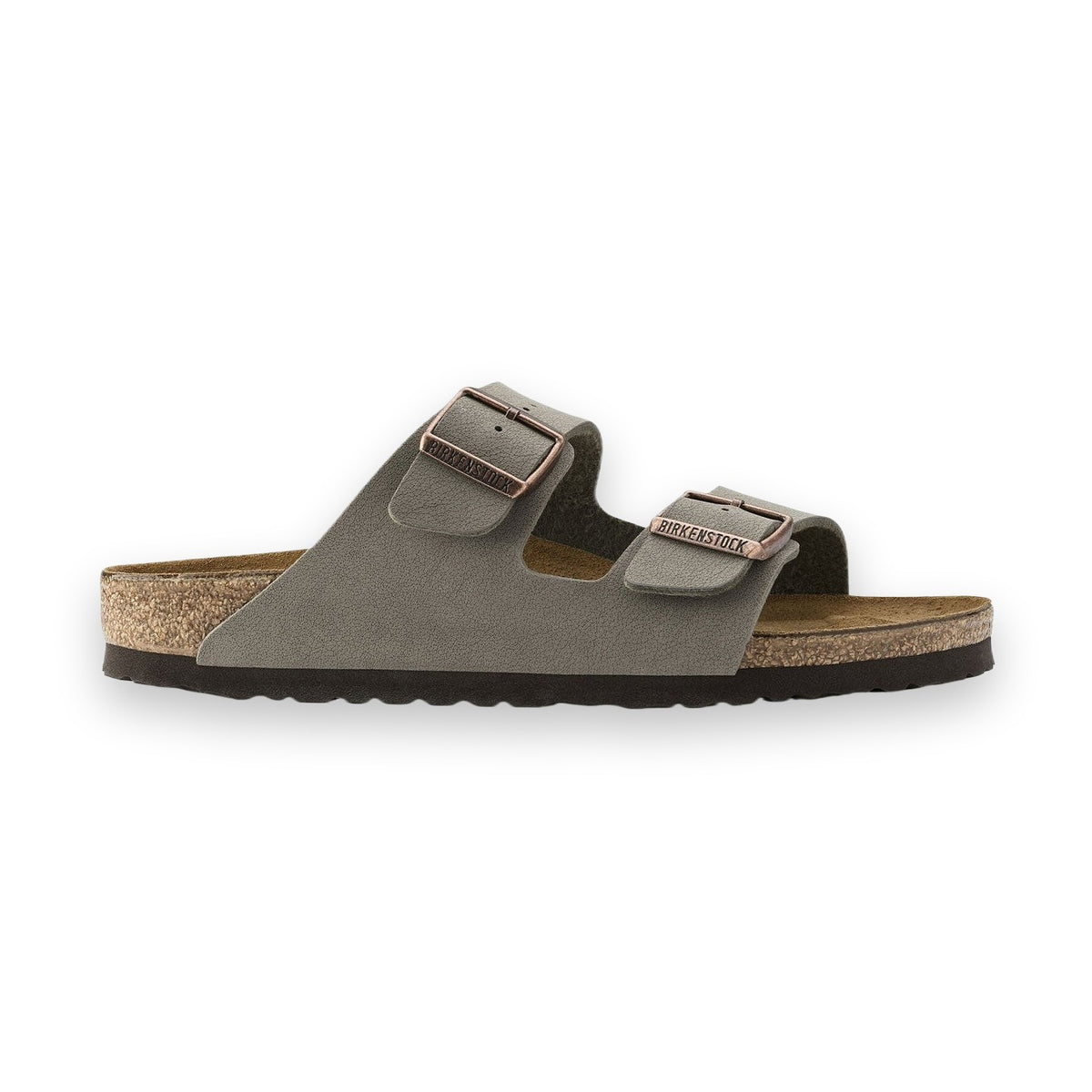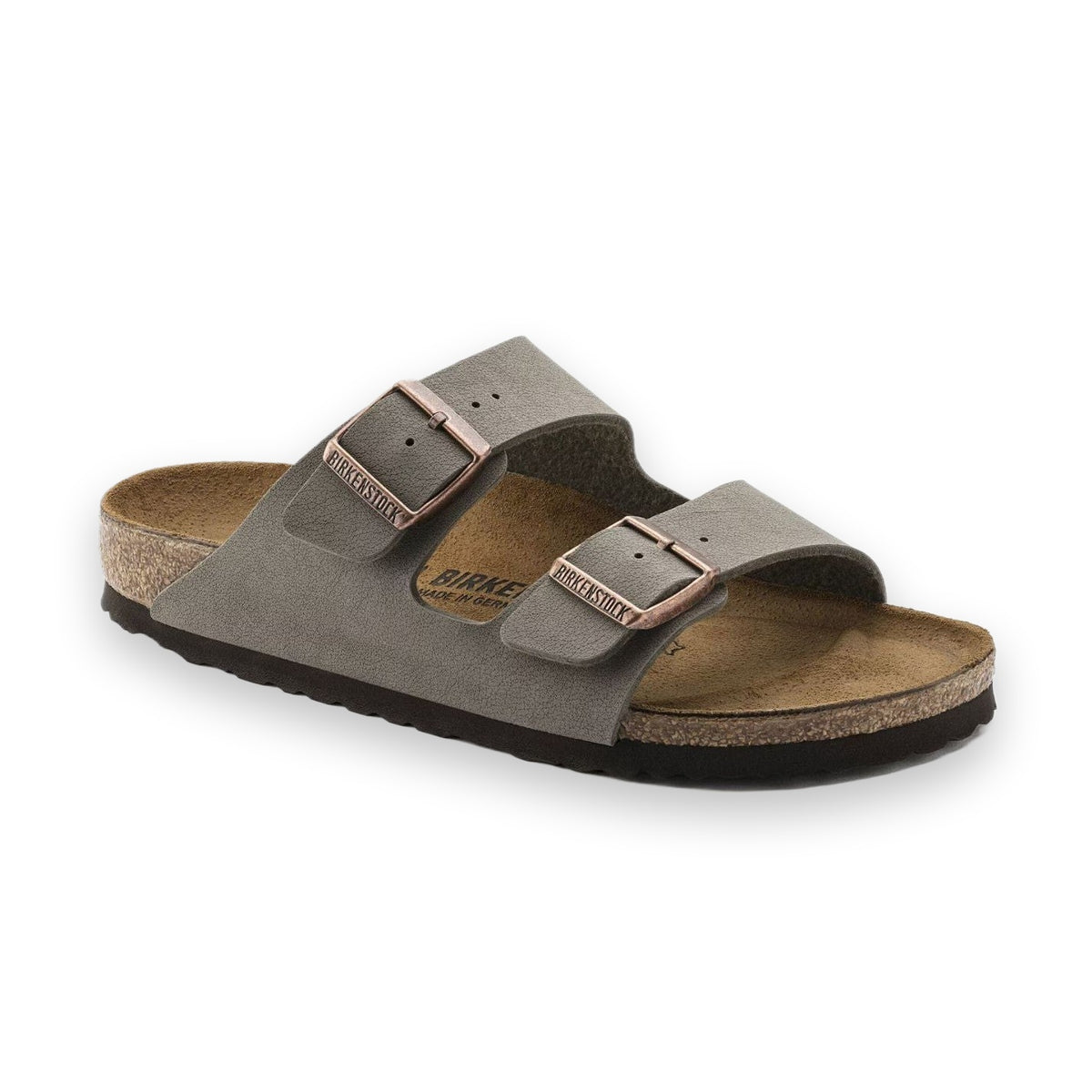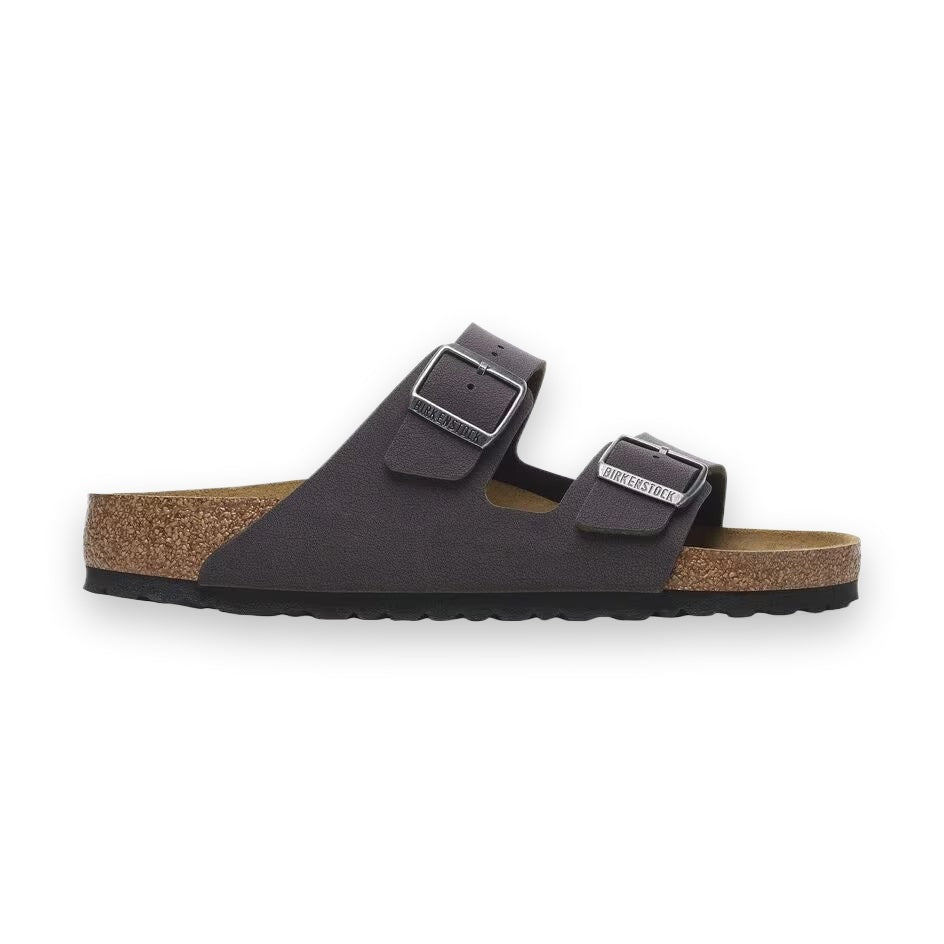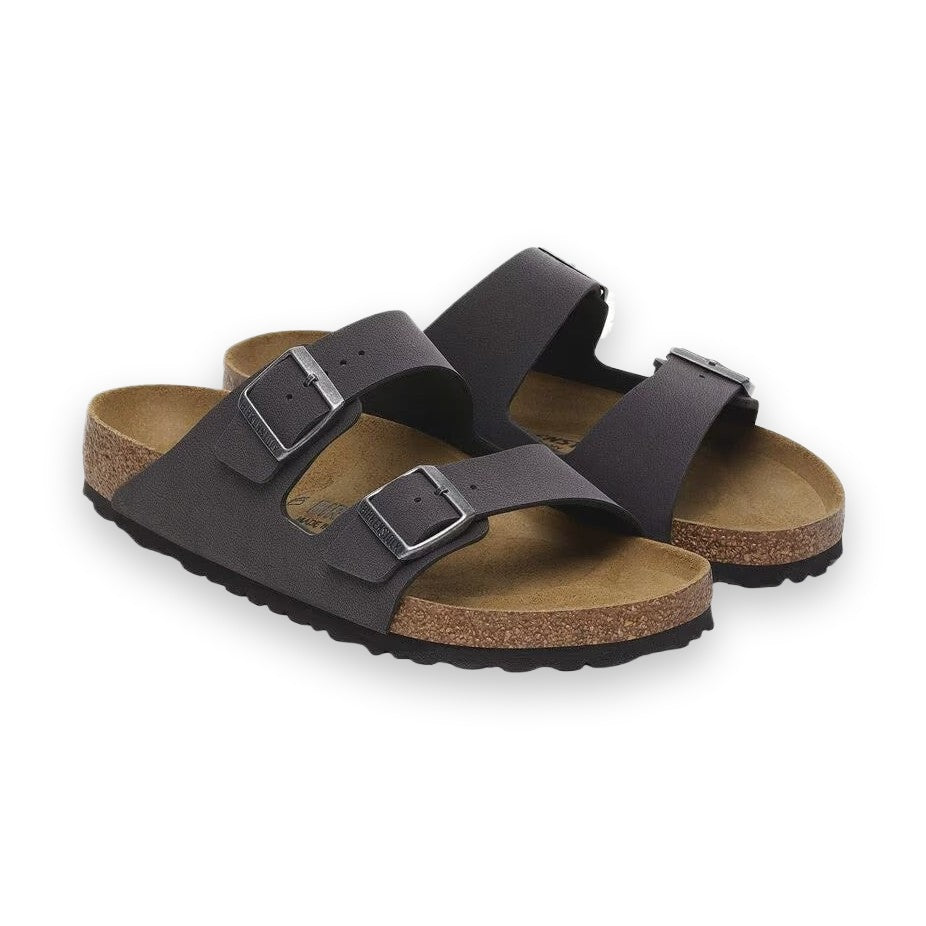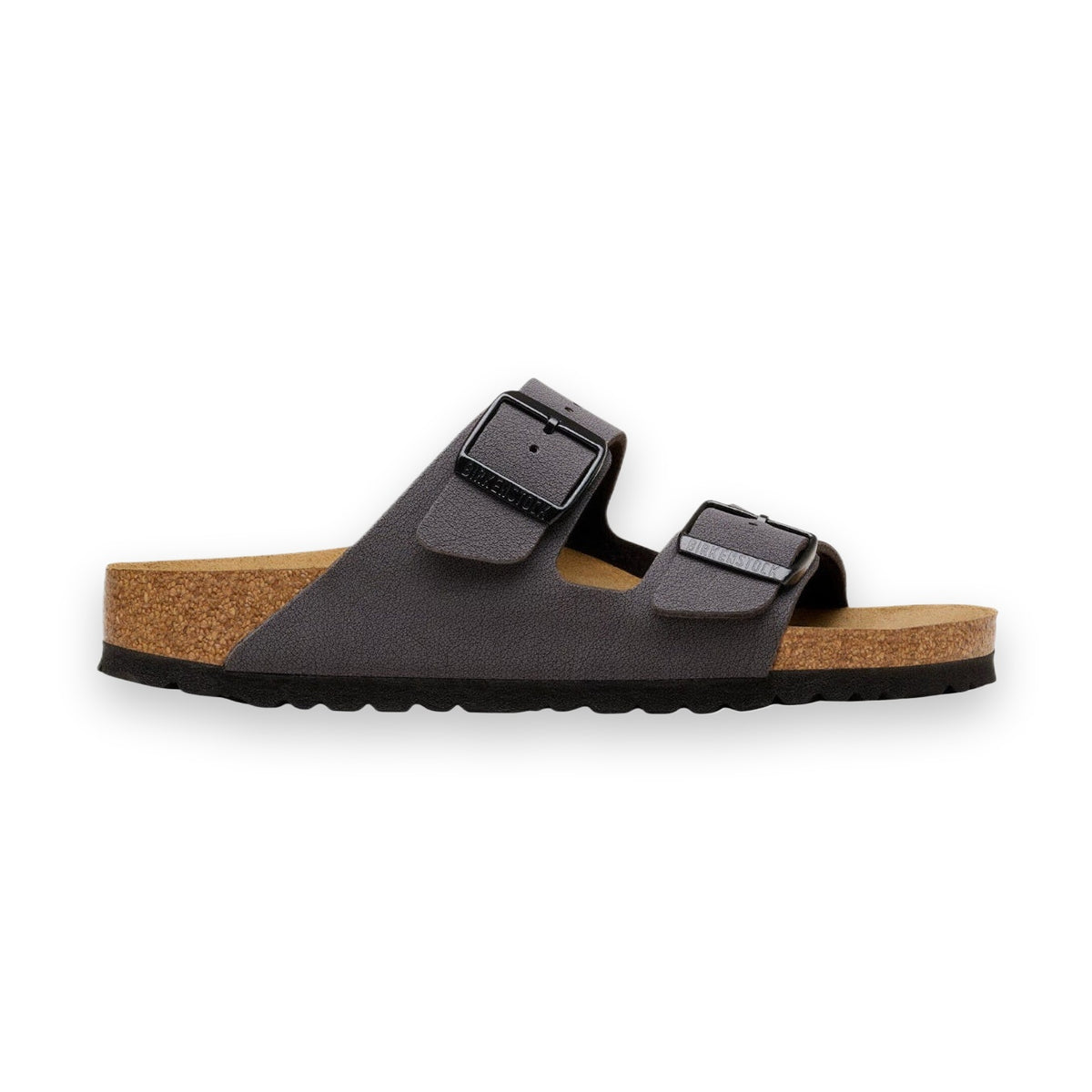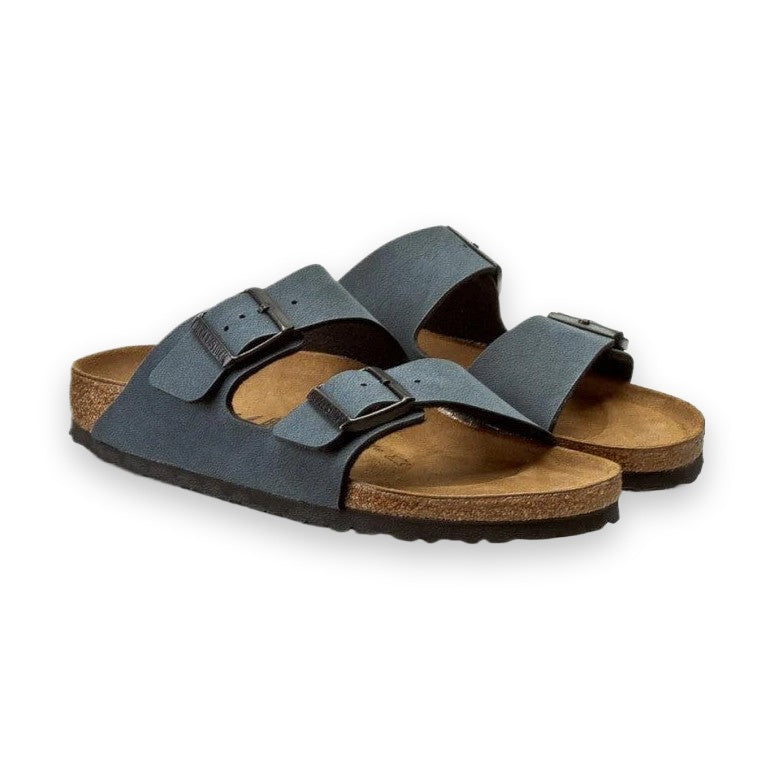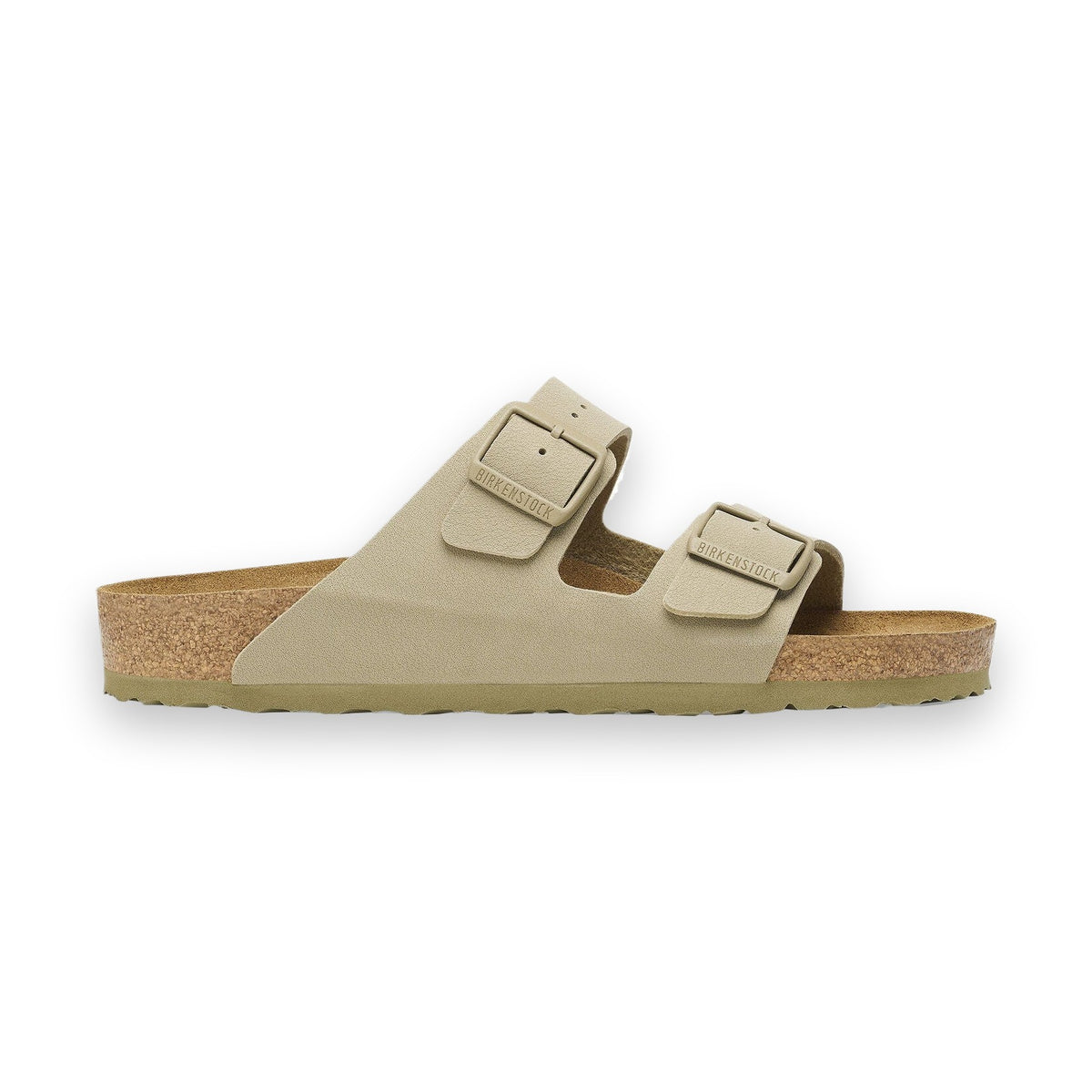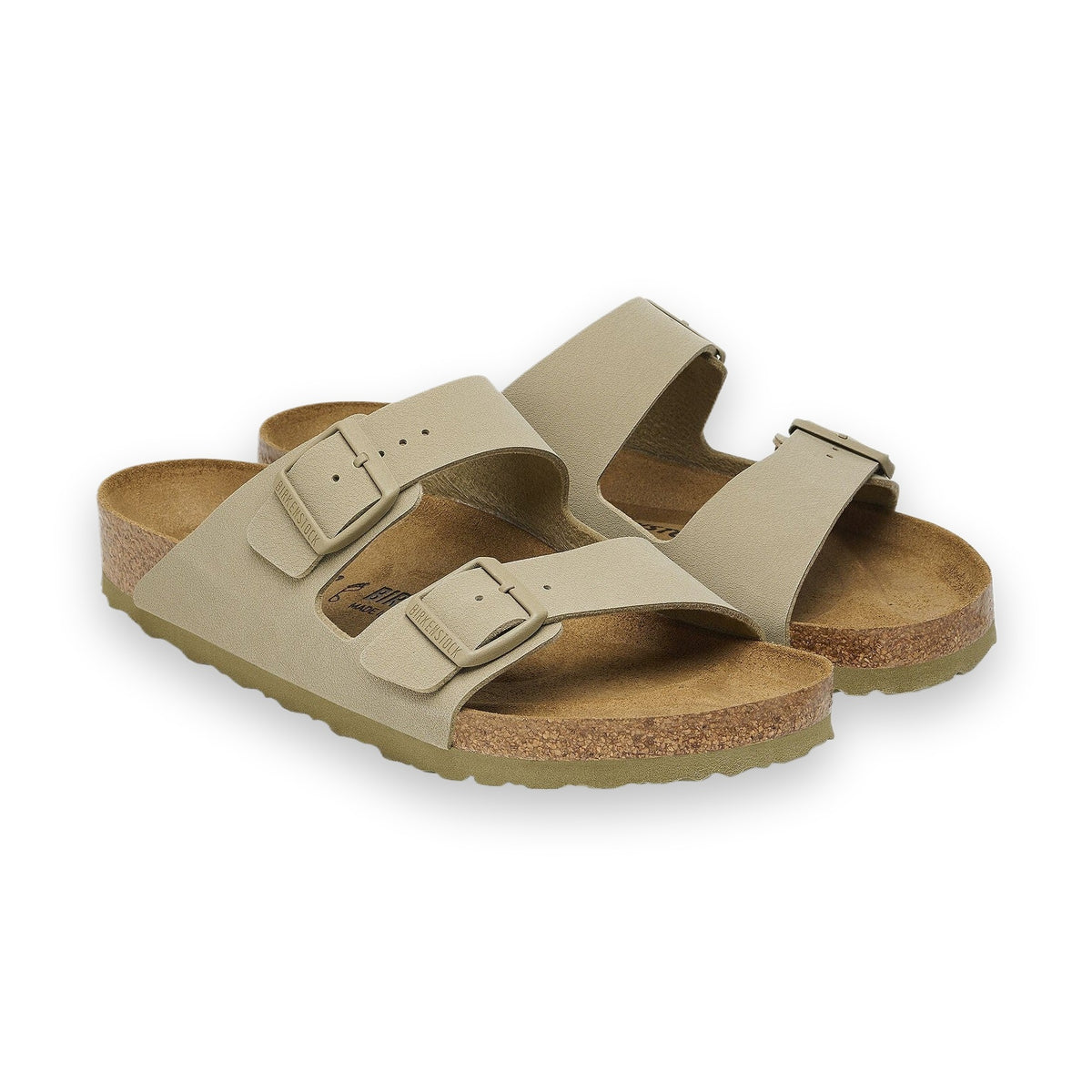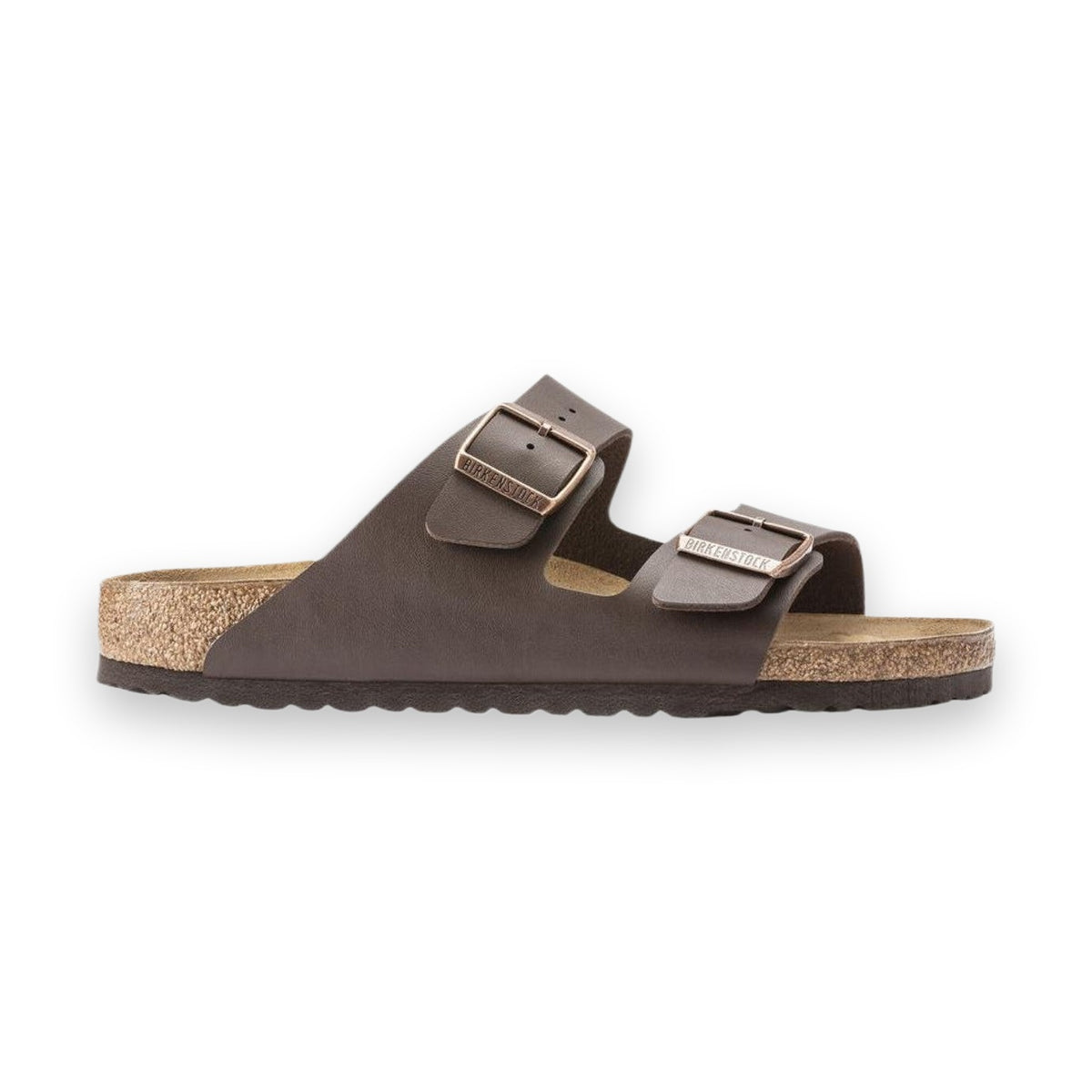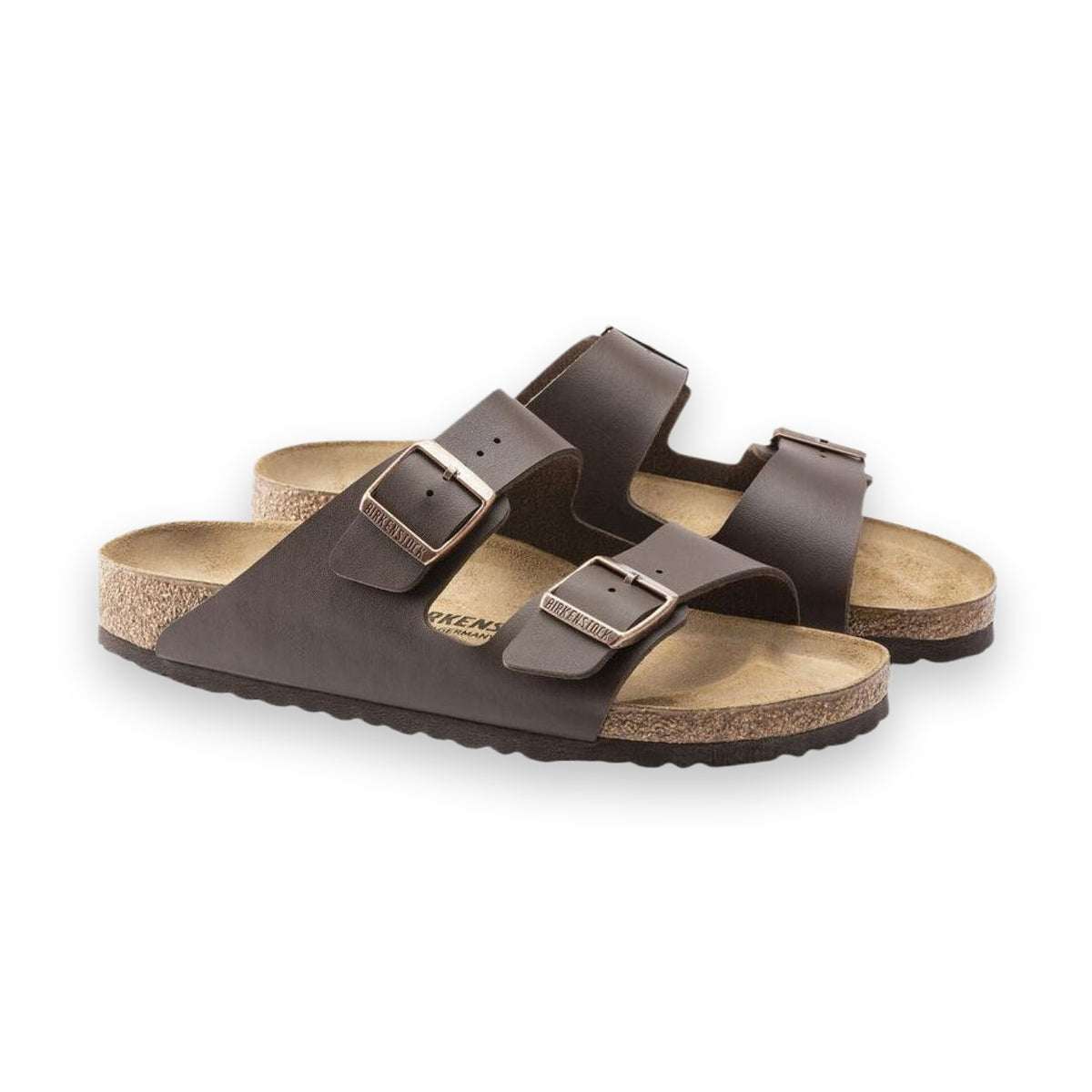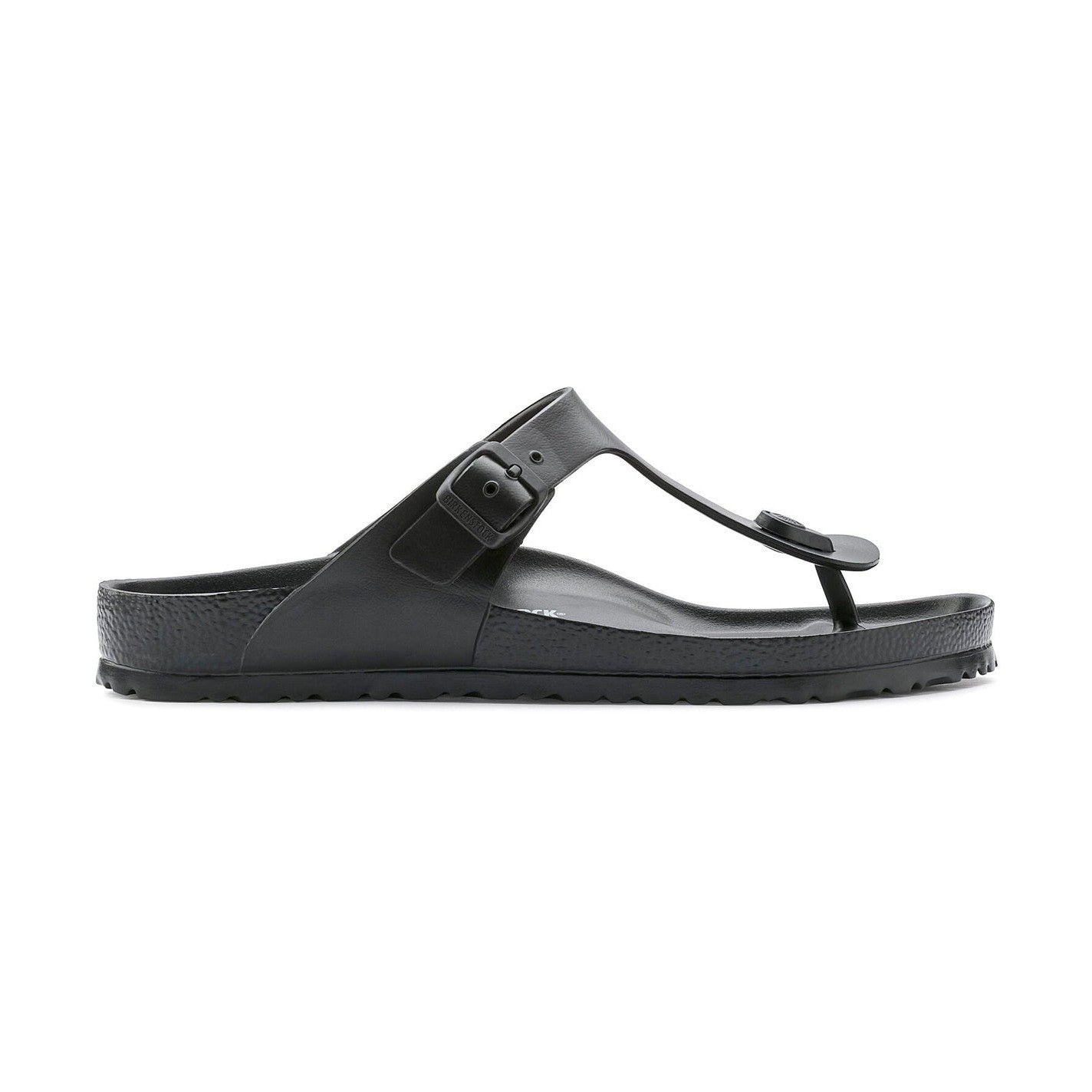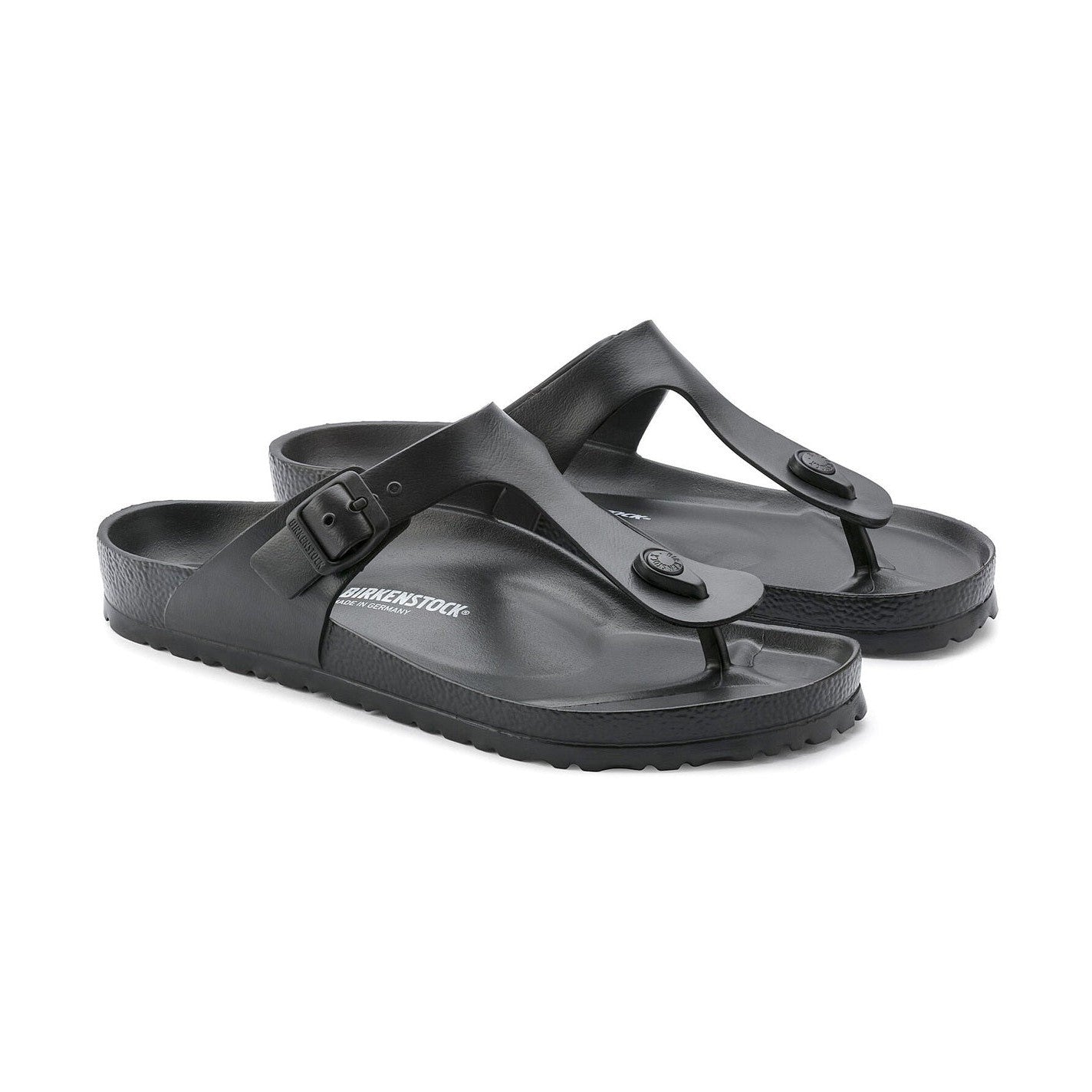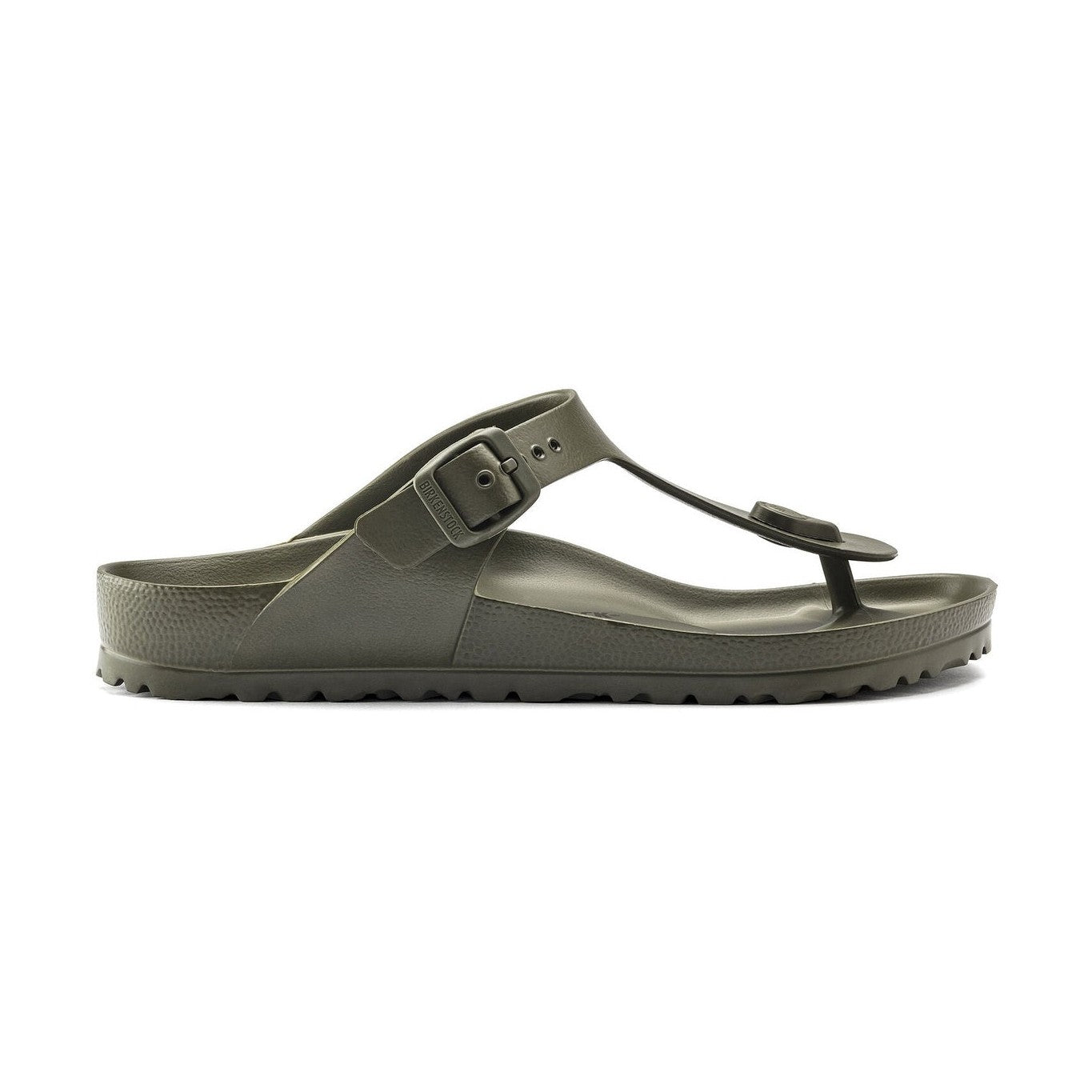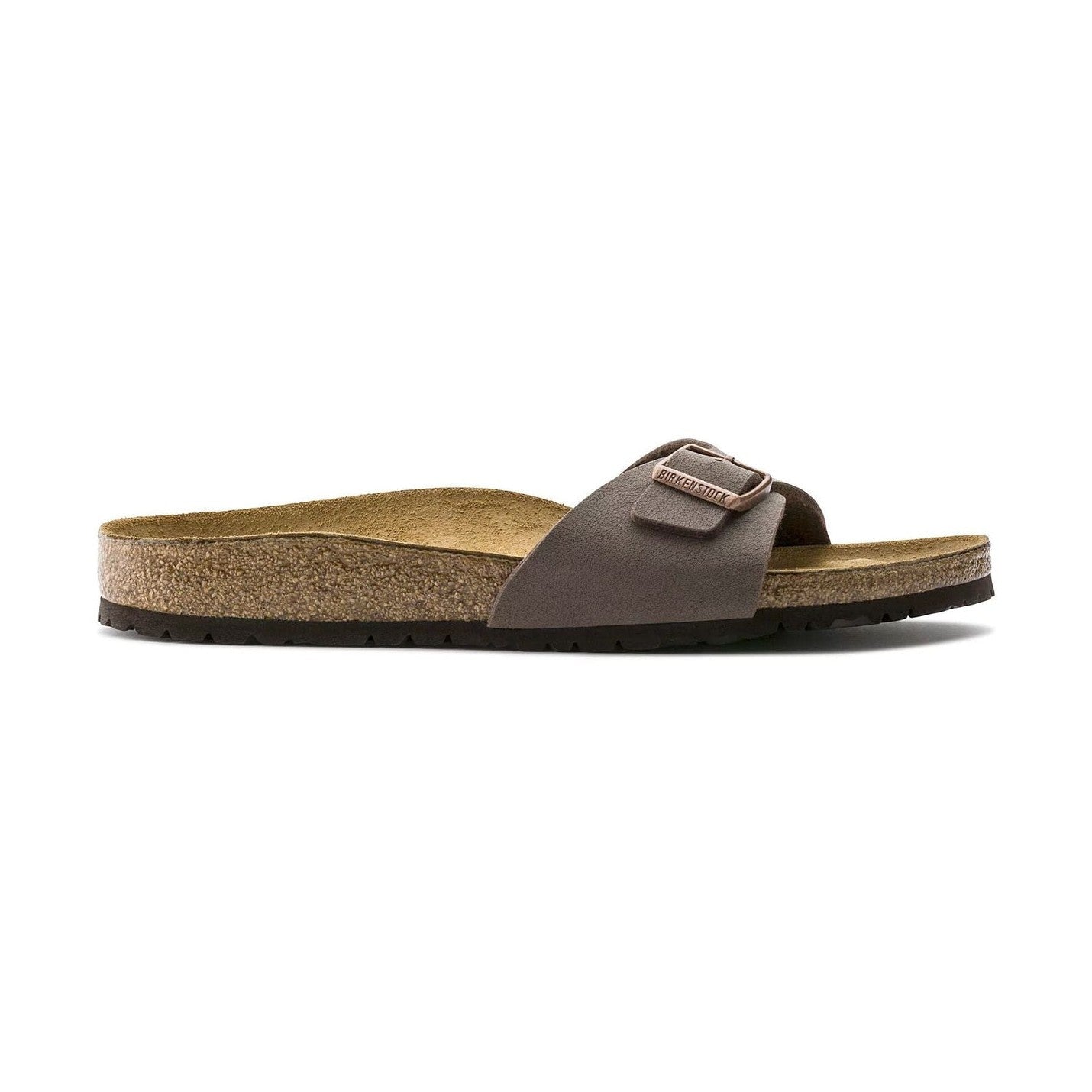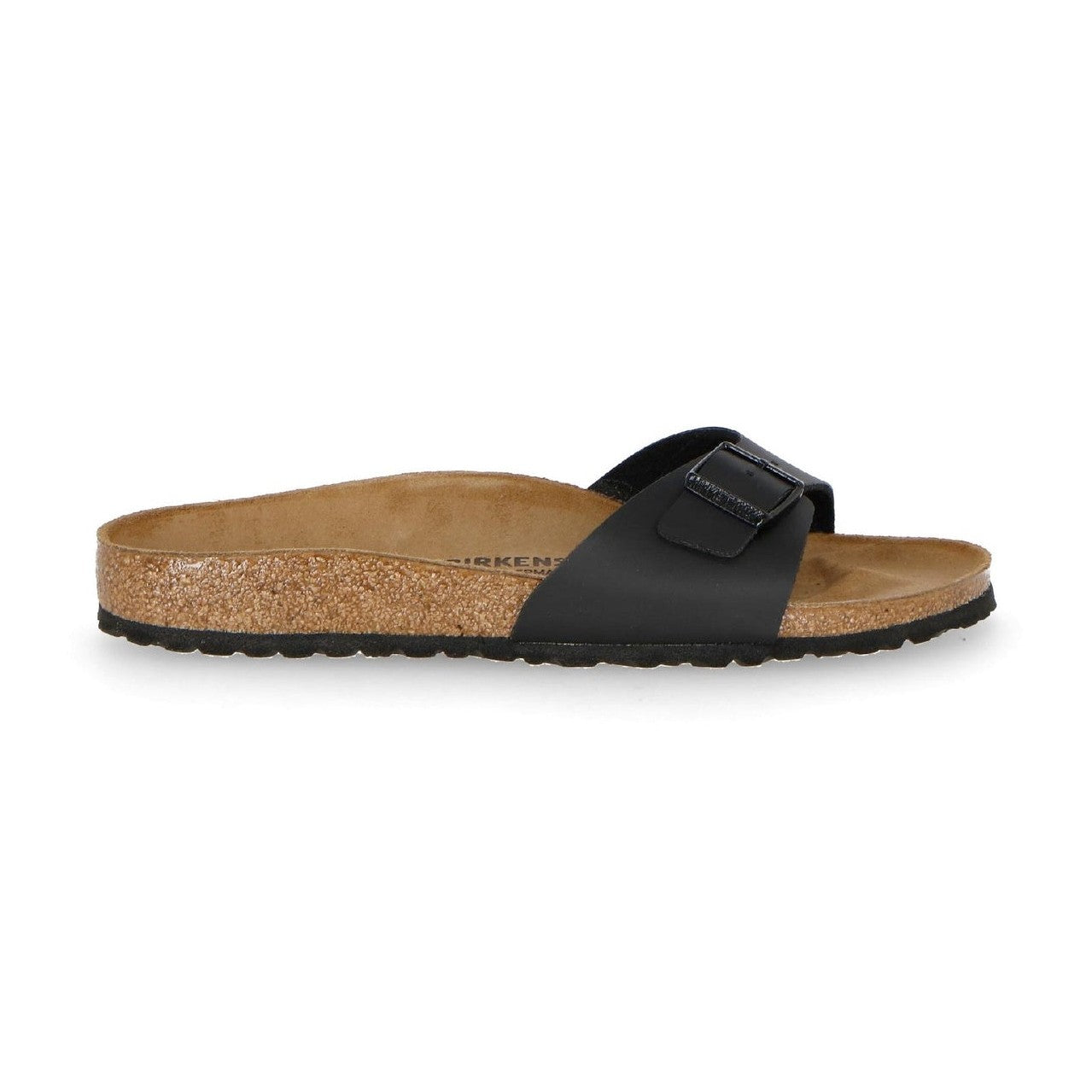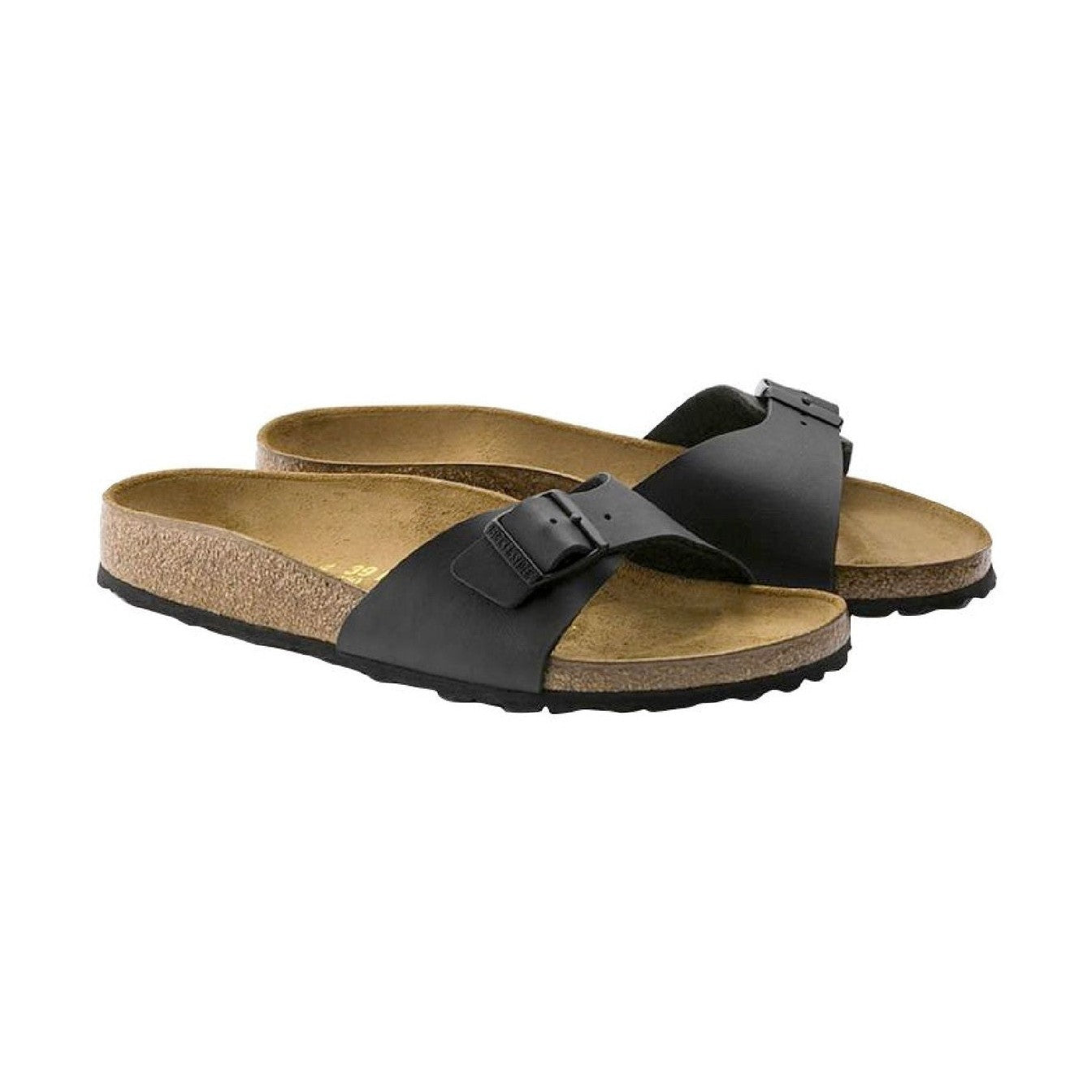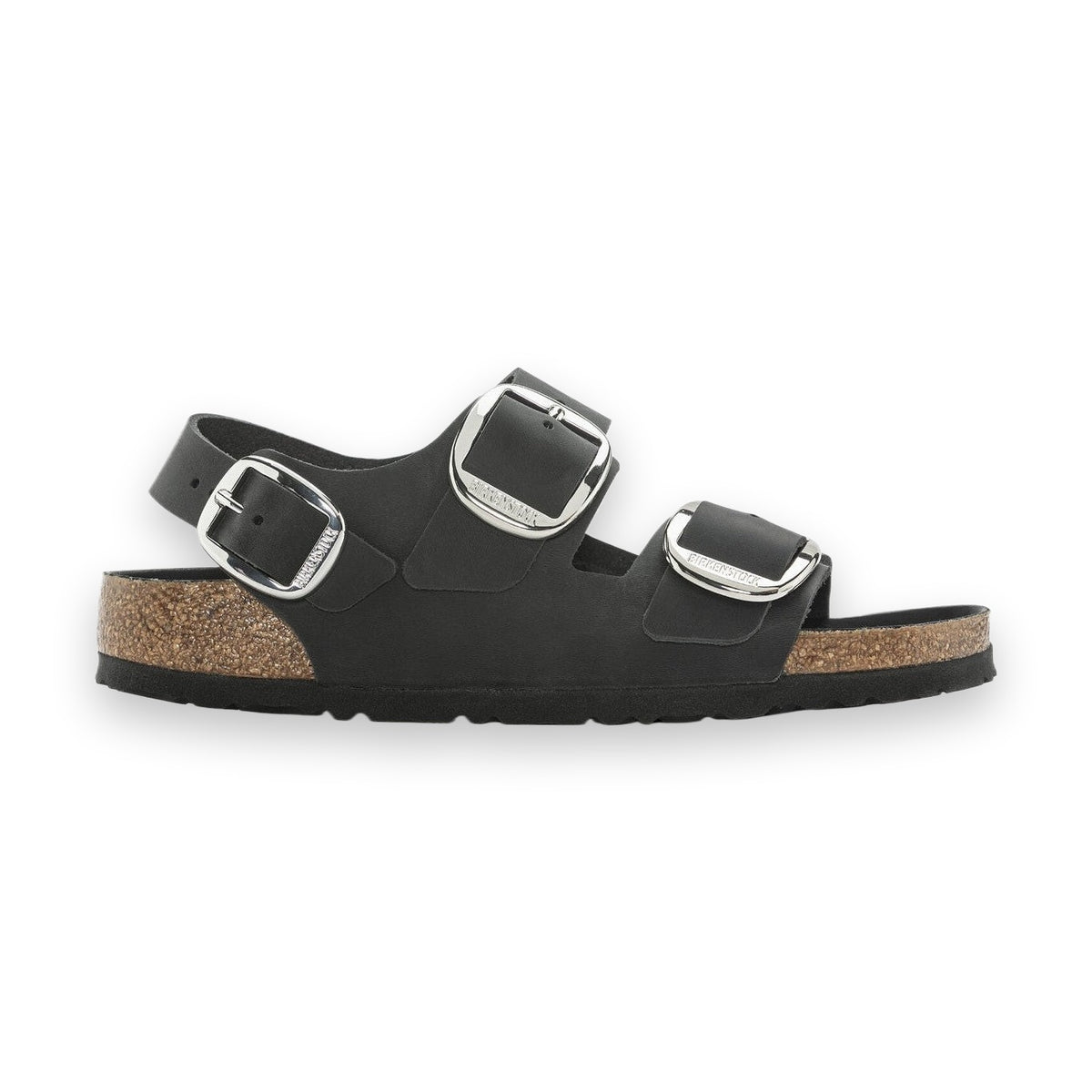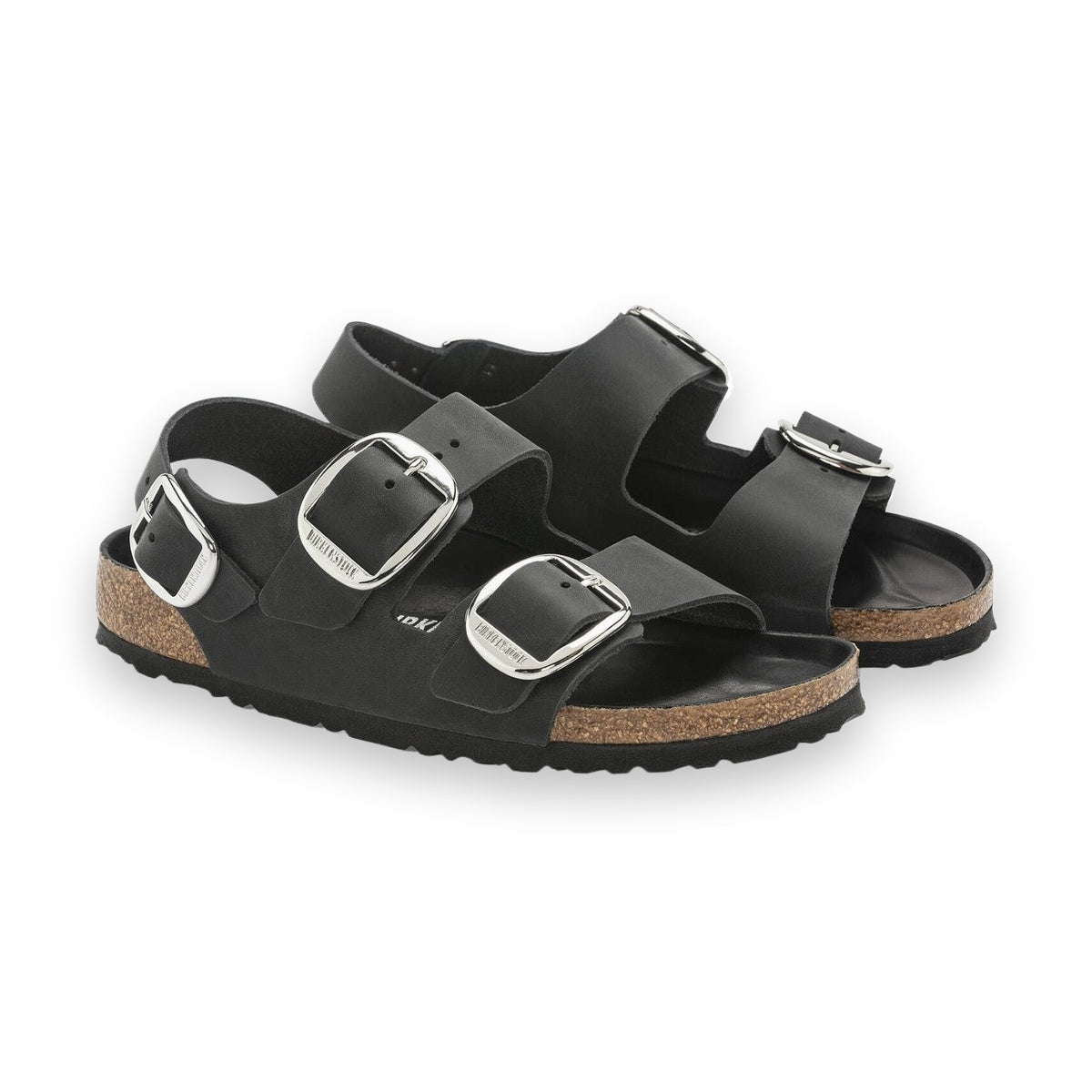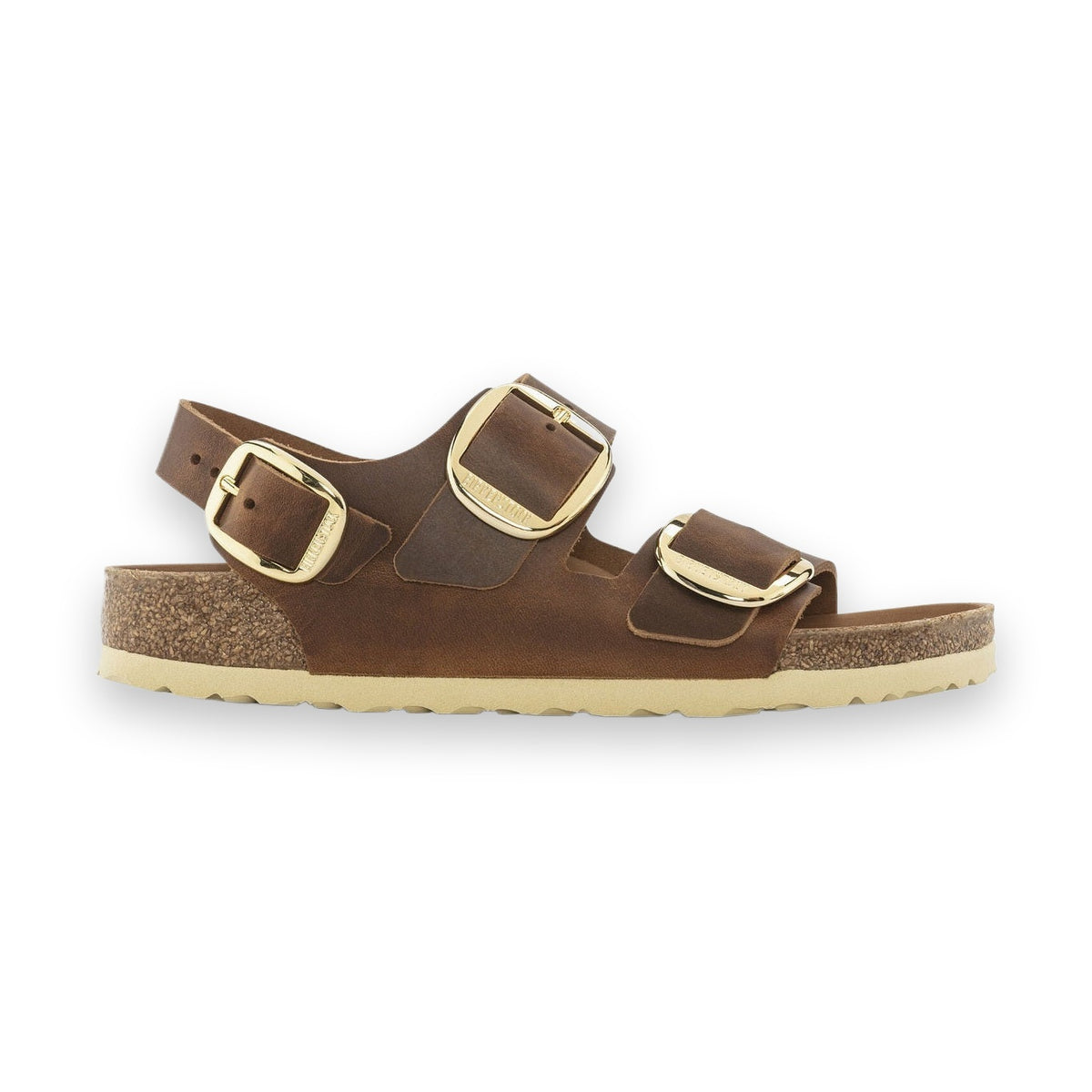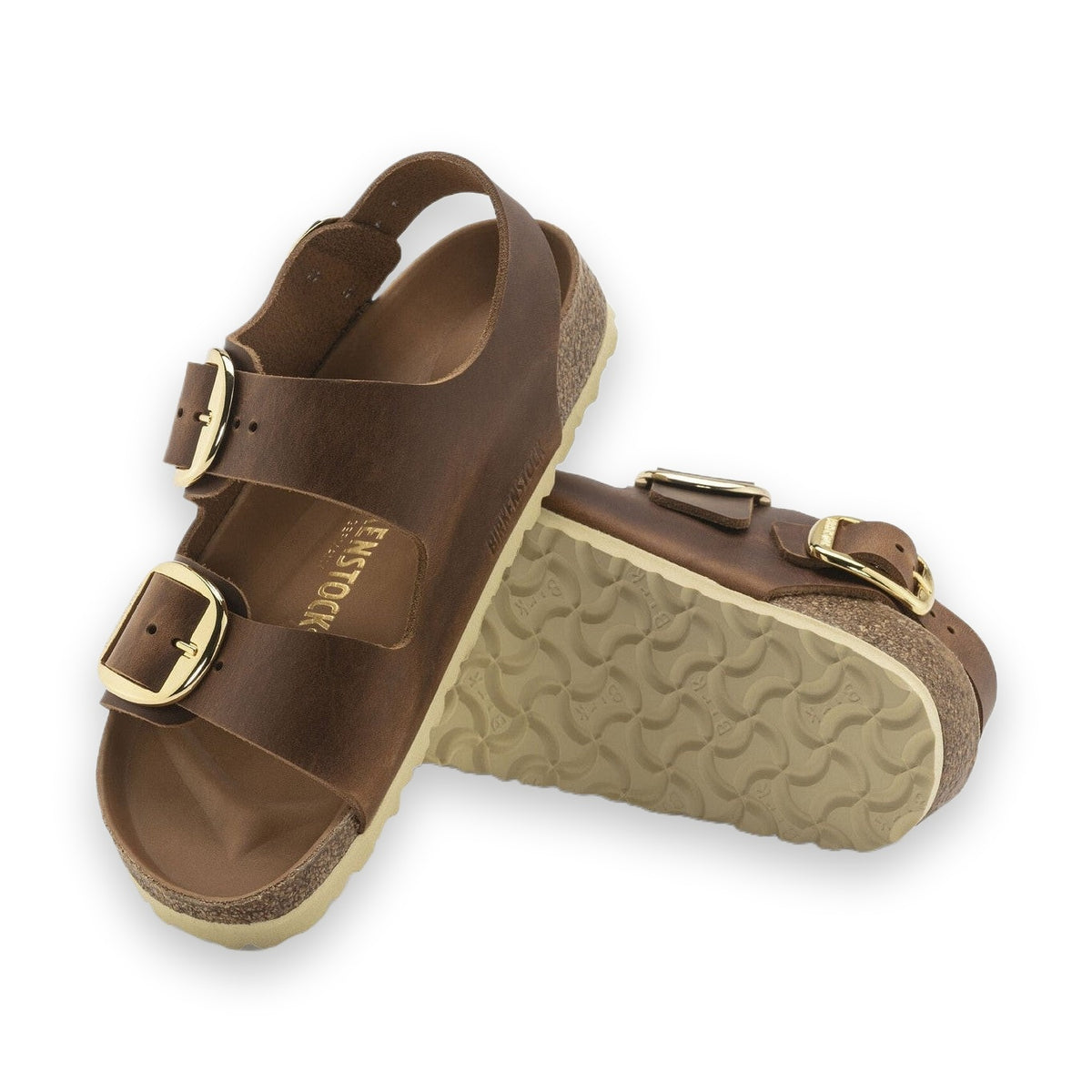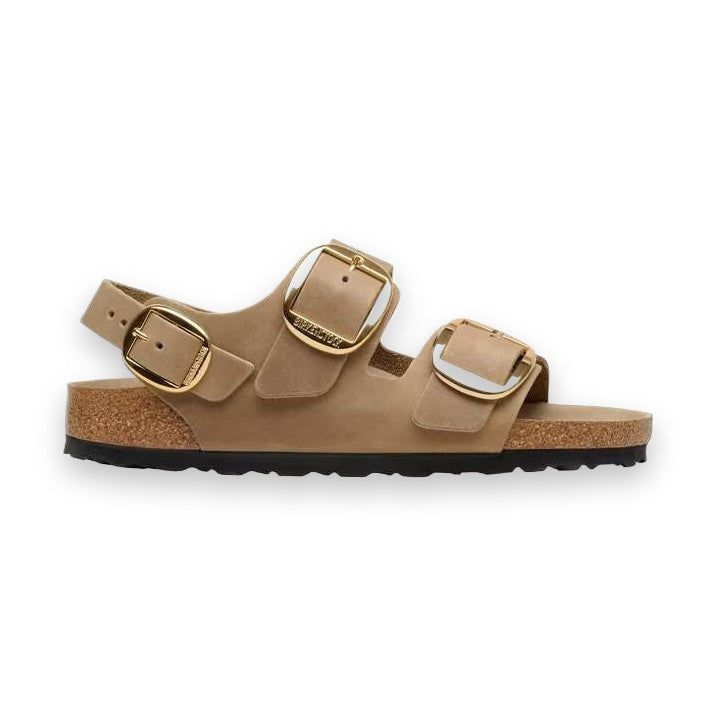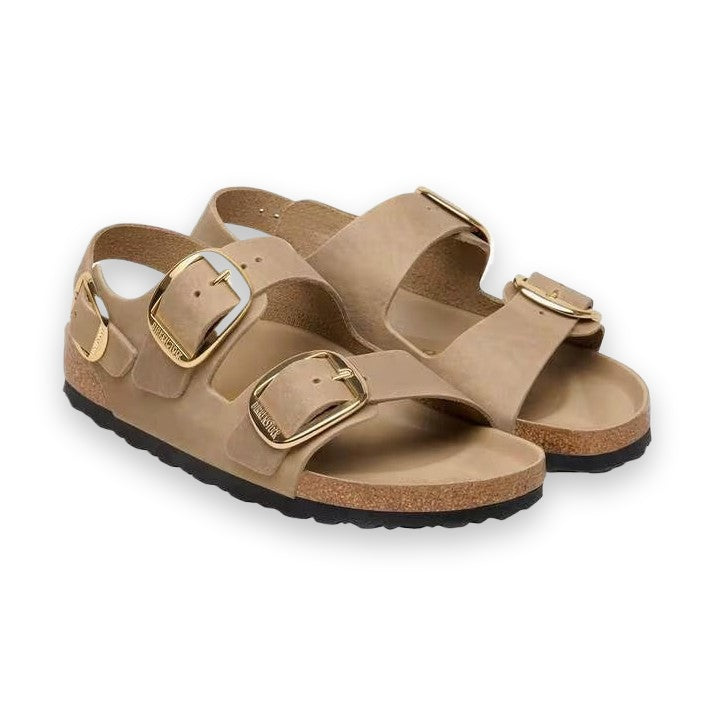

Since its founding in 1995, the Art brand has distinguished itself in the world of footwear fashion for its commitment to the environment and the artisanal quality of its shoes. With a philosophy based on innovation, sustainability, and creative design, Art has become a benchmark for those seeking footwear that combines style and environmental responsibility. Let's explore the history, evolution, and impact of the Art brand.
The History of Art
Art was founded in 1995 in Spain with the goal of creating shoes that were not only comfortable and durable, but also environmentally friendly. From the beginning, the company has focused on innovation in materials and production processes, seeking solutions that reduce environmental impact.
Innovation and Sustainability
One of Art's most distinctive aspects is its commitment to sustainability. The company uses eco-friendly materials such as vegetable-tanned leather, natural rubber, and recycled fabrics. Furthermore, Art has developed production techniques that minimize waste and the use of harmful chemicals.
Over the years, Art has introduced several collections that reflect its commitment to the environment. For example, the Bio line uses biodegradable and recycled materials, while the Urban collection combines modern aesthetics with eco-friendly solutions. These products not only reduce environmental impact but also offer superior comfort and long-lasting durability.
Creative and Artisan Design
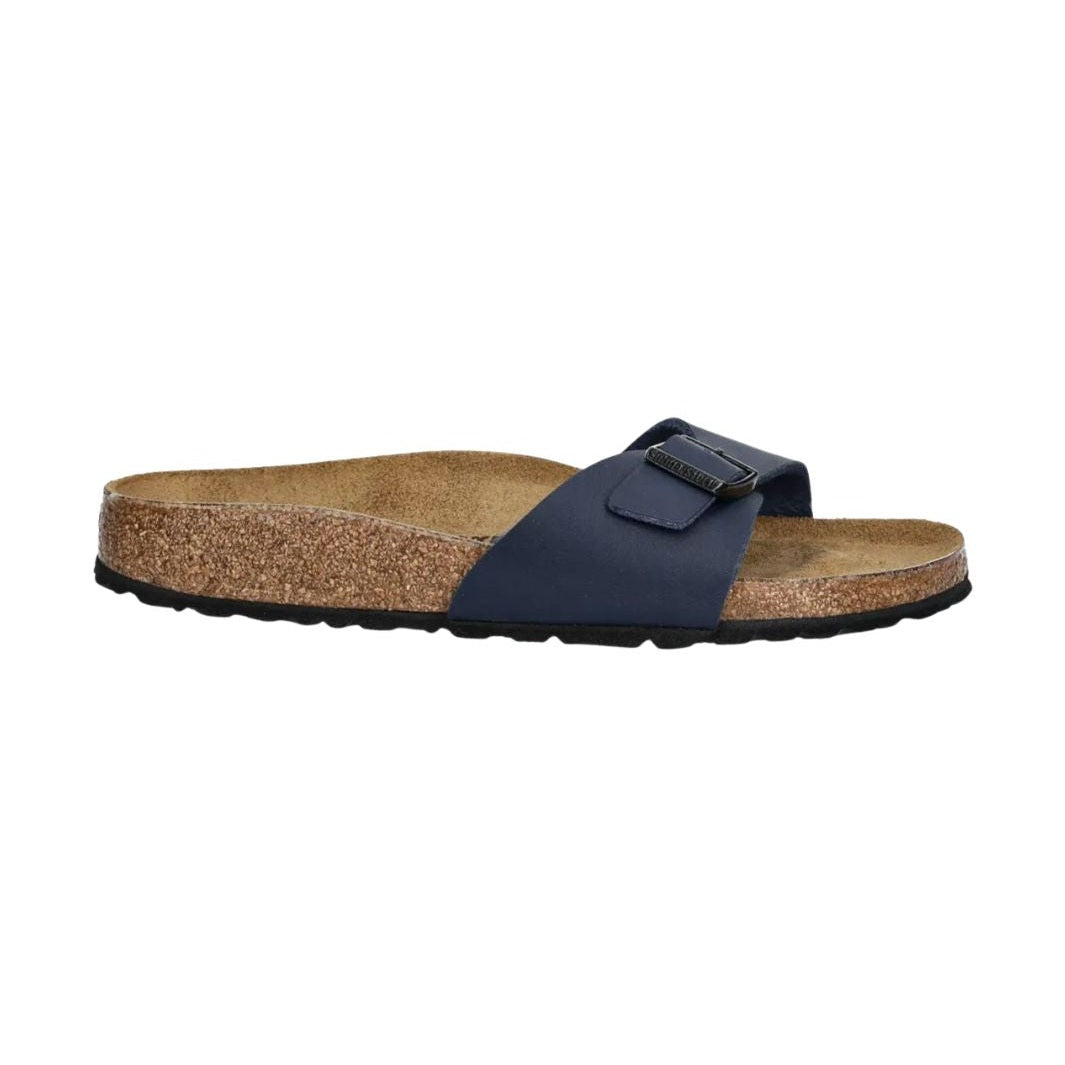
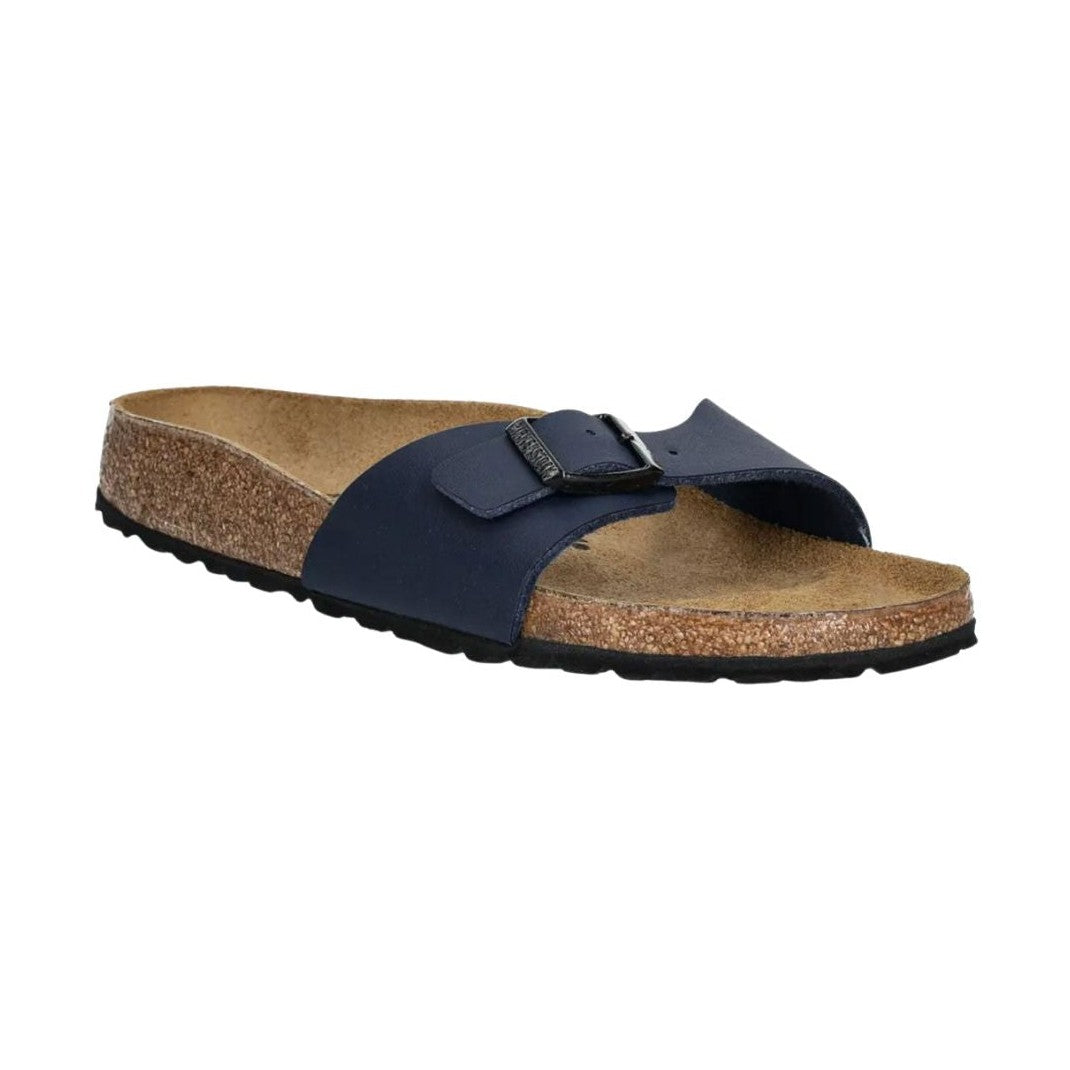
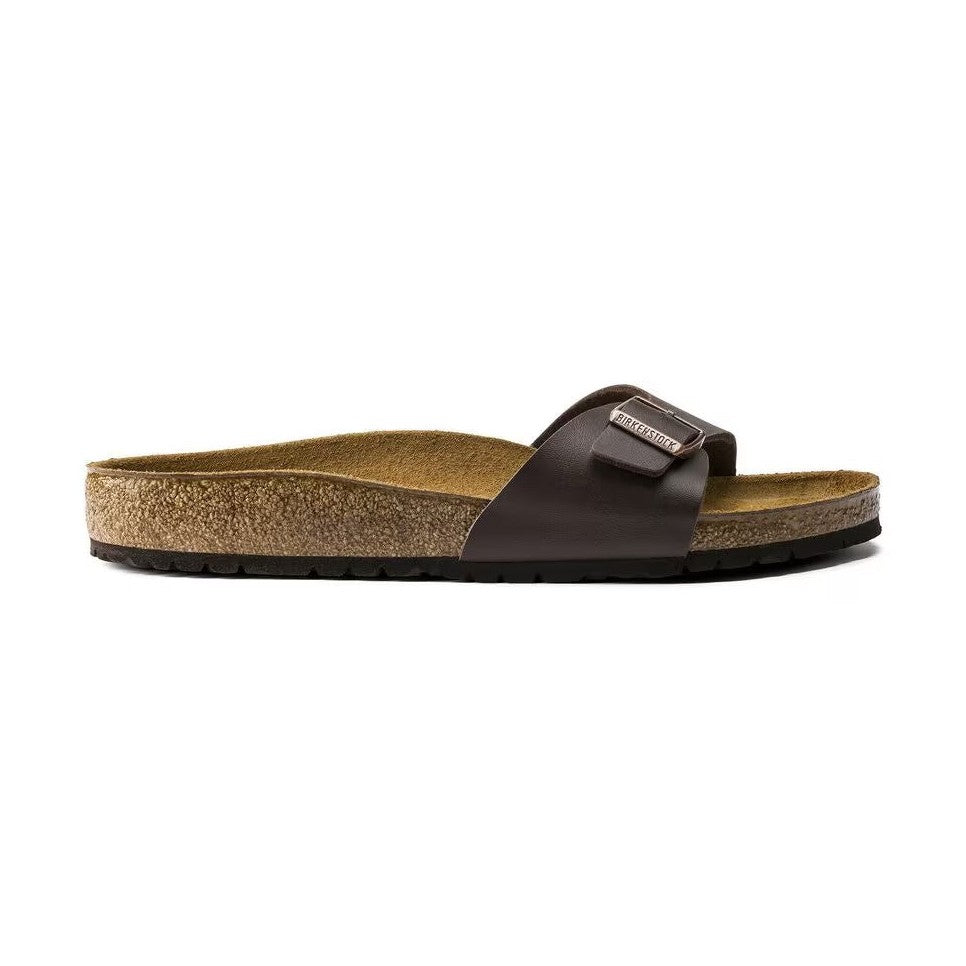
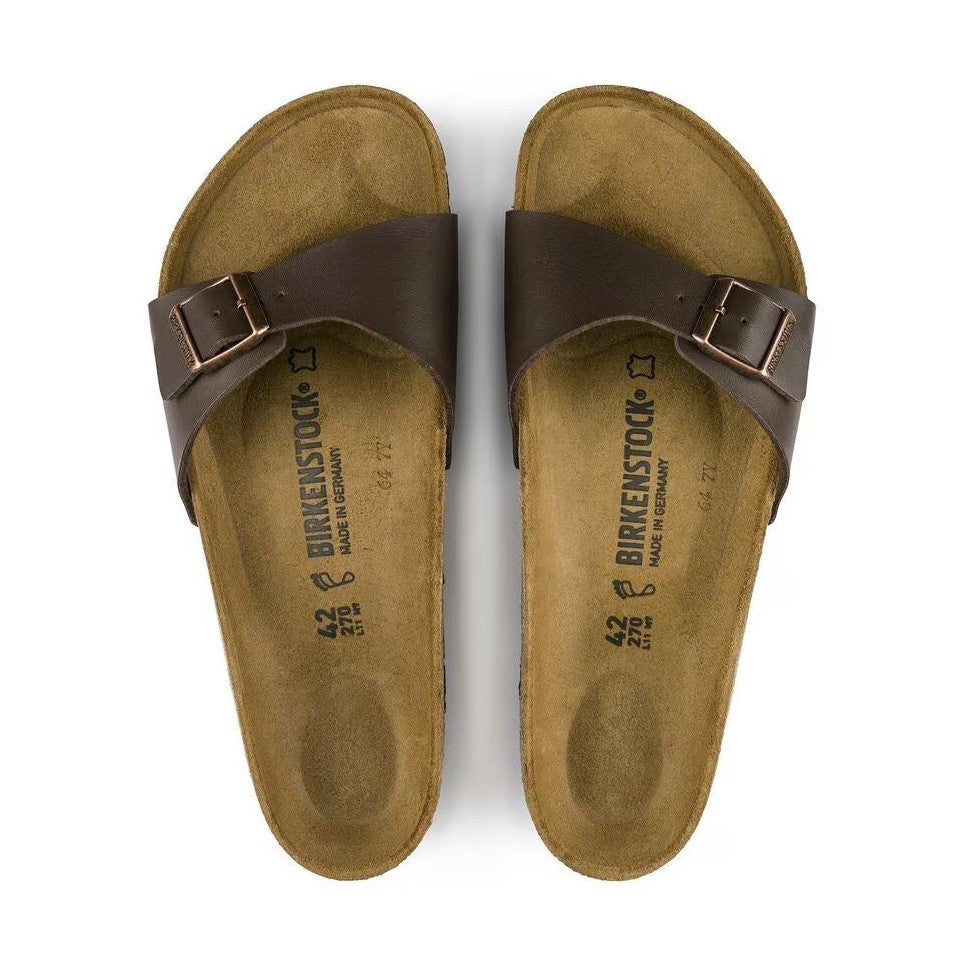
Art shoes are known for their distinctive design, combining creative elements with high-quality craftsmanship. Each pair of shoes is designed with attention to detail and crafted by expert artisans using traditional techniques. This approach ensures that each product is not only aesthetically pleasing, but also durable and comfortable.
The aesthetic of Art shoes is influenced by various artistic and cultural trends, with designs often featuring vibrant colors, unique patterns, and innovative details. This makes Art shoes not only a functional accessory, but also a statement of style.
Social and Environmental Impact
Art doesn't just produce eco-friendly shoes; the company is also strongly committed to improving working conditions and promoting ethical practices. Art collaborates with suppliers who share its values of sustainability and transparency, ensuring that all workers involved in the production process are treated with respect and fairness.
The company also participates in social responsibility initiatives, supporting local and international projects aimed at improving the living conditions of communities and preserving the environment. This commitment is reflected in all phases of the product life cycle, from design to production, distribution, and recycling.
Conclusion
Since 1995, Art has exemplified how a company can combine commercial success and environmental responsibility. With a relentless focus on innovation, sustainability, and creative design, Art has demonstrated that it is possible to produce high-quality footwear that respects the environment and people. As the fashion world continues to evolve, Art remains a beacon of excellence and ethical commitment, inspiring both consumers and the industry to make more conscious and sustainable choices.